

Persian Rugs: Keeping Their Colors and Patterns Beautiful
A Persian rug can bring warmth, character, and intricate detail to a room, but everyday life can gradually change its appearance. Dust settles between the fibers, sunlight can fade exposed areas, and spills may leave stains that are difficult to remove. Without proper care, even a well-crafted rug can lose some of the visual depth that makes it special.
The good news is that you do not need an elaborate maintenance routine to protect your rug. With regular cleaning, sensible placement, and careful treatment of spills, you can help preserve its colors, patterns, and texture for years.
Persian Rugs deserve a care routine that respects their materials and craftsmanship. The right approach depends on the rug’s fibers, dyes, construction, and condition. Here is how to keep a Persian rug looking beautiful while avoiding common cleaning mistakes.
1. Understand What Makes Persian Rug Colors and Patterns Special
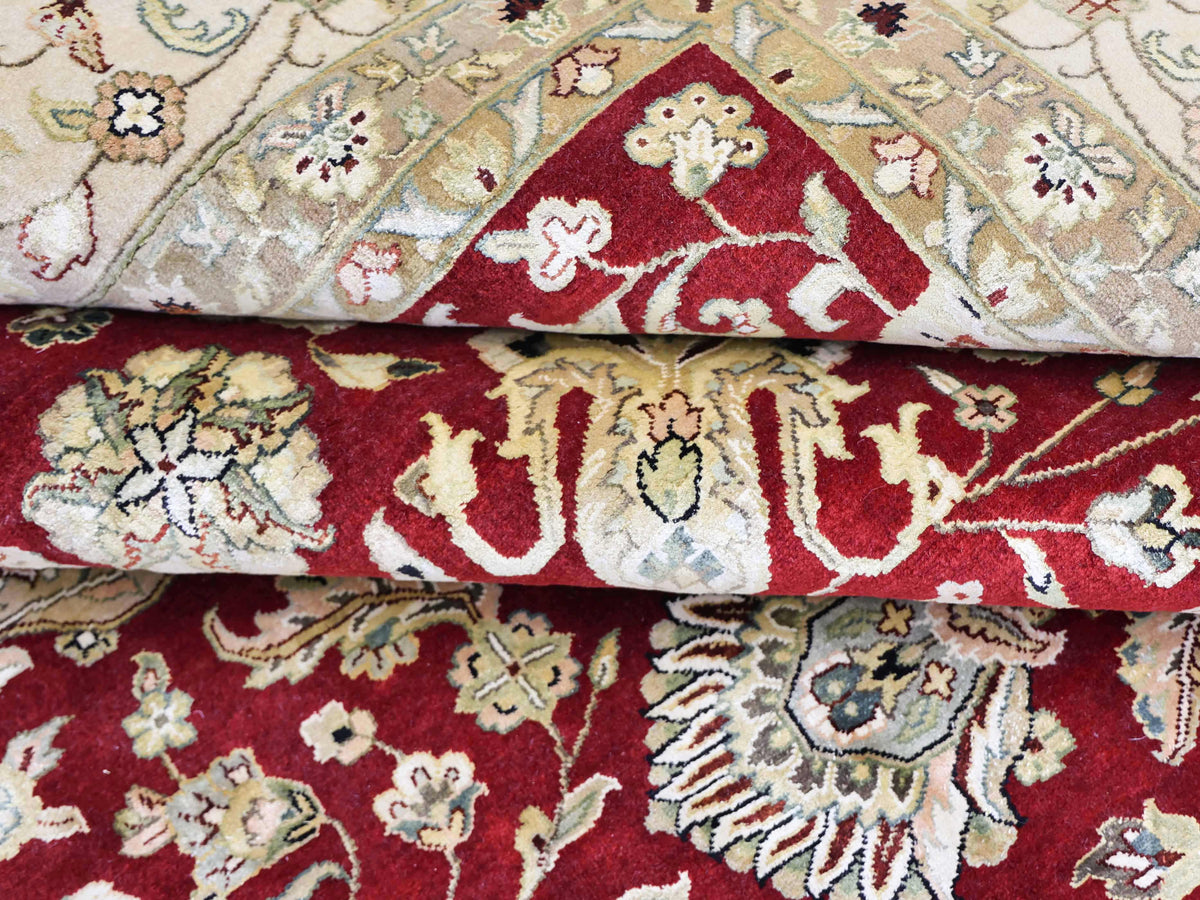
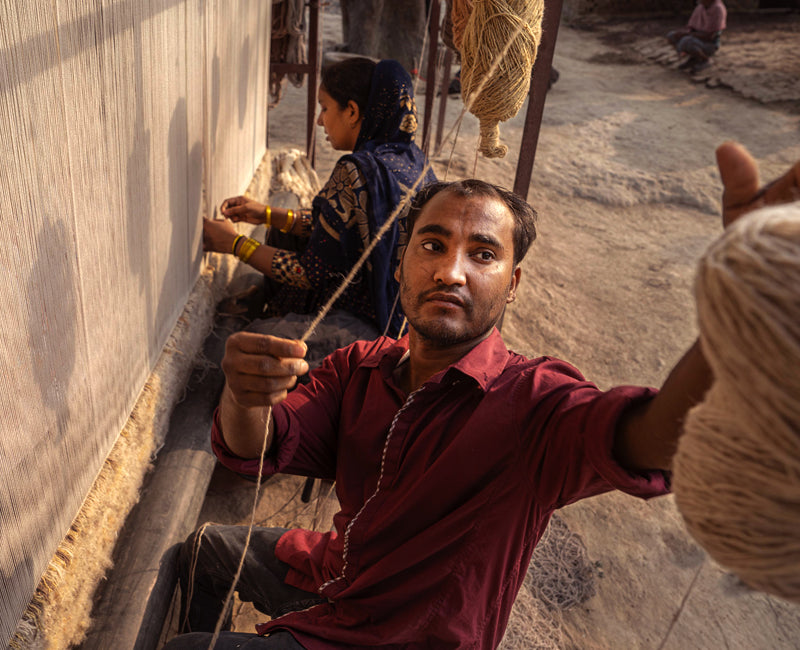
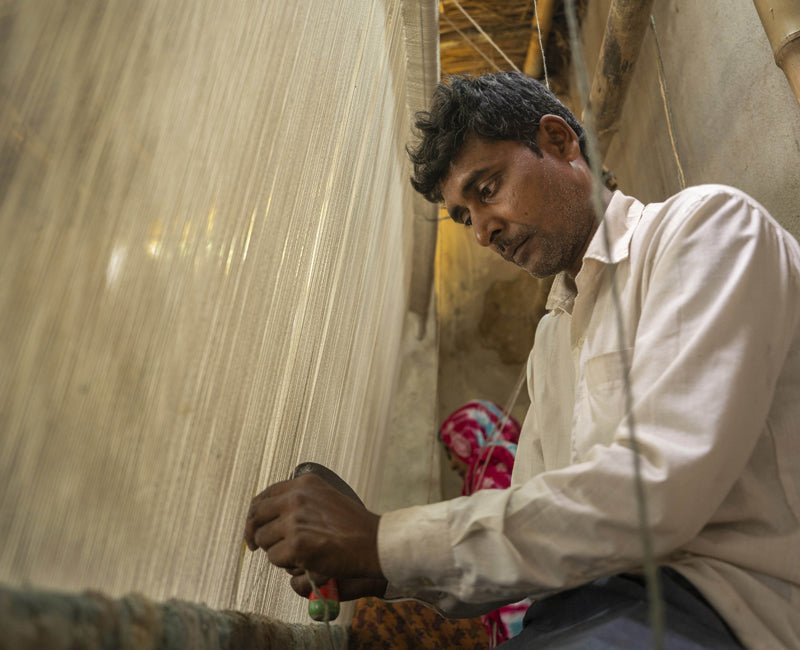
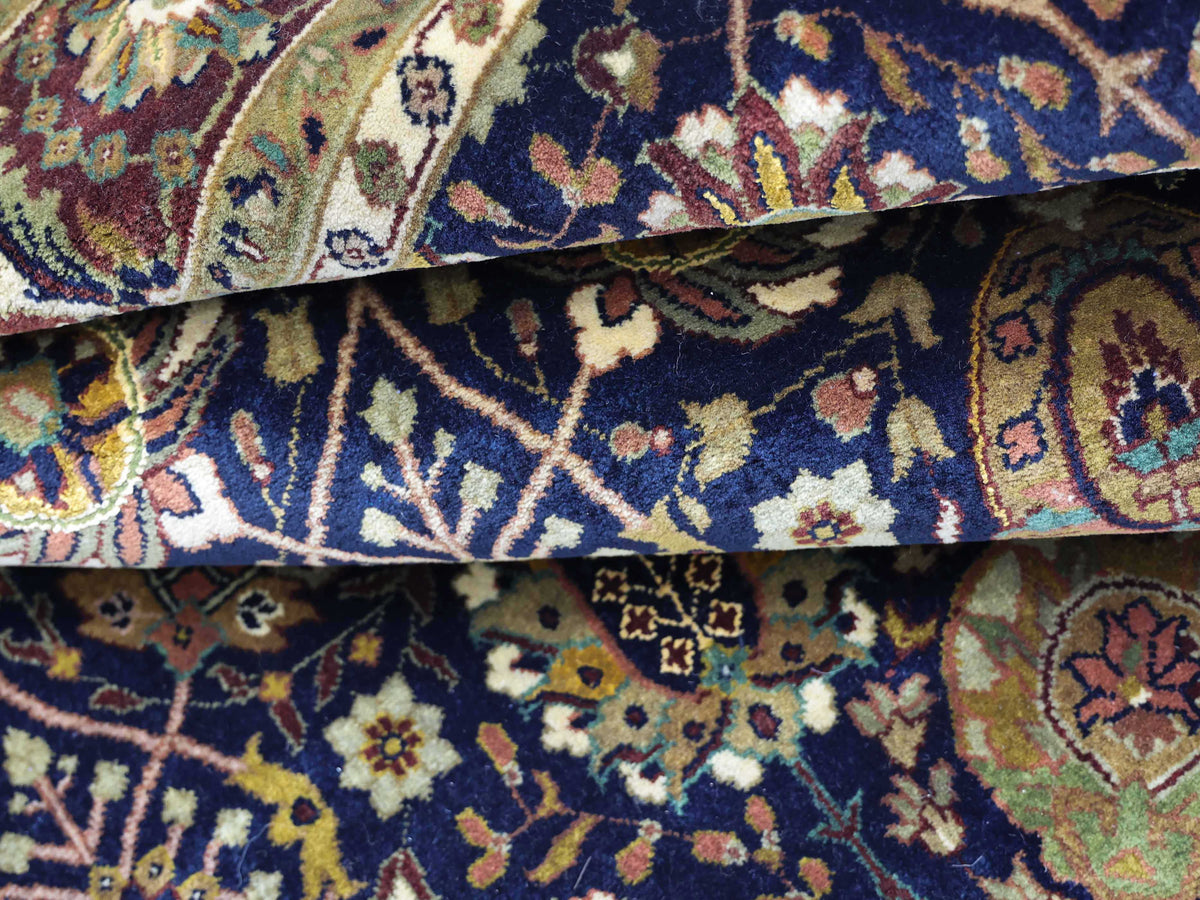
Persian rugs come from a diverse tradition of regional weaving, with designs ranging from intricate floral compositions to bold geometric patterns. Their visual character depends on more than color alone. Fiber texture, knotting, pile direction, and the relationship between contrasting shades all influence how a design appears.
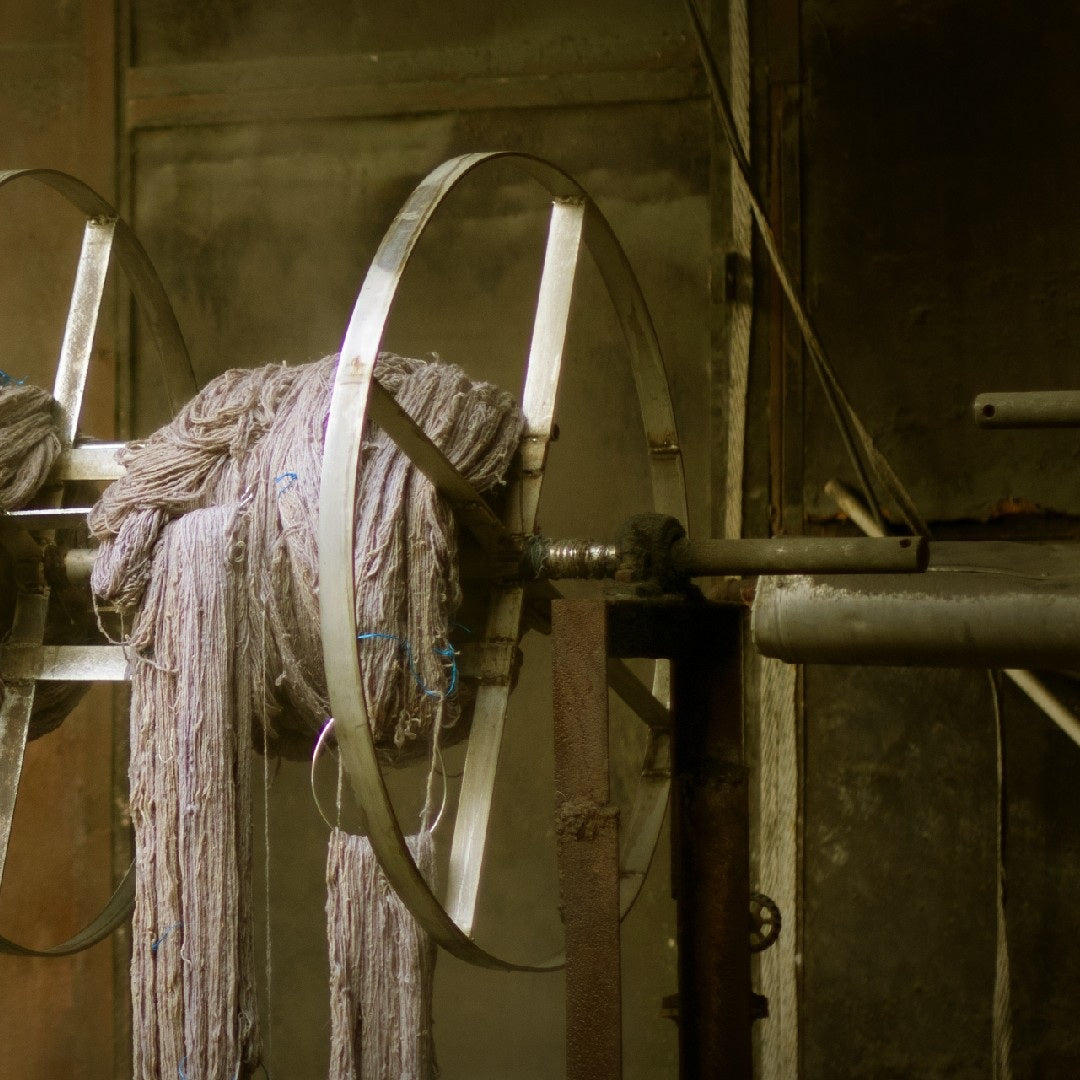
Wool, silk, and cotton each respond differently to cleaning and wear. Wool rugs often have a resilient texture, while silk can require more delicate handling. Cotton commonly appears in the foundation or structural elements of a rug.
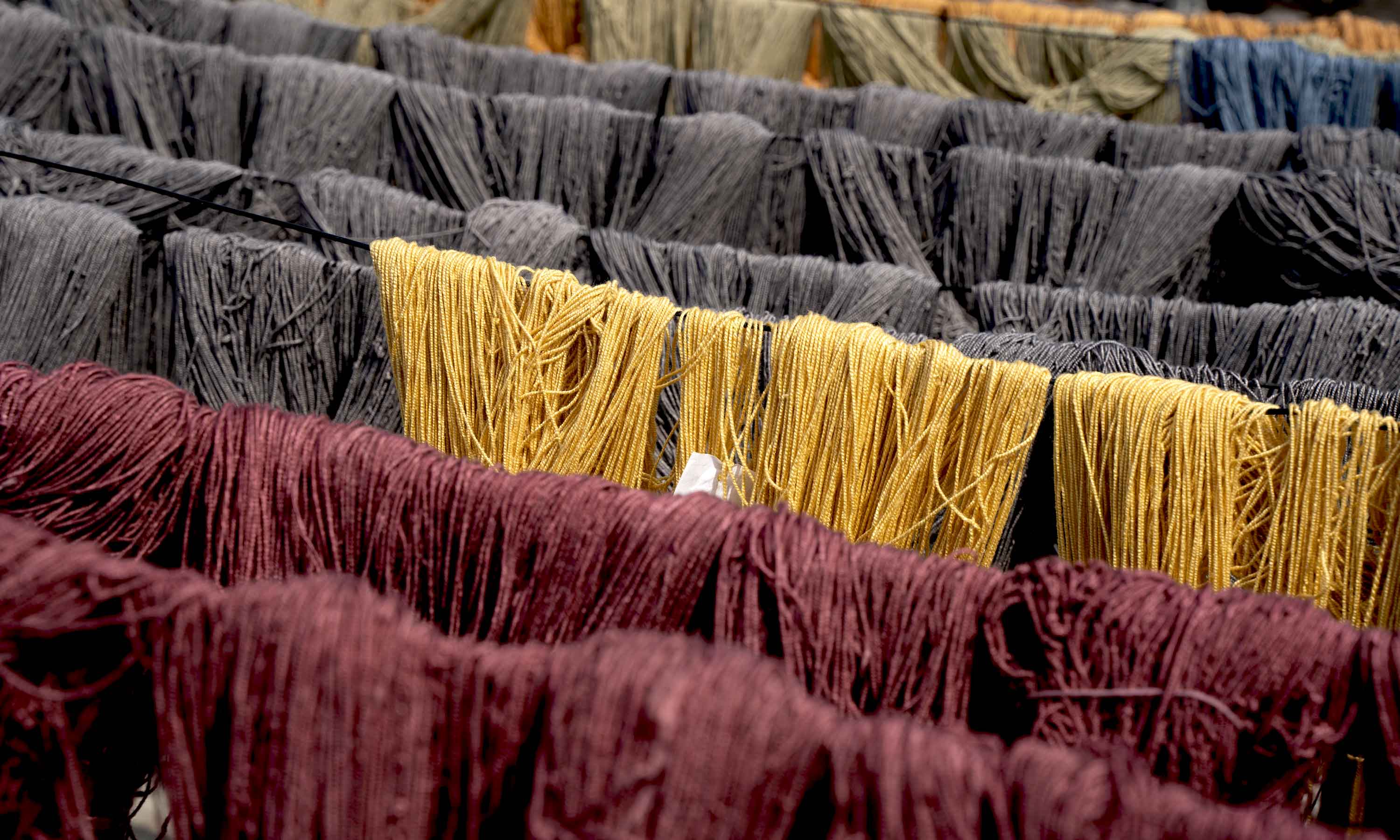
Dyes also matter. Some rugs use natural dyes, while others use synthetic colorants. You should not assume that a particular rug uses one type simply because of its age, appearance, or origin.
Before cleaning, identify the material and check any care instructions supplied by the seller. If you own an antique, fragile, or valuable piece, seek advice from a specialist familiar with traditional rugs.
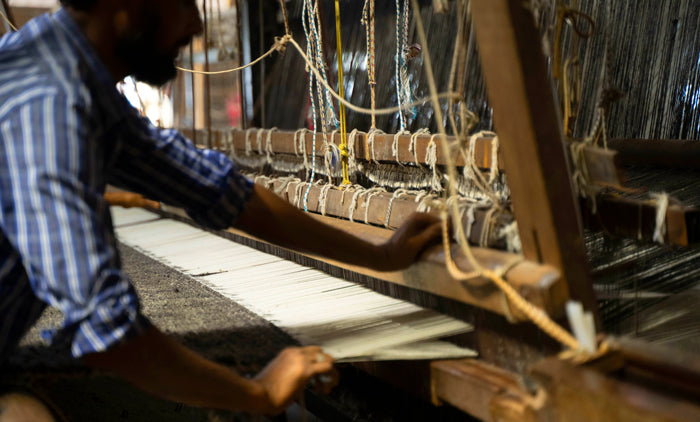
For more background, explore our guide to authentic Persian rug craftsmanship. Understanding how a rug was made can help you make better decisions about its care.
2. Remove Dust and Dirt Before They Damage the Fibers
Dust and grit may seem harmless, but particles can settle deep within a rug’s pile. As people walk across the surface, this debris can contribute to gradual fiber wear. Regular, gentle cleaning helps prevent buildup and keeps the design looking clear.
Vacuum with care
For many sturdy rugs, gentle vacuuming is an effective way to remove loose dirt. However, the right method depends on the rug’s construction and condition.
-
Use a suction-only setting when possible.
-
Avoid aggressive brush rolls, especially on delicate or high-pile rugs.
-
Move the vacuum gently in the direction of the pile.
-
Do not pull at loose threads, fringe, or damaged areas.
-
Vacuum both sides only when the rug’s condition and weight allow safe handling.
For fragile, antique, or shedding rugs, ask a professional about suitable cleaning methods before vacuuming.
Avoid excessive cleaning
Vacuuming too frequently or using excessive force can cause unnecessary wear. Instead, adjust your routine to the amount of foot traffic, dust, and activity in the room.
Entryways and living rooms may need more frequent attention than a bedroom with limited use. A gentle, consistent routine is generally more useful than occasional aggressive cleaning.
3. Protect Persian Rugs from Sunlight and Color Fading
Direct sunlight can gradually fade rug colors, particularly when one section receives strong light for long periods. The effect may be subtle at first, but uneven exposure can eventually create noticeable differences across the design.
To reduce the risk, consider where sunlight enters your room throughout the day.
-
Position rugs away from intense, direct sunlight when practical.
-
Use curtains, blinds, or UV-filtering window treatments to reduce exposure.
-
Rotate the rug periodically if its construction and placement allow.
-
Check areas near windows for changes in color.
Rotation helps distribute wear and light exposure more evenly. However, do not rotate a rug if doing so creates a safety issue, damages the fringe, or places a fragile section under heavier furniture.
Keep in mind that fading may not be reversible. If you notice a significant change in color, consult a rug-care specialist rather than attempting to restore the shades with household products.
4. Treat Spills Quickly Without Spreading the Stain
Spills happen, especially in living rooms and dining areas. The most important step is to respond promptly without rubbing the affected area or applying an unsuitable cleaning solution.
Blot instead of scrubbing
When liquid spills onto your rug, follow these steps:
-
Remove solid material carefully with a spoon or dull edge.
-
Use a clean, white, absorbent cloth to blot the liquid.
-
Work from the outer edge toward the center to limit spreading.
-
Replace the cloth as it absorbs moisture.
-
Allow the area to dry thoroughly, with good airflow.
Avoid vigorous rubbing. It can push the stain deeper into the fibers, distort the pile, or spread the affected area.
Be cautious with water and cleaning products
Do not automatically apply water, vinegar, detergent, or a commercial stain remover. Some dyes may bleed, and certain fibers can react poorly to moisture or chemicals.
If you are unsure about the rug’s dyes or materials, stop after blotting and contact a professional cleaner. Never mix cleaning products, and avoid soaking the rug or its foundation.
For persistent stains, a specialist can assess the substance, fiber type, and dye stability before choosing a treatment.
5. Prevent Uneven Wear and Preserve the Rug’s Shape
Even when colors remain vibrant, heavy foot traffic and furniture pressure can affect a rug’s appearance. Repeated pressure may flatten the pile, while constant movement can cause uneven wear.
Rotate and reposition thoughtfully
In a busy living room, the same section of a rug may receive most of the foot traffic. Rotating it periodically can help distribute that wear. Before moving the rug, lift it carefully rather than dragging it across the floor.
A rug pad can also help reduce slipping and movement. Choose a pad designed for your floor type and rug construction, and make sure it does not discolor the floor or damage the rug’s backing.
Protect high-pressure areas
Heavy furniture can leave indentations in the pile. Use suitable furniture pads where appropriate, and occasionally adjust furniture placement if your layout allows.
For rugs beneath dining tables, remove crumbs and debris regularly. Chairs can create concentrated friction, so check the rug’s surface and edges for signs of wear.
If the rug develops persistent ripples, curling edges, or loose threads, address the issue early. Avoid pulling or trimming loose fibers yourself, as this can worsen the damage.
6. Keep Moisture Away and Store Rugs Properly
Excess moisture can encourage mildew, create unpleasant odors, and damage some rug materials. After cleaning a spill, make sure the affected area dries completely. Avoid placing a damp rug directly back onto a floor where moisture could become trapped.
If your rug becomes thoroughly wet, arrange appropriate drying as soon as possible. Large or valuable rugs may need professional attention, particularly if the foundation is saturated.
Store a rug in a clean, dry environment
If you need to store a Persian rug, clean it appropriately first and make sure it is completely dry. Roll it carefully rather than folding it, as sharp folds can create creases and stress the fibers.
Use a breathable protective covering and keep the rug away from damp walls, direct sunlight, and pests. Avoid sealing a rug in plastic while any moisture remains.
Check stored rugs periodically. Early attention to moisture, insects, or unusual odors can help prevent more extensive damage.
7. Know When to Call a Professional Rug Cleaner
Routine care can manage everyday dust and minor spills, but some problems require specialist knowledge. Professional advice is especially important for antique, silk, fragile, or heavily soiled rugs.
Consider professional help when you notice:
-
Persistent stains or strong odors.
-
Dye transfer or bleeding during cleaning.
-
Fraying edges, damaged fringe, or loose knots.
-
Water damage or suspected mildew.
-
Significant fading or uneven discoloration.
-
A rug that needs a thorough wash beyond routine maintenance.
Choose a cleaner who understands handmade and traditional rugs. Ask about their experience with the relevant fibers, dye testing, washing methods, and drying process.
For general maintenance guidance, you can also read our article on simple care tips for handmade carpets. For more information about traditional rug styles, browse the Hand Made Carpets website.
With thoughtful everyday care and professional help when necessary, Persian rugs can continue to bring depth, color, and character to your home. Pay attention to the materials, protect the rug from avoidable damage, and treat stains carefully. These simple habits help preserve the details that make your rug distinctive.
Frequently Asked Questions
1. How do you keep Persian rugs from fading?
Limit direct sunlight, use curtains or blinds, and rotate the rug when practical to distribute light exposure and wear. Fading may be permanent, so prevention matters.
2. How often should you vacuum a Persian rug?
It depends on foot traffic, dust, and the rug’s condition. Vacuum gently as needed, using a suitable setting and avoiding aggressive brush rolls on delicate rugs.
3. Can you clean a Persian rug with water?
Not every Persian rug can safely tolerate water. Some dyes and fibers may react poorly to moisture. Check the rug’s care requirements and consult a specialist if you are unsure.
4. What should you do if you spill liquid on a Persian rug?
Blot the spill promptly with a clean, white cloth. Avoid rubbing, soaking, or applying untested cleaning products. Seek professional help for persistent stains or delicate rugs.
5. Should Persian rugs be professionally cleaned?
Professional cleaning can help when a rug has deep soil, persistent stains, odors, or delicate materials. Choose a specialist experienced with handmade and traditional rugs.