

Persian Rugs: The Details That Reveal Authentic Craftsmanship
A Persian rug can transform a room with its intricate patterns, rich colors, and distinctive character. However, when shopping for one, it can be difficult to distinguish genuine craftsmanship from a rug that simply imitates a traditional Persian design. Beautiful motifs alone do not tell the whole story.
Understanding how artisans construct a rug, work with materials, develop patterns, and finish each piece helps you make a more informed choice. Persian Rugs reflect a long tradition of regional weaving, but their quality and characteristics vary considerably. By examining a few important details, you can better appreciate the skill behind a rug and identify features that deserve closer attention.
1. Examine the Weaving Technique and Construction
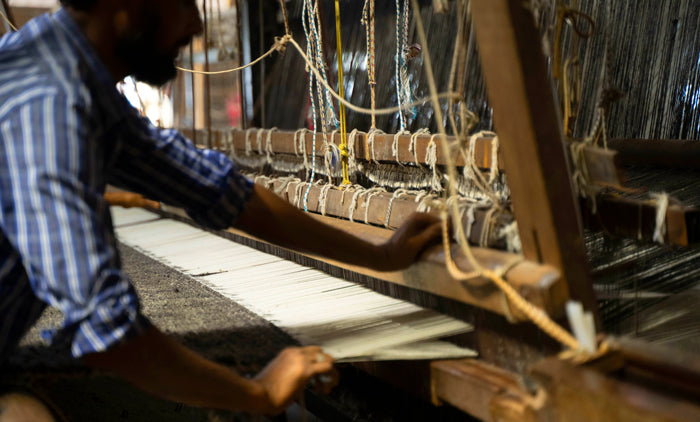
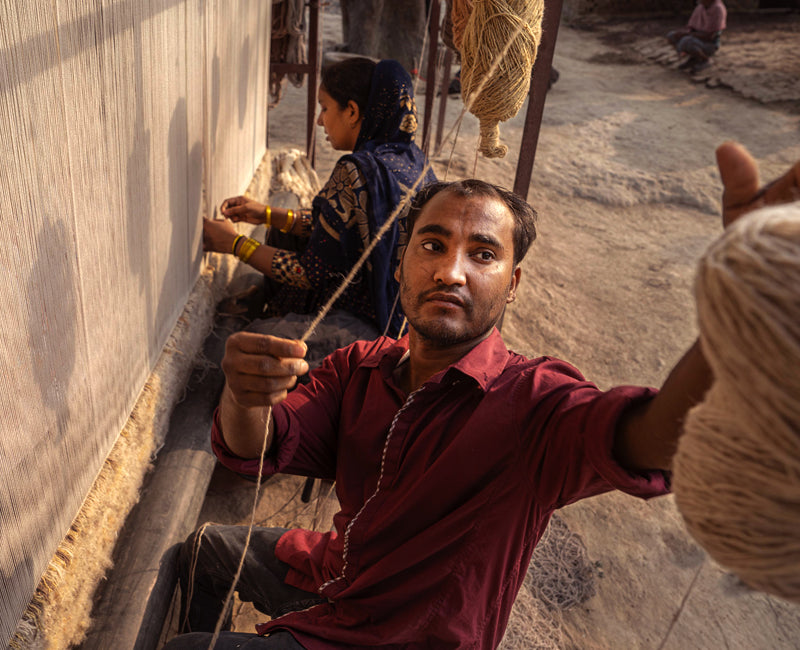
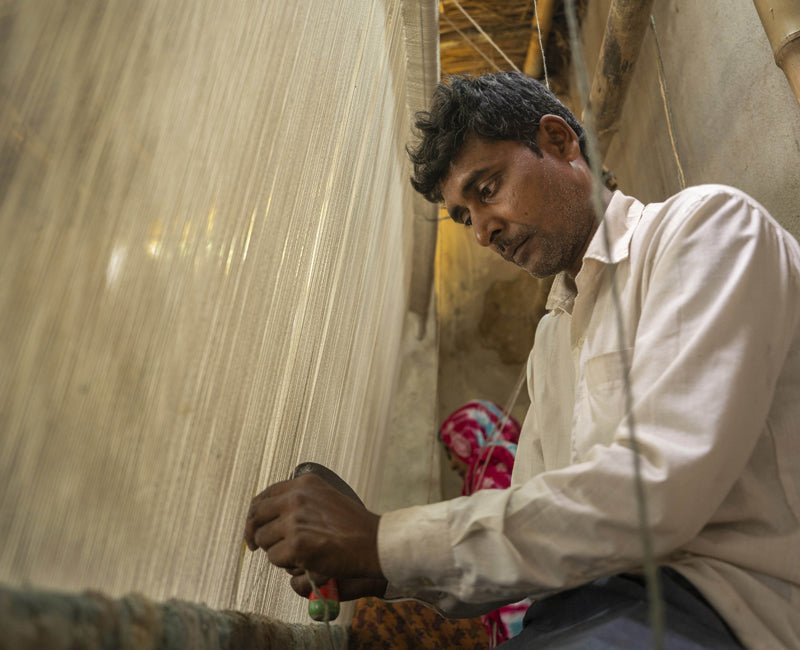
The construction of a Persian rug offers valuable clues about how an artisan created it. Traditional Persian carpets often feature hand-knotting, a technique that requires patience, precision, and considerable skill.
Look at the back of the rug
On a hand-knotted rug, the reverse side reveals rows of individual knots. The pattern often remains visible from the back, although its appearance may differ from the front.
Look for a construction that feels consistent with the design and materials. Small variations can occur in handmade work, so do not expect every knot or line to look perfectly uniform.
However, distinguish natural irregularities from structural problems. Loose sections, unraveling edges, or areas with unexplained damage deserve further inspection.
Understand knot density
Knot density describes how many knots appear within a given area. A higher density can allow artisans to create finer details and more intricate motifs.
Nevertheless, knot count alone does not determine quality. A well-made rug with a lower knot density may offer excellent craftsmanship, strong visual character, and a construction suited to its intended use.
Consider the design, fiber quality, finishing, and overall consistency alongside the knot count.
Recognize different construction methods
Not every rug with a Persian-inspired design uses traditional hand-knotting. Machine-made rugs and other handmade constructions can reproduce similar motifs.
If the weaving method matters to you, ask the seller to identify the construction clearly. A transparent description should explain whether artisans hand-knotted, handwoven, hand-tufted, or machine-produced the rug.
2. Study the Materials and Fiber Quality
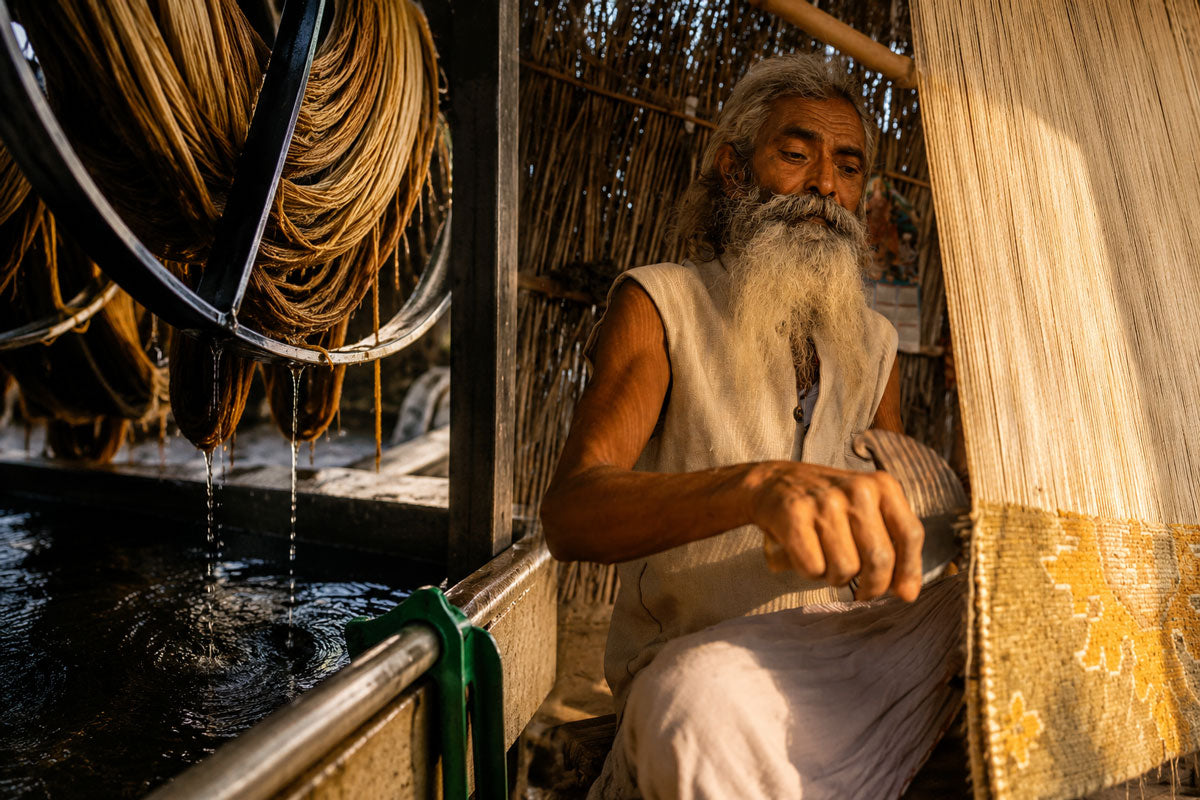
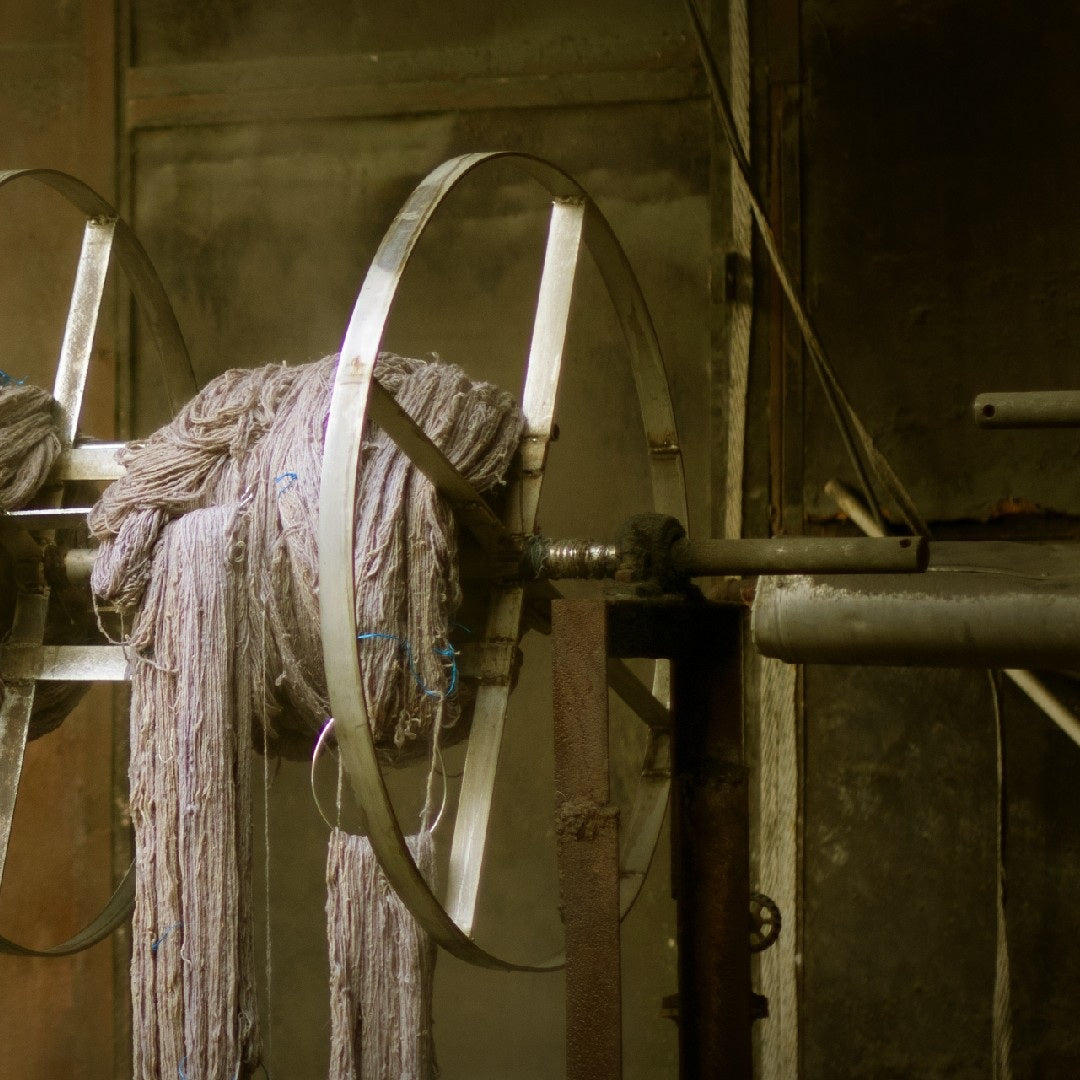
The fibers influence a rug's texture, appearance, and performance. Traditional Persian rugs often use wool, while some finer examples incorporate silk or combine different materials.
Wool: A traditional and versatile choice
Wool is widely used in Persian carpet weaving. Its natural elasticity gives it a springy feel, while its texture can add depth to the surface.
Run your hand gently across the pile, if you can inspect the rug in person. Notice whether the texture feels consistent with the construction and whether the fibers have a natural, substantial quality.
Wool rugs can suit many living spaces, but fiber quality varies. Ask about the wool's origin and preparation when that information is available.
Silk: Fine detail and natural sheen
Silk has a smooth texture and distinctive luster. Its fine fibers allow artisans to create intricate designs and subtle variations in color.
In some Persian rugs, silk highlights particular motifs or outlines rather than forming the entire pile. This contrast can make selected details appear brighter as the viewing angle changes.
Silk generally requires more careful handling than wool, so consider the rug's intended location as well as its appearance.
Check the fiber description
A rug's product information should identify its materials accurately. If the seller describes a piece as wool and silk, clarify whether both fibers appear in the pile or whether one serves another part of the construction.
For a broader understanding of how materials contribute to rug character and value, read what makes handmade carpets worth the investment.
3. Look Closely at Patterns, Motifs, and Symmetry
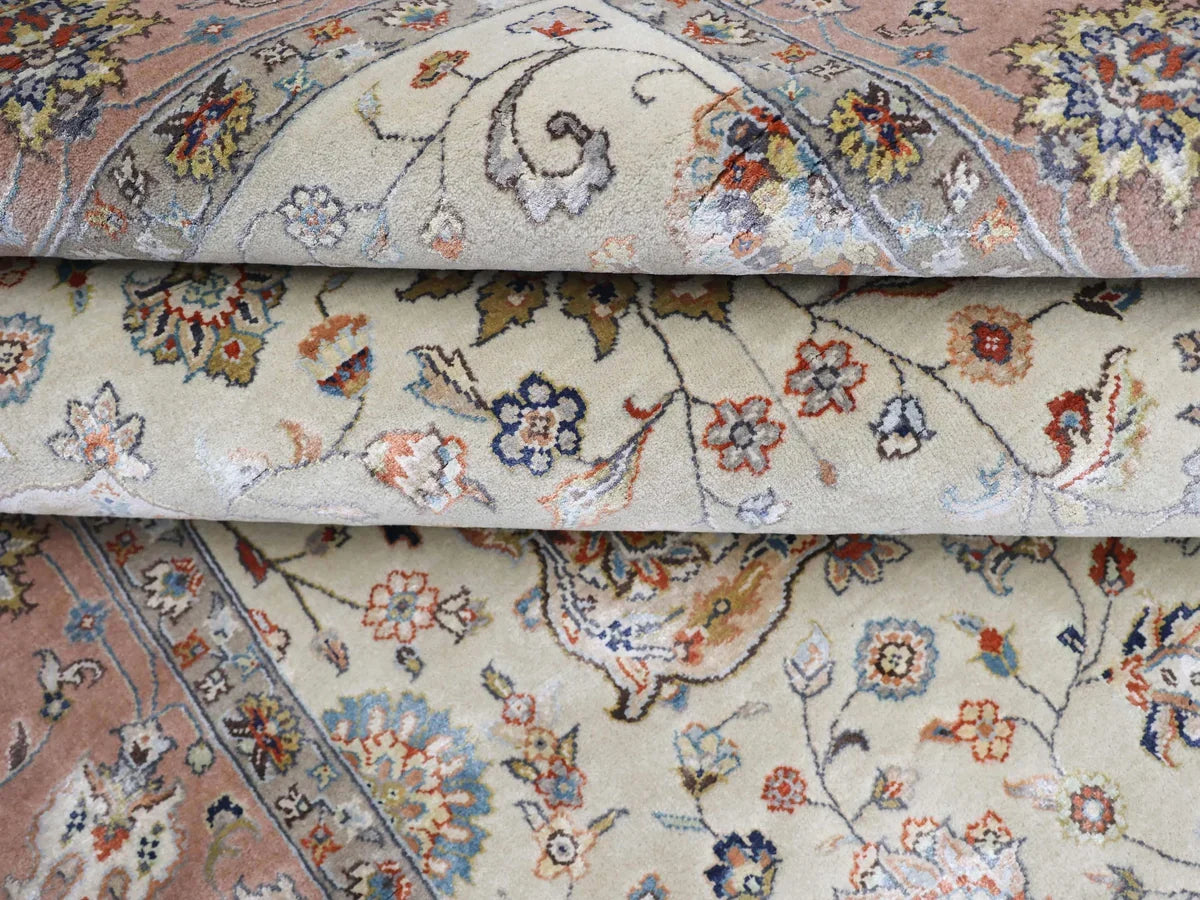
Persian rugs are known for their rich design traditions. Floral forms, medallions, geometric arrangements, and repeating borders appear across many regional styles.
However, no single motif proves that a rug comes from Persia. Similar designs can appear in rugs made elsewhere, and contemporary makers often reinterpret traditional patterns.
Examine the central design
Many Persian carpets feature a central medallion surrounded by smaller motifs or decorative fields. Others use an all-over pattern without a dominant center.
Look at how the design develops across the rug. Notice whether the main elements relate to one another and whether the borders frame the central field effectively.
In hand-knotted pieces, slight variations may appear in repeated motifs. These details can reflect the human process of weaving, although irregularity alone does not establish authenticity.
Inspect the borders
Borders help define the rug's composition. Many traditional designs use a wider main border accompanied by narrower guard borders.
Check how the border meets the corners and how it relates to the central pattern. A coherent design can reveal careful planning, but remember that different regional traditions use different layouts.
Appreciate regional variation
Persian carpet designs differ across weaving centers and communities. Floral patterns, geometric motifs, color palettes, and overall compositions can vary significantly.
Rather than expecting every authentic Persian rug to follow one visual formula, learn about the particular style the seller claims to offer.
4. Assess the Colors and Dye Characteristics
Color contributes significantly to a Persian rug's character. Traditional designs may feature deep reds, indigo blues, ivory, and earthy tones, although contemporary interpretations use a much wider palette.
Look for depth and variation
Some handmade rugs display subtle differences in shade across the pile. The effect may change when you view the rug from different directions because the fibers reflect light differently.
This variation, sometimes called abrash, can occur when artisans use yarns with slightly different dye shades. It may add visual depth, particularly in areas of broad, uninterrupted color.
However, abrash does not automatically prove that a rug is handmade or naturally dyed. Machine-made and handmade rugs can both display color variation.
Ask about the dyes
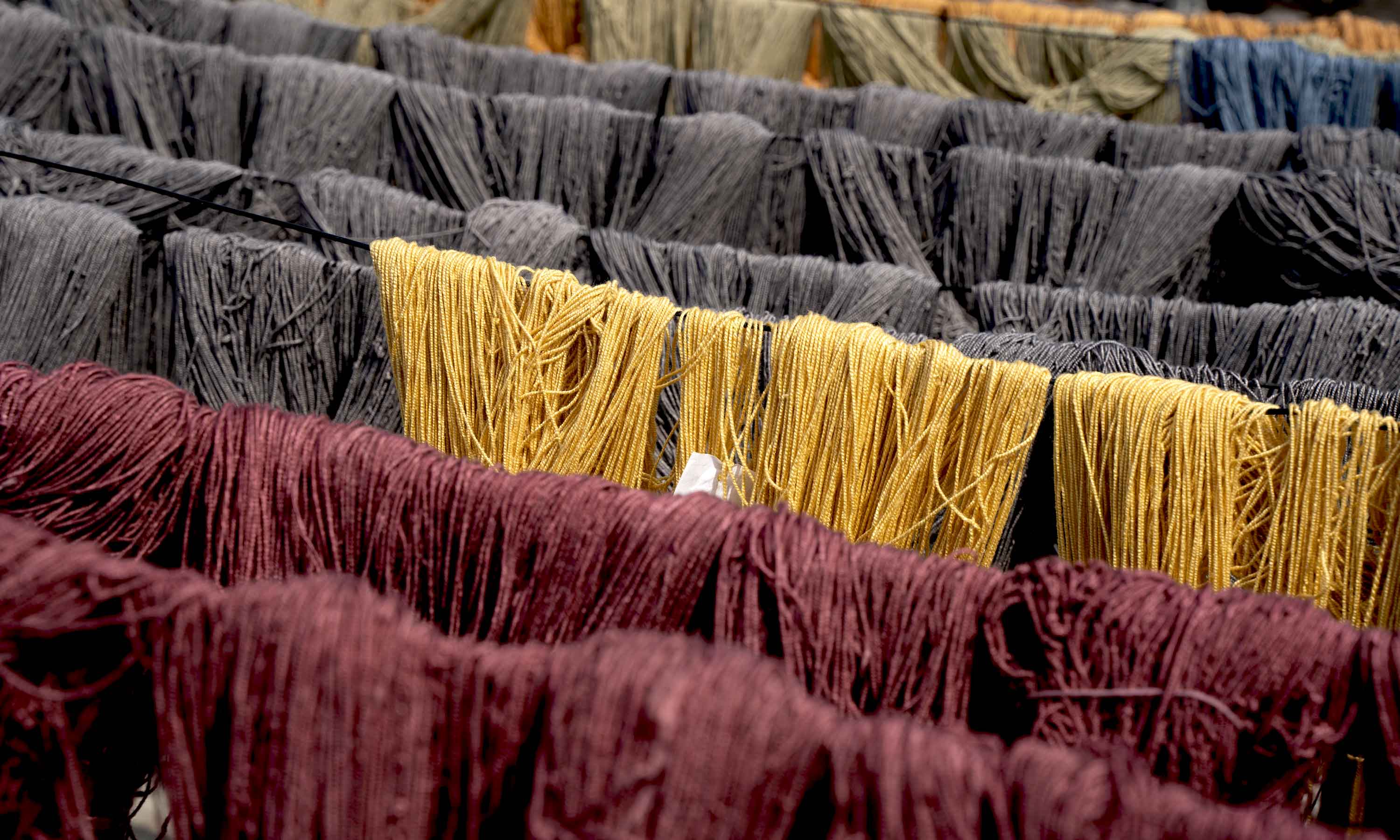
Traditional rug production has used both natural and synthetic dyes. Neither category alone guarantees superior quality.
The important questions concern color stability, the suitability of the dye for the fiber, and the care the rug requires. Ask the seller whether they have information about the dyes and whether the colors may transfer when wet.
If you inspect a rug in person, look for obvious staining, unexplained discoloration, or uneven fading. For an older carpet, some color changes may reflect age and exposure rather than a manufacturing defect.
5. Inspect the Finishing and Overall Condition
Craftsmanship extends beyond the visible pattern. The edges, ends, and pile all contribute to a rug's overall finish.
Check the edges and ends
Look at the sides of the rug, often called the selvedges, and examine the ends where the fringe may appear.
The edges should feel secure and consistent with the rug's construction. Loose binding, unraveling sections, or damaged fringe may require repair.
Fringe can form part of a rug's structural foundation rather than serving only as decoration. Avoid pulling it or assuming that trimming it will solve a problem.
Consider the pile and wear
Run your hand gently over the surface and look for areas where the pile appears unusually thin. On an older rug, some wear may be expected, but widespread thinning or exposed foundation can affect its condition.
If you are considering an antique or vintage piece, ask about previous repairs, restoration, and any known damage.
For an online purchase, request clear photographs of the corners, edges, back, and any areas with visible wear.
6. Verify the Rug's Origin and Seller Information
A traditional Persian pattern does not necessarily mean the rug originated in Iran. Since sellers may use “Persian” to describe a design style, clarify whether they mean the rug's geographic origin or its appearance.
Ask specific questions
Before buying, seek clear answers about:
-
The country and region where the rug was made.
-
The construction method and materials.
-
Whether the rug is new, vintage, or antique.
-
Any known repairs or restoration.
-
The care instructions and expected maintenance.
For an antique or historically significant rug, documentation can provide useful context. However, the absence of a certificate does not automatically establish that a rug is inauthentic.
A seller should be able to explain the basis for claims about origin, age, materials, and craftsmanship. If important details remain vague, request clarification before making a decision.
Learn about the wider tradition
Persian carpet weaving encompasses a range of regional designs and techniques. The Encyclopaedia Britannica overview of Persian carpets provides useful background on their history and artistic traditions.
Understanding this context helps you evaluate a rug beyond its appearance and appreciate the cultural and technical knowledge behind its design.
7. Match Craftsmanship to Your Home
Even an expertly crafted rug needs to suit your space. Consider the room's traffic, furniture, color palette, and maintenance requirements before choosing a particular piece.
A wool Persian rug may work well in a living room where comfort and everyday use matter. A delicate silk design may suit a quieter space where you can protect its surface.
Measure the area carefully and consider how the rug will sit beneath your furniture. Traditional patterns can complement both classic interiors and contemporary rooms, especially when the colors work with the surrounding decor.
Explore the traditional rugs collection to discover designs that bring classic patterns and detailed craftsmanship into different interiors.
Frequently Asked Questions
1. How can I tell if a Persian rug is handmade?
Examine the back for visible knot structure, inspect the edges, and ask the seller about the construction method. These clues can help, but no single visual feature proves authenticity.
2. Does a higher knot count mean a better Persian rug?
Not necessarily. A higher knot density can support finer detail, but materials, craftsmanship, design, and intended use also influence quality.
3. Are all Persian rugs made from wool?
No. Wool is common, but some Persian rugs use silk or combine different fibers. Check the specific rug's material description.
4. Do Persian rugs always have traditional floral patterns?
No. Persian rugs include floral, geometric, medallion, and all-over designs. Patterns vary across regions and individual weaving traditions.
5. What should I check before buying a Persian rug online?
Review its origin, materials, construction, dimensions, condition, and care instructions. Request detailed photographs and clarification of any claims that the product description does not explain.
Discover the Craftsmanship Behind Persian Rugs
Recognizing authentic craftsmanship means looking beyond a rug's pattern. The weaving technique, fiber quality, design, colors, finishing, and documented origin all help you understand what makes a piece distinctive.
Take time to examine these details and consider how the rug will work in your home. Explore the collections at Hand Made Carpets to discover designs inspired by traditional weaving and enduring artistry. With a clearer understanding of construction and materials, you can appreciate Persian Rugs for both their visual character and the skill behind their creation.