

Persian Rugs: Finding the Right Colors for Your Interior
Choosing the right rug color can feel surprisingly difficult. You might love a Persian rug with rich reds, deep blues, or intricate gold details, yet worry that it will clash with your furniture, wall color, or existing décor. Alternatively, a neutral rug may seem like a safe choice, but you might wonder whether it will bring enough character to your room.
The key is to consider how color works within your entire interior. Persian rugs feature intricate patterns, layered shades, and distinctive combinations that can complement many decorating styles. Rather than matching every color perfectly, focus on creating balance, choosing a suitable palette, and deciding how much visual attention you want your rug to attract.
With a few practical guidelines, you can find Persian rugs that feel natural in your space while adding warmth, texture, and personality.
1. Understand Your Room’s Existing Color Palette
Before choosing a rug, look at the colors already present in your room. Your walls, flooring, sofa, curtains, and larger furniture pieces establish the foundation for your interior. The rug should work with these elements rather than compete with them.
Start by identifying your room’s dominant colors. Then consider whether the overall palette feels warm, cool, or neutral.
-
Warm interiors: Cream, beige, brown, terracotta, rust, and warm wood tones.
-
Cool interiors: Gray, blue, crisp white, and cool-toned green.
-
Neutral interiors: White, taupe, ivory, gray, and understated natural shades.
-
Mixed palettes: A combination of warm and cool colors that requires a thoughtful visual connection.
You do not need to find a rug that repeats every color in the room. Instead, look for one or two shades that connect the rug to your existing décor.
For example, a Persian rug with muted blue details can complement a gray sofa, while its ivory or beige background can tie in with light-colored walls. This small connection often creates a more cohesive appearance than matching the rug to a single piece of furniture.
2. Choose Between Bold and Subtle Persian Rug Colors
The right color intensity depends on the atmosphere you want to create. Some rooms benefit from a striking centerpiece, while others feel more comfortable with a quieter design.
Rich reds for warmth and character
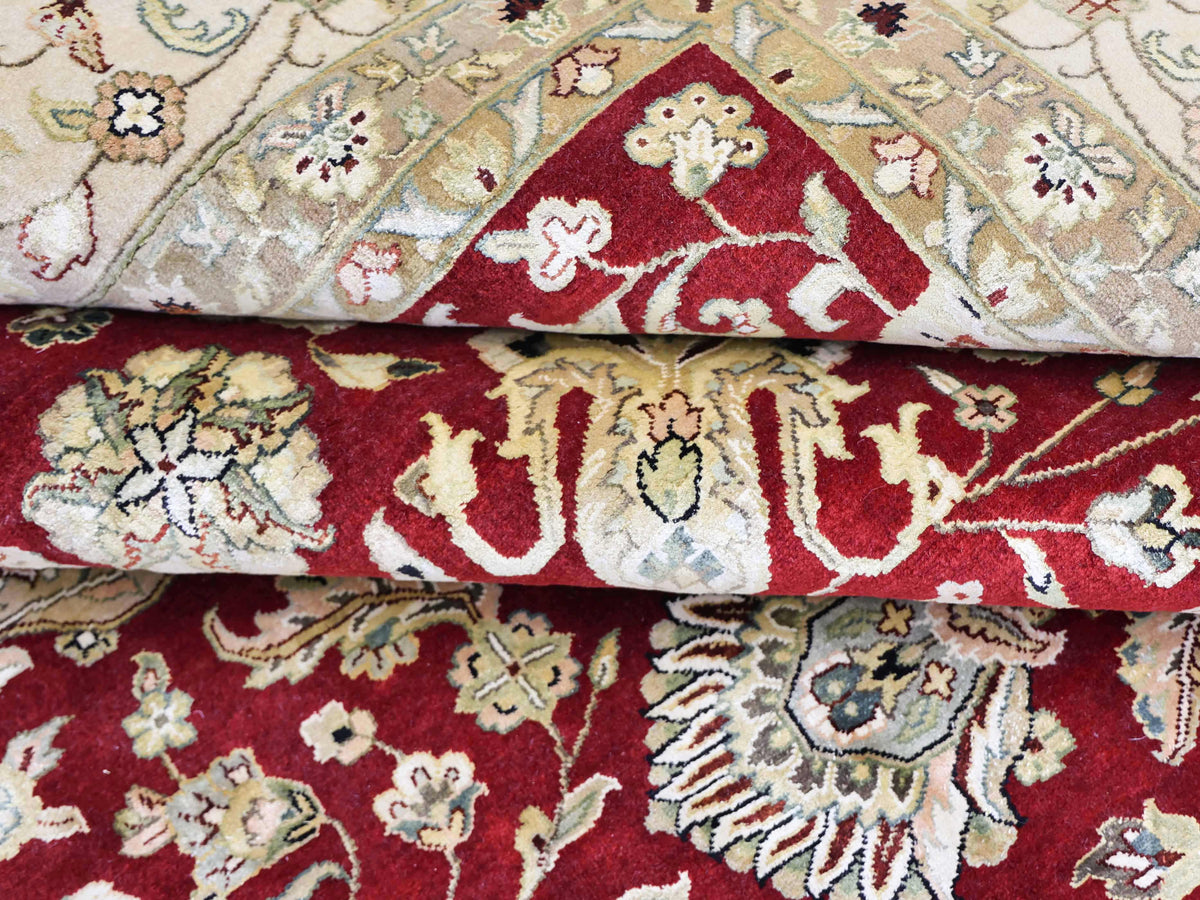
Red is one of the recognizable colors in many traditional Persian rug designs. Depending on its shade, it can introduce warmth, depth, and visual energy.
Deep burgundy, brick red, and muted rust often work well with cream walls, dark wood furniture, and traditional interiors. These shades can also add contrast to a room dominated by beige or gray.
However, a large red rug may feel overwhelming in a compact room with many competing patterns. In that situation, choose a design with a softer red background or a more balanced mix of colors.
Blue for depth and visual balance
Blue Persian rugs offer a range of possibilities, from pale and dusty shades to deep navy and indigo. Lighter blues can create a relaxed atmosphere, while darker blues provide definition and contrast.
A navy rug can anchor a living room with white walls and neutral upholstery. Meanwhile, a faded blue design can complement natural wood, linen curtains, and understated furniture.
Beige, ivory, and muted tones for a softer look
If you prefer a calm interior, consider a Persian rug with an ivory, sand, taupe, or faded neutral palette. These colors can introduce intricate patterns without making the room feel visually busy.
Neutral designs also work well when your furniture, artwork, or decorative accessories already provide strong color.
For more ideas on balancing understated colors and textures, explore this guide to styling a neutral living room with handmade carpets.
3. Match Persian Rugs With Your Flooring
Flooring has a significant influence on how a rug’s colors appear. The same rug may look dramatically different on pale oak, dark hardwood, gray tile, or a patterned floor.
Light-colored flooring
Light wood, cream tile, and pale stone provide a flexible background for many Persian rug palettes.
-
Choose deep red or navy for noticeable contrast.
-
Use muted green or dusty blue for a softer distinction.
-
Select beige or ivory for a subtle, layered appearance.
If you want the rug to define a seating area, choose a shade that stands apart from the floor. A rug that closely matches pale flooring can still look elegant, but its boundaries may feel less distinct.
Dark-colored flooring
Dark hardwood and deep brown floors can make lighter rugs stand out. Ivory, sand, faded blue, and warm beige designs often create a clear visual contrast.
A richly colored rug can also work on dark flooring, especially when it includes lighter details. Look for enough variation between the rug’s background and the floor to prevent the two surfaces from blending together.
Gray and stone flooring
Gray floors can support both warm and cool rug colors. Red, rust, and golden beige introduce warmth, while blue and charcoal create a more coordinated, contemporary effect.
If your flooring has strong gray undertones, examine the rug in the actual room before making a final decision. Some beige shades appear yellow beside cool gray, while certain blues may look more intense than expected.
4. Consider the Colors of Your Furniture and Décor
Your rug does not need to match your sofa exactly. In fact, repeating the same color across every major surface can make a room feel flat. Instead, use the rug to connect different elements.
With neutral furniture
A cream, gray, or beige sofa gives you room to experiment. A traditional Persian rug with red, blue, or green details can become the focal point without clashing with the furniture.
If you prefer a restrained look, choose a faded rug whose colors sit close to the sofa’s tone. The pattern will add interest while maintaining a relaxed atmosphere.
With colorful furniture
When your sofa or accent chairs already feature strong colors, look for a rug that supports rather than competes with them.
For instance, if you have a green sofa, a rug with muted cream, rust, or warm brown details may create a balanced combination. A blue sofa can work with ivory, terracotta, or complementary blue shades.
The goal is not to eliminate contrast. It is to make the contrast feel intentional.
With patterned curtains or cushions
Persian rugs often contain several colors and detailed motifs. If your room already includes patterned curtains, cushions, or upholstery, consider a rug with a less complex color palette.
Alternatively, let the rug lead the design and keep nearby textiles relatively simple. This approach gives the eye a clear focal point.
5. Use Color to Influence the Mood of a Room
Color affects the overall impression of a space. Although personal taste matters most, certain palettes tend to create familiar visual effects.
-
Warm reds and rust: Add richness and a welcoming feel.
-
Deep blues: Create visual depth and a sense of structure.
-
Soft neutrals: Support a calm, understated atmosphere.
-
Muted greens: Connect the room with natural materials and earthy tones.
-
Gold and ochre: Introduce warmth and complement wood, brass, and cream.
Think about how you use the room. A living room designed for conversation may suit a richly colored rug, while a quiet reading corner may benefit from softer shades.
Bedrooms often work well with subdued palettes, although a bold rug can provide an appealing contrast against simple bedding. In dining rooms, consider how the rug’s colors interact with the table, chairs, and surrounding flooring.
Remember that color alone does not determine a room’s mood. Pattern density, texture, lighting, and the amount of visible flooring all contribute to the final effect.
6. Look Beyond the Main Color to the Rug’s Pattern
A Persian rug rarely relies on a single shade. Its border, central medallion, floral details, and smaller decorative elements may introduce several colors. Therefore, assess the complete design rather than judging it only by its dominant color.
A rug with a red background, for example, might include navy, ivory, and muted green details. Those secondary colors can help it connect with furniture and accessories throughout the room.
Understanding traditional motifs can also help you appreciate how the colors work together. Explore the meaning behind classic Persian rug patterns to learn more about medallions, floral designs, and other decorative elements.
Also consider the contrast within the pattern. High-contrast designs tend to attract more attention, while faded or closely related shades often create a softer appearance.
Neither approach is inherently better. Choose according to the visual balance you want to achieve.
7. Check Lighting Before Making Your Final Choice
Lighting can change how a rug’s colors appear. Natural daylight, warm bulbs, and cool artificial lighting may bring out different undertones.
A rug that looks muted in a showroom may appear brighter in a sunlit living room. Similarly, a deep blue or burgundy design may look darker in a room with limited natural light.
Before deciding, follow these steps:
-
View the rug in natural daylight, if possible.
-
Check its appearance under your room’s evening lighting.
-
Compare its colors with your sofa, flooring, and curtains.
-
Look at the rug from different distances.
-
Consider how its colors change throughout the day.
If you shop online, examine the available photographs carefully, but remember that screen settings can alter color. Ask the seller about the rug’s actual tones when you need clarification.
8. Create a Balanced Interior With the Right Persian Rug
The most successful rug choice considers the room as a whole. Color, pattern, furniture, flooring, and lighting should work together to create a space that feels intentional and comfortable.
Before purchasing, ask yourself three questions: Does the rug complement the existing palette? Does its color intensity suit the room? And does its pattern add interest without overwhelming the other elements?
If you are still exploring styles, browse the Hand Made Carpets collection for inspiration. Compare different palettes and designs, then narrow your options according to your room’s needs.
Ultimately, the right Persian rugs are those that make your interior feel more cohesive while reflecting your personal taste. Take your time, consider the colors in your actual space, and choose a design you will enjoy living with every day.
Frequently Asked Questions
1. What color Persian rug goes with everything?
Neutral shades such as ivory, beige, and taupe are versatile choices. However, muted blue and traditional multicolor designs can also complement a wide range of interiors.
2. Do Persian rugs have to match the sofa?
No. A Persian rug does not need to match your sofa exactly. Choose colors that complement the upholstery, repeat an existing accent shade, or create deliberate contrast.
3. Are red Persian rugs suitable for modern interiors?
Yes. Red Persian rugs can add warmth and character to modern spaces, particularly when paired with simple furniture, neutral walls, and uncluttered décor.
4. What color rug works best with dark wood floors?
Ivory, beige, faded blue, and other lighter shades can create contrast against dark wood. Richer colors also work when the rug includes details that distinguish it from the flooring.
5. Should I choose a light or dark Persian rug?
Consider your room’s existing colors, lighting, and practical needs. Light rugs can create a softer look, while dark rugs provide visual depth. Choose the palette that best suits your space and lifestyle.