



Article: Handmade Carpets: Simple Care Tips for Everyday Living
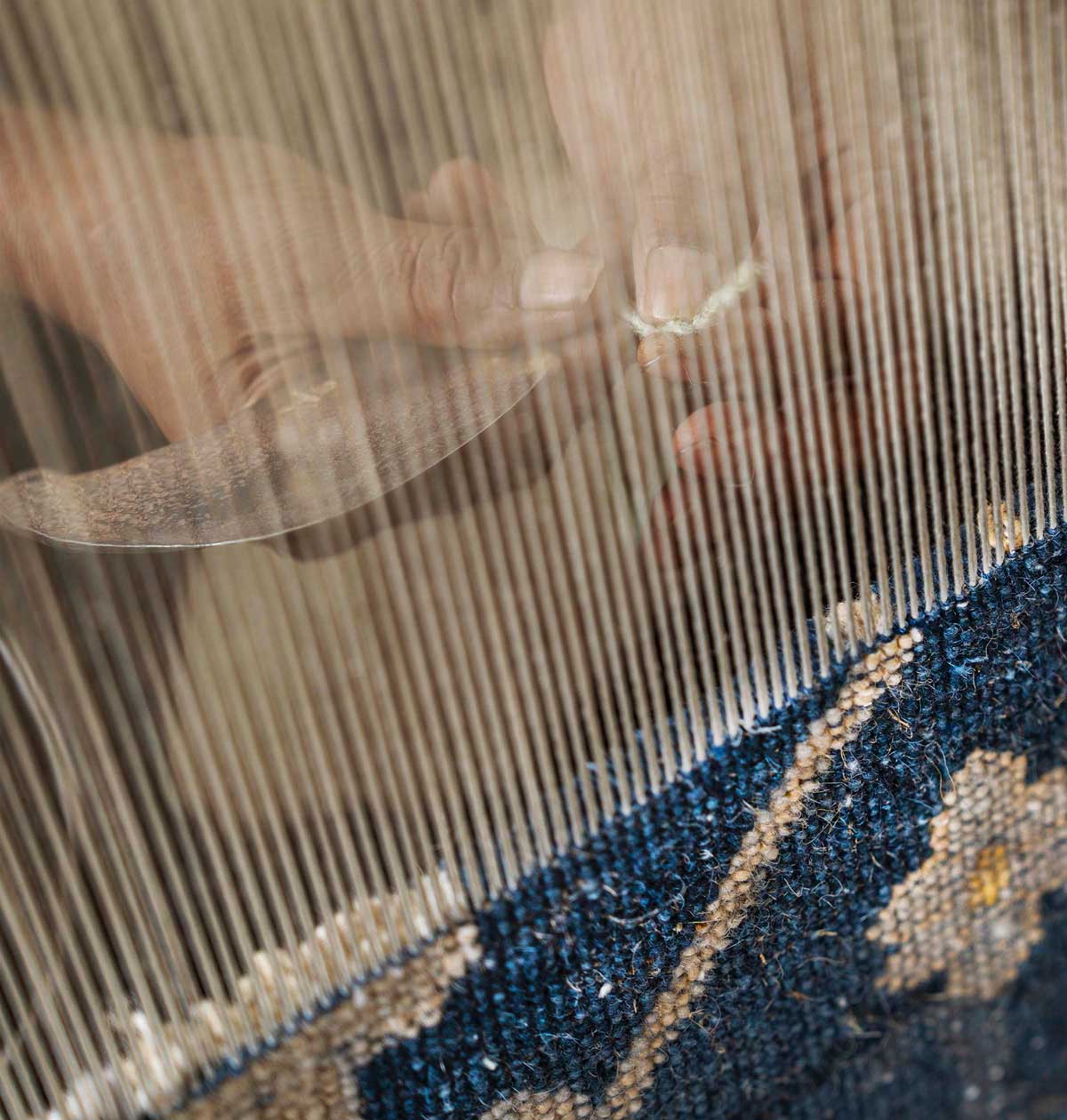
Handmade Carpets: Simple Care Tips for Everyday Living
A beautiful rug can transform a room, but everyday life often brings dust, spills, furniture marks, and unexpected stains. Without the right care, even a carefully crafted carpet can lose its texture and visual appeal. The good news is that maintaining Handmade Carpets does not require an elaborate cleaning routine. With a few practical habits, you can protect the fibers, preserve the colors, and keep your rug looking its best for years to come. The key is to understand its material, respond to spills correctly, and choose cleaning methods that suit its construction.
1. Understand Your Rug Before Cleaning It
Before reaching for a vacuum cleaner or cleaning solution, identify what your rug is made of and how the artisan constructed it. Different fibers respond differently to moisture, friction, and cleaning products. Therefore, understanding these characteristics helps you avoid accidental damage.
Check the Material and Construction
Wool, silk, cotton, and blended fibers each have distinct care requirements.
-
Wool rugs: Wool offers a resilient, comfortable surface, but excessive moisture and harsh chemicals can damage its fibers.
-
Silk rugs: Silk has a delicate texture and distinctive sheen. Gentle handling and specialist cleaning often provide the safest approach.
-
Cotton rugs: Cotton may appear in the pile or foundation. Check the manufacturer's instructions before washing, as some constructions can shrink or lose their shape.
-
Blended-fiber rugs: Mixed materials may require a cleaning method suited to the most delicate component.
Also, determine whether your rug uses hand-knotted, hand-woven, or another construction technique. These methods create different structures, so one cleaning approach will not suit every piece.
If you are unsure about the material, contact the seller or a professional rug cleaner before attempting a deep clean.
Follow the Manufacturer's Care Instructions
Keep any care information that accompanies your purchase. It can help you identify suitable vacuum settings, cleaning products, and professional services.
If you own a particularly delicate or antique rug, avoid experimenting with household remedies. A cautious approach can prevent unnecessary color bleeding, fiber damage, or distortion.
For additional background on choosing a rug that suits your home and lifestyle, read our guide to what makes handmade carpets worth the investment.
2. Vacuum Regularly Without Damaging the Fibers
Dust, hair, and everyday debris gradually accumulate in carpet fibers. Regular vacuuming removes this material before it becomes embedded in the pile. However, the right technique matters just as much as frequency.
Choose a Suitable Vacuum Setting
For many rugs, gentle suction provides an effective way to remove surface dirt. If your vacuum has adjustable settings, select one that suits the rug's construction.
Avoid aggressive rotating brush bars on delicate, looped, fringed, or high-pile rugs unless the manufacturer confirms that they are suitable. These mechanisms can pull at fibers, loosen threads, or damage decorative details.
Instead, use a suitable attachment and move slowly across the surface. Vacuum in the direction of the pile when practical, and avoid repeatedly dragging the machine over the same area.
How Often Should You Vacuum?
Your cleaning schedule should reflect how much activity the room receives.
-
Busy living rooms: Vacuum once or twice a week, adjusting as needed.
-
Bedrooms and quieter spaces: Weekly or less frequent cleaning may be sufficient.
-
Homes with pets: Remove hair and debris more frequently.
-
Low-traffic decorative areas: Vacuum when dust becomes noticeable.
These are starting points rather than strict rules. Check your rug's care instructions, especially if it contains delicate fibers or has a loose pile.
3. Remove Spills Quickly and Carefully
Accidental spills happen in every household. Coffee, tea, food, and drinks can leave marks if they penetrate the fibers. Acting promptly helps limit the damage.
Blot Instead of Rubbing
When a spill occurs, follow these steps:
-
Remove any solid material carefully with a spoon or blunt edge.
-
Use a clean, absorbent white cloth to blot the liquid.
-
Work from the outside of the spill toward the center to limit spreading.
-
Continue blotting with a fresh section of cloth as the liquid transfers.
-
Allow the area to dry according to the rug's care instructions.
Do not scrub vigorously. Rubbing can push a stain deeper into the fibers and disturb the pile.
Likewise, avoid pouring large amounts of water onto the rug. Excess moisture can affect the foundation, encourage mildew, or cause dyes to migrate.
Use Cleaning Products With Caution
Household detergents, bleach, and strong stain removers may alter the rug's color or texture. Even products marketed for carpets may not suit every handmade textile.
Before applying any approved cleaning product, test it on a small, inconspicuous area and follow the manufacturer's directions. If the rug contains silk, unstable dyes, or antique materials, seek professional advice first.
For more detailed guidance on household textile care, consult the WoolSafe consumer advice and carpet care resources.
4. Protect Your Rug From Sunlight and Furniture Marks
Cleaning is only one part of carpet maintenance. The room's environment and furniture placement can also affect the rug's appearance over time.
Limit Direct Sunlight
Strong sunlight can gradually fade dyes, particularly when the same section of a rug receives direct exposure every day.
To reduce uneven fading:
-
Use curtains or blinds during periods of intense sunlight.
-
Move the rug occasionally if the room layout allows.
-
Avoid leaving one section exposed to direct sunlight for extended periods.
-
Consider the direction of natural light when choosing where to place the rug.
Rotating the rug periodically can help distribute exposure more evenly. However, rotation cannot reverse fading that has already occurred.
Prevent Furniture Indentations
Heavy furniture can compress carpet fibers and leave visible marks. To reduce this effect, use suitable furniture pads and reposition furniture slightly when practical.
If indentations appear, avoid aggressively brushing or pulling the fibers. Follow the rug manufacturer's recommendations for restoring the pile. Delicate constructions may require assistance from a rug-care professional.
A well-planned furniture arrangement also helps distribute foot traffic and reduces concentrated wear.
5. Rotate Your Rug and Manage Everyday Foot Traffic
Certain areas of a room naturally receive more activity than others. Doorways, sofa entrances, and paths between furniture can develop uneven wear.
Rotating your rug by 180 degrees every six to twelve months can help distribute traffic and sunlight exposure. However, the ideal interval depends on the room and the rug's condition.
Before rotating it, check the floor underneath for grit or moisture. Clean the floor and rug backing as appropriate, then reposition the rug carefully.
Use a Suitable Rug Pad
A compatible rug pad can help reduce movement, improve underfoot comfort, and limit friction between the rug and the floor.
Choose a pad designed for your flooring type. Some materials can discolor wood, react with floor finishes, or trap moisture. Check compatibility before installation.
A rug pad also helps keep the carpet in position, reducing bunching and the risk of slipping. This is particularly useful in frequently used living spaces.
6. Know When Your Rug Needs Professional Cleaning
Routine vacuuming and prompt spill treatment can manage everyday dirt, but they cannot remove every type of contamination. Over time, oils, deeply embedded dust, and persistent stains may require specialist treatment.
Signs That Professional Care May Help
Consider consulting a rug-cleaning specialist when you notice:
-
Persistent stains that do not respond to appropriate spot treatment.
-
Lingering odors despite regular maintenance.
-
Significant soil buildup within the pile.
-
Color transfer or bleeding after a spill.
-
Fraying edges, loose knots, or damaged fringes.
Choose a professional who understands handmade and hand-knotted rugs. Ask about their cleaning process, experience with your rug's fibers, and approach to testing dyes.
Avoid unnecessary deep cleaning. The appropriate schedule depends on how frequently you use the rug, its material, and the amount of dirt it collects.
7. Store Handmade Rugs the Right Way
If you need to store a rug during a move or renovation, prepare it carefully. Improper storage can lead to creases, moisture damage, odors, and pest problems.
First, clean the rug appropriately and ensure it is completely dry. Then follow the manufacturer's guidance on rolling and wrapping it. In general, rolling is preferable to folding for many rugs because sharp folds can create lasting creases.
Store the rolled rug in a clean, dry, well-ventilated location away from direct sunlight. Avoid damp basements, leaking areas, and places with significant temperature fluctuations.
Check the rug periodically for signs of moisture or pests. If the piece is particularly valuable, antique, or fragile, ask a professional about suitable storage materials and methods.
Keep Your Handmade Carpet Looking Its Best
Caring for Handmade Carpets starts with understanding their materials and respecting the craftsmanship behind them. Regular vacuuming, careful spill removal, sensible furniture placement, and appropriate professional cleaning can help maintain their appearance without exposing delicate fibers to unnecessary risks.
Most importantly, adapt your routine to the rug rather than relying on a single cleaning method for every carpet. With consistent care, you can continue enjoying its texture, colors, and design as part of your everyday living space.
If you are exploring a new rug for your home, visit Handmade Carpets to discover handcrafted designs. You can also browse the modern rug collection for styles that complement contemporary interiors.
Frequently Asked Questions
1. How often should I clean a handmade carpet?
Vacuum regularly according to foot traffic, typically once or twice a week in busy rooms. Deep cleaning depends on the material, usage, and manufacturer's recommendations.
2. Can I use a regular vacuum on a handmade rug?
Yes, if the vacuum setting suits the rug's construction. Use gentle suction and avoid aggressive rotating brushes on delicate fibers, fringes, or loose pile.
3. How do I remove a stain from a handmade carpet?
Blot the spill promptly with a clean, absorbent cloth. Avoid rubbing, excessive water, and harsh chemicals. Consult a professional for delicate fibers or stubborn stains.
4. Can handmade wool rugs get wet?
Small amounts of moisture may be manageable when treated correctly, but excessive water can damage the rug or cause dye bleeding. Blot spills promptly and follow the care instructions.
5. How can I prevent my handmade rug from fading?
Limit prolonged direct sunlight, use curtains or blinds, and rotate the rug periodically when practical. These steps help reduce uneven fading but cannot reverse existing color loss.