


Handmade Carpets: Wool, Silk, or Cotton—Which Is Right?
Choosing a handmade carpet involves more than finding a pattern or color that matches your interior. The material also affects how the rug feels underfoot, how it handles everyday use, how much care it needs, and where it works best. Wool, silk, and cotton each offer distinct advantages, so the right choice depends on your room, lifestyle, and expectations.
When comparing handmade carpets, start by thinking about how you use the space. A busy living room needs different qualities from a quiet bedroom or a decorative sitting area. Understanding the strengths and limitations of each fiber will help you choose a carpet that looks beautiful and fits your daily routine.
1. Wool Handmade Carpets: Comfort and Everyday Practicality
Wool is a popular choice for handmade rugs because it combines softness, resilience, and a naturally textured appearance. It suits homes where comfort matters just as much as visual appeal.
Why choose wool?
Wool fibers have a natural crimp that gives them a springy feel. This helps a wool carpet recover from everyday foot traffic and maintain its texture with appropriate care. Wool also provides a comfortable surface in cooler rooms and works well with a wide range of interior styles.
Key benefits include:
-
Comfort: Wool feels soft and warm underfoot, making it suitable for living rooms and bedrooms.
-
Resilience: Its natural elasticity helps the pile bounce back after compression.
-
Versatility: Wool works with traditional motifs, contemporary patterns, and understated neutral designs.
-
Everyday suitability: Many wool rugs handle regular household use well when you clean and maintain them properly.
Wool also has a naturally textured look that adds depth to a room. Depending on the weave, it can create anything from a rustic, relaxed finish to a refined, detailed pattern.
What should you consider?
Wool is not completely stain-proof. Spills can leave marks if you allow them to settle, and aggressive cleaning can damage the fibers or affect the dyes. Some wool rugs may also shed loose fibers, particularly when new.
For households with children, pets, or frequent visitors, wool can be a practical option. However, choose a suitable construction and follow the manufacturer's care instructions. For more guidance, explore these simple care tips for handmade carpets.
2. Silk Handmade Carpets: Fine Detail and a Luxurious Finish
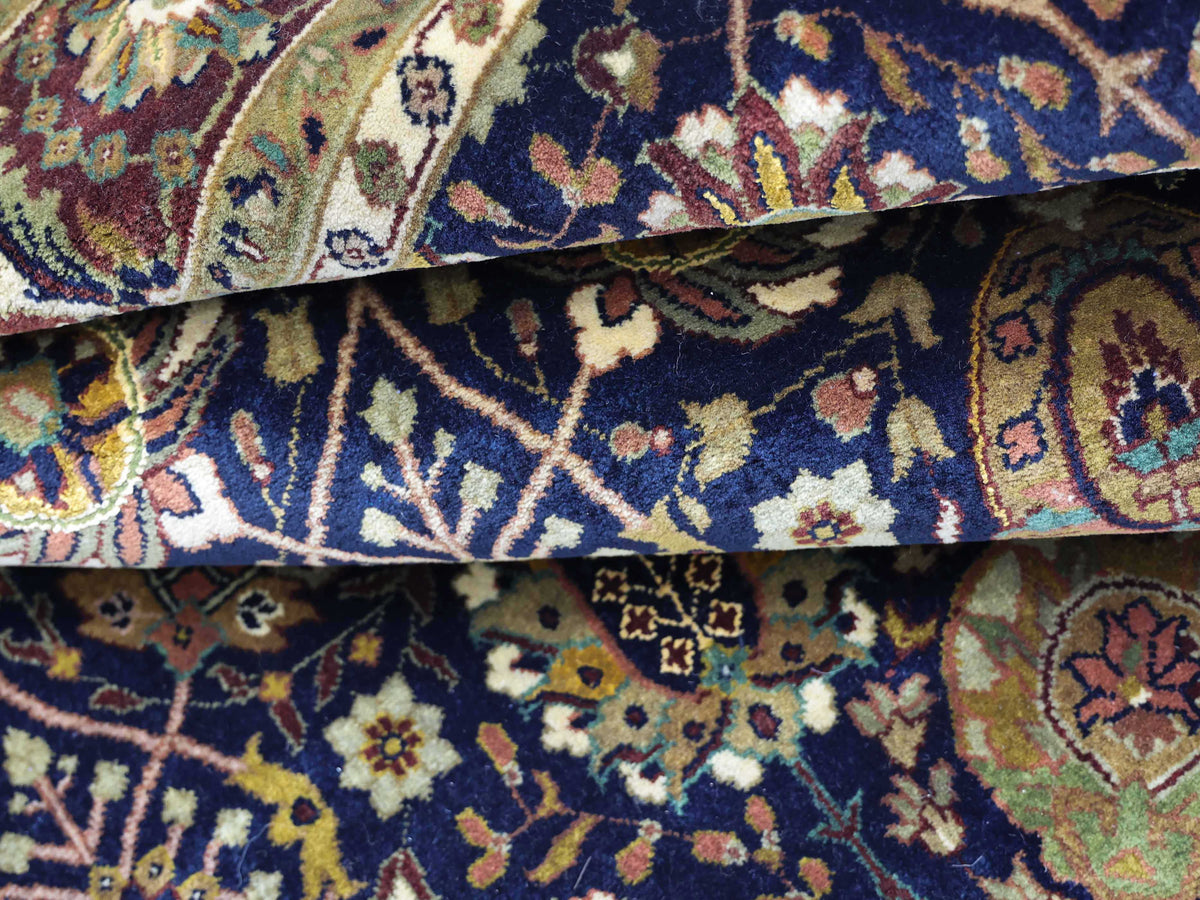
Silk offers a different experience from wool. Its fine fibers create a smooth surface and a distinctive sheen that changes with the direction of the light. Artisans can use silk to produce intricate patterns, subtle color variations, and delicate details.
Why choose silk?
Silk is especially appealing when the carpet serves as a visual focal point. Its fine texture allows intricate designs to stand out, while its natural luster gives colors a sense of depth.
Consider silk if you want:
-
A refined appearance: Silk adds a subtle shine that can elevate a formal or carefully styled room.
-
Detailed patterns: Fine fibers can help artisans create intricate motifs and precise visual elements.
-
A smooth texture: Silk feels notably different from the more textured surface of wool.
-
Decorative impact: A silk carpet can anchor a room without relying on bold colors.
Silk can work beautifully in a formal sitting room, a low-traffic bedroom, or a space where the carpet receives attention rather than constant use.
What should you consider?
Silk generally requires more careful handling than wool. Its delicate surface can suffer from abrasion, and improper cleaning may damage the fibers or alter the appearance. Heavy furniture, frequent foot traffic, and spills can also create challenges.
For these reasons, consider the carpet's placement before choosing silk. A busy family room or frequently used hallway may expose it to more wear than you would prefer.
Silk is not automatically the right choice simply because it looks luxurious. Its suitability depends on the quality of the carpet, the construction, and how you intend to use it.
3. Cotton Handmade Carpets: A Relaxed and Lightweight Option
Cotton offers a different set of advantages. It is generally lighter than a thick wool rug and often creates a more casual, relaxed look. Depending on the construction, cotton carpets can feel flexible and relatively easy to move.
Why choose cotton?
Cotton suits spaces where you want a simple, comfortable surface without the substantial feel of a dense wool carpet. It can complement casual interiors, minimalist rooms, and homes with a light, airy aesthetic.
Its main advantages include:
-
Lightweight construction: Many cotton rugs are easier to move, lift, or reposition.
-
Casual styling: Cotton works well with simple patterns, relaxed colors, and understated interiors.
-
Versatility: It can suit bedrooms, reading corners, and selected low- to moderate-traffic spaces.
-
Flexible design: Cotton can appear in flatweaves and other constructions with different textures and levels of thickness.
Cotton may also appeal to people who prefer a less formal look. A flatwoven cotton rug, for example, can add color and definition without creating a thick, plush surface.
What should you consider?
Cotton does not offer the same natural spring as wool. Depending on the weave, it may flatten, wrinkle, or show wear in frequently used areas. Cotton can also absorb spills, so quick attention matters.
Do not assume every cotton rug is machine washable. Handmade carpets may use dyes, backing materials, or construction methods that require specialist care. Always check the care instructions before washing or applying a cleaning product.
4. Wool vs. Silk vs. Cotton: How to Compare the Fibers
The best material depends on the qualities you value most. Rather than choosing based on appearance alone, compare how each fiber fits your room and routine.
Match the material to your lifestyle
Choose wool if you want a comfortable, versatile carpet for everyday spaces. It offers a balance of softness, resilience, and visual warmth.
Choose silk if you prioritize fine detail, a smooth surface, and a luminous finish. It tends to suit decorative areas where you can protect it from heavy use.
Choose cotton if you prefer a lightweight, casual rug. It can work well in relaxed spaces, especially when you select a construction suited to the amount of foot traffic.
Your household also matters. Pets, children, frequent entertaining, and outdoor access can all affect how much wear a carpet receives. A material that works well in a guest bedroom may not be ideal for an entrance.
Consider construction as well as fiber
Fiber alone does not determine a carpet's performance. Weave, knotting, pile height, density, finishing, and dye quality also influence how a rug feels and wears.
For example, a dense wool carpet may feel very different from a loosely woven wool rug. Similarly, a flatwoven cotton carpet has a different profile from a thick-pile design.
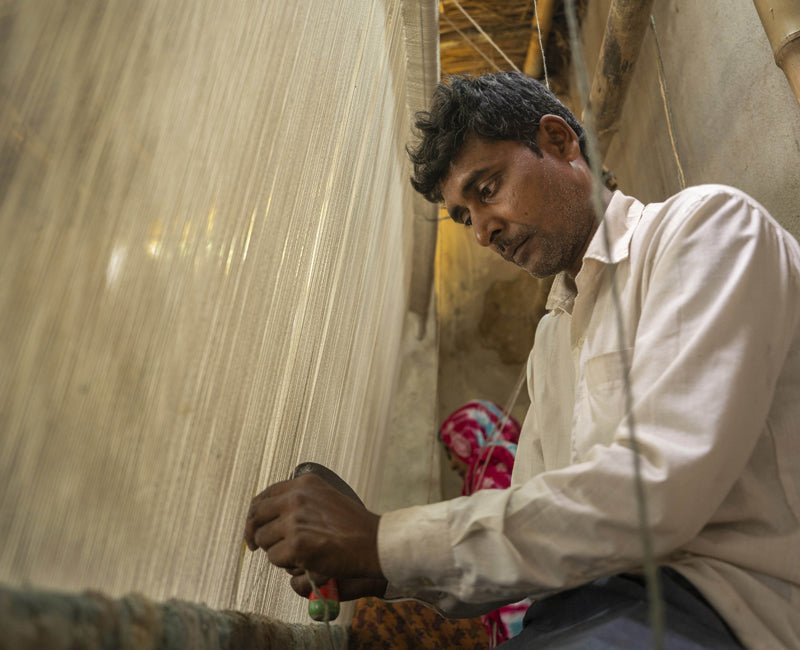
Handmade carpets also vary in craftsmanship and origin. Learn more about what makes handmade carpets worth the investment before making your selection.
5. How to Choose the Right Carpet for Each Room
Think about the room's purpose, the amount of traffic, and the atmosphere you want to create.
Living room
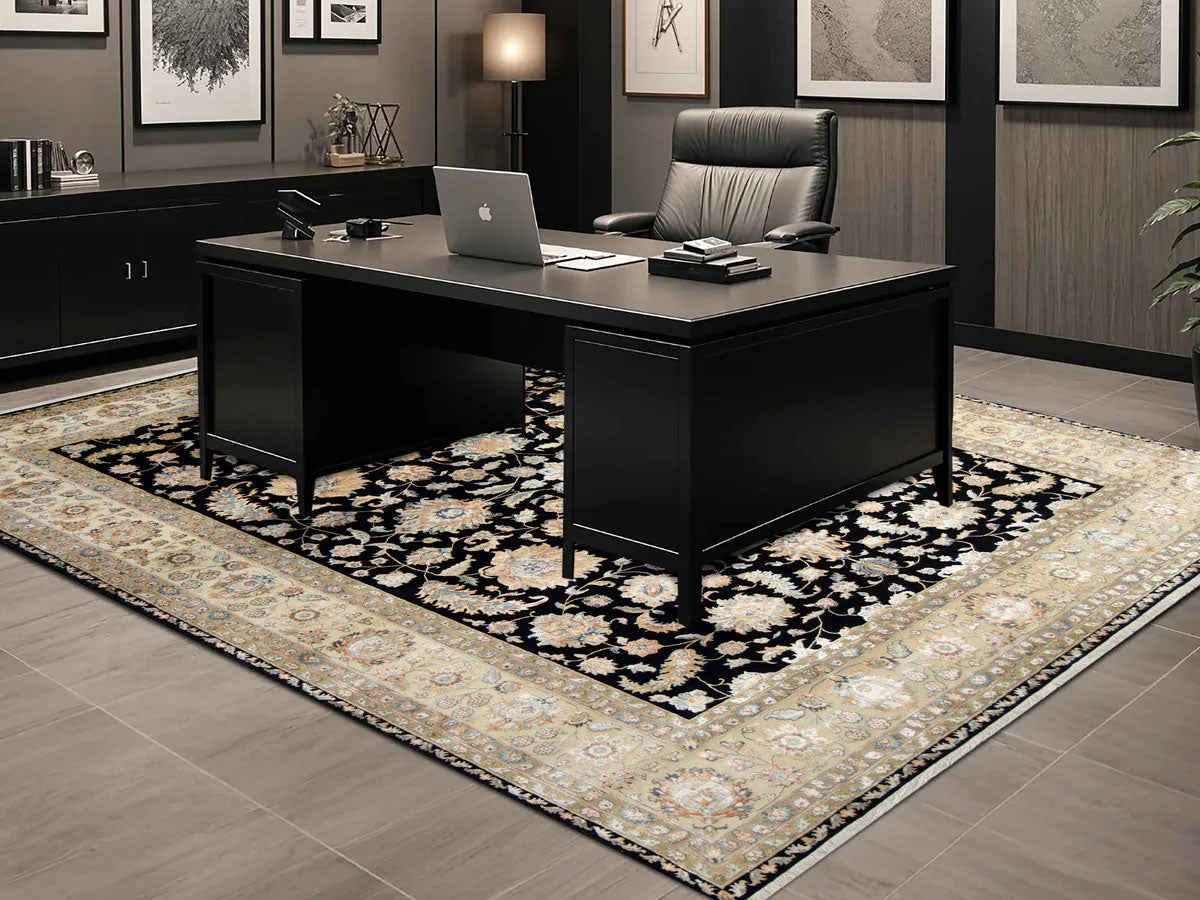
Wool is often a practical starting point for a living room because it combines comfort with resilience. Select a size that brings the seating area together, and choose a pattern that works with your furniture and flooring.
Silk may suit a formal living room with limited traffic, while cotton can work in a casual space where a lighter rug fits the overall design.
Bedroom
A bedroom usually benefits from a soft, comfortable surface. Wool can provide warmth beside the bed, while cotton offers a lighter feel. Silk can add a refined touch in a bedroom where the rug will receive gentle use.
Dining room
Dining areas expose carpets to food spills, chair movement, and regular traffic. Consider a wool rug with a construction and pattern that suit the space, and make sure the chairs can move without catching on the edges.
Silk may be less practical beneath a frequently used dining table. Cotton can work in some dining spaces, but consider its absorbency and cleaning requirements.
Hallway or entrance
Entrances often collect grit and dirt, so durability and maintenance should guide your decision. A suitable wool rug may handle regular use, but the right construction matters. Use a properly sized rug pad where appropriate, and clean away dirt before it becomes embedded.
For further background on traditional carpet-making and design, see this overview of the Persian carpet from Encyclopaedia Britannica.
6. Care Tips for Wool, Silk, and Cotton Carpets
Every handmade carpet benefits from regular, gentle maintenance. However, each fiber has specific needs.
-
Wool: Vacuum gently and address spills promptly. Avoid excessive moisture and harsh cleaning chemicals.
-
Silk: Minimize abrasion and avoid experimenting with household stain removers. Seek professional advice when stains or damage require treatment.
-
Cotton: Check the care label before washing. Blot spills quickly and avoid assuming that a handmade cotton rug is machine washable.
For all three materials, rotate the rug periodically if its placement allows. This can help distribute wear and sunlight exposure more evenly. Use a suitable rug pad to reduce movement, and keep the carpet away from prolonged direct sunlight when possible.
When a spill occurs, blot rather than rub. Rubbing can push the substance deeper into the fibers or distort the surface. For valuable or delicate rugs, consult a specialist cleaner who understands handmade textiles.
Frequently Asked Questions
1. Is wool, silk, or cotton best for a handmade carpet?
It depends on your needs. Wool offers a balance of comfort and everyday practicality, silk suits decorative spaces that need fine detail, and cotton provides a lighter, more casual option.
2. Are wool handmade carpets suitable for living rooms?
Yes. Wool is often a suitable choice for living rooms because it feels comfortable and has natural resilience. Choose a construction that matches your household's level of activity.
3. Are silk carpets suitable for everyday use?
Silk can be used in a home, but it generally needs more protection from heavy traffic, abrasion, and spills. Consider placing it in a lower-traffic area.
4. Are cotton handmade carpets easy to clean?
Cleaning depends on the rug's weave, dyes, and construction. Cotton can absorb spills, and not every handmade cotton carpet is washable. Follow its specific care instructions.
5. Can a handmade carpet contain both wool and silk?
Yes. Some handmade carpets combine fibers to balance texture, appearance, and design. Check the product details to understand which fibers the artisan used and how to care for the finished rug.
Find a Handmade Carpet That Fits Your Home
The right carpet should suit both your interior and the way you live. Wool offers comfort and versatility, silk brings refined detail, and cotton creates a lighter, more relaxed feel. Once you understand these differences, you can focus on the weave, design, size, and craftsmanship that best match your space.
Explore the collections at Hand Made Carpets to discover designs that reflect your style and practical needs. Take your time comparing materials, and choose a handmade carpet you can enjoy for years with the right care.