

Handmade Carpets: What Makes Them Worth the Investment?
Choosing a rug for your home involves more than finding a color or pattern that matches your furniture. You want something that feels comfortable, complements your interior, and retains its appeal over time. However, with so many options available, deciding whether a handcrafted rug justifies its cost can be challenging. Handmade Carpets offer a distinctive combination of skilled craftsmanship, carefully selected materials, and individual character that machine-made alternatives may not provide. Understanding these qualities can help you make a more informed decision and choose a rug that suits your home, lifestyle, and long-term expectations.
What Makes Handmade Carpets Different?
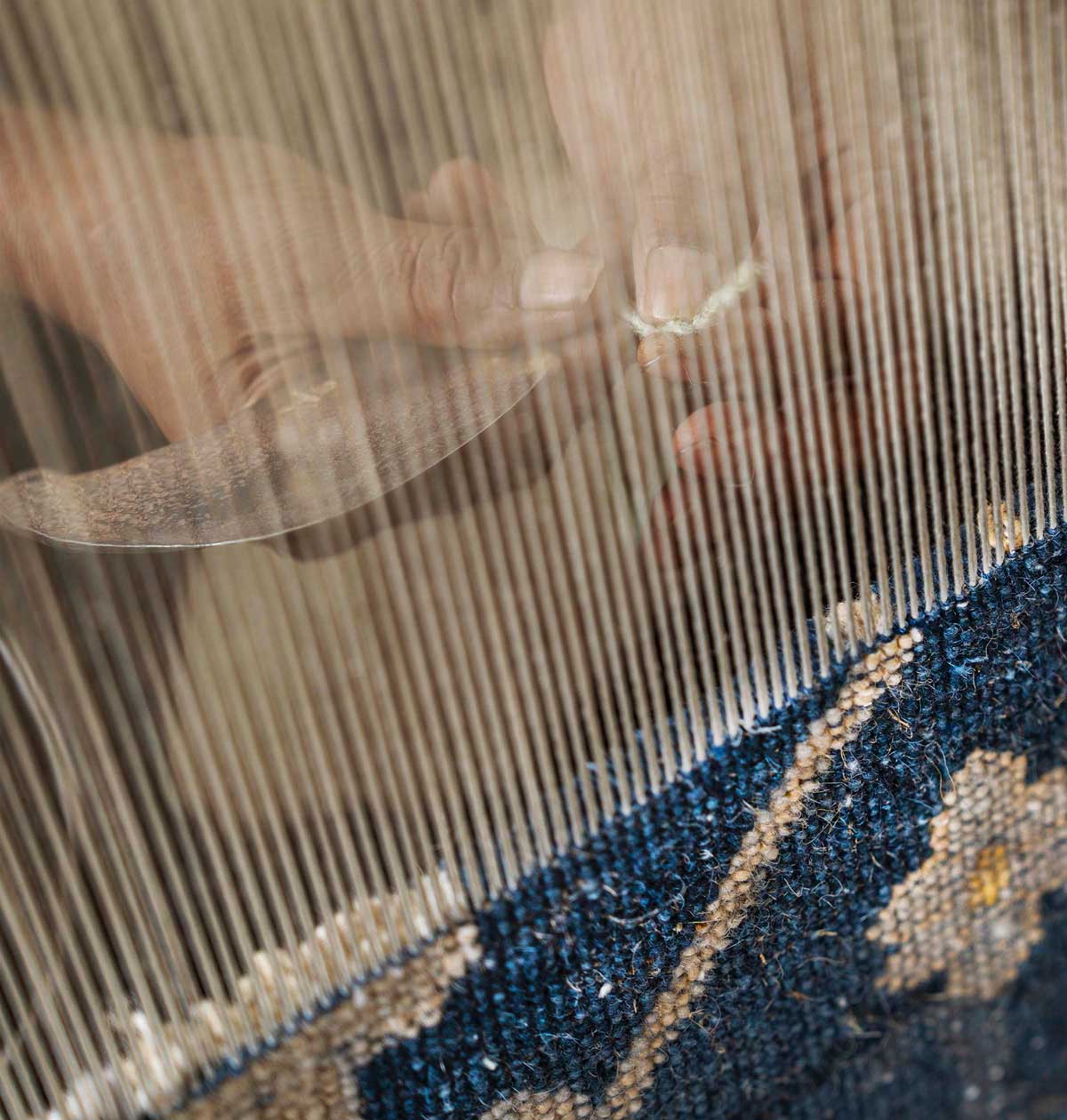
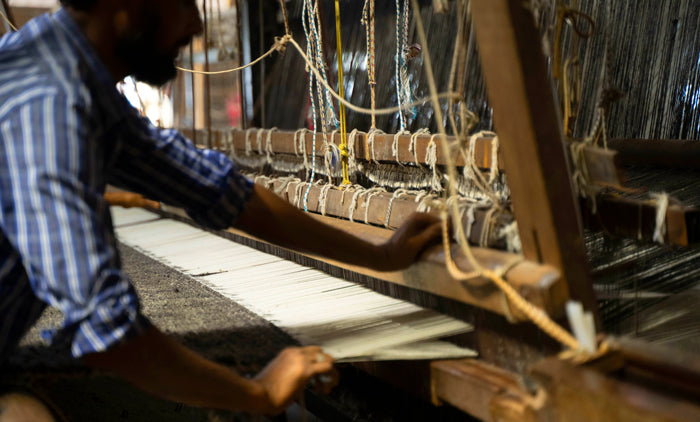
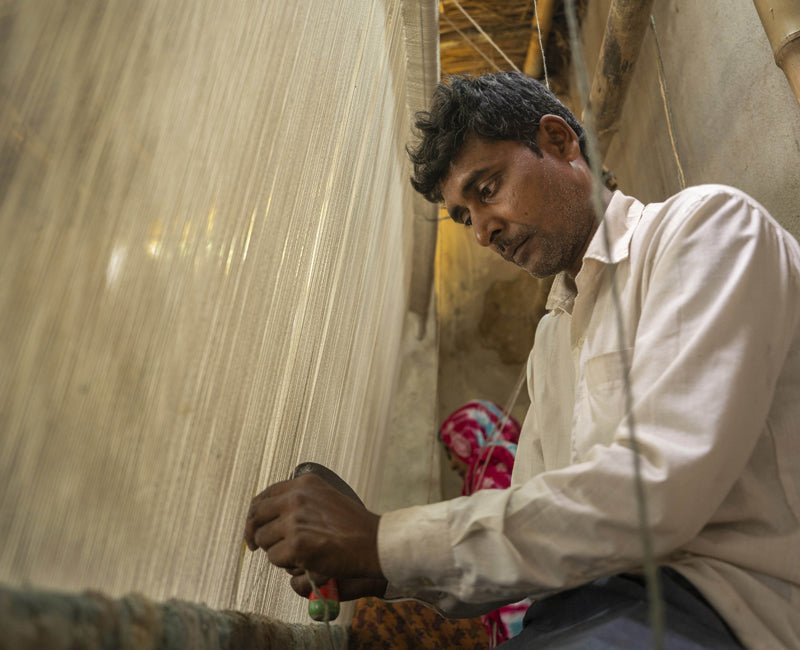
The most important difference lies in how artisans create each piece. Rather than relying entirely on automated production, traditional rug-making techniques involve skilled hands, specialized tools, and considerable attention to detail.
The Value of Traditional Craftsmanship
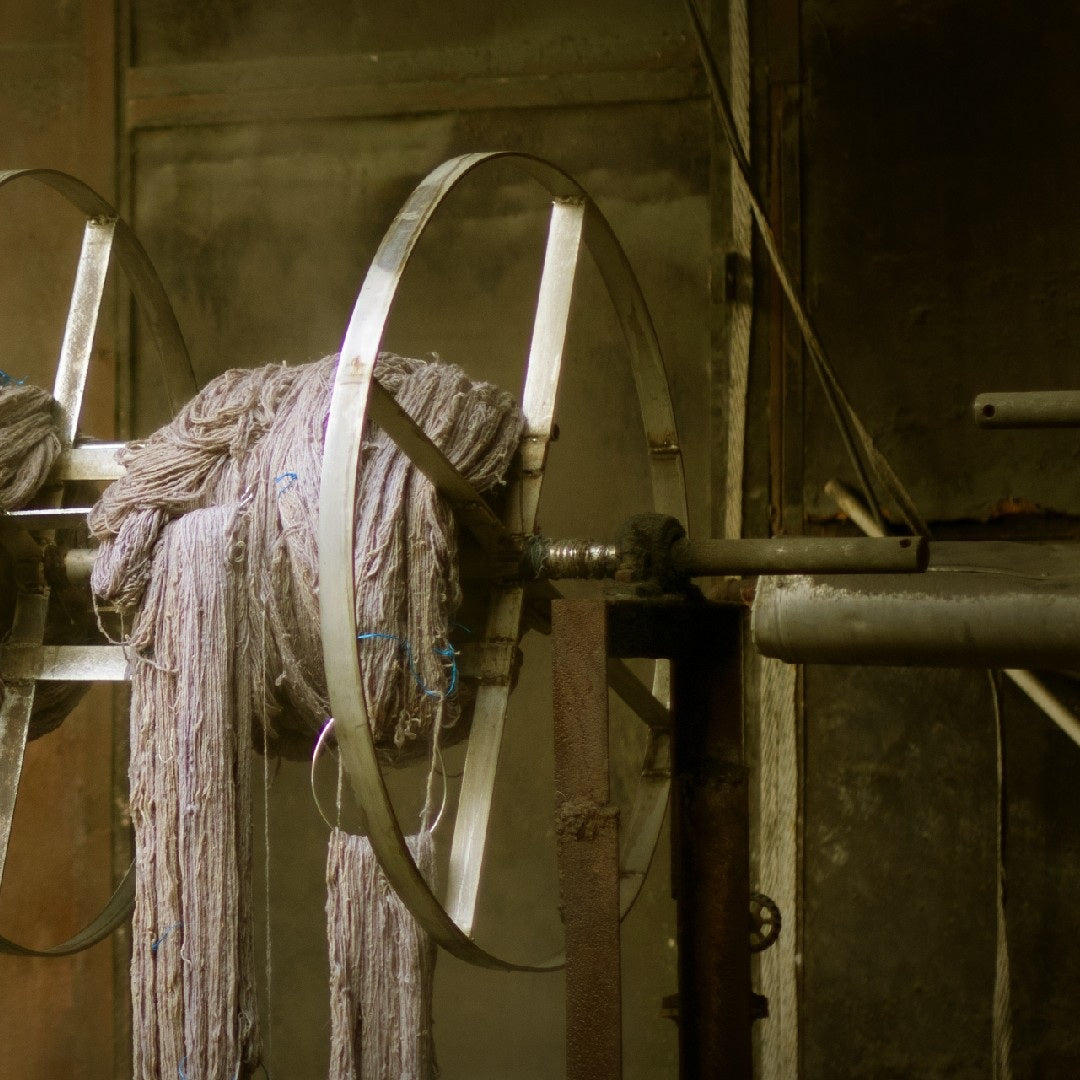
Handmade rugs reflect techniques that artisans have developed and refined across generations. Depending on the construction method, a craftsperson may tie individual knots, weave yarns together, or use other traditional processes to create the finished textile.
This hands-on approach gives each rug its own characteristics. Small variations in pattern alignment, texture, and color can occur naturally. Rather than indicating poor workmanship, these differences often reflect the individual nature of handcrafted production.
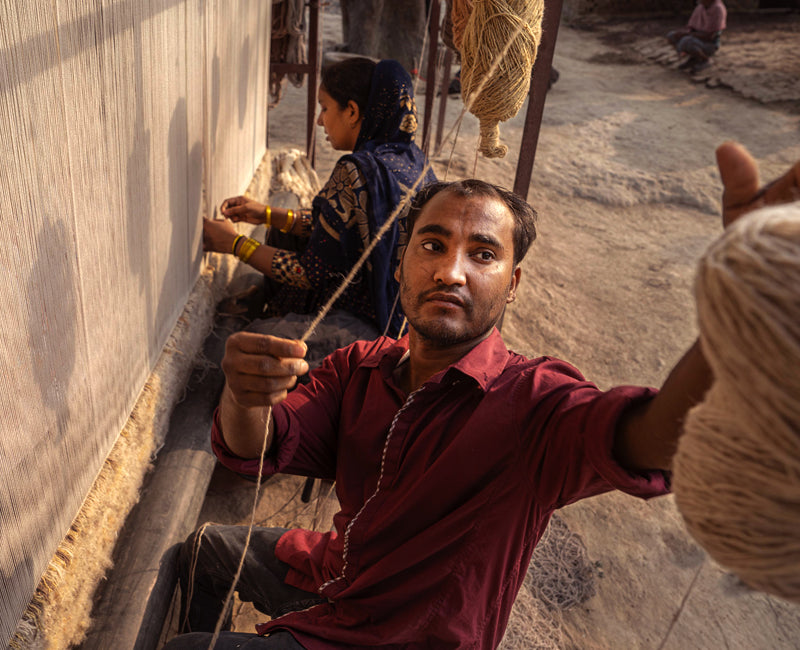
At Handmade Carpets, this connection between craftsmanship and cultural heritage forms an important part of the brand's identity. The company works with artisans across India, including communities in West Bengal, Jharkhand, and Uttar Pradesh.
You can learn more about this approach through the brand's story and commitment to traditional craftsmanship.
Individual Character in Every Piece
Machine-made rugs can reproduce designs with remarkable consistency. Handcrafted rugs, however, often display subtle differences that make each piece distinctive.
These variations can include:
-
Slight differences in the spacing of motifs.
-
Natural changes in yarn texture.
-
Small variations in color and pattern.
-
Individual details created during the weaving process.
Consequently, a handcrafted rug can bring a sense of individuality to a room. It becomes more than a floor covering; it contributes texture, visual interest, and a connection to the people who made it.
Are Handmade Carpets Worth the Investment?
Whether a handcrafted rug represents good value depends on your priorities, budget, and expectations. The initial purchase cost matters, but so do construction quality, material suitability, maintenance requirements, and how well the rug fits your space.
Long-Term Use and Durability
A well-made rug can serve a household for many years when its construction suits the environment and the owner maintains it properly. However, handmade construction alone does not guarantee exceptional durability.
Several factors influence how a rug performs over time:
-
Material quality: Wool, silk, cotton, and other fibers have different strengths, textures, and care requirements.
-
Construction: Knotting, weaving techniques, and finishing affect the rug's structure.
-
Intended use: A rug in a busy hallway faces different demands from one in a quiet bedroom.
-
Maintenance: Regular cleaning and prompt attention to spills help prevent avoidable damage.
For example, a tightly constructed wool rug may suit a frequently used living room, while a delicate silk rug may work better in a space with lighter foot traffic.
Therefore, evaluate the actual construction and intended use rather than assuming every handmade piece offers the same lifespan.
Cost Per Year of Use
Looking beyond the initial price can help you assess a rug's practical value. Consider how long you expect to use it and how much maintenance it requires.
For a simple comparison, divide the purchase price by the number of years you expect to enjoy the rug. This gives you an estimated annual ownership cost, although it does not include cleaning, repairs, or changes in resale value.
For instance, a rug that remains suitable for your home for many years may provide satisfying value even if its initial price exceeds that of a less expensive alternative.
Still, longevity is not guaranteed. A rug exposed to excessive sunlight, moisture, heavy wear, or unsuitable cleaning products may deteriorate sooner than expected.
The goal is to choose a piece whose quality and care requirements align with your circumstances.
Craftsmanship and Cultural Heritage
A handcrafted rug also carries value beyond its practical function. Its patterns, materials, and construction can reflect the traditions of the community in which artisans produced it.
Persian carpets, for example, have a long history of distinctive designs and regional weaving traditions. The Encyclopaedia Britannica overview of Persian carpets provides useful historical context for understanding this craft.
Indian handmade rugs likewise draw on diverse artistic traditions and regional expertise. Their designs may incorporate floral motifs, geometric arrangements, traditional medallions, or contemporary interpretations.
For buyers who appreciate the story behind an object, this connection to craftsmanship can make a rug especially meaningful.
How Materials Influence Quality and Everyday Comfort
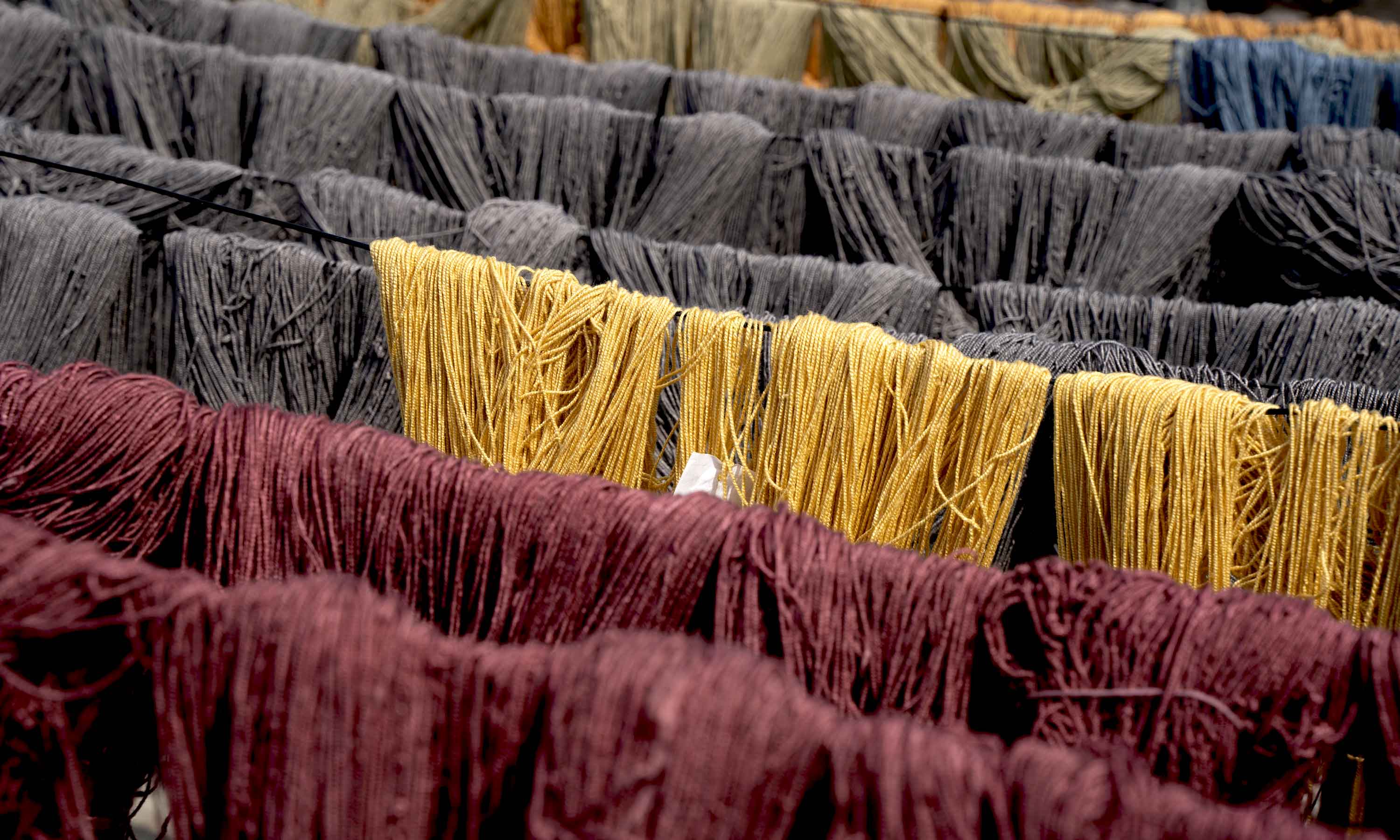
The fiber used in a rug affects its appearance, feel, maintenance, and suitability for different rooms. Understanding these differences helps you choose a piece that meets your practical needs.
Wool: A Versatile Choice for Everyday Living
Wool remains a popular material for handcrafted rugs because it offers a comfortable texture and natural resilience. Its fibers can recover from some compression, making wool rugs suitable for many living spaces.
Wool also provides a rich surface that works well with traditional and contemporary designs. Depending on the yarn and weaving technique, the finished rug may feel plush, firm, or subtly textured.
However, wool still requires appropriate care. Dirt can accumulate within its fibers, and aggressive cleaning may cause damage. Follow the manufacturer's care instructions, particularly when dealing with spills.
Silk: Fine Detail and a Distinctive Finish
Silk can produce a smooth surface and a subtle sheen that highlights intricate patterns. Artisans may use it throughout a rug or combine it with other fibers to emphasize particular design elements.
Because silk can require more delicate handling, consider the rug's placement carefully. A decorative room with limited foot traffic may suit a delicate silk piece better than a busy family entrance.
Cotton and Other Fibers
Cotton often appears in rug foundations or as a component of the finished textile. Its properties differ from those of wool and silk, so the overall construction matters when assessing a rug.
Some handmade rugs also use other natural or blended fibers. Rather than choosing solely by material name, examine the complete composition and ask how it affects cleaning, comfort, and everyday use.
Choosing a Handmade Rug That Suits Your Home
A beautiful rug delivers the greatest practical value when it works with your room's layout, furniture, and daily activities.
Start With the Right Size
Measure your space before choosing a rug. In a living room, a rug should relate comfortably to the seating arrangement. Depending on the layout, you might place the front legs of your sofa and chairs on the rug or select a larger size that accommodates the entire seating group.
For a dining room, allow enough space for chairs to remain on the rug when people pull them away from the table.
In a bedroom, consider whether you want a large rug beneath the bed or smaller rugs alongside it.
Accurate measurements help prevent a common purchasing mistake: choosing a rug that looks attractive online but feels disproportionate once you place it in the room.
Match the Design to Your Interior
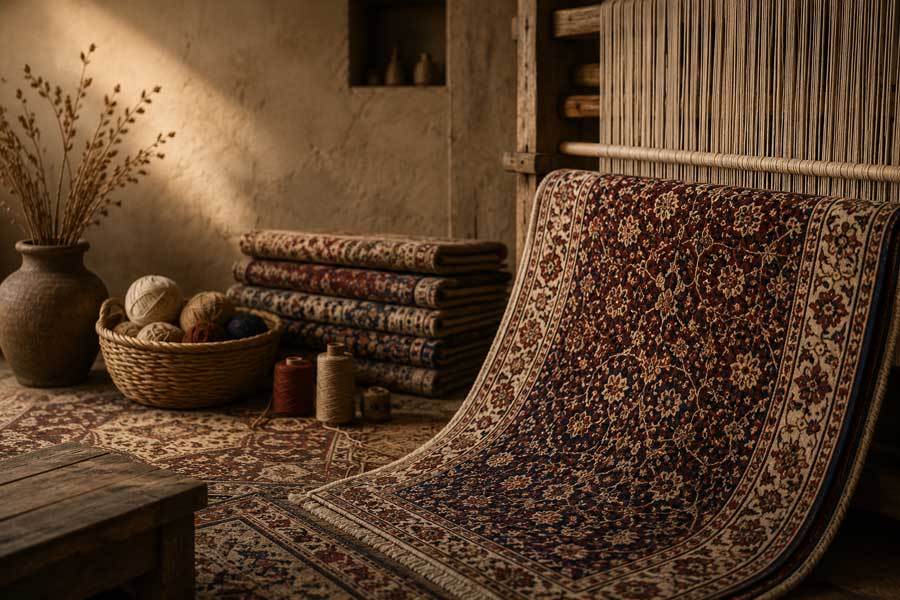
Traditional rugs often feature detailed floral patterns, decorative borders, and central medallions. These designs can add depth to understated interiors or complement rooms with classic furnishings.
Modern rugs may feature abstract forms, restrained palettes, or geometric compositions. They can introduce texture without overwhelming a minimalist space.
When selecting a color, consider the room's existing palette, natural light, and furniture finishes. Neutral rugs can create a calm foundation, while stronger colors can establish a focal point.
You can explore different styles and designs through the Handmade Carpets online collection.
Consider Your Lifestyle
Your household's daily routine should influence your decision. Homes with children, pets, or frequent visitors may benefit from practical materials, manageable pile heights, and designs that suit regular use.
Also consider where people enter the room, whether the rug will receive direct sunlight, and how easily you can clean the surrounding area.
A thoughtful choice balances visual appeal with realistic maintenance needs.
Caring for Your Rug to Preserve Its Beauty
Proper maintenance helps protect the appearance and condition of a handcrafted rug. Fortunately, a few consistent habits can make a meaningful difference.
Establish a Simple Cleaning Routine
Vacuum regularly using a setting suitable for the rug's construction. Avoid aggressive beater bars or brushes when the manufacturer recommends gentler treatment.
Rotate the rug periodically to distribute foot traffic and sunlight exposure more evenly. If furniture creates pressure marks, adjust its position occasionally.
For spills, gently blot the affected area with a clean, absorbent cloth. Avoid rubbing, which can push the substance deeper into the fibers or disturb the pile.
Know When to Seek Professional Care
Some stains, odors, and structural problems require specialist attention. Delicate fibers, unstable dyes, and antique pieces deserve particular care.
Before applying a cleaning solution, check the manufacturer's instructions and test any approved product on an inconspicuous area. When in doubt, consult a professional rug cleaner familiar with the material and construction.
These precautions can help you avoid damage caused by unsuitable cleaning methods.
Making a Thoughtful Investment in Handmade Carpets
Ultimately, Handmade Carpets can offer lasting enjoyment through their craftsmanship, distinctive designs, and connection to traditional textile-making. Their value depends on more than the fact that someone made them by hand. Material quality, construction, intended use, and proper maintenance all matter.
Before purchasing, consider how the rug will function in your home, how its design complements your interior, and whether its care requirements suit your lifestyle. Then explore different styles, compare materials, and look closely at the details that distinguish each piece.
If you are ready to discover a rug that reflects your personal taste, explore Handmade Carpets' collections and find a design that feels right for your space.
Frequently Asked Questions
1. Are handmade carpets better than machine-made rugs?
Neither option is automatically better for every home. Handmade rugs offer individual craftsmanship and distinctive character, while machine-made rugs can provide consistent designs and practical affordability. The right choice depends on your budget, preferences, and intended use.
2. How long do handmade carpets last?
Their lifespan varies according to materials, construction, foot traffic, and maintenance. A well-made rug that receives appropriate care can remain in use for many years, but no specific lifespan is guaranteed.
3. Which material is best for a handmade rug?
Wool is a versatile option for many living spaces. Silk offers a refined finish and intricate detail, while cotton serves various roles in rug construction. Choose according to the room, desired texture, and care requirements.
4. Do handmade carpets require special maintenance?
Some do. Regular vacuuming, careful spill treatment, and periodic rotation help maintain many rugs. Delicate fibers, difficult stains, and antique pieces may require professional cleaning.
5. What should I check before buying a handmade carpet?
Examine the materials, construction, dimensions, design, and finishing. Also consider the rug's intended location, maintenance requirements, and the seller's information about its origin and production.