



Handmade Carpets: What to Check Before You Buy a Rug
Buying a handmade rug is an opportunity to bring craftsmanship, texture, and character into your home. However, choosing the right one involves more than finding an attractive pattern. Differences in materials, construction, dimensions, and maintenance can affect how a carpet looks, feels, and performs over time.
Before investing in Handmade Carpets, take time to understand what you are buying. A beautiful design may not suit a busy living room, while a durable rug might feel out of place in a formal interior. By checking a few essential details, you can make a more informed decision and find a carpet that fits both your space and lifestyle.
1. Check the Materials and Fiber Quality
The fiber influences a rug's texture, appearance, durability, and care requirements. Start by checking the material description, especially if you are shopping online.
Wool, silk, or cotton?
Each material offers different benefits.
-
Wool: A versatile option for many living spaces. Wool feels comfortable underfoot and has natural elasticity that helps it recover from everyday compression.
-
Silk: Known for its smooth texture and natural sheen. Silk works particularly well in decorative settings where fine details and a refined appearance matter.
-
Cotton: Often lighter and more casual in appearance. Cotton can suit relaxed interiors, although its performance depends on the weave and construction.
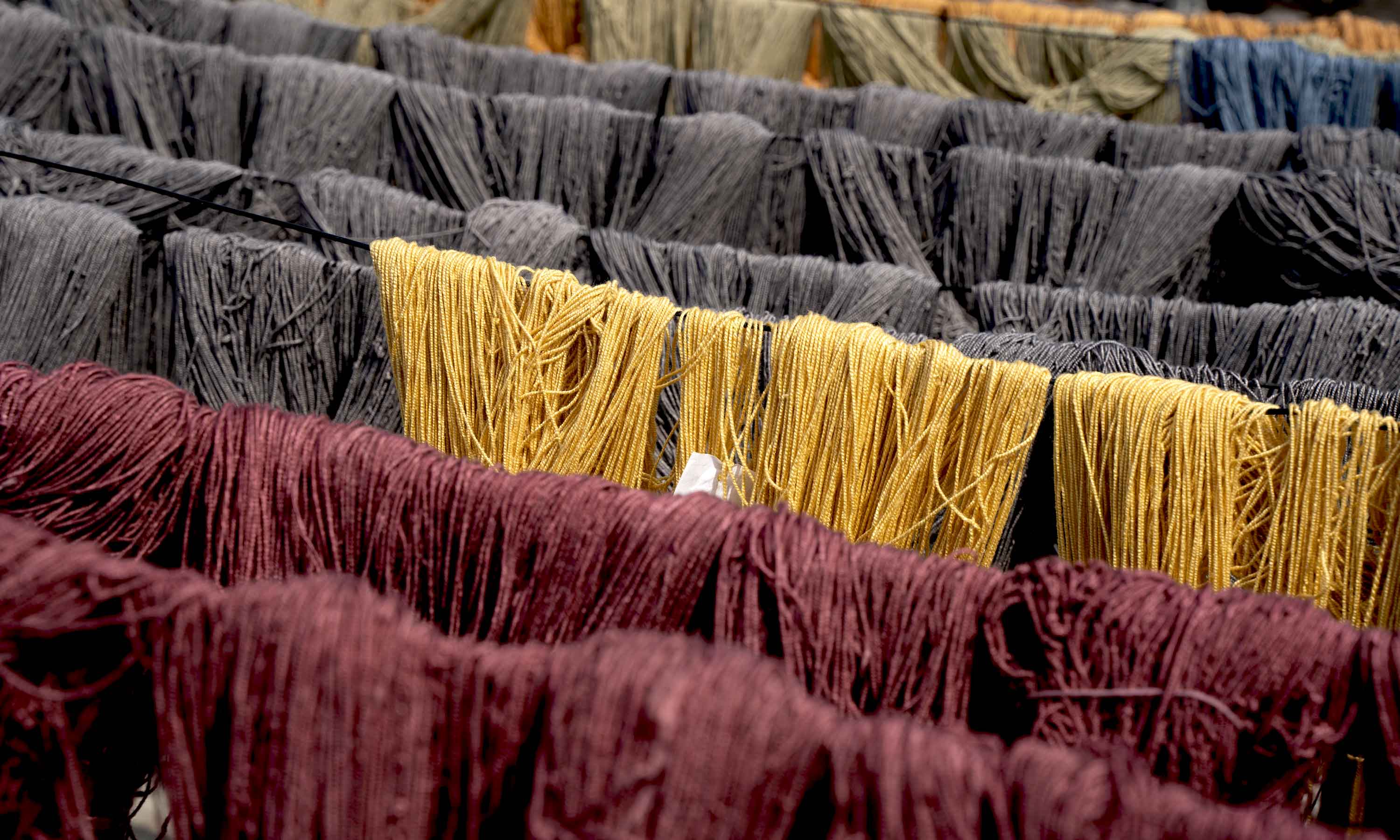
Some handmade rugs combine multiple fibers. For example, a design may use wool for its main structure and silk to highlight decorative details. Check the product description to understand which fibers appear in the pile and whether the rug contains other materials.
Look beyond the material name
Fiber quality can vary, so do not assume that every wool or silk carpet performs the same way. Ask about the yarn, texture, construction, and intended use.
For a closer comparison, read this guide to choosing between wool, silk, and cotton handmade carpets.
2. Understand How the Carpet Is Made
The term “handmade” covers several construction methods. Understanding the difference helps you assess the rug's characteristics rather than relying on its label alone.
Hand-knotted carpets
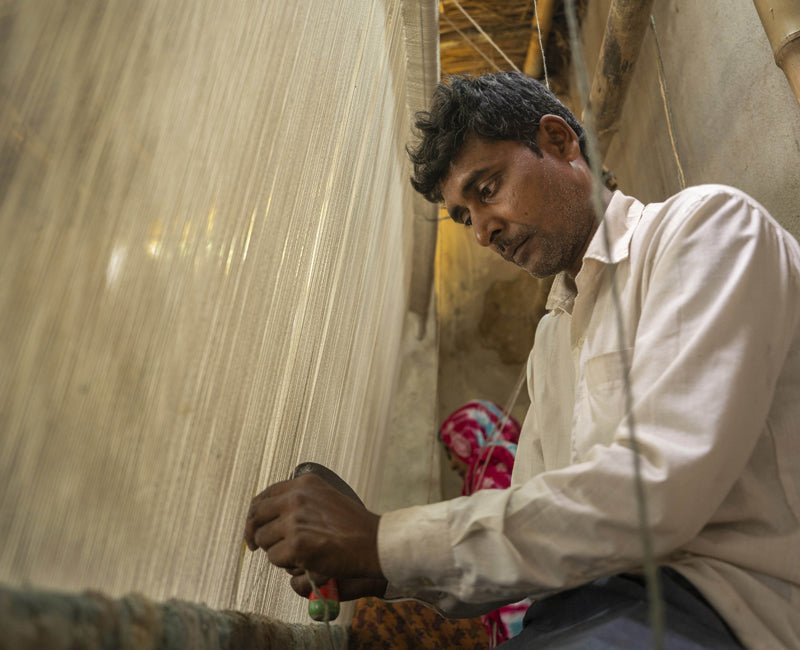
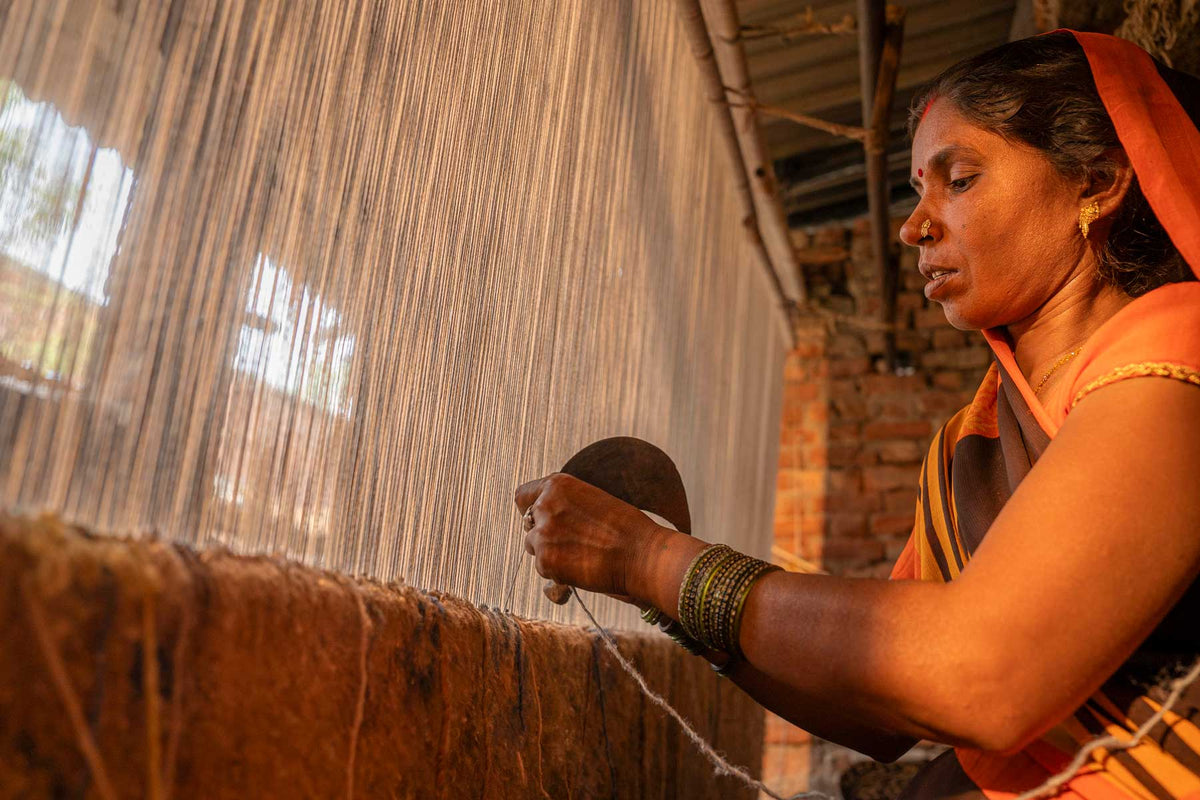
Artisans create hand-knotted rugs by tying individual knots around the warp threads. This process allows them to build detailed patterns and intricate designs. The time and skill involved depend on factors such as the rug's dimensions, knot density, and pattern complexity.
Hand-knotted carpets can offer a distinctive combination of craftsmanship and design. However, construction alone does not guarantee quality. Materials, finishing, and the skill of the maker also matter.
Handwoven and flatwoven rugs
Handwoven rugs can include several techniques. Flatweaves, for instance, typically have little or no pile, which gives them a flatter profile. They can suit spaces where a low-profile surface is useful.
Check the specific construction rather than assuming that every handmade carpet has a thick pile or uses hand-knotting.
Hand-tufted rugs
Hand-tufted rugs use a different process from hand-knotted carpets. Makers typically insert yarn into a backing with a tufting tool, then secure and finish the construction.
These rugs can offer a different texture and appearance. If construction matters to your purchase, ask the seller to identify the technique clearly.
3. Examine the Craftsmanship and Finishing
A rug's appearance tells only part of the story. Look closely at the details that reveal how carefully the maker has completed the piece.
Inspect the front and back
If you can examine the rug in person, check both sides. The back can reveal aspects of the construction and pattern. On a hand-knotted rug, you can often see the knots and how the design develops through the structure.
Look for a consistent overall construction, secure edges, and a finish that suits the rug's intended style. Handmade work may contain small variations, so do not automatically treat every irregularity as a defect.
Instead, distinguish natural variation from problems such as loose sections, unraveling edges, or unexplained damage.
Check the edges and pile
Examine the borders, corners, and pile for signs of poor finishing. The edges should feel secure, and the pile should suit the carpet's design.
If you are buying online, request clear photographs of the front, back, corners, and any areas that show distinctive details. Close-up images can help you assess the rug more confidently.
4. Choose the Right Size for Your Room
Even a well-crafted carpet can disappoint if its dimensions do not suit your furniture. Before buying, measure the area where you plan to place it.
Match the rug to the furniture
In a living room, a rug should connect the main seating arrangement. Placing the front legs of a sofa and armchairs on the carpet often creates a balanced layout. In a larger room, you may prefer a rug that accommodates the entire seating group.
For a bedroom, consider how far the rug extends beyond the bed. In a dining room, leave enough space for chairs to move without catching on the rug's edge.
Measure before ordering
Use painter's tape to mark the proposed dimensions on the floor. This helps you visualize the rug's footprint and check clearances around furniture and doorways.
Always review the actual measurements listed for the individual product. Terms such as “large” or “medium” can mean different things across collections.
For more detailed advice, see our guide to choosing the right handmade carpet size for every room.
5. Evaluate the Design, Color, and Pattern
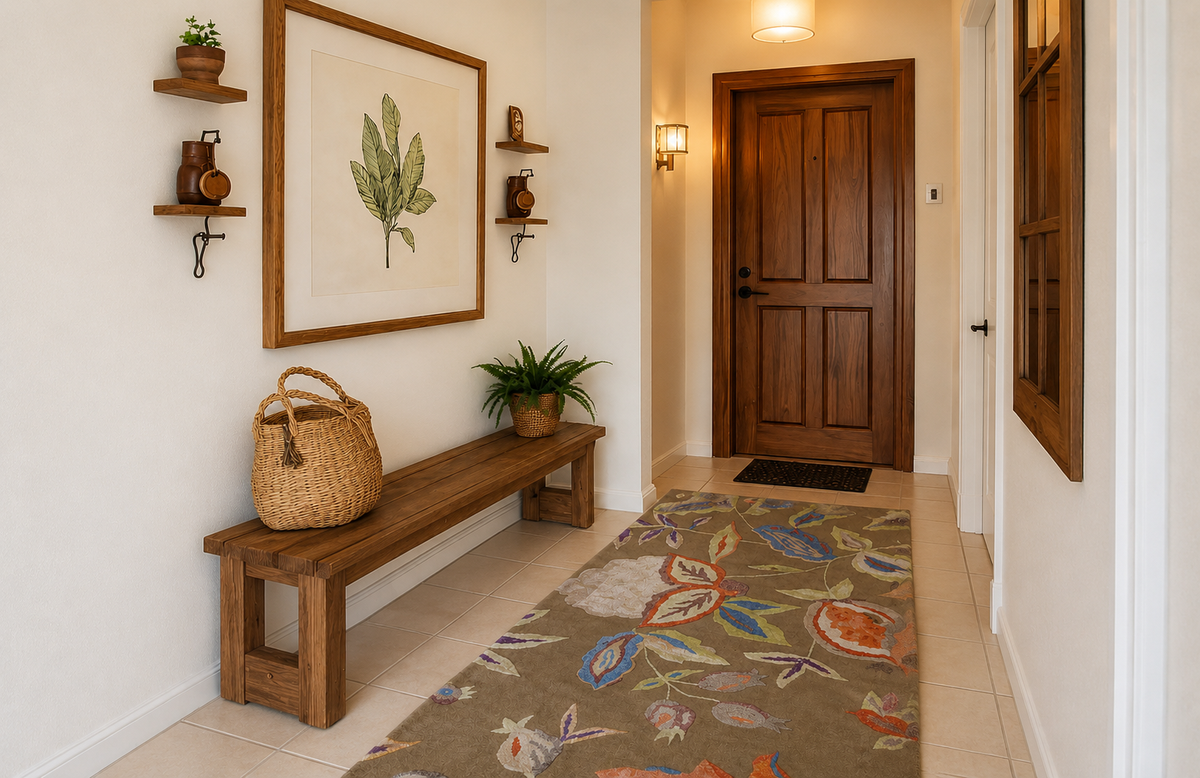
A carpet should complement your interior rather than compete with it. Consider the room's existing colors, furniture shapes, and decorative style before choosing a design.
Match the rug to your interior
For a calm, neutral room, consider ivory, beige, taupe, or soft grey. These shades can work as a foundation for different furniture styles.
If your room already features plain upholstery and simple finishes, a patterned rug can introduce visual interest. Conversely, a more understated carpet can help balance a room with colorful artwork or distinctive furniture.
Traditional motifs may suit classic interiors, while geometric and abstract designs often complement contemporary spaces. Neither approach is limited to one style, however. The key is to consider the overall composition.
Check colors in different lighting
Colors can look different depending on natural light, artificial lighting, and the direction of the pile. A rug may appear lighter or darker as you view it from different angles.
When shopping online, review several product images and check whether the seller provides close-ups. If possible, request additional images in natural light before making your decision.
6. Consider Maintenance and Everyday Use
A rug should fit your routine as well as your interior. Think about foot traffic, pets, children, dining habits, and the amount of time you can dedicate to care.
Match maintenance to your lifestyle
Wool can be a practical choice for many active living spaces, although it still needs regular care. Silk generally requires more delicate handling, making placement especially important. Cotton rugs vary considerably in their cleaning needs, so check the specific instructions.
Ask the seller about:
-
Recommended vacuuming methods.
-
Suitable stain-treatment procedures.
-
Whether professional cleaning is necessary.
-
How the rug responds to moisture and sunlight.
-
Any special precautions for its dyes or construction.
Avoid assuming that a handmade rug is machine washable or stain-proof. Cleaning methods that work for one carpet may damage another.
Plan for routine care
Regular, gentle vacuuming helps remove loose dirt. When spills occur, blot them promptly with a clean cloth rather than rubbing the fibers. Use cleaning products only when the care instructions confirm they are suitable.
For a delicate or valuable carpet, consult a specialist cleaner if you encounter a stubborn stain.
7. Verify the Seller and Product Information
A trustworthy buying experience depends on clear information about the rug and the business selling it. Before placing an order, make sure the product description answers your main questions.
Check the product details
Look for information about:
-
Fiber composition and construction method.
-
Exact dimensions and any expected variation.
-
Origin, where the seller can substantiate it.
-
Care instructions and suitability for different rooms.
-
Product photographs that show the actual design clearly.
If something important remains unclear, ask the seller before purchasing. Specific answers help you understand the product and avoid relying on assumptions.
Understand what makes the rug valuable
Craftsmanship, materials, design complexity, and the time required to produce a carpet can all contribute to its value. However, no single feature tells the whole story.
A higher knot count, for example, does not automatically make one rug better for every buyer. Consider the carpet's construction, intended use, materials, and overall quality together.
For more context, explore what makes handmade carpets worth the investment.
Frequently Asked Questions
1. How can I tell if a rug is genuinely handmade?
Ask about the construction method and examine clear photographs of the front and back. Hand-knotted, handwoven, and hand-tufted rugs use different techniques, so confirm which method the seller uses.
2. What material is best for a handmade rug?
Wool offers versatility and comfort, silk provides a refined sheen and fine detail, and cotton offers a lighter, more casual option. The right material depends on your room and lifestyle.
3. Is a higher knot count always better?
No. Knot count can help describe a hand-knotted rug's construction and detail, but it does not determine quality by itself. Materials, craftsmanship, design, and intended use also matter.
4. What should I check when buying a rug online?
Review the material, construction, exact dimensions, care instructions, and product photographs. Ask the seller for additional details if anything remains unclear.
5. How do I choose a rug that will last?
Select a construction and material suited to the room's traffic, follow appropriate care instructions, and protect the rug from excessive wear, moisture, and sunlight.
Find a Rug That Suits Your Home
Choosing a handmade rug becomes easier when you look beyond its appearance. Check the fibers, construction, craftsmanship, dimensions, and care requirements, then consider how the design will work with your furniture and daily routine.
Taking these steps helps you select Handmade Carpets with greater confidence and find a piece that complements your home. Explore the collections at Hand Made Carpets to discover designs, materials, and styles that suit your space.