







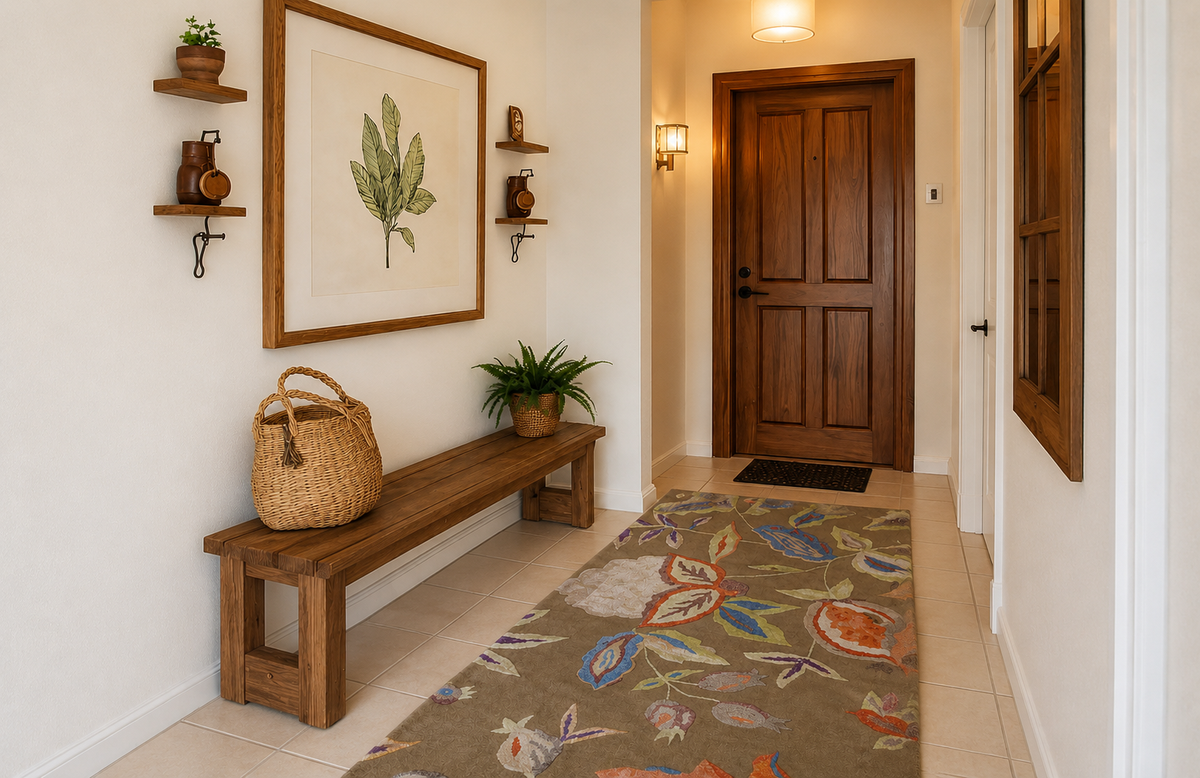
Handmade Carpets: Choosing the Right Size for Every Room
A beautiful rug can still feel wrong if it is too small for the room, crowds the furniture, or leaves the main seating area disconnected. Choosing the right size is one of the most important steps when decorating with handmade carpets. The right dimensions help anchor furniture, define functional areas, and create a balanced interior.
However, there is no single rug size that works for every home. Your room dimensions, furniture layout, doorways, and preferred style all influence the best choice. With a few practical measurements and placement guidelines, you can select a handmade rug that complements your space without overwhelming it.
1. Understand How Rug Size Changes a Room
A rug does more than cover the floor. It connects furniture, introduces texture, and helps establish the proportions of a room. A well-sized carpet makes a seating arrangement feel intentional, while an undersized one can leave furniture looking scattered.
Match the rug to the furniture
Start by identifying the main furniture group rather than measuring only the empty floor. In a living room, this usually means the sofa, armchairs, and coffee table. In a bedroom, the bed provides the main reference point.
Consider these general principles:
-
Choose a rug large enough to relate visually to the main furniture.
-
Leave some visible flooring around the rug when the room layout allows.
-
Keep the rug aligned with the furniture arrangement, not automatically with the walls.
-
Avoid placing furniture in inconsistent positions, with some pieces connected to the rug and others isolated.
A larger rug does not always suit every room. Instead, aim for proportions that make the furniture and floor feel connected.
Consider the room's shape
A rectangular rug often works well in a rectangular room or beneath a long dining table. A round rug can soften a square room, highlight a circular table, or define a small reading corner.
For open-plan interiors, use rugs to distinguish different zones. A living area and dining area can each have a separate rug, provided the sizes and designs work together.
2. Choose the Right Handmade Carpet Size for Your Living Room
Living rooms often present the biggest sizing challenge because the rug needs to connect several pieces of furniture. The best placement depends on the size of your seating arrangement and how much floor space you want to show.
Front legs on the rug
For many living rooms, placing the front legs of the sofa and chairs on the rug creates a cohesive layout. The furniture feels connected, while the back legs can remain on the bare floor.
This arrangement often works well with medium-sized rugs, including 6 × 9 ft or 8 × 10 ft options, depending on the room and furniture dimensions.
All furniture legs on the rug
If you have a spacious living room, consider a rug large enough to accommodate the entire seating arrangement. This creates a unified, generous look and works particularly well in open-plan homes.
Before choosing this layout, measure the full furniture footprint. Make sure the rug extends far enough beyond the furniture to look intentional.
Small living rooms
In a compact room, avoid choosing a tiny rug simply to expose more flooring. A rug that accommodates the front legs of the main seating can make the area feel more connected.
If space is limited, measure carefully and test the layout before buying. For more guidance on coordinating patterns and proportions, explore how to find the right handmade carpet style for your space.
3. Find the Best Rug Size for Your Bedroom
A bedroom rug should provide a comfortable surface when you get out of bed while complementing the bed frame and surrounding furniture. The ideal size depends on the bed, room dimensions, and desired placement.
Queen and king beds
For a queen bed, an 8 × 10 ft rug can often provide a balanced fit. A larger bedroom may accommodate a 9 × 12 ft rug, especially if you want more coverage around the bed.
For a king bed, consider a 9 × 12 ft rug or another size that extends comfortably beyond the bed. Always check the actual dimensions of your mattress, bed frame, and available floor space.
These are starting points, not strict rules. A low-profile bed frame, wide bedside tables, or an unusually shaped room may call for a different arrangement.
Place the rug under the bed
One common approach is to position the rug beneath the lower two-thirds of the bed, allowing it to extend beyond both sides and the foot. This creates a soft landing area without requiring the rug to sit beneath every piece of bedroom furniture.
Alternatively, a larger rug can sit beneath the bed and bedside tables, creating a more continuous foundation. In smaller bedrooms, two bedside rugs or a runner may offer a practical alternative.
4. Select a Dining Room Rug That Fits the Table
A dining room rug must accommodate both the table and the chairs. If the rug is too small, chair legs may catch on its edge whenever someone sits down or stands up.
Allow room for pulled-out chairs
Measure the dining table, then account for the space needed when people pull their chairs away from it. A useful starting point is to allow approximately 24 inches (61 cm) of rug beyond each table edge. This gives chairs room to move while remaining on the rug.
For example, a rectangular table measuring 6 × 3 ft would need a rug of roughly 10 × 7 ft to provide that additional space on every side. You may need to choose the nearest suitable standard size or consider a different layout.
Match the rug shape to the table
-
Rectangular tables generally pair well with rectangular rugs.
-
Round tables often work naturally with round rugs.
-
Square tables can suit square or round rugs, depending on the room.
Also consider the rug's pile height. A relatively low, stable surface can make it easier to move dining chairs and keep the dining area comfortable to use.
5. Choose Sizes for Hallways, Entryways, and Small Spaces
Smaller areas need careful measurement because a rug that is too wide can obstruct doors, while one that is too short may look disconnected from the space.
Hallway runners
A runner should leave a visible strip of flooring along both sides. Measure the hallway's width and length, then choose a runner that fits without touching walls or interfering with doors.
Check the direction in which doors swing. A thick rug can catch beneath a door, so consider both the dimensions and pile height before deciding.
Entryways
A small rectangular rug can define an entrance and provide a welcoming transition into the home. Make sure it leaves enough clearance for the door and does not create a tripping hazard.
For busy entrances, prioritize a practical construction and use a suitable non-slip rug pad where appropriate.
Reading corners and home offices
A compact rug can define a reading nook beneath a chair and side table. In a home office, ensure the rug works with your chair's movement. A thick pile may make rolling an office chair more difficult, so a flatter construction can be more practical.
6. Measure Before Buying a Handmade Carpet
Even a well-chosen design can disappoint if its dimensions do not suit the room. Measuring first helps you avoid common mistakes and compare available sizes more confidently.
Use the tape test
Follow these steps before placing an order:
-
Arrange your furniture in its intended position.
-
Measure the area you want the rug to cover.
-
Mark the proposed rug outline on the floor with painter's tape.
-
Check the spacing around furniture, walls, and doorways.
-
Walk around the marked area to confirm that the layout feels comfortable.
This simple method lets you assess proportions before committing to a size.
Check the actual product dimensions
Rug sizes can vary by manufacturer, weaving method, and collection. Do not rely solely on a general label such as “large” or “medium.” Review the exact length and width listed for the individual carpet.
Handmade rugs may also have slight dimensional variations. If precise placement matters, confirm the available measurements before purchasing.
For additional sizing guidance, read this rug size guide from Architectural Digest.
7. Coordinate Size, Material, and Interior Style
Size should guide your decision, but it should not be the only consideration. The carpet's material, pattern, and texture also affect how it looks and performs.
A richly patterned rug can become a focal point, while a neutral design can provide a quieter foundation for colorful furniture. If you prefer a contemporary interior, explore the modern rugs collection for designs that suit a range of room layouts.
Consider these details together:
-
Material: Choose a fiber that suits the room's traffic and care requirements.
-
Pattern: Larger motifs may need enough visible surface to read clearly.
-
Color: Consider how the rug relates to flooring, walls, and upholstery.
-
Pile height: Check clearance beneath doors and the movement of chairs.
-
Placement: Make sure the rug supports the room's function rather than obstructing it.
A well-proportioned rug should feel like a natural part of the room, not an isolated accessory.
Frequently Asked Questions
1. What is the most common rug size for a living room?
An 8 × 10 ft rug is a common starting point for many living rooms. However, the best size depends on the room and whether you want the front legs or all legs of the furniture on the rug.
2. Should a rug be under the sofa?
In many living rooms, placing at least the sofa's front legs on the rug helps connect the seating arrangement. A larger rug can accommodate the entire sofa and other furniture.
3. What size rug should go under a queen bed?
An 8 × 10 ft rug often works well with a queen bed. Larger rooms may accommodate a 9 × 12 ft rug. Measure the bed and available floor space before choosing.
4. How much bigger should a dining rug be than the table?
As a general guideline, allow about 24 inches (61 cm) beyond each edge of the table. This helps keep dining chairs on the rug when people pull them out.
5. Should I choose a larger or smaller rug if I am unsure?
Test both dimensions with painter's tape. A larger rug may create a more connected arrangement, but it should still leave suitable floor space and avoid doors or walkways.
Find the Right Handmade Carpet for Your Room
The right rug size brings furniture together, improves comfort, and helps a room feel balanced. Measure the space, plan around your main furniture, and consider how you use the room each day. These steps make it easier to choose a carpet that looks right and functions well.
Explore the collections at Hand Made Carpets to discover designs for different interiors and room sizes. With thoughtful measurements and a style that suits your home, handmade carpets can become a lasting part of your living space.