





Handmade Carpets: Easy Ways to Style a Neutral Living Room
A neutral living room can feel calm, timeless, and inviting. However, when the walls, sofa, and flooring share similar shades, the space can also look flat or lack personality. The right rug can solve this problem by introducing texture, subtle contrast, and visual warmth without disrupting the room's understated palette.
Handmade Carpets offer a versatile way to bring character into a neutral interior. From soft ivory and warm beige to textured wool and understated geometric patterns, a carefully chosen rug can connect your furniture and make the entire room feel more considered.
The key is to balance color, texture, scale, and placement. With a few practical styling choices, you can create a neutral living room that feels layered and welcoming rather than plain.
1. Choose a Rug Color That Complements Your Neutral Palette
Neutral interiors include more than white, grey, and beige. Undertones make a significant difference, so consider whether your room feels warm, cool, or balanced before choosing a carpet.
Warm neutrals for a welcoming atmosphere
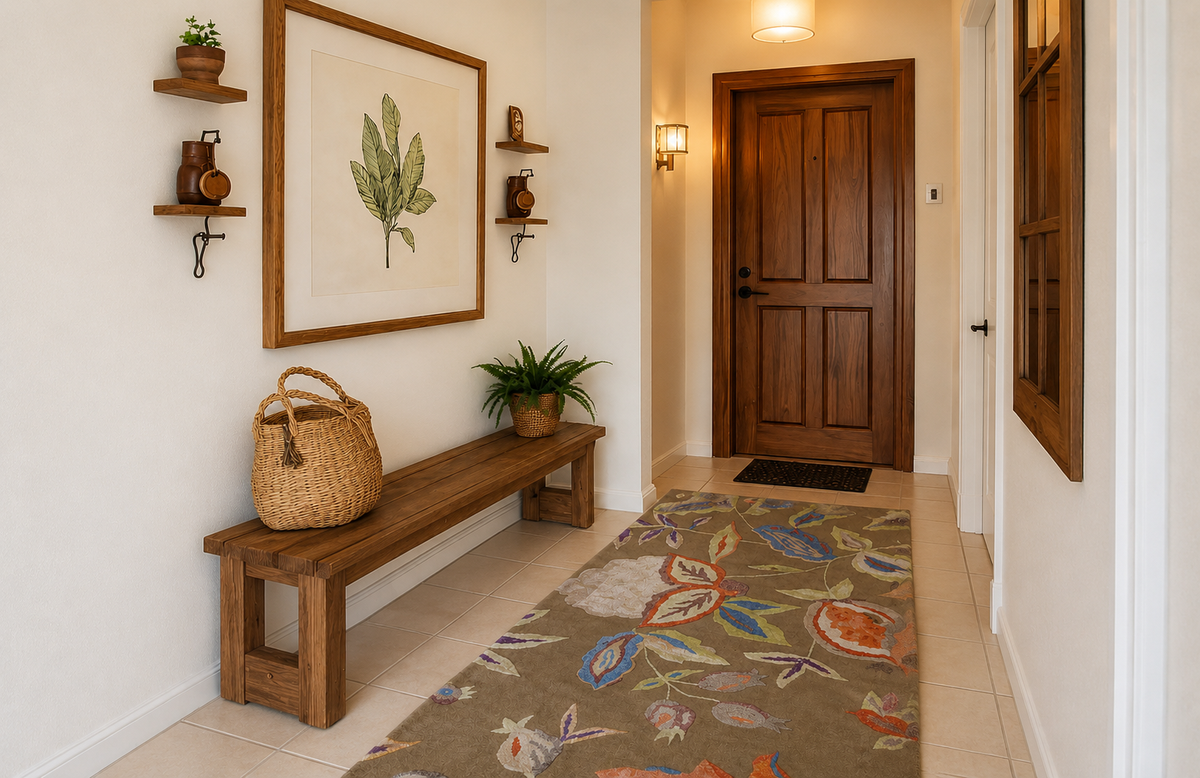
If your living room features cream walls, beige upholstery, or natural wood, choose a rug with warm undertones. Shades such as sand, oatmeal, taupe, and soft caramel can complement these elements without creating a sharp contrast.
A warm ivory rug can brighten the room, while a deeper beige design adds definition beneath a light-colored sofa. For additional depth, consider subtle brown or terracotta details.
Cool neutrals for a contemporary look
Grey sofas, white walls, and cool-toned flooring often pair well with rugs in silver, charcoal, stone, or muted blue-grey.
However, avoid matching every element too closely. A rug that differs slightly in tone from the sofa or flooring creates separation and helps each surface stand out.
Use contrast without overwhelming the room
You do not need a bold color to create visual interest. A charcoal pattern on an ivory background, for example, can define the seating area while preserving a restrained aesthetic.
For a softer result, choose a carpet with several closely related shades rather than one strong contrasting color.
2. Add Texture to Keep a Neutral Living Room Interesting
When a room relies on a limited color palette, texture becomes essential. It creates visual depth and makes the space feel inviting without introducing additional colors.
Combine different materials
Think about the textures already present in your living room. A smooth leather sofa, for instance, can benefit from the tactile surface of a wool rug. Meanwhile, a linen sofa pairs naturally with a finely woven carpet or a design featuring subtle variations in pile.
Consider combining:
-
A wool rug with a linen or cotton sofa.
-
A textured carpet with smooth wooden furniture.
-
A finely patterned rug with a plain upholstered armchair.
-
A softly layered rug with cushions in different fabrics.
The goal is to create contrast through materials rather than relying entirely on color.
Let craftsmanship become part of the design
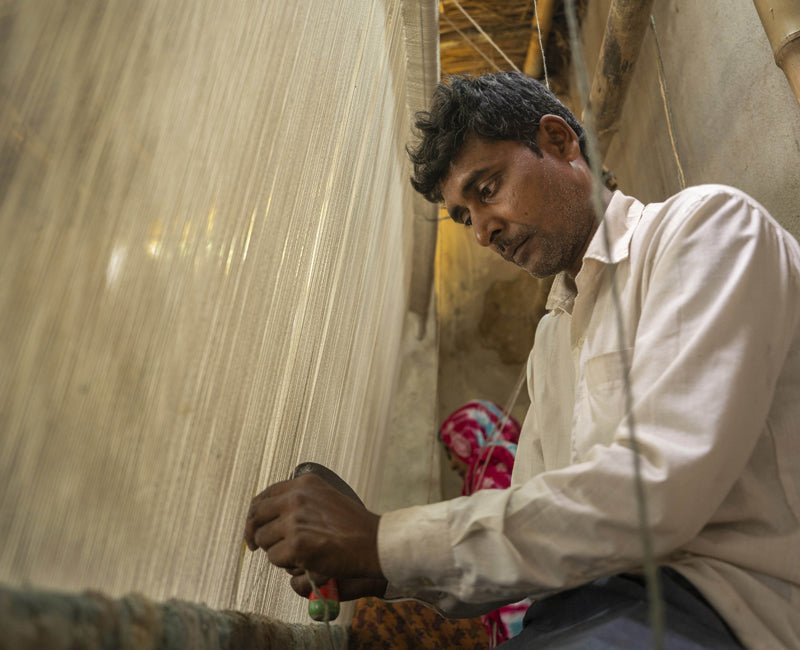
Handmade rugs often feature details that give a room a distinctive character. Variations in texture, intricate motifs, and the interaction of different yarns can make a neutral carpet visually engaging.
A hand-knotted wool rug, for example, can introduce subtle dimension through its pile and pattern. Meanwhile, a flatter weave may suit a more minimal interior.
Explore Hand Made Carpets to discover designs that bring texture and craftsmanship into a variety of living spaces.
3. Select a Pattern That Suits Your Interior Style
A neutral rug does not have to be plain. Patterns can add movement and personality while keeping the overall room calm.
Traditional patterns for timeless character
Traditional motifs can bring a sense of heritage and detail to a neutral living room. Look for designs with muted colors, fine borders, or understated ornamental patterns.
A traditional rug can work especially well with classic furniture, natural wood, and layered textiles. To keep the room balanced, allow the carpet to provide most of the pattern while keeping cushions and curtains relatively simple.
Geometric patterns for a modern interior
Geometric rugs suit contemporary spaces with clean lines and streamlined furniture. A subtle diamond, stripe, or abstract pattern can add structure without competing with the rest of the decor.
Choose a design with a restrained palette if your room already contains strong architectural lines or distinctive furniture.
Textured or low-contrast patterns for minimalism
If you prefer a quiet, minimalist room, consider a carpet with a tone-on-tone design. Small differences in color and texture add interest without drawing too much attention.
For more inspiration, explore how to find the right handmade carpet style for your space. Consider the room's existing furniture and finishes before settling on a particular pattern.
4. Choose the Right Rug Size and Placement
Even a beautiful carpet can look out of place if it is too small. In a neutral living room, correct proportions matter because the rug often helps define the entire seating arrangement.
Connect the seating area
A common approach is to place the front legs of the sofa and armchairs on the rug. This arrangement visually connects the furniture while leaving some flooring visible around the edges.
In a larger room, consider a rug that accommodates the entire seating group. This creates a more unified appearance and can help an open-plan living area feel organized.
Avoid placing a small rug only beneath the coffee table if it leaves the sofa and chairs disconnected. Instead, choose dimensions that relate to the full furniture arrangement.
Leave a balanced border of flooring
A visible strip of flooring around the carpet can frame the seating area. The amount of exposed floor depends on the room's dimensions and layout, so measure before buying.
Use painter's tape to mark the proposed rug dimensions on the floor. This simple step helps you assess how the carpet will relate to the sofa, coffee table, and walkways.
For more detailed guidance, read this handmade carpet size guide for every room.
5. Layer Natural Materials for a Relaxed, Cohesive Look
Neutral interiors often look their best when they combine materials with different visual qualities. Wood, wool, linen, cotton, leather, and stone can work together to create a room that feels natural rather than overly coordinated.
Pair rugs with wood and natural finishes
A beige or ivory carpet can soften the appearance of a wooden floor. If your furniture features dark wood, a lighter rug can create contrast. Conversely, a deeper neutral carpet can anchor pale oak or ash furniture.
Natural materials also introduce subtle color variation. These differences help prevent the room from feeling too uniform.
Coordinate cushions, throws, and curtains
Use your rug as a reference point when selecting soft furnishings. Pull one or two colors from its pattern into your cushions or throw, then vary the textures to avoid a matching-set appearance.
For example, an ivory rug with muted brown details could work with cream cushions, a taupe throw, and linen curtains. Each element supports the same palette without looking identical.
Keep the arrangement selective. Too many decorative objects, competing patterns, or similar textures can make even a neutral room feel cluttered.
6. Style Handmade Carpets Around Your Furniture
A rug should complement the furniture rather than compete with it. Consider the scale, shape, and visual weight of the main pieces in your living room.
Balance a large sofa
A substantial sofa can make a small rug appear even smaller. Choose a carpet with enough width to extend beyond the sofa's sides, where the room allows.
If the sofa has a strong shape or dark upholstery, a lighter rug can soften its visual weight. Alternatively, a patterned neutral carpet can add interest beneath a simple sofa.
Make the coffee table part of the arrangement
Position the coffee table comfortably within the rug's boundaries. Leave enough space around it for people to move easily between the sofa and other seating.
A round coffee table can soften a room dominated by rectangular furniture. Likewise, a rectangular rug can provide structure around a curved sofa or rounded accent chairs.
Avoid overcrowding
Leave clear pathways between the seating area, doorway, and adjoining spaces. A well-styled room needs comfortable circulation as much as visual balance.
If the room feels crowded, reconsider the furniture arrangement before adding more accessories.
7. Maintain the Rug's Appearance Over Time
A neutral carpet can show dirt, spills, and wear more readily than a heavily patterned design, particularly in busy areas. A practical care routine helps preserve its appearance.
Vacuum regularly using a setting suitable for the rug's construction. Address spills promptly by blotting with a clean cloth rather than rubbing the fibers. Avoid harsh cleaning products unless the manufacturer confirms they are suitable.
Rotate the carpet periodically, where practical, to distribute wear and sunlight exposure. Use an appropriate rug pad to reduce slipping and help keep the rug in position.
Wool, silk, and cotton have different care requirements, so check the specific product guidance. For delicate or valuable handmade rugs, consult a specialist cleaner when stains need more than routine attention.
Frequently Asked Questions
1. What color rug works best in a neutral living room?
Ivory, beige, taupe, grey, and other muted shades work well. Choose warm or cool undertones that complement your walls, flooring, and furniture.
2. Should a rug be lighter or darker than the sofa?
Either can work. A lighter rug creates contrast beneath a dark sofa, while a darker rug can anchor light upholstery. Consider the overall balance of the room.
3. Can I use a patterned rug in a neutral living room?
Yes. Low-contrast geometric, traditional, or tone-on-tone patterns add character while maintaining a calm palette. Keep other patterns relatively simple for a cohesive result.
4. What size rug should I choose for my living room?
Choose a size that connects the main seating pieces. For many layouts, placing the sofa and chairs' front legs on the rug creates a balanced arrangement. Measure your furniture before buying.
5. How do I make a neutral living room feel less plain?
Combine different textures, introduce subtle color variations, choose a rug with an understated pattern, and layer natural materials such as wool, linen, and wood.
Create a Neutral Living Room with Lasting Character
A neutral living room does not need bold colors to feel distinctive. The right rug can add texture, define the seating area, and bring your furniture together while preserving the calm atmosphere you want.
Start with your room's existing palette, then consider pattern, material, size, and placement. With thoughtful choices, Handmade Carpets can become the foundation of a comfortable and cohesive living space.
Explore the collections at Hand Made Carpets to find a design that complements your home and personal style.