

Handknotted Carpets vs Hand-Tufted Rugs: A Clear Comparison
Choosing between a handknotted carpet and a hand-tufted rug can be confusing. Both can feature beautiful patterns, rich colors, and carefully selected fibers. However, their construction methods differ significantly, affecting their texture, durability, maintenance, and long-term suitability for your home. A rug may look similar to another at first glance, yet its structure can tell a very different story.
Understanding Handknotted Carpets vs Hand-Tufted Rugs starts with one essential distinction: artisans tie individual knots to create a handknotted carpet, while they use a handheld tufting tool to insert yarn into a backing when making a hand-tufted rug. Each method offers distinct advantages, so the right choice depends on your priorities.
This guide explains how the two types compare, what to look for when shopping, and how to choose a rug that suits your space and lifestyle.
1. How Handknotted Carpets and Hand-Tufted Rugs Are Made
The most important difference lies beneath the surface. Although both techniques involve skilled manual work, they create the rug's pile in different ways.
Handknotted carpet construction
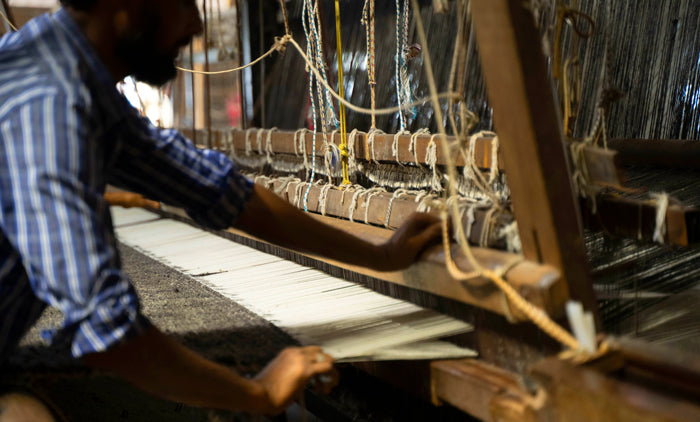
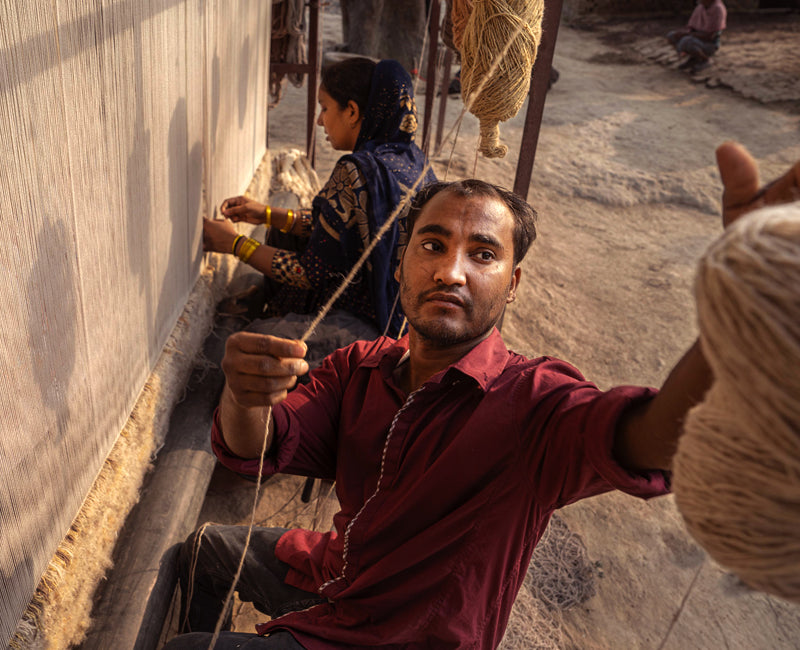
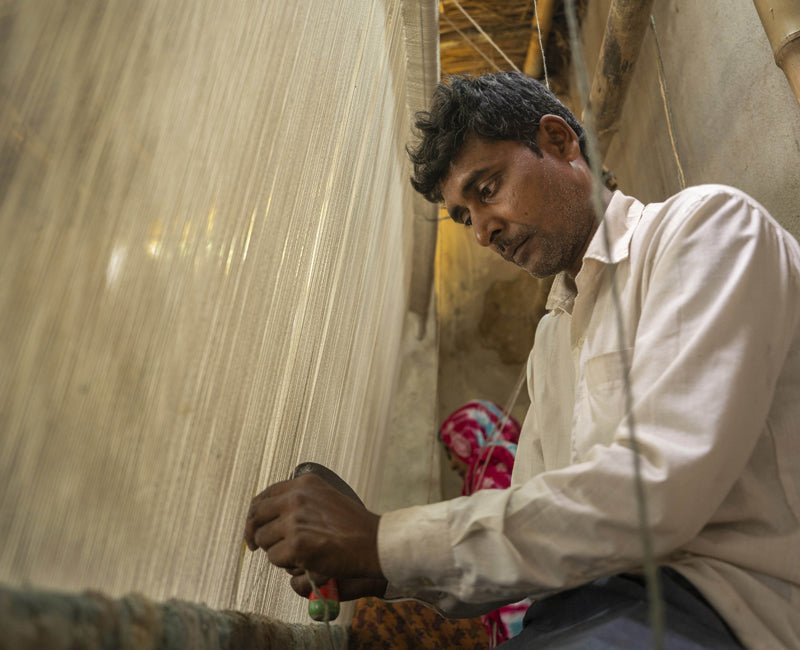
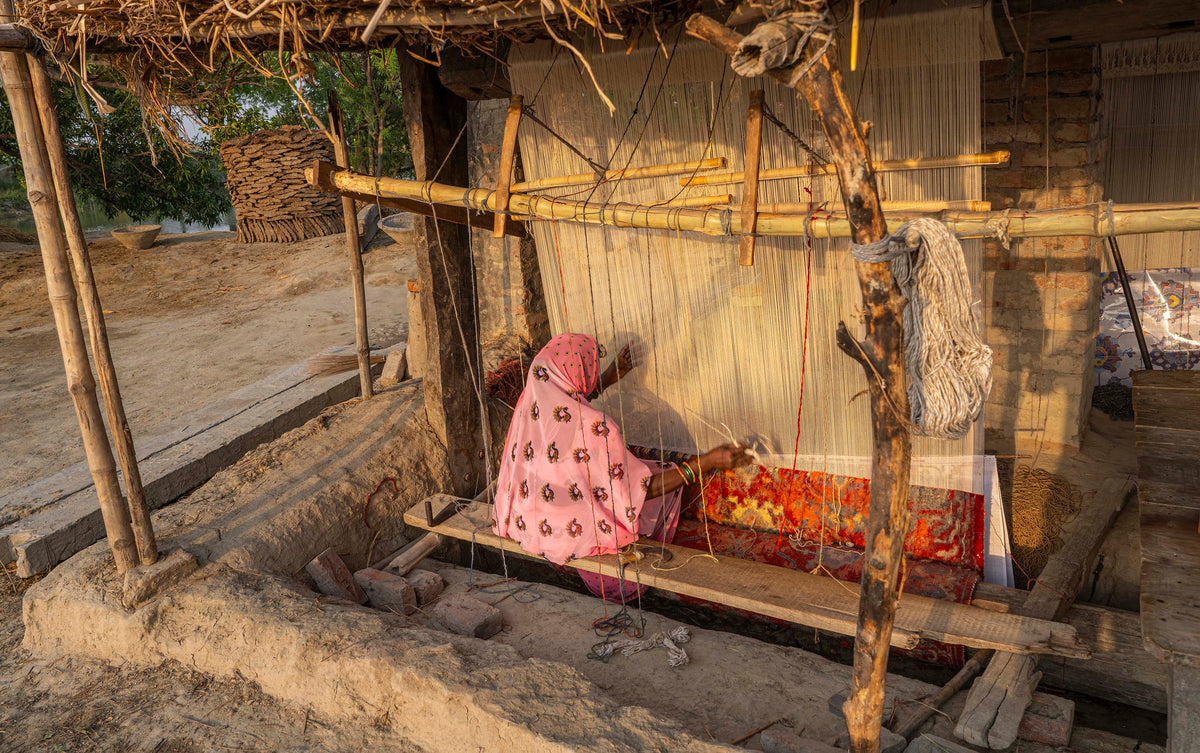
Artisans make handknotted carpets on a loom, where vertical warp threads form the foundation. They tie individual knots around these threads and secure them with horizontal weft threads. By repeating this process, they gradually build the pile and create the pattern.
Every knot contributes to the carpet's structure. As a result, the process requires patience, precision, and considerable weaving experience.
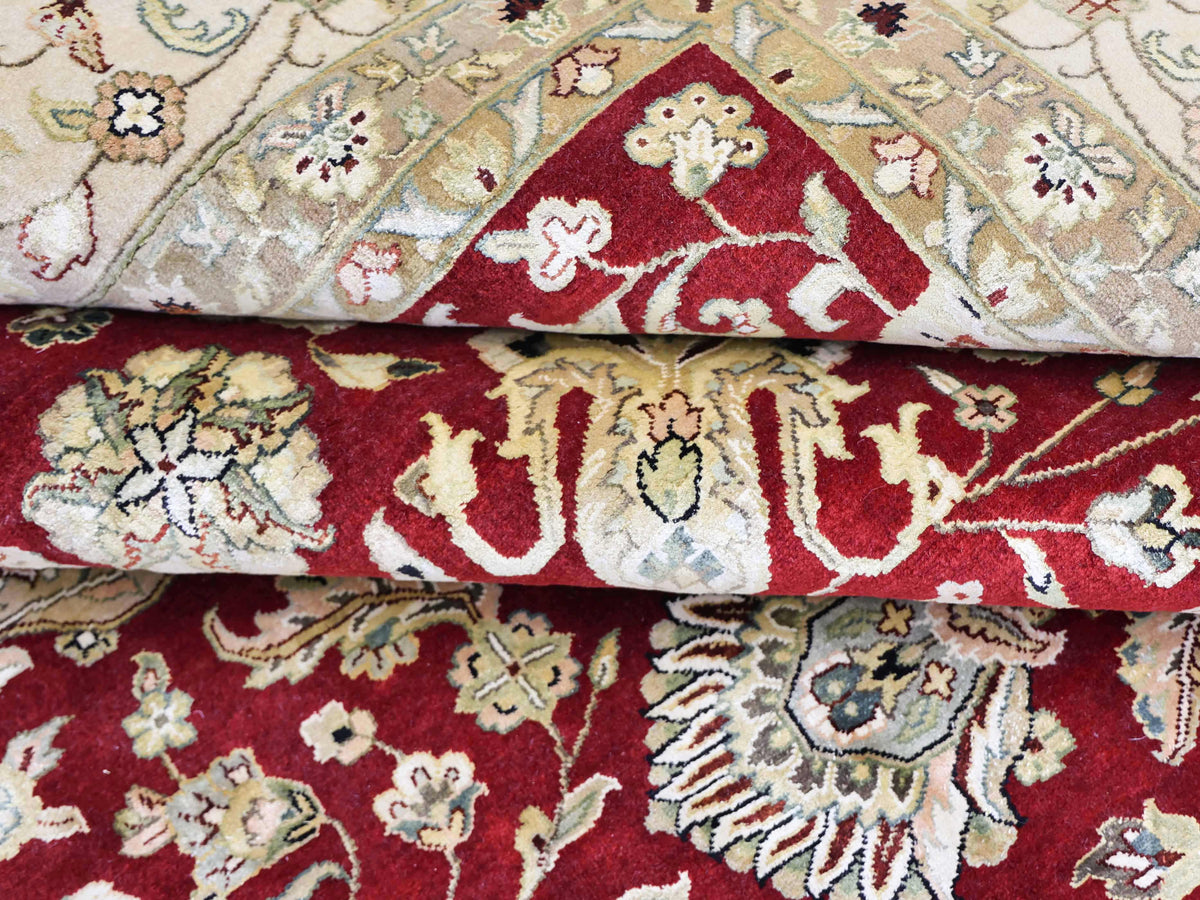
Traditional Persian carpets demonstrate how this technique can produce intricate floral motifs, medallions, and geometric designs. The pattern emerges through the placement of individual knots rather than through a printed surface.
Hand-tufted rug construction
A hand-tufted rug begins with a backing stretched across a frame. The maker uses a handheld tufting gun or similar tool to push yarn through the backing, following a drawn design.
Once the maker completes the pile, they typically apply adhesive to the reverse and attach a secondary backing to secure the yarn. Depending on the design, they may also carve or trim sections of the pile to create different textures.
This method allows makers to produce a wide range of colors, patterns, and pile heights without tying each knot individually.
For shoppers, the key takeaway is simple: both techniques involve human skill, but their underlying structures are fundamentally different.
2. Handknotted Carpets vs Hand-Tufted Rugs: Key Differences
When comparing these two types, consider more than their appearance. Construction influences how the rug feels, how it responds to everyday use, and how it may age.
Durability and expected lifespan
A well-made handknotted carpet can last for decades or even generations when its materials, construction, and care support long-term use. Individual knots secure the pile to the woven foundation, and the carpet does not depend on a layer of adhesive to hold its pile in place.
Hand-tufted rugs can also serve well in everyday interiors. However, their longevity depends heavily on yarn quality, backing materials, adhesive performance, and usage. Over time, the backing or adhesive may deteriorate, potentially causing pile loss or shedding.
Neither category guarantees a particular lifespan. A poorly made handknotted carpet may perform worse than a well-constructed tufted rug in some situations. Nevertheless, the knotted structure gives traditional handknotted carpets a distinct advantage when long-term repairability and longevity matter.
Texture and appearance
Handknotted carpets often display subtle variations in pile, color, and pattern. These details reflect the weaving process and can give the surface depth and character.
Hand-tufted rugs offer considerable design flexibility. Makers can create plush surfaces, sculpted patterns, and bold contemporary designs. Their pile can feel soft and substantial, depending on the fibers and finishing.
Consider the visual effect you want:
-
Choose a handknotted design if you appreciate traditional weaving, detailed motifs, and the character of individual knots.
-
Consider a hand-tufted rug if you prefer a particular pile height, a sculpted surface, or a contemporary design.
-
Examine the actual rug whenever possible, because photographs cannot fully communicate texture or construction.
For more background on how handmade techniques differ from automated production, read this guide to handmade carpets versus machine-made rugs.
3. Materials and Design Possibilities
Both methods can use wool, cotton, silk, and synthetic fibers. However, the material's role and the construction method influence the finished product.
Fiber selection
Wool is a popular choice for both handknotted and hand-tufted rugs. It offers a naturally textured surface and resilience, making it suitable for many living spaces.
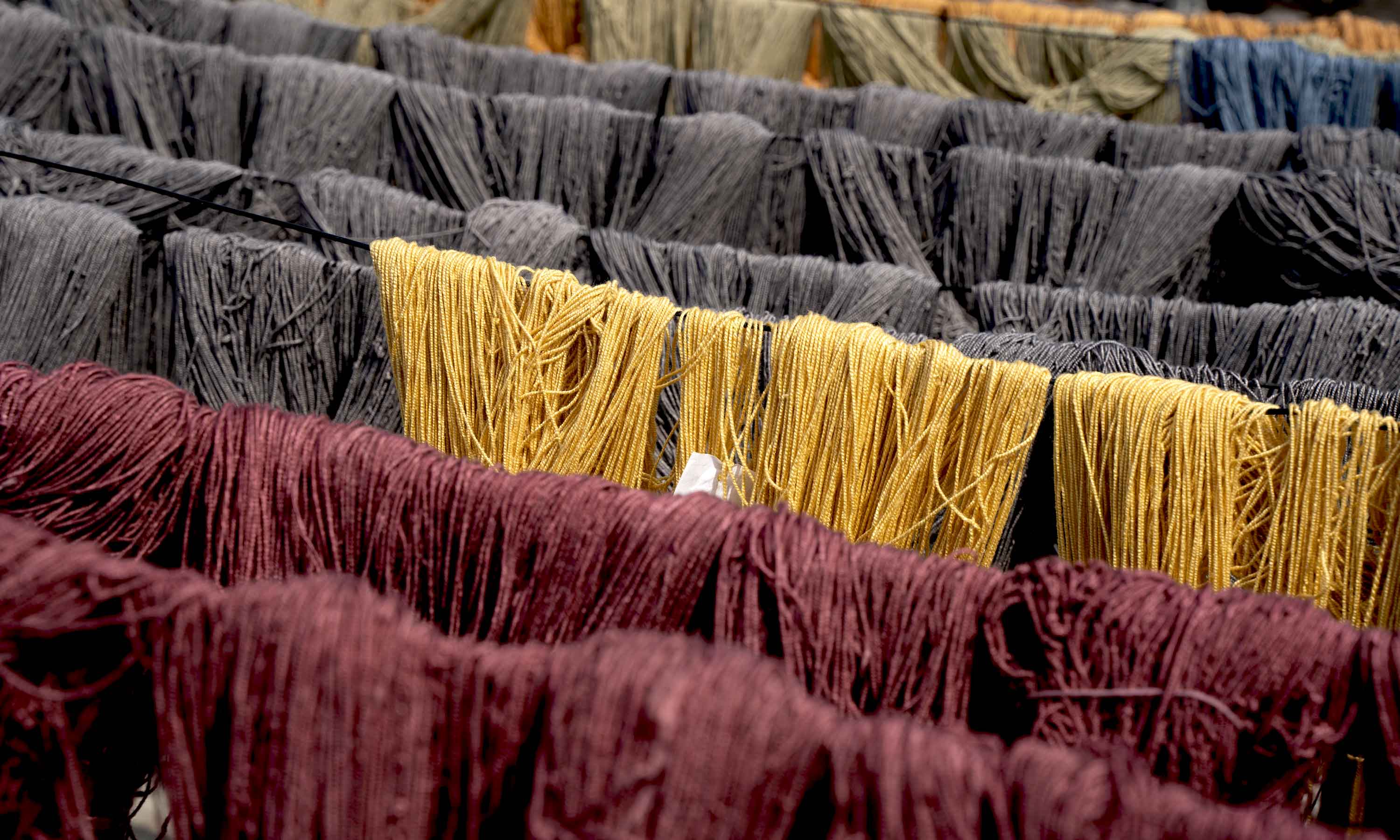
Silk can introduce a fine texture and distinctive sheen, while cotton often supports the foundation or backing. Synthetic fibers may offer practical alternatives for particular budgets, designs, or maintenance preferences.
When comparing rugs, ask which fibers make up the pile and which materials form the foundation. A label that simply says “wool rug” may not tell you everything about its construction.
Pattern complexity
Handknotted carpets can accommodate highly detailed designs because artisans build the pattern knot by knot. This technique supports intricate borders, fine curves, and complex traditional motifs.
Hand-tufted rugs can also reproduce detailed designs. Makers can draw patterns onto the backing and use different yarn colors to fill the shapes. They may then carve the pile to emphasize selected elements.
However, the two methods create different visual characteristics. A handknotted pattern forms part of the woven structure, while a hand-tufted pattern develops through the arrangement of yarn within the backing.
For historical context, Britannica's overview of Persian carpets explores a tradition closely associated with intricate handweaving and distinctive regional designs.
4. Maintenance and Repair Considerations
A rug's construction affects how you should care for it. Before buying, consider the cleaning routine it will require and the options available if it becomes damaged.
Caring for a handknotted carpet
Regular vacuuming helps remove dust and grit that can wear down the fibers. Use a setting appropriate for the pile, and avoid aggressive brushing or pulling at loose threads.
Blot spills promptly with a clean cloth. For delicate fibers, unstable dyes, or significant stains, consult a rug-cleaning professional.
One useful feature of handknotted construction is its potential for specialized repair. An experienced restorer may be able to rebuild damaged areas by reweaving knots and repairing the foundation. The feasibility depends on the extent of the damage and the availability of suitable materials.
Caring for a hand-tufted rug
Hand-tufted rugs also benefit from regular, gentle vacuuming and prompt spill treatment. However, owners should pay particular attention to the backing.
Avoid soaking the rug or using cleaning methods that could weaken its adhesive. Excessive moisture can affect the backing and may contribute to unpleasant odors or structural deterioration.
If the pile begins to loosen or the backing cracks, consult a specialist familiar with tufted rugs. Repairs may require different materials and techniques from those used on a knotted carpet.
For either type, follow the manufacturer's care instructions rather than assuming that every handmade rug can tolerate the same cleaning process.
5. Which Rug Suits Your Room and Lifestyle?
The right choice depends on how you use your space, what you value aesthetically, and how long you expect to keep the rug.
Living rooms and high-traffic areas
For a busy living room, consider the quality of the fibers, the stability of the construction, and how easily you can maintain the rug.
A well-made handknotted carpet can be a suitable long-term option, especially when you want a piece that may remain in your home for many years. Choose a design and pile height that work with your household's daily activity.
A hand-tufted rug can also suit a living room, particularly when you want a specific contemporary look. Check the backing quality and care requirements before placing it in a heavily used area.
Bedrooms and decorative spaces
Bedrooms often allow more flexibility because the rug may experience less foot traffic. A plush hand-tufted rug can provide a comfortable surface beside the bed.
Meanwhile, a handknotted carpet can introduce pattern, texture, and a sense of craftsmanship to the room. Either type can work well when its dimensions and colors complement the surrounding furniture.
Choosing for your long-term plans
Ask yourself three questions:
-
Do I want a rug primarily for its immediate appearance, or do I value traditional construction and long-term use?
-
How much foot traffic will it receive?
-
Am I comfortable following its specific cleaning and maintenance requirements?
Your answers will help narrow the options more effectively than appearance alone.
6. What to Check Before Buying
Before committing to a rug, inspect its construction and ask the seller clear questions. This step is particularly important when product descriptions use terms such as “handmade” without explaining the technique.
For a handknotted carpet, examine the reverse to identify individual knots and check the condition of the foundation, edges, and fringe.
For a hand-tufted rug, look at the backing, edge finishing, and any signs of adhesive deterioration. Ask how the manufacturer secures the pile and what cleaning methods it recommends.
For both types, confirm:
-
The pile and foundation materials.
-
The rug's dimensions and pile height.
-
Whether the rug has undergone repairs.
-
Any visible signs of shedding, fraying, or discoloration.
-
The recommended cleaning and maintenance routine.
Also, ask the seller to clarify the construction method if the listing uses broad terms such as “handmade rug.” Understanding the specific technique helps you compare similar products fairly.
If you are exploring different styles for your home, browse the Hand Made Carpets collection and use these construction details to guide your selection.
Conclusion: Choosing Between Handknotted Carpets and Hand-Tufted Rugs
The choice between Handknotted Carpets vs Hand-Tufted Rugs comes down to construction, intended use, design preferences, and maintenance expectations. Handknotted carpets feature individual knots and can offer long-term durability, intricate woven patterns, and repair possibilities. Hand-tufted rugs provide design flexibility, varied textures, and an alternative for shoppers who prefer particular contemporary styles.
Neither method suits every home or every buyer. Instead, focus on the rug's materials, workmanship, backing, and expected use. By understanding how each type is made, you can select a piece that complements your interior and meets your practical needs.
Take time to explore the available designs, examine the construction, and ask questions before making your decision. A little knowledge can help you appreciate not only how a rug looks, but also how it is built.
Frequently Asked Questions
1. What is the main difference between handknotted and hand-tufted rugs?
Artisans tie individual knots around warp threads to make handknotted carpets. For hand-tufted rugs, they insert yarn through a backing using a tufting tool and typically secure it with adhesive.
2. Are handknotted carpets more durable than hand-tufted rugs?
A well-made handknotted carpet can offer excellent longevity because its pile forms part of a woven structure. Hand-tufted rugs can also perform well, but their lifespan depends partly on the backing and adhesive.
3. Are hand-tufted rugs considered handmade?
Yes. Makers use manual tools and human skill to create hand-tufted rugs. However, the construction differs from handknotted weaving.
4. How can I tell whether a rug is handknotted or hand-tufted?
Examine the reverse. Handknotted rugs typically reveal individual knots, while hand-tufted rugs usually have a backing that covers the inserted yarn and may include an adhesive layer.
5. Which type of rug is easier to maintain?
Both require regular care. Hand-tufted rugs need particular attention to moisture and backing condition, while handknotted carpets may require specialist cleaning depending on their fibers, dyes, and age.