





Handmade Carpets: Finding the Right Style for Your Space
Choosing a rug can feel surprisingly difficult. You might love an intricate Persian design in a showroom, yet worry that it will overwhelm your living room. Alternatively, a neutral rug may look elegant but leave your interior feeling flat. The right Handmade Carpets style should complement your furniture, suit your room's proportions, and reflect how you use the space every day. By considering color, pattern, texture, size, and craftsmanship together, you can find a rug that brings your interior into balance without sacrificing your personal style.
1. Understand Your Interior Design Style
Before choosing a rug, look at the furniture, colors, and decorative elements already present in your room. A carpet should connect these elements rather than compete with them.
Traditional Interiors: Embrace Pattern and Heritage
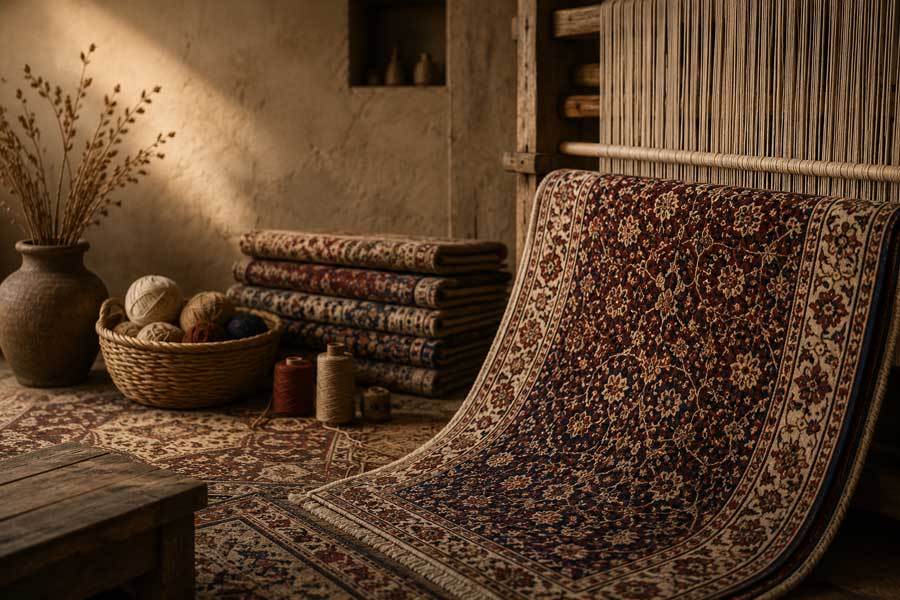
Traditional interiors often feature detailed woodwork, classic furniture, decorative lighting, and rich materials. A traditional handmade rug can reinforce this atmosphere through intricate patterns, ornamental borders, and balanced compositions.
Persian-inspired designs, floral motifs, and central medallions work particularly well in rooms that already incorporate classic details. However, you do not need to match every element perfectly. A traditional rug can also introduce character into a relatively simple interior.
For a cohesive appearance, identify one or two colors within the rug that complement your curtains, cushions, or upholstery.
Modern Interiors: Keep the Design Balanced
Modern spaces often emphasize clean lines, open layouts, and restrained decoration. In these settings, a rug can introduce warmth and texture without disrupting the room's simplicity.
Consider geometric patterns, abstract compositions, or understated designs with subtle tonal variations. These options add visual interest while allowing furniture and architectural details to remain prominent.
Handcrafted rugs can work beautifully in contemporary homes because their textures and individual details soften minimalist surroundings.
You can explore different styles through the Handmade Carpets collection, which includes both traditional and modern designs.
2. Choose Colors That Work With Your Room
Color influences how spacious, warm, or visually energetic a room feels. Therefore, consider your existing palette before selecting a rug.
Neutral Rugs for a Calm, Versatile Look
Ivory, cream, beige, and soft gray rugs provide a flexible foundation for many interiors. They work particularly well when you want furniture, artwork, or architectural features to remain the main focus.
A neutral carpet does not have to look plain. Subtle patterns, contrasting borders, and textured fibers can add depth without introducing strong colors.
For example, an ivory rug with a delicate geometric design can complement a beige sofa while maintaining a calm atmosphere.
However, consider practical factors as well. Very light rugs may show dirt and spills more readily in busy households, so choose a material and cleaning routine that suit your lifestyle.
Bold Colors for a Distinctive Focal Point
If your room contains neutral furniture and simple finishes, a colorful rug can provide a strong visual anchor.
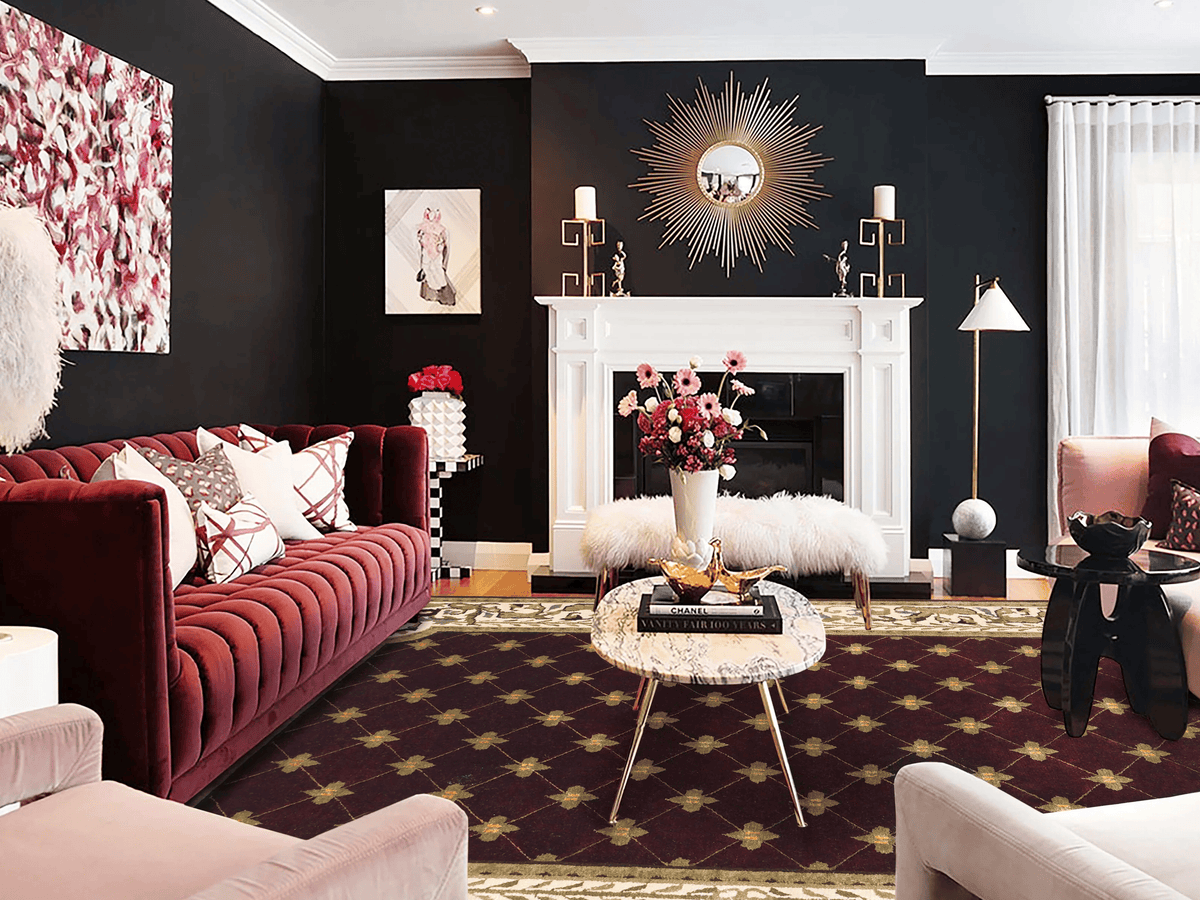
Deep blue, rust, burgundy, and muted green can introduce warmth and character. Traditional Persian-inspired carpets often combine several colors within intricate motifs, creating opportunities to connect different elements of a room.
To keep the arrangement balanced, repeat one or two colors from the rug in smaller accessories. Cushions, throws, or artwork can help create a visual connection without making the room feel overly coordinated.
Consider Natural and Artificial Lighting
A rug may look different depending on the lighting conditions. Natural daylight can reveal subtle variations in yarn, while warm artificial lighting may make certain colors appear richer.
If possible, examine the rug in lighting similar to that of your room. Also consider whether sunlight reaches the floor directly, as prolonged exposure can gradually fade some dyes.
3. Select a Pattern That Suits Your Space
Pattern influences how a room feels and how the eye moves through it. The right design depends on the size of the space, the furniture arrangement, and the visual complexity of your existing decor.
Floral and Traditional Patterns
Floral motifs, ornamental borders, and medallions can bring detail and a sense of heritage to a room. They often suit traditional interiors, but they can also create an interesting contrast with contemporary furniture.
If your room already contains patterned curtains or upholstery, look for a rug that shares a complementary color rather than repeating every motif.
A detailed carpet can become the focal point of a room when the surrounding furnishings remain relatively simple.
Geometric and Abstract Designs
Geometric rugs introduce structure through lines, shapes, and repeated forms. They can complement modern furniture and interiors with clean architectural details.
Abstract designs offer more freedom. Their irregular patterns and layered colors can connect different tones within an open-plan space.
For a cohesive result, consider the scale of the pattern. Large, bold designs can anchor spacious rooms, while smaller, more restrained motifs may suit compact areas.
Match Pattern Scale to Furniture
A rug's pattern should relate comfortably to the size of the furniture around it.
For example, a large sectional sofa can balance a substantial pattern, while a small seating area may benefit from a simpler design. This is not a strict rule, however. Contrast can work well when you maintain a clear visual hierarchy.
The goal is to prevent the rug and surrounding furnishings from competing for attention.
4. Find the Right Rug Size and Placement
Even a beautiful carpet can look out of place if its dimensions do not suit the room. Before shopping, measure the available floor area and consider how the rug will interact with your furniture.
Living Room Rug Placement
In a living room, the rug should help define the seating arrangement.
Three common approaches include:
-
All furniture legs on the rug: This creates a unified seating area and often suits larger rooms.
-
Front legs on the rug: This connects the sofa and chairs while leaving some floor visible.
-
Rug beneath a coffee table only: This can work in smaller spaces, provided the rug remains proportionate to the furniture.
Measure the distance between the sofa, chairs, and walls before deciding on a size. A rug that is too small may make the seating arrangement feel disconnected.
Bedroom and Dining Room Placement
In a bedroom, a larger rug beneath the bed can create a comfortable visual foundation. Alternatively, runners or smaller rugs beside the bed can provide softness where you need it.
For a dining room, allow sufficient rug space for chairs to remain on the carpet when people pull them away from the table. This helps prevent chair legs from catching on the rug's edge.
Always account for doors, walkways, and other practical considerations before choosing dimensions.
5. Use Texture to Add Comfort and Depth
Color and pattern attract attention, but texture influences how a rug feels and how it interacts with other materials in the room.
Choose Materials for Your Lifestyle
Wool is a versatile choice for many living spaces because it offers a comfortable feel and natural resilience. Silk can provide a smooth surface and subtle sheen, making it suitable for rugs where intricate detail matters.
Cotton and blended fibers also appear in handmade rugs, depending on their construction.
Think about how people use the room. A frequently used living area may benefit from a practical, resilient material, while a quieter bedroom can accommodate a more delicate design.
For additional context, read our guide on what makes handmade carpets worth the investment.
Layer Textures Without Creating Clutter
A textured rug can soften hard flooring and complement materials such as wood, leather, linen, and metal.
For example, a wool rug can add warmth to a room with a leather sofa and wooden furniture. Meanwhile, a finely detailed carpet can introduce visual richness to a space with smooth surfaces.
Try to balance contrasting textures rather than introducing too many competing elements. A few carefully chosen materials often create a more cohesive interior.
6. Choose Between Traditional and Modern Handmade Rugs
The choice between traditional and modern designs depends on the atmosphere you want to create. Both can work across different interior styles when you consider their colors, proportions, and patterns.
When Traditional Designs Work Best
Traditional rugs can suit rooms that feature classic furniture, warm wood tones, or decorative architectural details. Their intricate patterns can also provide contrast in a minimalist interior.
If you choose a richly patterned carpet, allow it enough space to stand out. Avoid covering its most distinctive details with large pieces of furniture whenever possible.
When Modern Designs Make Sense
Modern rugs often suit contemporary interiors, open-plan layouts, and rooms with streamlined furniture.
Their abstract patterns, restrained colors, and geometric forms can create a sense of continuity without making the room feel overly formal.
If you prefer a contemporary aesthetic, browse the brand's modern rug collection for ideas on combining handcrafted texture with modern design.
For a broader understanding of how manufacturing methods affect appearance and construction, see our article on handmade carpets versus machine-made rugs.
7. Consider Craftsmanship and Long-Term Care
A rug should complement your home today while remaining practical for everyday living. Therefore, look beyond its appearance and examine its materials, construction, and care requirements.
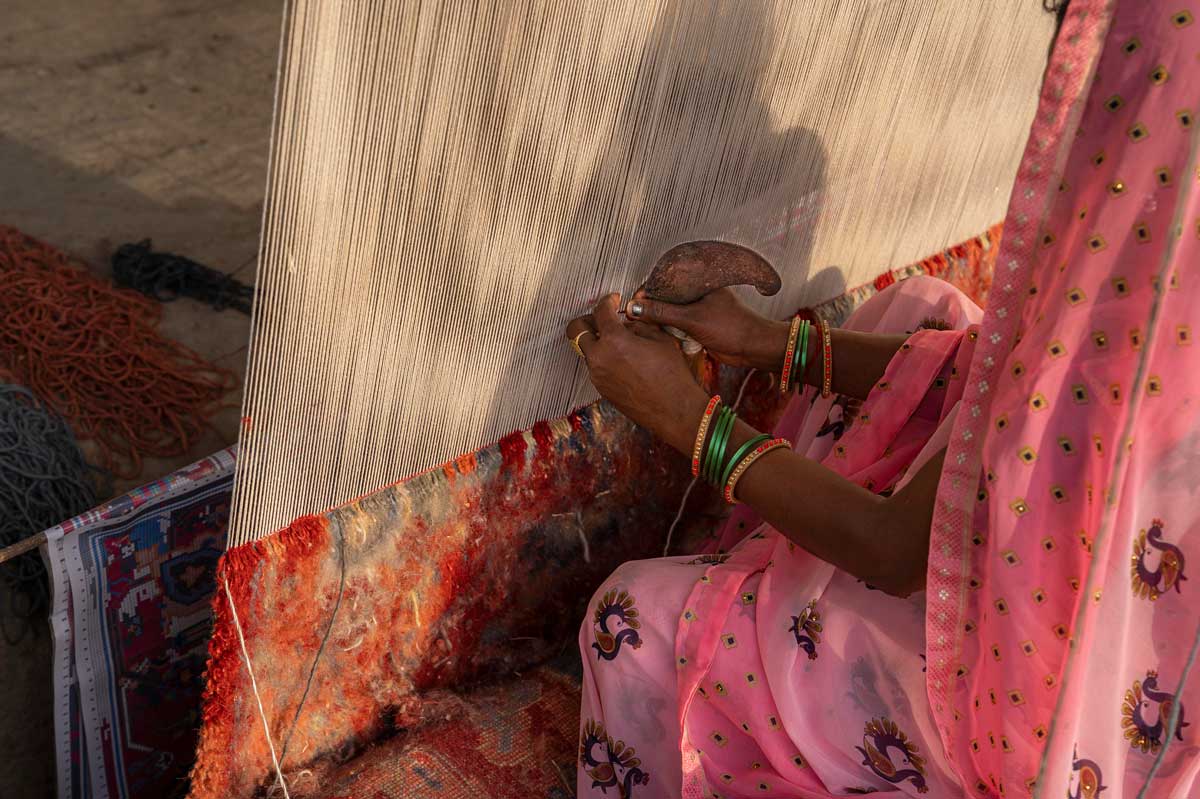
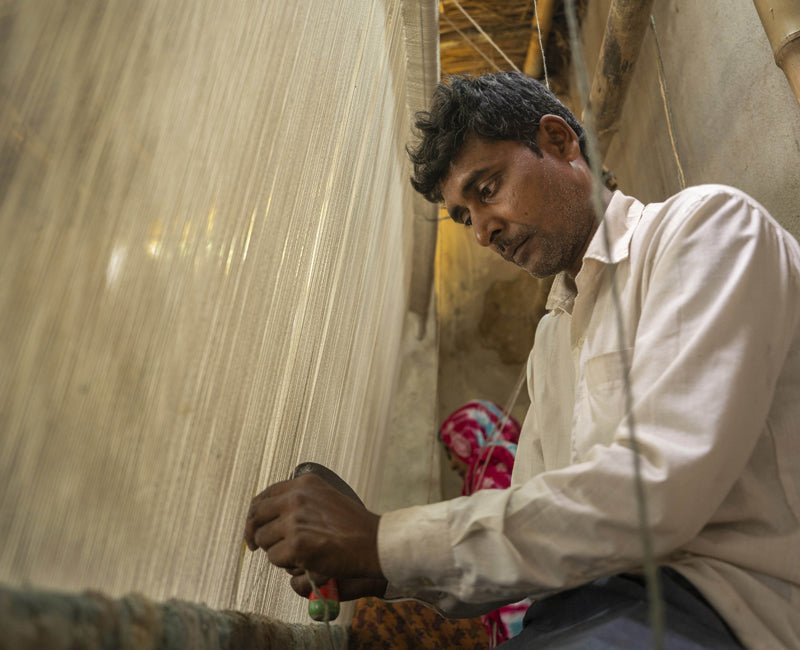
Hand-knotted, hand-woven, and hand-tufted rugs use different techniques. Each creates a distinct structure, so do not assume that every handmade carpet offers identical durability.
Check the product details, confirm the dimensions, and ask about fiber composition if the information is unclear.
Also consider how much maintenance the rug needs. Regular vacuuming, prompt spill treatment, and appropriate cleaning can help preserve its appearance. Delicate fibers may require specialist care.
A well-chosen rug should fit your room aesthetically and your lifestyle practically.
Finding the Right Handmade Carpets for Your Space
Finding the right Handmade Carpets style means balancing design, color, size, texture, and everyday needs. Traditional patterns can introduce heritage and intricate detail, while modern designs offer a different way to bring warmth and personality into contemporary interiors.
Start by measuring your room, identifying its existing colors, and deciding whether your rug should complement the decor or become its focal point. Then compare materials and construction to ensure your choice suits the way you live.
When you are ready to explore your options, visit Handmade Carpets to discover handcrafted designs that could bring your space together.
Frequently Asked Questions
1. How do I choose the right handmade rug for my living room?
Consider the room's dimensions, furniture arrangement, color palette, and foot traffic. Choose a size that connects the seating area and a design that complements your existing decor.
2. Which handmade carpet color works best in a small room?
Light neutrals such as ivory, cream, and beige can help create an open, calm appearance. However, a darker or patterned rug can also work when its scale suits the room.
3. Should my rug match my sofa?
Your rug does not need to match your sofa exactly. Choose complementary colors or repeat a shade from the sofa in the rug to create a coordinated look.
4. Are traditional rugs suitable for modern interiors?
Yes. A traditional rug can add warmth, texture, and contrast to a modern room. Keep the surrounding decor relatively simple if you want the carpet to become the focal point.
5. How do I choose between a traditional and modern handmade rug?
Consider your preferred interior style, existing furniture, and desired atmosphere. Traditional designs offer intricate motifs, while modern rugs often feature abstract patterns, geometric shapes, or restrained palettes.