


Handknotted Carpets: Does Knot Count Really Matter?
When shopping for a handknotted carpet, you may come across descriptions highlighting thousands of knots per square inch. A higher number can sound impressive, but does it actually mean the carpet offers better quality, greater durability, or better value? Without understanding what knot count measures, it is easy to focus on a single specification and overlook more important details.
Handknotted Carpets combine individual knots, carefully selected fibers, and skilled weaving to create distinctive designs. Knot count can tell you something useful about a carpet's construction, especially its capacity for intricate patterns. However, it cannot tell the whole story.
To choose confidently, you need to understand how knot density works, what it means for design and durability, and how it compares with other indicators of craftsmanship. This guide explains what to look for so you can assess a carpet beyond the numbers.
1. What Does Knot Count Mean in a Handknotted Carpet?
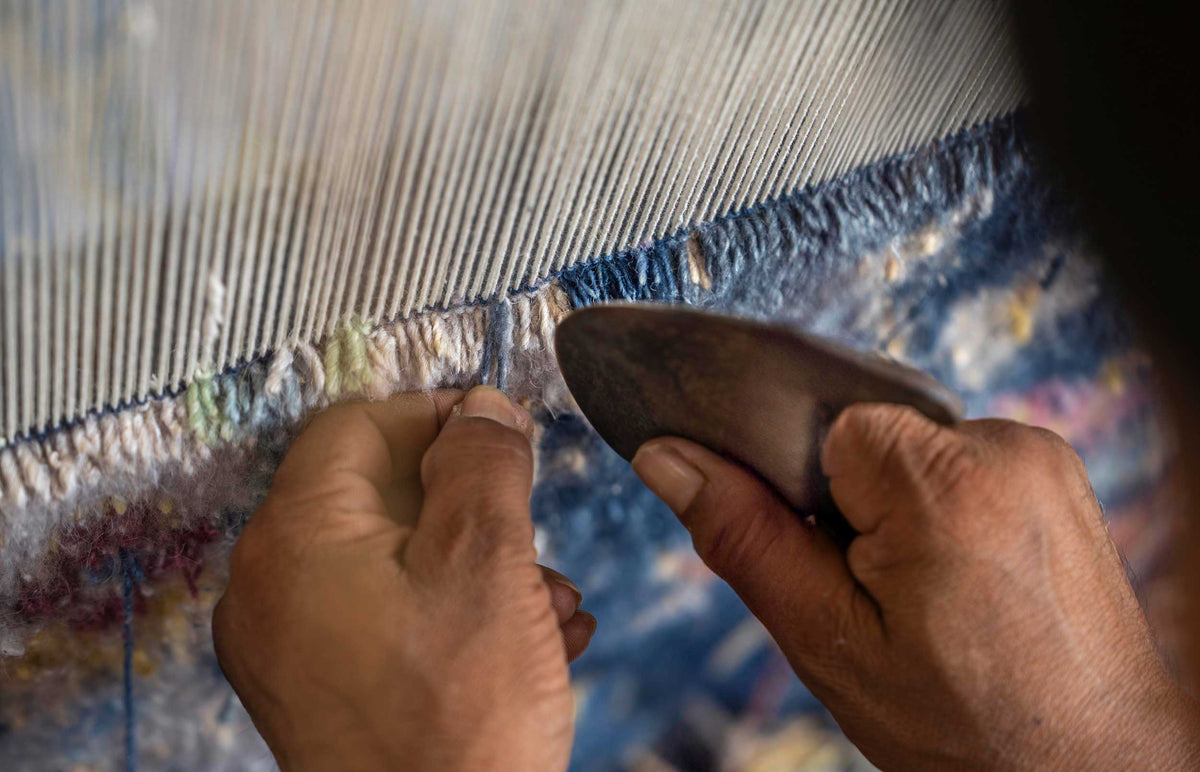
Knot count measures the number of individual knots within a defined area of a carpet. Sellers commonly express it as knots per square inch (KPSI) or knots per square decimeter, depending on the market and measurement system.
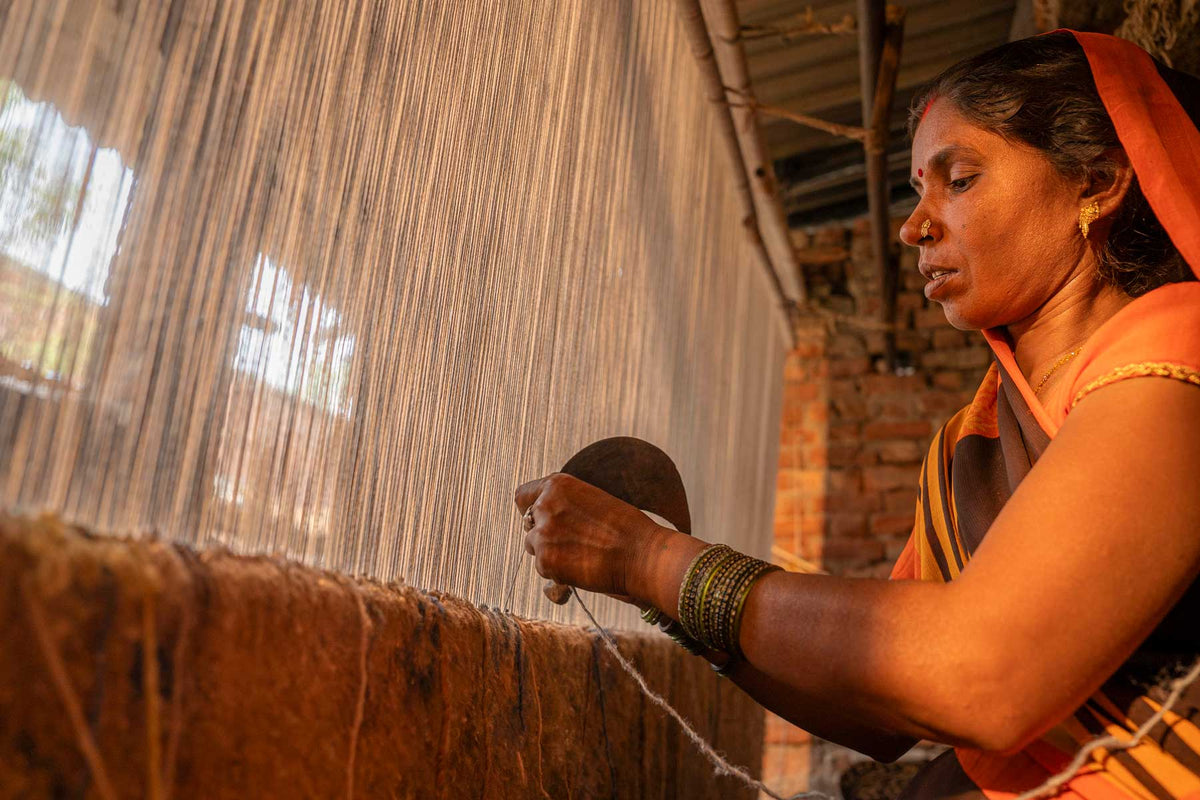
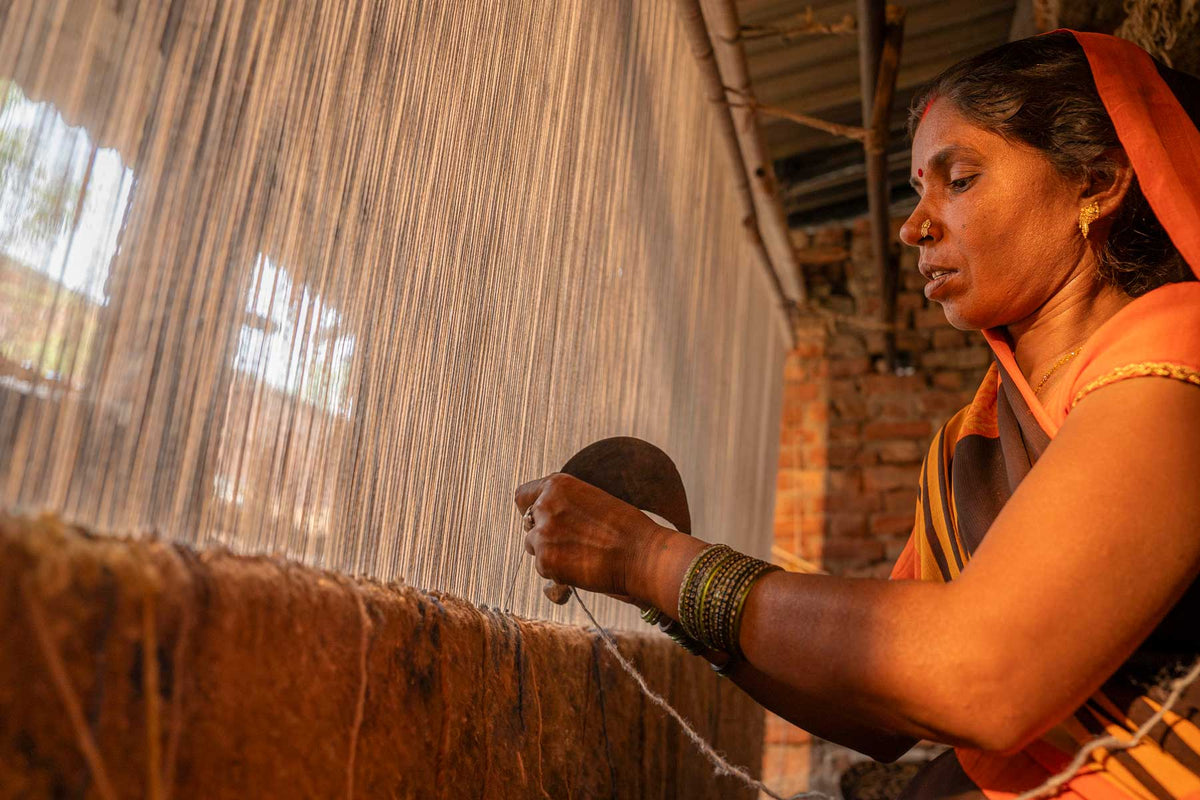
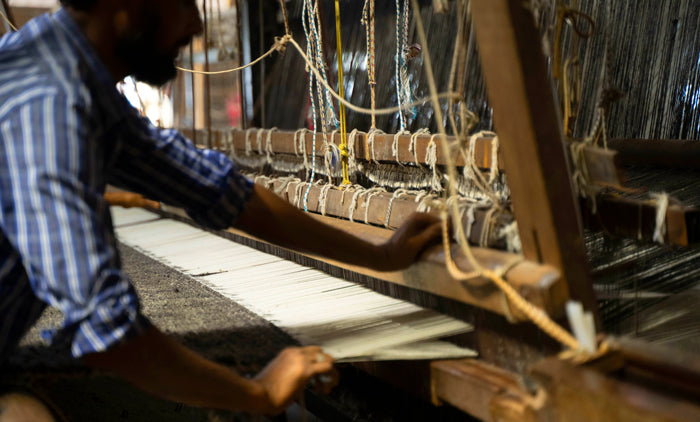
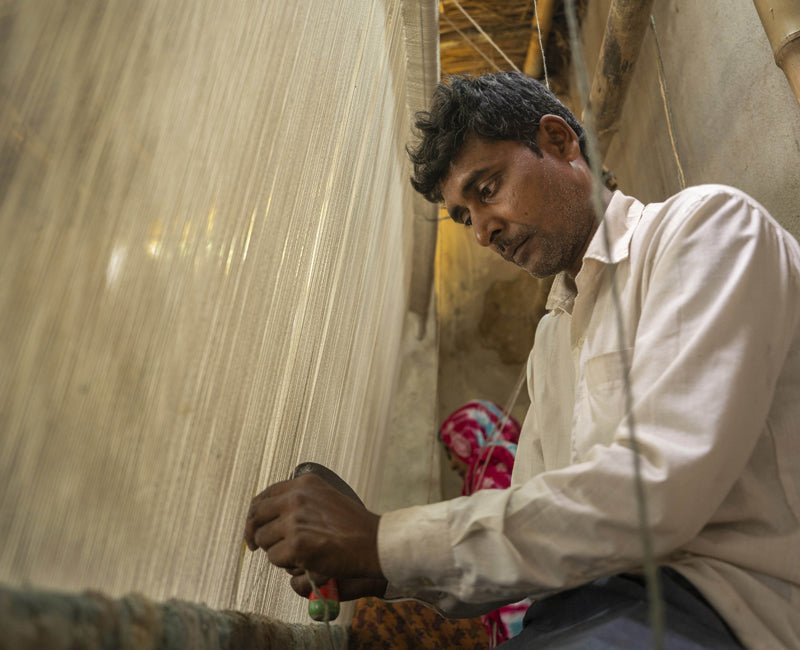
Artisans create a handknotted carpet by tying yarn around the warp threads of a loom. They repeat this process row by row, securing the pile with the woven foundation. The number of knots within a particular area depends on the spacing and arrangement of those knots.
Knot count and knot density
The terms knot count and knot density often describe the same basic measurement: how many knots occupy a given area. However, the measurement unit matters.
For example, a carpet described as having 100 knots per square inch has a different density from one described as having 100 knots per square decimeter. Always check the unit before comparing specifications.
Some sellers also provide a total knot count for the entire carpet. This figure depends on the rug's dimensions as well as its knot density, so it does not offer a fair comparison between rugs of different sizes.
In practical terms, knot density helps you understand the fineness of a carpet's construction. It does not automatically measure the quality of its materials, the strength of its foundation, or the skill behind every design detail.
2. How Knot Count Affects Pattern Detail
One of the clearest benefits of higher knot density is the ability to create intricate patterns. When artisans place more knots within a small area, they have more opportunities to define curves, small motifs, and subtle changes in color.
This makes density particularly relevant when evaluating carpets with elaborate floral designs, detailed medallions, or complex borders.
Fine patterns and visual definition
A densely knotted carpet can reproduce small design elements with greater precision. For example, a detailed flower may require many closely placed color changes to create its shape.
With fewer knots in the same area, the artisan may need to simplify the motif or use larger design elements. That does not make the resulting carpet inferior. Instead, the design must suit the construction.
Consider these differences:
-
Intricate designs: Higher density can support smaller motifs and more detailed outlines.
-
Geometric patterns: Many geometric designs look clear and balanced at moderate densities.
-
Large-scale motifs: Bold medallions and spacious patterns may not require exceptionally fine knotting.
-
Minimalist designs: Simpler compositions can rely on color, texture, and proportion rather than dense detail.
Therefore, consider knot density in relation to the carpet's visual character. A well-executed, simple design can demonstrate excellent craftsmanship without an exceptionally high knot count.
3. Does a Higher Knot Count Mean Better Quality?
Not necessarily. Knot density represents one aspect of construction, while overall quality depends on several interconnected factors.
A carpet with a high knot count may feature intricate artwork, but poor-quality fibers or a weak foundation can still affect its performance. Similarly, a carpet with a more moderate density can offer excellent workmanship, attractive design, and reliable construction.
Look beyond the numbers
When assessing a handknotted carpet, consider the following:
-
Fiber quality: Wool, silk, and other materials differ in texture, resilience, and care requirements.
-
Knot consistency: The knots should form a coherent structure appropriate to the design.
-
Foundation strength: Warp and weft threads support the carpet's construction.
-
Finishing: Secure edges and sound end finishes help protect the rug.
-
Design execution: Motifs should look deliberate and balanced.
-
Condition: Wear, repairs, fading, and structural damage can affect a carpet's usefulness.
These factors work together. A high knot count cannot compensate for every weakness, just as a lower count does not automatically indicate poor workmanship.
For a closer look at the characteristics that influence a carpet's overall quality, explore this guide to Persian carpet quality and value.
4. Knot Density and Carpet Durability
Many buyers assume that more knots always produce a stronger carpet. However, durability depends on the entire construction rather than density alone.
A well-made handknotted carpet uses its knots to secure the pile within a woven foundation. Yet its ability to withstand daily use also depends on the fibers, yarn preparation, weaving technique, and overall condition.
What matters for everyday use?
For a living room or another frequently used space, consider how the carpet will respond to regular foot traffic, furniture, and cleaning.
A dense construction may support a fine, compact surface. Nevertheless, the carpet's material and structural integrity remain essential. A lower-density rug made with resilient wool and sound construction may suit everyday use better than a delicate, finely knotted piece designed primarily for display.
Before buying, ask:
-
Does the pile feel secure?
-
Does the foundation appear stable?
-
Are the edges and corners in good condition?
-
Does the material suit the expected level of traffic?
-
Can the carpet receive the care its fibers require?
These questions offer a more practical assessment of durability than knot count alone.
5. How to Compare Knot Counts Accurately
If you want to compare two carpets using their knot density, make sure the figures follow the same measurement method.
Check the measurement unit
First, confirm whether each seller reports knots per square inch, square centimeter, or another unit. If the units differ, convert them before comparing.
Also, check whether the seller reports knots in both directions or uses a different counting convention. Weaving structures can vary, and inconsistent methods can make two figures difficult to compare.
Examine the actual weave
If possible, turn the carpet over and inspect the reverse. You should be able to see the individual knots and the arrangement of the foundation.
Look for an orderly structure, but remember that handmade carpets naturally contain small variations. Uniformity alone does not prove superior quality.
You can also ask the seller to explain how they calculated the density. A clear answer helps you understand the specification and compare it fairly with other rugs.
For more guidance on the physical signs of skilled weaving, read how to recognize craftsmanship in handknotted carpets.
6. Choosing the Right Knot Density for Your Home
The right knot density depends on your design preferences, the room, and how you plan to use the carpet. Instead of searching for the highest available number, begin with your priorities.
For detailed traditional designs
If you appreciate intricate Persian patterns, a higher knot density may help preserve the definition of small motifs and delicate borders. Examine the design closely to see whether the detail remains clear and balanced.
However, do not dismiss a carpet with a lower count if its pattern looks harmonious and its construction feels sound.
For everyday living spaces
For a busy family room, focus on material resilience, structural integrity, and ease of maintenance. A moderate-density wool carpet may provide the combination of texture and practicality you need.
Also consider the pile height, furniture placement, and how often you expect to clean the rug.
For decorative spaces
In a room where the carpet serves primarily as a focal point, pattern, color, and visual balance may matter more than density. A finely knotted piece can display remarkable detail, while a simpler design can bring equal visual coherence to the space.
Ultimately, the right carpet is one whose construction supports its intended purpose.
7. Knot Count, Craftsmanship, and Long-Term Value
Knot density can influence the time and effort required to create a carpet, particularly when the design includes many small details. However, it does not provide a complete measure of the artisan's skill or the carpet's long-term value.
Craftsmanship also appears in the precision of the pattern, the quality of the materials, the consistency of the weave, and the care taken with finishing.
A carpet's origin, design tradition, condition, and documented history may also affect how buyers assess it. These factors require careful consideration rather than assumptions based on knot count.
When comparing options, look at the complete piece. Ask about its materials and construction, inspect its condition, and consider how well it suits your home. If the seller provides a knot-density figure, treat it as one useful specification among several.
You can explore different designs and weaving traditions through the Hand Made Carpets collection. Use what you have learned to compare each piece based on its construction, appearance, and intended use.
Conclusion: What Knot Count Really Tells You
Handknotted Carpets can vary considerably in knot density, design, materials, and construction. A higher knot count often supports finer pattern detail, but it does not automatically guarantee better quality, greater durability, or stronger long-term value.
The most useful approach is to consider knot density alongside fiber quality, foundation strength, design execution, finishing, and condition. When these elements work together, they provide a much clearer picture of the carpet's craftsmanship.
Before choosing a rug, inspect its reverse, confirm the measurement units, and ask the seller about its materials and construction. Then consider how the carpet will fit your space and lifestyle. With this broader perspective, you can make a confident choice based on the qualities that genuinely matter to you.
Frequently Asked Questions
1. What is a good knot count for a handknotted carpet?
There is no single ideal knot count. The appropriate density depends on the design, materials, weaving tradition, and intended use. Intricate patterns often benefit from higher density.
2. Does a higher knot count mean a better carpet?
No. Higher density can support finer details, but material quality, construction, finishing, and condition also determine overall quality.
3. How do I check a carpet's knot count?
Inspect the reverse and count the knots within a measured area, or ask the seller for the density and measurement method. Ensure you use the same units when comparing rugs.
4. Are low-knot-count carpets durable?
They can be. Durability depends on the fibers, foundation, weaving quality, and intended use, not knot density alone.
5. Is knot count important when buying a Persian carpet?
It can help you assess the fineness of the pattern, especially in intricate designs. However, examine the materials, craftsmanship, condition, and overall design as well.