

Article: Handknotted Carpets: Everyday Habits That Help Them Last
Handknotted Carpets: Everyday Habits That Help Them Last
A handknotted carpet can bring warmth, texture, and character to a room, but everyday life inevitably exposes it to dust, foot traffic, spills, and furniture pressure. Without a practical care routine, these small stresses can gradually affect its appearance and condition. The good news is that protecting a valuable rug does not require complicated cleaning rituals. A few consistent habits can make a meaningful difference.
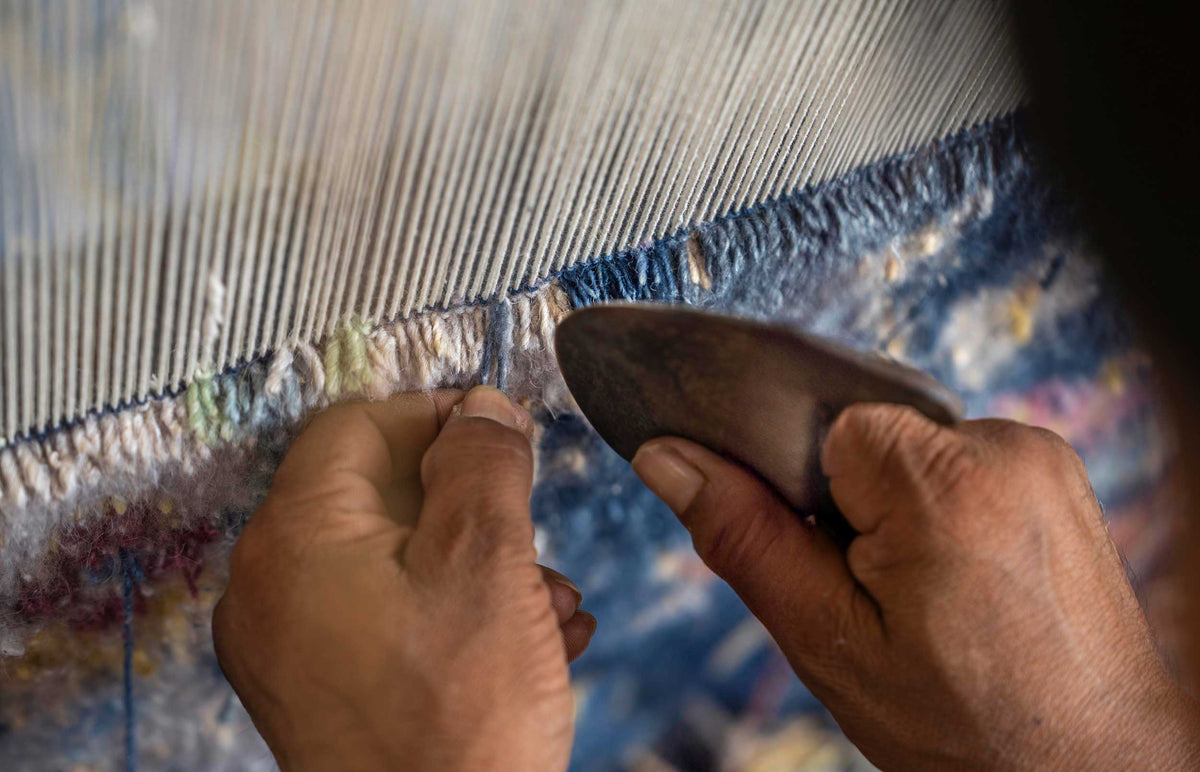
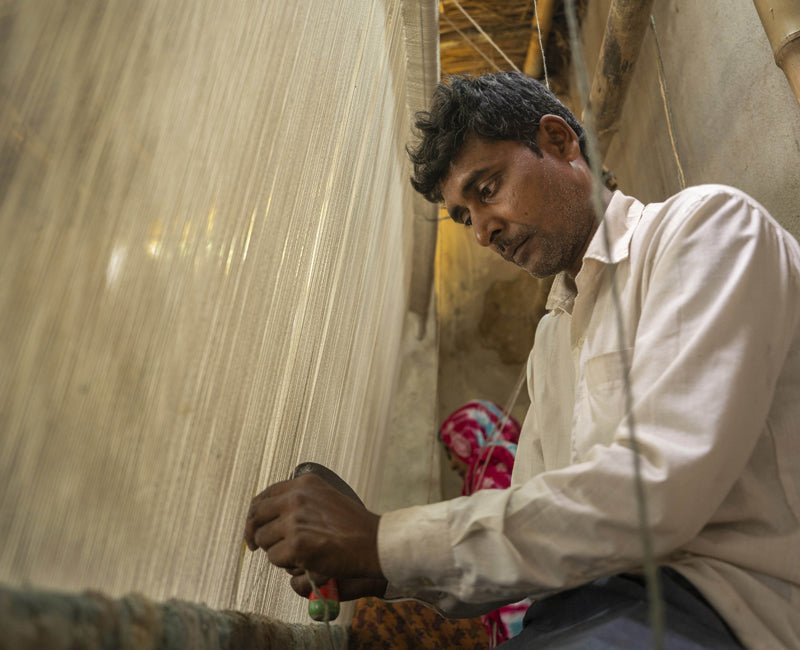
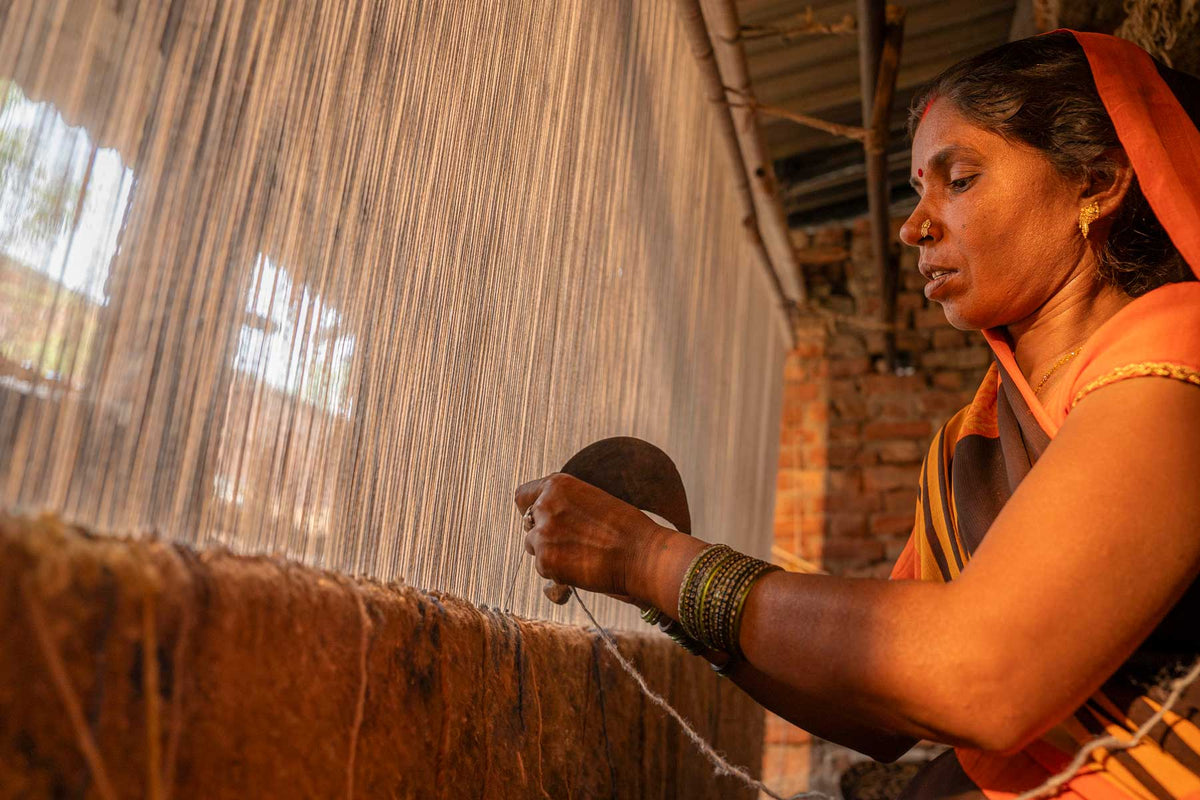
Handknotted Carpets feature individual knots tied around the foundation, creating a distinctive structure that skilled artisans build one row at a time. Their longevity depends on the quality of their materials and construction, but regular care also plays an important role. By managing dirt, responding quickly to spills, and preventing unnecessary wear, you can help your carpet remain attractive and functional for years.
Here are the everyday habits worth building into your home routine.
1. Keep Dust and Grit from Building Up
Dust may seem harmless, but fine particles can settle deep between carpet fibers. When people walk across the surface, those particles move against the yarn and contribute to gradual wear. Regular cleaning helps prevent this buildup before it becomes difficult to remove.
Vacuum with the right technique
Vacuum your carpet regularly, adjusting the frequency to its location and how much traffic it receives. A rug in a busy living room generally needs more attention than one in a quiet bedroom.
Use a vacuum setting suitable for the pile. If your carpet has a delicate surface, long fringe, or loose fibers, avoid aggressive rotating brushes that could pull at the yarn.
For better results:
-
Move the vacuum slowly rather than rushing across the surface.
-
Avoid running the vacuum directly over fringe.
-
Use a suction-only attachment when the pile requires gentler treatment.
-
Check the manufacturer's care instructions before using unfamiliar equipment.
You do not need to vacuum excessively. The goal is to remove loose dirt without stressing the fibers.
Address dust around the rug
Regularly clean the surrounding floor as well. Dust from nearby surfaces can settle onto the carpet, particularly in rooms with open windows or frequent activity.
For traditional or delicate rugs, ask a specialist about appropriate dust-removal methods. Vigorous beating or shaking can damage fibers and weaken the foundation, especially in older pieces.
2. Respond to Spills Before They Become Stains
Accidents happen in every home. Coffee, juice, food, and muddy footprints can leave marks if they remain on the fibers. Acting promptly gives you a better chance of preventing a spill from becoming a lasting stain.
Blot instead of rubbing
When a spill occurs, reach for a clean, absorbent, light-colored cloth. Gently blot the affected area to lift as much liquid as possible.
Rubbing can spread the spill, push it deeper into the pile, and disturb the fibers. Instead, work from the outside of the spill toward the center to help limit its spread.
Follow these steps:
-
Remove solid material carefully with a spoon or blunt edge.
-
Blot excess liquid with a clean cloth.
-
Use a small amount of cool water only if the carpet's care instructions permit it.
-
Blot again with a dry cloth.
-
Allow the area to dry thoroughly.
Avoid applying household cleaners, bleach, or strong stain removers without checking their suitability. Some products can alter dyes, damage wool, or leave residues that attract more dirt.
For persistent stains, consult a rug-cleaning professional who understands handknotted construction and the carpet's fibers.
3. Protect Your Carpet from Furniture and Heavy Foot Traffic
Repeated pressure can flatten pile, while furniture legs can create dents or stress particular sections of the foundation. Fortunately, small changes in how you arrange a room can reduce these effects.
Use furniture pads
Place suitable protective pads beneath heavy furniture legs. These pads help distribute pressure and reduce direct contact between furniture and the carpet.
Check them periodically to make sure they remain clean and in good condition. A damaged or dirty pad can create its own problem by trapping grit or transferring marks.
Rotate the carpet periodically
Rotating a rug helps distribute wear more evenly. Sunlight, walking routes, and furniture placement often expose one section to more stress than another.
Consider rotating your carpet every six to twelve months, depending on its location and use. Before moving it, check whether the rug pad needs repositioning as well.
However, do not force a heavy or fragile carpet into a new position. Ask for help when necessary, and take extra care with antique pieces or rugs with unstable edges.
4. Keep Sunlight and Moisture under Control
Light and moisture can affect a carpet gradually, even when you clean it regularly. Strong sunlight may fade dyes, while excess moisture can encourage odors, mildew, or damage to the foundation.
Limit prolonged direct sunlight
If sunlight falls directly onto your carpet for several hours each day, consider using curtains, blinds, or window coverings during the brightest periods.
You can also rotate the rug periodically to help distribute light exposure. Keep in mind, however, that rotation cannot reverse fading that has already occurred.
Natural dyes and different fibers respond differently to light. If you own a particularly delicate or antique carpet, ask a specialist how to protect its colors.
Prevent moisture from lingering
Avoid leaving wet shoes, damp towels, or plant containers directly on the carpet. If water spills onto the rug, blot it promptly and allow the area to dry completely.
Good room ventilation can help. If the carpet becomes soaked, develops a persistent musty smell, or shows signs of mildew, seek professional advice rather than relying on surface drying alone.
Do not use intense heat to speed up drying. Excessive heat can affect fibers and may create additional problems for certain materials.
5. Use a Suitable Rug Pad and Keep the Edges Secure
A good rug pad does more than prevent slipping. It can also reduce friction between the carpet and the floor, improve comfort, and help limit movement during everyday use.
Choose a pad designed for your flooring type and the weight of your carpet. Make sure it does not contain materials that could discolor or damage the floor beneath it.
Check the pad occasionally for dust, moisture, or deterioration. If it shifts, trim incorrectly, or begins to break down, replace it.
Pay attention to fringe and edges
The edges and fringe of a handknotted carpet form important parts of its structure. Avoid pulling loose threads or allowing pets and vacuum attachments to catch them.
If you notice unraveling, do not trim the threads yourself. A qualified rug repairer can determine whether the issue needs a simple edge repair or more extensive restoration.
For a closer look at how construction and finishing influence a carpet's condition, read about the signs of skilled handknotted craftsmanship.
6. Build a Simple Weekly and Seasonal Care Routine
A practical routine makes carpet care easier because you can address small issues before they become larger problems. You do not need to perform every task each day. Instead, match the routine to your carpet's location and condition.
Everyday habits
-
Remove shoes before walking across the rug if practical.
-
Clean up food and liquid spills promptly.
-
Keep pets' nails trimmed to reduce snagging.
-
Avoid dragging furniture across the pile.
-
Check for damp spots after cleaning or accidental spills.
Weekly habits
Vacuum according to the level of foot traffic. Look for crumbs, pet hair, loose threads, or new marks. Also check whether the rug pad remains flat and secure.
Seasonal habits
Inspect the carpet's edges, corners, and underside. Look for signs of moth activity, unusual shedding, moisture, or changes in the foundation.
If you plan to store the rug, clean it appropriately first and make sure it is completely dry. Roll it rather than folding it, use a breathable protective covering, and store it in a clean, dry place. For valuable or delicate carpets, seek professional storage advice.
For more general guidance, see these simple care tips for everyday living with handmade carpets.
7. Know When to Call a Professional
Routine care can manage ordinary dust and minor spills, but some problems need specialist attention. Deep cleaning, dye bleeding, structural damage, and persistent odors can require techniques that differ from standard household cleaning.
A professional rug cleaner can assess the fibers, dyes, construction, and condition before recommending a treatment.
Seek expert advice if you notice:
-
Persistent stains that do not respond to gentle blotting.
-
Loose knots, unraveling edges, or damaged fringe.
-
A musty smell that remains after the carpet dries.
-
Significant color bleeding or fading.
-
Extensive water exposure.
-
Unusual holes, thinning areas, or possible moth damage.
The WoolSafe organisation provides information about wool carpet care and cleaning. Its resources can help you understand why suitable products and qualified cleaning practices matter.
For antique, silk, or otherwise delicate rugs, choose a specialist with experience in the relevant materials and weaving tradition.
Conclusion: Make Everyday Care a Lasting Habit
Handknotted Carpets can remain a treasured part of your home when you combine their quality construction with thoughtful daily care. Regular vacuuming, prompt spill treatment, protection from furniture pressure, and sensible control of sunlight and moisture all help reduce preventable wear.
The most effective routine is one you can maintain consistently. Pay attention to your carpet's materials, construction, and location, and avoid harsh cleaning methods that could cause damage. When a problem goes beyond ordinary maintenance, professional advice can help protect the rug's structure and appearance.
If you are exploring traditional designs or considering a new piece for your home, take a look at the Hand Made Carpets collection. Choose a carpet that suits your space, then give it the simple, regular care that helps it remain part of your home for years to come.
Frequently Asked Questions
1. How often should I vacuum a handknotted carpet?
Vacuum according to foot traffic. Busy living areas may need weekly or more frequent cleaning, while rugs in quieter rooms may need less. Use a setting suitable for the pile and avoid the fringe.
2. Can I clean spills on a handknotted carpet myself?
Yes, for many fresh spills. Blot gently with a clean cloth, avoid rubbing, and follow the carpet's care instructions. For stubborn stains or delicate fibers, contact a professional.
3. Does sunlight damage handknotted carpets?
Prolonged direct sunlight can fade some dyes and fibers. Use curtains or blinds to limit exposure, and consider rotating the rug to distribute light and wear.
4. Should I use a rug pad under a handknotted carpet?
A suitable rug pad helps prevent slipping, reduces friction, and can improve comfort. Choose one compatible with both the carpet and your floor.
5. When should I have my handknotted carpet professionally cleaned?
Consider professional cleaning when the rug needs deep cleaning, has persistent stains or odors, shows dye bleeding, or has delicate fibers. A specialist can recommend a suitable treatment.