

Handknotted Carpets: Signs of Careful, Skilled Craftsmanship
Choosing a handknotted carpet can feel overwhelming when two rugs look similar but differ significantly in quality, texture, and construction. Beautiful patterns alone do not reveal how much skill went into making a carpet. To understand its craftsmanship, you need to look more closely at the knots, materials, design details, and finishing.
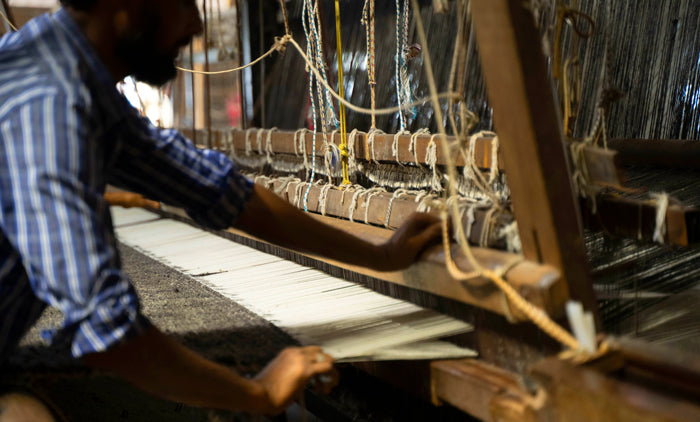
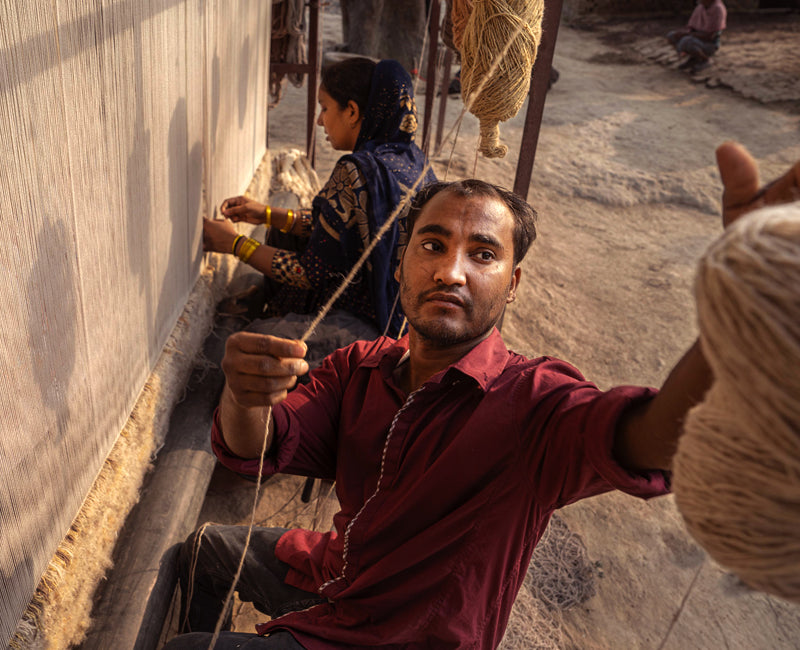
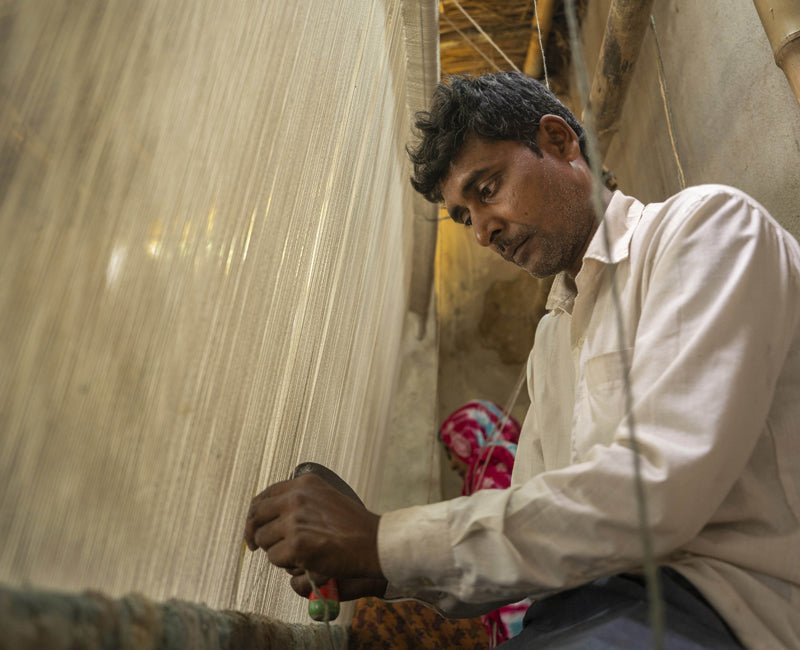
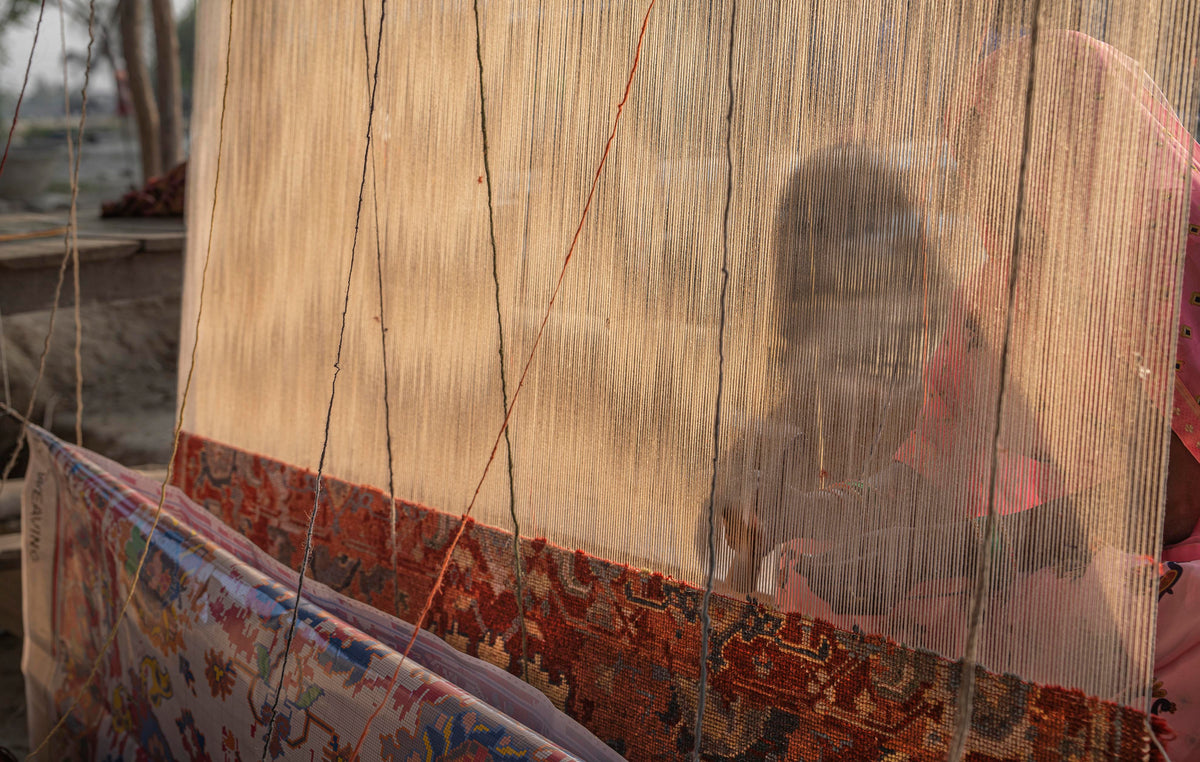
Handknotted Carpets stand out because artisans create each one by tying individual knots around the warp threads of a loom. This traditional process requires patience, precision, and a strong understanding of textile techniques. Although small variations naturally occur, the finest examples demonstrate thoughtful workmanship throughout their construction.
Knowing what to look for helps you distinguish careful craftsmanship from superficial decoration. Whether you are selecting a traditional Persian design or a contemporary piece, these signs can help you make a more informed choice.
1. Examine the Knotting Technique
The foundation of a handknotted carpet lies in the individual knots that secure its pile. Unlike machine-made rugs, which rely on automated production methods, handknotted pieces develop through the repeated movements of an artisan.
Each knot contributes to the carpet's structure, surface, and ability to hold its design. Therefore, examining the knotting technique offers one of the clearest ways to understand how a rug was made.
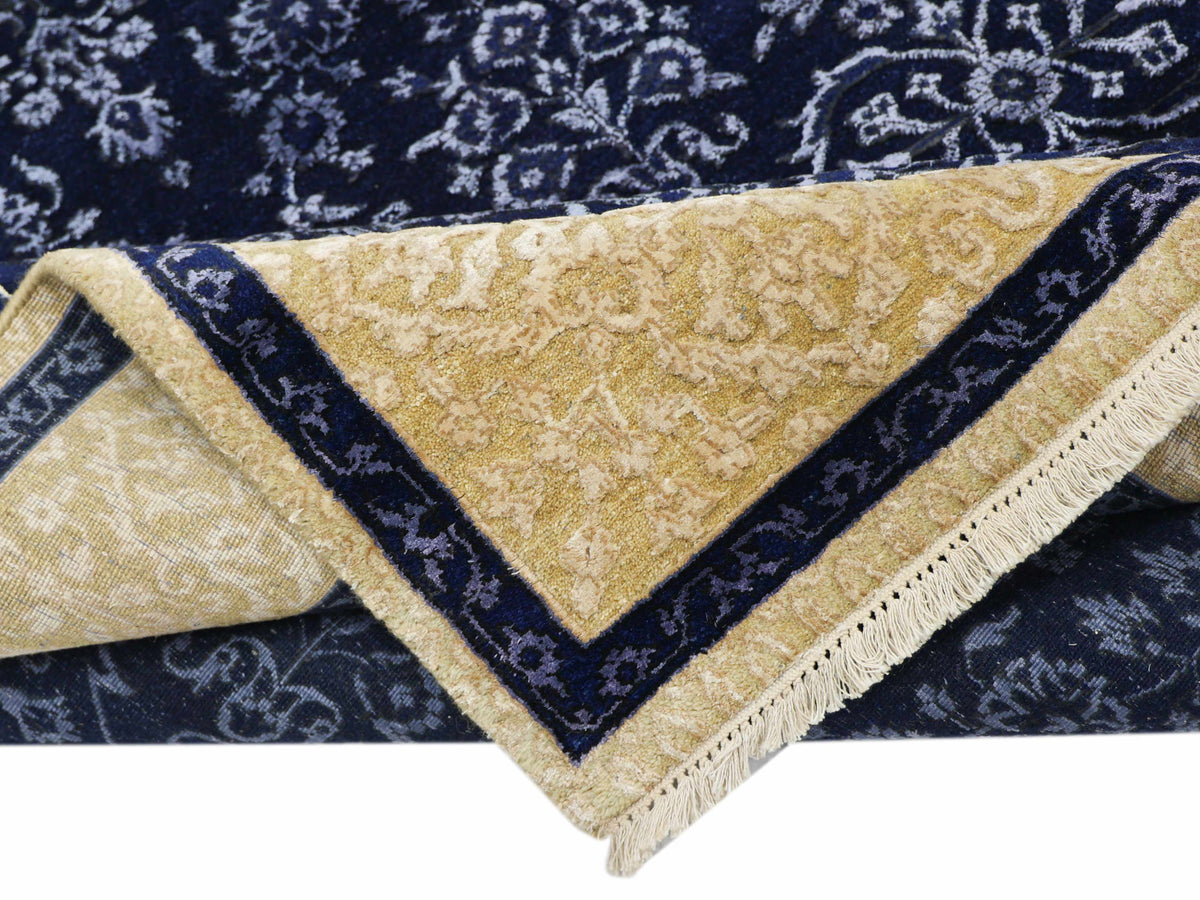
Look at the back of the carpet
Turn the carpet over and examine its reverse side. In a handknotted piece, you can usually see individual knots and the structure of the underlying weave.
Look for these characteristics:
-
Visible individual knots: The reverse reveals the small units that form the pile.
-
Consistent construction: Knot rows generally follow an orderly pattern, even when minor variations appear.
-
Clear design details: Many colors and motifs remain recognizable on the back, although their appearance may differ from the front.
-
Natural irregularities: Small differences in knot shape or spacing can reflect the handmade process.
A perfectly uniform reverse does not automatically indicate superior quality. Instead, consider whether the construction looks sound, deliberate, and appropriate for the carpet's design.
For a broader understanding of traditional techniques, explore this guide to Persian rugs and authentic craftsmanship.
2. Assess Knot Density and Structural Consistency
Knot density describes how many knots a carpet contains within a particular area. Sellers may express this measurement as knots per square inch or another standard unit.
Higher knot density can allow artisans to create fine curves, intricate floral details, and complex geometric patterns. However, density alone does not determine whether a carpet offers excellent craftsmanship.
Understand what knot density tells you
A finely knotted carpet often supports detailed designs because the artisan can place more individual knots within a small space. Nevertheless, a lower-density rug can demonstrate equally thoughtful workmanship when its design calls for larger motifs and a more substantial texture.
When assessing density, consider:
-
Pattern complexity: Fine details often benefit from closely spaced knots.
-
Construction stability: The pile should feel secure rather than loose or unstable.
-
Design suitability: Knot density should support the intended appearance of the carpet.
-
Overall balance: Density matters alongside materials, finishing, and structural integrity.
Avoid choosing a carpet based solely on a high knot-count claim. Measurement methods can vary, and a dense construction does not guarantee good wool, balanced proportions, or durable finishing.
Instead, assess the carpet as a complete object. Skilled craftsmanship comes from the relationship between technique, material, and design.
3. Inspect the Materials and Fiber Quality
Even highly skilled knotting cannot compensate for unsuitable or poorly prepared materials. The fibers influence how a carpet feels, how it responds to everyday use, and how its surface changes over time.
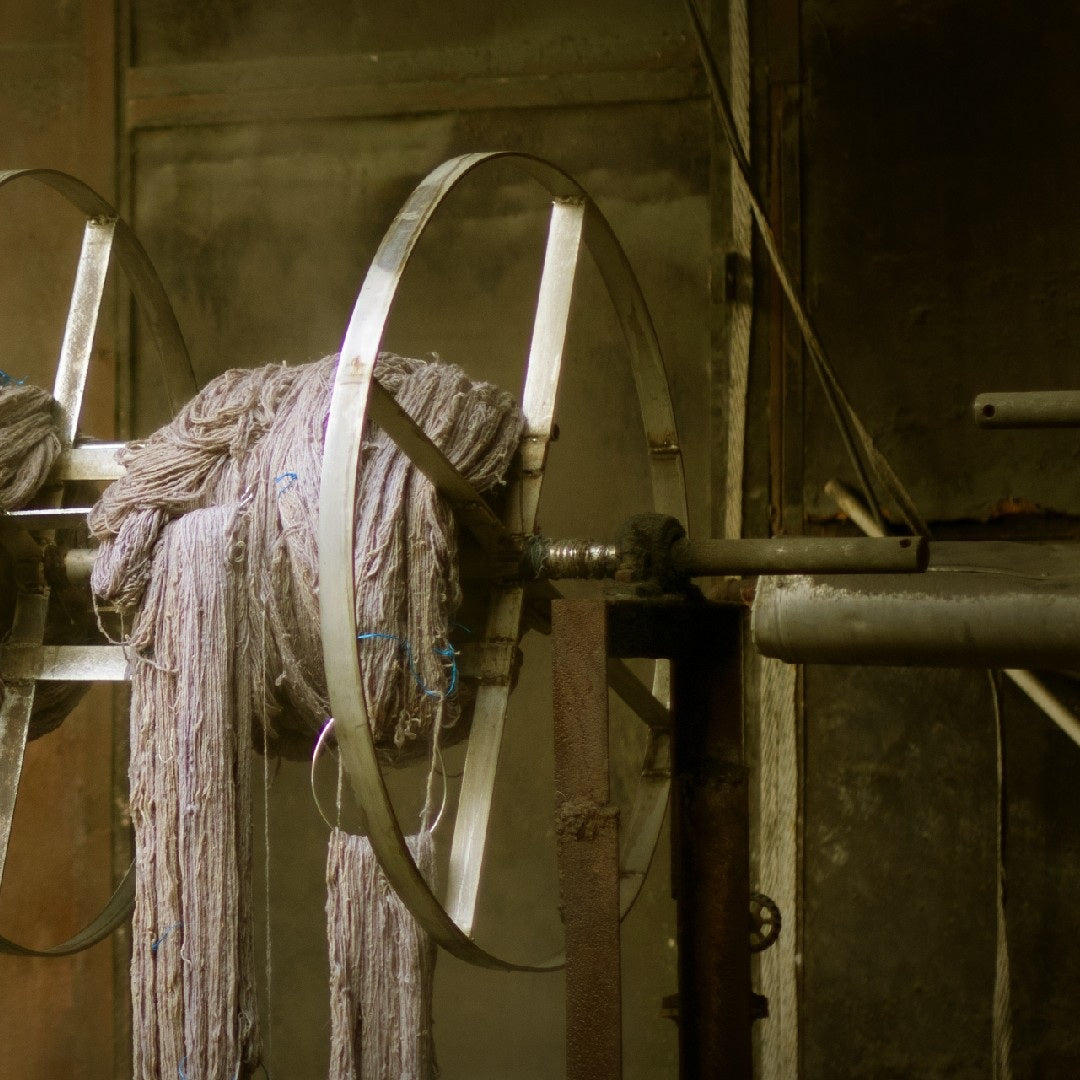
Wool remains a common material for traditional handknotted carpets because it offers resilience, warmth, and a naturally textured surface. Silk can provide a finer appearance and subtle sheen, while cotton often serves as a foundation material in the warp or weft.
What to look for in wool
Good-quality wool should feel reasonably soft and resilient for its intended use. Run your hand gently across the pile and notice whether it feels comfortable, springy, and consistent with the carpet's style.
Natural wool can contain slight variations in texture. These differences do not necessarily indicate poor quality. However, an unusually harsh surface, excessive shedding, or weak-looking fibers may deserve closer inspection.
Understand the role of other fibers
Silk can create delicate details and reflective highlights, especially in intricate designs. However, its suitability depends on the room, foot traffic, and care requirements.
Cotton commonly provides structural support. Its quality and preparation matter because the foundation helps maintain the carpet's shape.
Before buying, ask the seller which fibers the carpet contains, whether the pile and foundation use different materials, and how those materials affect maintenance.
For additional background on carpet traditions and materials, the Encyclopaedia Britannica guide to Persian carpets offers useful historical context.
4. Study the Pattern and Colorwork
A well-executed design reveals how carefully an artisan planned and followed the pattern. In a handknotted carpet, the design develops knot by knot, so the placement of colors and motifs requires sustained attention.
Look at the carpet from a comfortable distance first. Then move closer to inspect the details.
Check pattern definition
Examine whether the main motifs remain recognizable and whether the composition feels balanced. Floral elements, medallions, borders, and geometric shapes should work together rather than compete for attention.
Traditional designs may contain slight asymmetries. In some weaving traditions, these differences reflect the handmade process rather than a flaw. Therefore, do not expect every motif to match with machine-like precision.
Instead, check for intentional-looking variation and coherent design.
Observe how colors interact
Artisans must manage color changes carefully to create clear shapes and smooth transitions. Look for:
-
Distinct boundaries between contrasting colors.
-
Balanced distribution of colors across the design.
-
Clear details in smaller motifs.
-
A harmonious relationship between the central field and border.
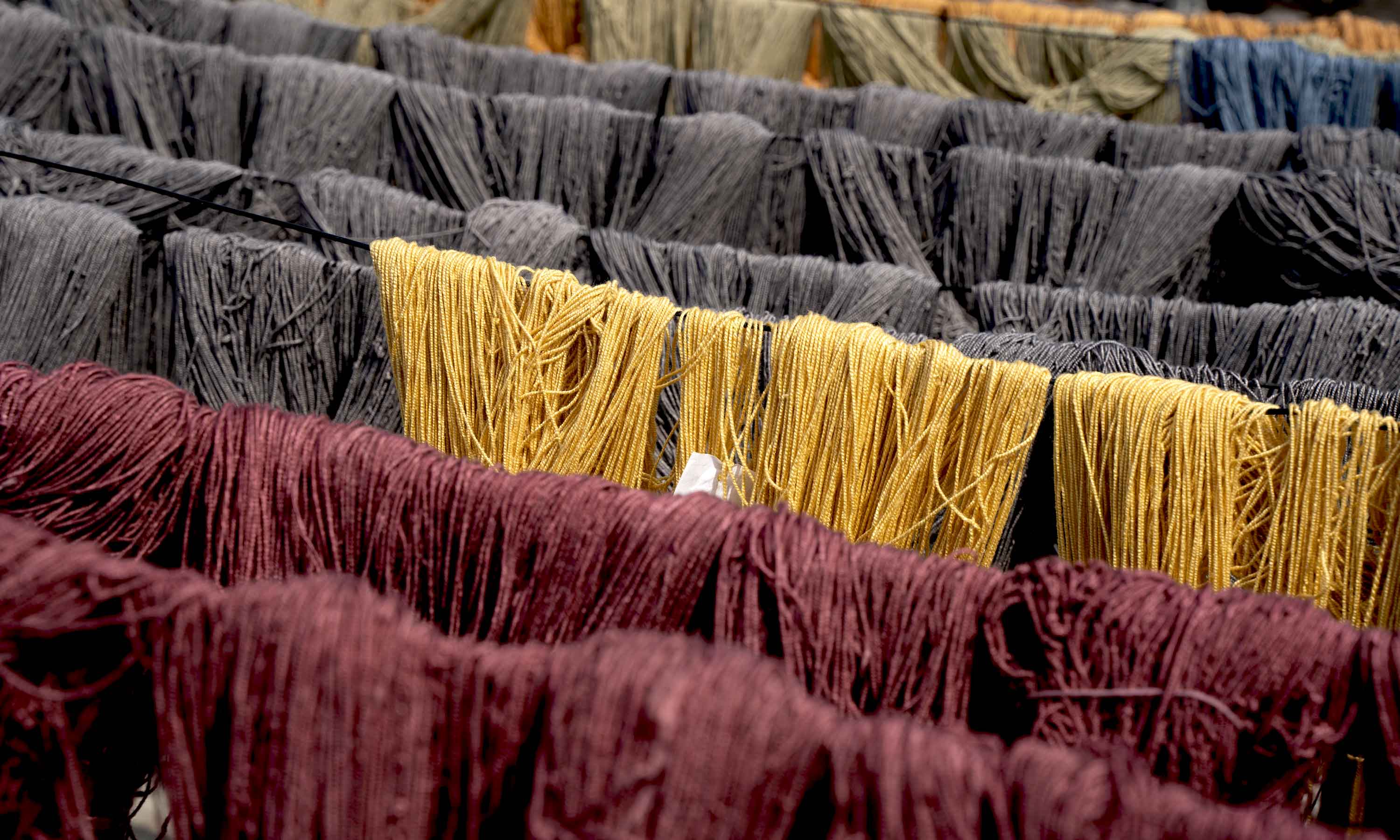
Natural dyes may produce subtle variations, while different lighting conditions can change how colors appear. These characteristics can contribute to a carpet's visual depth.
However, unexplained discoloration, conspicuous stains, or patchy fading may indicate damage or uneven wear. Ask about the carpet's dyeing process and condition if you notice anything unusual.
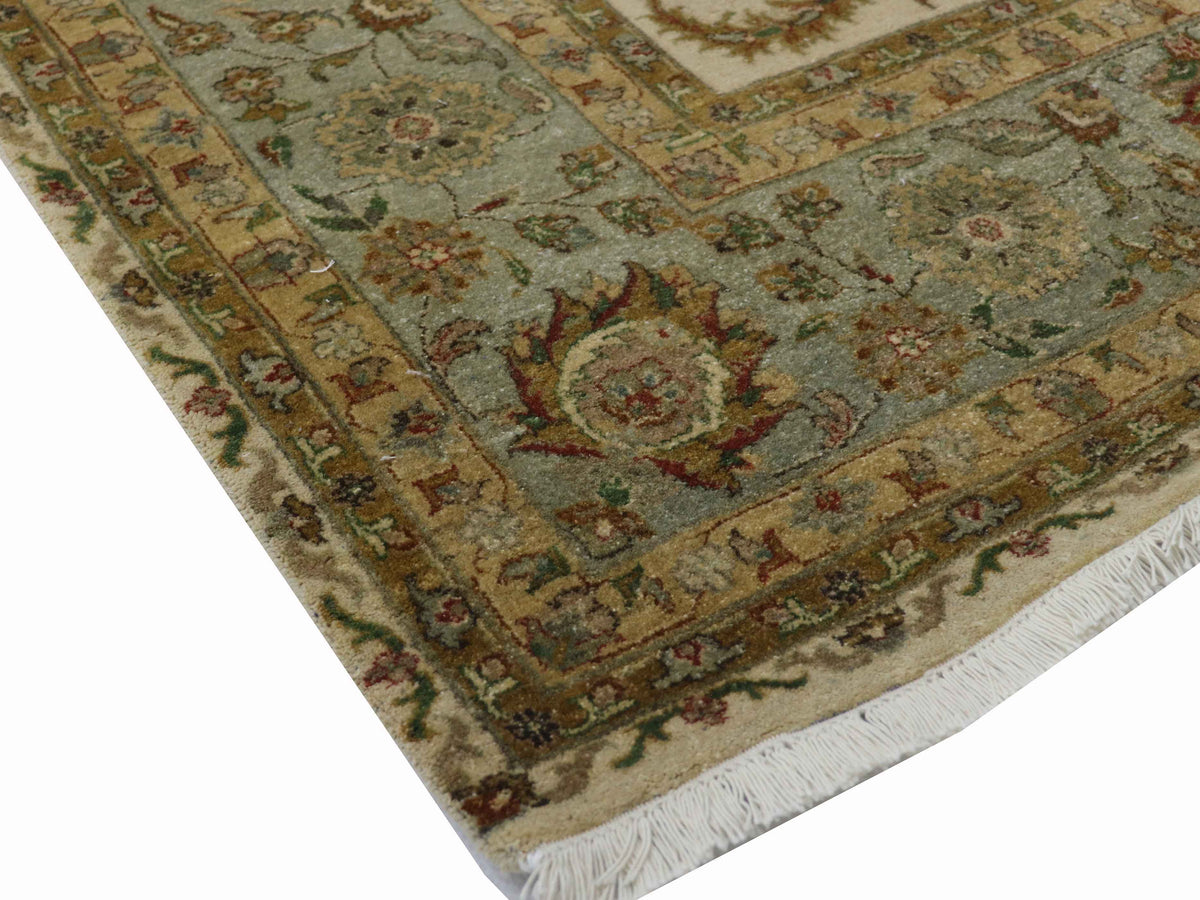
5. Evaluate the Edges, Sides, and Finishing
The edges and ends provide important clues about a carpet's construction. Even when the central design looks impressive, weak finishing can affect the carpet's stability and long-term appearance.
Inspect the sides, fringe, and corners carefully. These areas experience handling and can reveal loose threads, repairs, or structural problems.
Examine the side bindings
The side edges, often called the selvedges, help protect the carpet's structure. They should look secure and reasonably consistent along the length of the rug.
Check for:
-
Loose or unraveling side bindings.
-
Uneven repairs that interrupt the edge.
-
Fraying or exposed structural threads.
-
Corners that appear distorted or weakened.
Some handmade carpets naturally have slight variations in shape. Nevertheless, substantial distortion or deteriorating edges deserves attention.
Check the ends and fringe
The fringe often consists of the carpet's warp threads extending beyond the woven body. It should not look like a separate decorative addition unless the construction specifically uses one.
Avoid pulling the fringe to test its strength. Instead, inspect it visually for broken threads, missing sections, or signs of aggressive trimming.
Careful finishing helps preserve the carpet's structure. It also shows that the maker considered details beyond the visible pattern.
6. Consider Proportion, Texture, and Overall Balance
Craftsmanship involves more than individual knots. A well-made carpet brings its construction, design, texture, and dimensions together in a coherent way.
Lay the carpet flat, if possible, and observe its overall shape. Slight irregularities may occur in handmade textiles, but pronounced curling, uneven corners, or significant distortion can affect how the rug sits in a room.
Run your hand across the pile in different directions. Wool can look lighter or darker depending on how its fibers lie. This directional effect, sometimes called shading, can create visual movement without indicating a defect.
Also consider the relationship between the pile height and the design. A plush pile can create a soft, substantial feel, while a lower pile may reveal fine details more clearly.
Neither option automatically indicates better workmanship. The right construction depends on the carpet's intended use and design.
When evaluating a piece, consider how these qualities work together rather than judging each feature in isolation.
7. Match Craftsmanship with Long-Term Care
A carefully made carpet still needs appropriate care. Even durable materials can suffer from grit, moisture, direct sunlight, and unsuitable cleaning products.
Before purchasing, consider where the carpet will sit and how much use it will receive. A busy living room, a quiet bedroom, and a decorative space have different practical requirements.
To help protect your investment:
-
Vacuum regularly using a setting suitable for the carpet's pile.
-
Avoid aggressive brushing or pulling at loose fibers.
-
Blot spills promptly with a clean, absorbent cloth.
-
Keep the carpet away from prolonged, intense sunlight where possible.
-
Use a suitable rug pad to reduce movement and friction.
-
Seek advice from a qualified rug specialist for deep cleaning or significant damage.
For delicate fibers, unstable dyes, or antique pieces, professional assessment can prevent inappropriate treatment.
You can also explore the Hand Made Carpets collection to consider how different styles and constructions may suit your interior.
8. Ask the Right Questions Before Buying
A seller's description can help, but specific questions provide a clearer picture of the carpet's origin, construction, and condition.
Before making a decision, ask:
-
Is the carpet entirely handknotted, and which parts use other construction methods?
-
What materials form the pile and foundation?
-
Where was it made, and what weaving tradition does it follow?
-
Are the colors produced with natural dyes, synthetic dyes, or a combination?
-
Has the carpet undergone repairs, restoration, or significant cleaning?
-
What care routine does the seller recommend?
If the seller provides information about knot density, ask how they measured it. If they describe a carpet as antique or from a particular region, request supporting details where available.
A transparent explanation helps you understand what you are buying without relying on appearance alone.
It is also useful to consider the relationship between craftsmanship, materials, condition, and expected use. This broader perspective can help you assess the qualities that shape Persian carpet quality and value.
Conclusion: Recognizing Skilled Handknotted Carpets
The signs of skilled craftsmanship appear throughout a carpet, from its individual knots and fiber quality to its pattern, edges, and finishing. No single feature tells the whole story. Instead, examine how the construction, materials, and design work together.
Handknotted Carpets can offer distinctive texture, intricate patterns, and the character of traditional weaving. By inspecting the reverse, assessing the materials, checking the finishing, and asking informed questions, you can make a choice that suits both your taste and your practical needs.
Take your time when comparing different pieces, and consider how each carpet will perform in your home. With a closer understanding of craftsmanship, you can appreciate not only the finished design but also the careful work behind it.
If you are exploring options for your space, browse the Hand Made Carpets collection and use these details to guide your next step.
Frequently Asked Questions
1. What are the main signs of a handknotted carpet?
Look for visible individual knots on the reverse, secure construction, carefully executed patterns, quality fibers, and well-finished edges. Assess these features together rather than relying on one detail.
2. How can I tell if a carpet is handknotted?
Examine the back for individual knots and the woven foundation. The fringe may also consist of the carpet's own warp threads. When uncertain, ask the seller to explain the construction.
3. Does a higher knot count mean better craftsmanship?
Not necessarily. Higher density can support intricate patterns, but material quality, structural integrity, design, and finishing also matter. The appropriate density depends on the carpet's intended style.
4. Are slight irregularities normal in handknotted carpets?
Yes. Minor variations in shape, knotting, or pattern can occur during handmade production. However, severe distortion, unraveling, or unexplained damage warrants closer inspection.
5. How do I maintain a handknotted carpet?
Vacuum gently and regularly, blot spills promptly, limit prolonged direct sunlight, and use a suitable rug pad. For delicate materials or deep cleaning, consult a professional rug specialist.