

Persian Carpets: Exploring the Stories Behind Classic Motifs
Have you ever looked at a Persian carpet and wondered what its intricate flowers, central medallions, and repeating geometric shapes represent? These designs can make a room feel rich with history, yet their meanings are not always obvious. Some motifs draw inspiration from nature, while others reflect artistic traditions, regional styles, or symbolic interpretations passed down through generations.
Understanding these patterns adds another layer of appreciation when choosing a traditional rug. Persian Carpets are more than decorative floor coverings: their designs connect materials, skilled weaving, and visual traditions that have evolved over centuries.
However, it is important to approach their symbolism with care. A motif may carry different associations depending on its region, period, and context. Rather than assuming every symbol has one fixed meaning, explore the stories and design principles that make Persian carpets so distinctive.
1. How Persian Carpet Motifs Reflect Cultural Traditions
Persian carpet designs developed across a wide range of communities, landscapes, and weaving centers. As a result, no single visual language represents every Iranian carpet. Urban workshops, village weavers, and tribal traditions have each contributed different approaches to pattern, color, and composition.
Weavers draw on familiar motifs, adapt established designs, and sometimes introduce personal variations. A pattern may reflect local artistic preferences, the influence of architecture, or the natural environment surrounding a weaving community.
Designs passed between generations
In many weaving traditions, makers learn patterns through practice, observation, and instruction. They may work from established designs or rely on knowledge accumulated through experience.
This continuity helps preserve recognizable motifs. At the same time, each generation can reinterpret them through changes in color, scale, and arrangement.
Symbolism depends on context
People often associate Persian carpet motifs with ideas such as abundance, protection, nature, or paradise. These interpretations can be meaningful, but they do not apply universally to every rug.
A floral shape, for example, may primarily serve an artistic purpose. In another context, viewers may interpret it symbolically. The design’s origin, surrounding motifs, and cultural setting all matter.
This distinction helps you appreciate a carpet without treating every decorative element as a coded message.
2. The Central Medallion: A Focal Point With Many Interpretations
The central medallion is one of the most recognizable features of many Persian carpets. It creates a visual anchor, drawing the eye toward the middle of the design.
Medallions can appear as circular, oval, star-shaped, or more elaborate forms. Some connect to the surrounding field through extended lines or corner ornaments, while others sit within a more restrained composition.
A design that organizes the whole carpet
The medallion helps establish balance. Borders frame the outer edges, while smaller motifs fill the field around the center. Together, these elements guide the viewer’s attention across the surface.
This structure can make a complex carpet feel orderly, even when it contains many colors and detailed patterns.
Does the medallion represent a specific symbol?
Some interpretations connect central medallions with ideas such as a garden, a celestial form, or a spiritual center. However, these readings vary, and the shape alone does not establish a definitive meaning.
When examining a medallion, consider its form, surrounding details, and the rug’s broader design tradition. This approach provides a richer understanding than assigning one universal definition to the motif.
3. Floral Motifs: Gardens, Growth, and Natural Beauty
Flowers, leaves, vines, and branching stems appear frequently in Persian carpet designs. These elements can create a sense of movement, connecting individual motifs into a continuous composition.
The imagery also reflects the importance of gardens in Persian art and cultural history. Gardens have inspired poetry, architecture, decorative arts, and carpet design, often evoking ideas of beauty, order, and an ideal landscape.
The floral field
Some carpets feature a central medallion surrounded by flowers and scrolling vines. Others repeat floral elements across the entire field, creating a more continuous pattern.
The arrangement matters as much as the individual flower. Curving stems can guide the eye, while repeated blossoms create rhythm and balance.
The garden as an artistic idea
A garden-inspired design may suggest abundance, tranquility, or an ordered relationship between nature and human creativity. Some viewers also connect garden imagery with paradise, particularly in designs that evoke enclosed spaces, flowing water, or carefully arranged planting.
Still, not every floral carpet depicts a literal garden. Floral motifs can also serve as decorative elements without a specific symbolic intention.
4. The Boteh Motif: A Distinctive Teardrop Shape
The boteh is a familiar motif in Persian and other textile traditions. It often resembles a curved teardrop, leaf, or stylized sprout, with one end tapering into a point.
The shape appears in different sizes and arrangements. Some carpets use repeated boteh motifs across the field, while others incorporate them into borders or more complex patterns.
What does the boteh mean?
The boteh has inspired several interpretations. People have associated it with a cypress tree, a growing plant, a flame, or a seed. Its shape supports these readings, but no single explanation applies to every example.
The motif also appears in textiles beyond Persian carpets, demonstrating how decorative forms travel and change across cultures.
How to recognize it in a carpet
Look for a curved body that narrows toward one end. The motif may stand upright, lean to one side, or alternate direction in a repeating arrangement.
Its surrounding details can help distinguish one design from another. The boteh’s appeal lies partly in its flexibility: it can look bold and geometric or soft and botanical, depending on how the weaver renders it.
5. Geometric Motifs: Repetition, Structure, and Regional Identity
Not all Persian carpets rely on flowing flowers and curved lines. Many feature geometric forms such as diamonds, angular medallions, stepped shapes, and repeated borders.
These designs often create a strong sense of rhythm. Repetition allows individual shapes to form a larger composition, while changes in scale and color keep the pattern visually engaging.
Geometric designs and weaving traditions
Some regional carpets are known for bold, angular motifs. These patterns can reflect established local styles and the practical ways weavers organize designs on a loom.
However, geometry does not identify a rug’s origin by itself. Similar shapes can appear across different regions, and weavers may adapt motifs from neighboring traditions.
A different kind of visual balance
Geometric carpets can suit interiors that favor clear lines, natural materials, and structured forms. Their repeated shapes also create visual interest without relying on dense floral ornament.
When comparing rugs, consider how the pattern’s scale relates to the room. Large geometric motifs can make a strong statement, while smaller repetitions may create a more subtle effect.
6. Borders and Repeating Patterns: The Details That Complete the Story
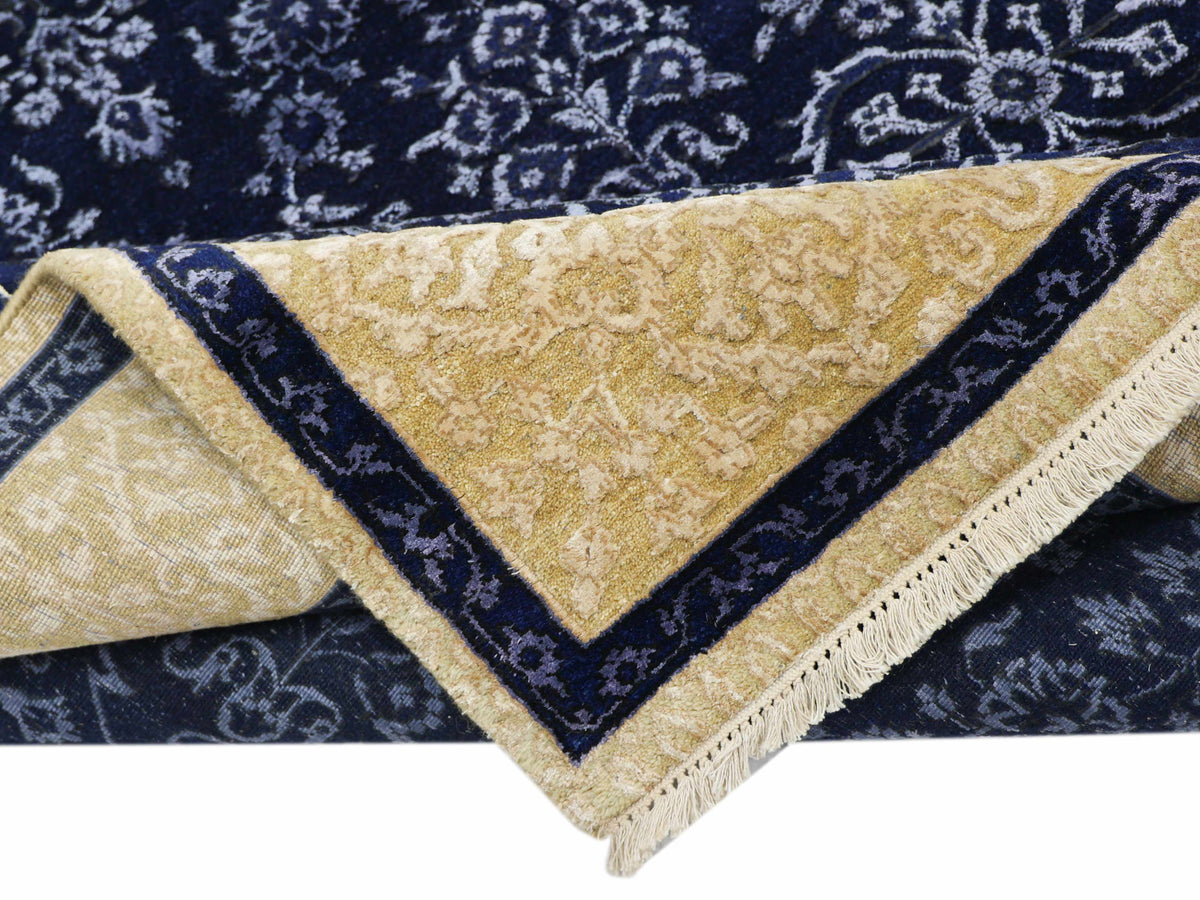
A Persian carpet’s border does more than frame its central design. It creates a transition between the main field and the outer edge, helping the composition feel complete.
Some borders use repeating floral motifs, while others feature geometric forms, vines, or contrasting bands. Multiple borders may work together, with a wider main band surrounded by narrower decorative lines.
Why borders matter
A well-planned border can emphasize the carpet’s proportions and reinforce its overall design. It may echo motifs from the central field or introduce a contrasting pattern that gives the composition structure.
Repeating patterns also create continuity. When a motif appears at regular intervals, it establishes rhythm and connects separate areas of the carpet.
Reading the design as a whole
Instead of interpreting each element independently, examine how the border, central field, and smaller motifs relate to one another.
Ask yourself:
-
Which motif attracts attention first?
-
How do the colors connect the different sections?
-
Does the border repeat shapes from the central field?
-
Does the design feel symmetrical, flowing, or deliberately irregular?
These observations help you understand the artistic choices behind the carpet, even when its exact symbolism remains uncertain.
7. How Color Adds Meaning and Character to Classic Motifs
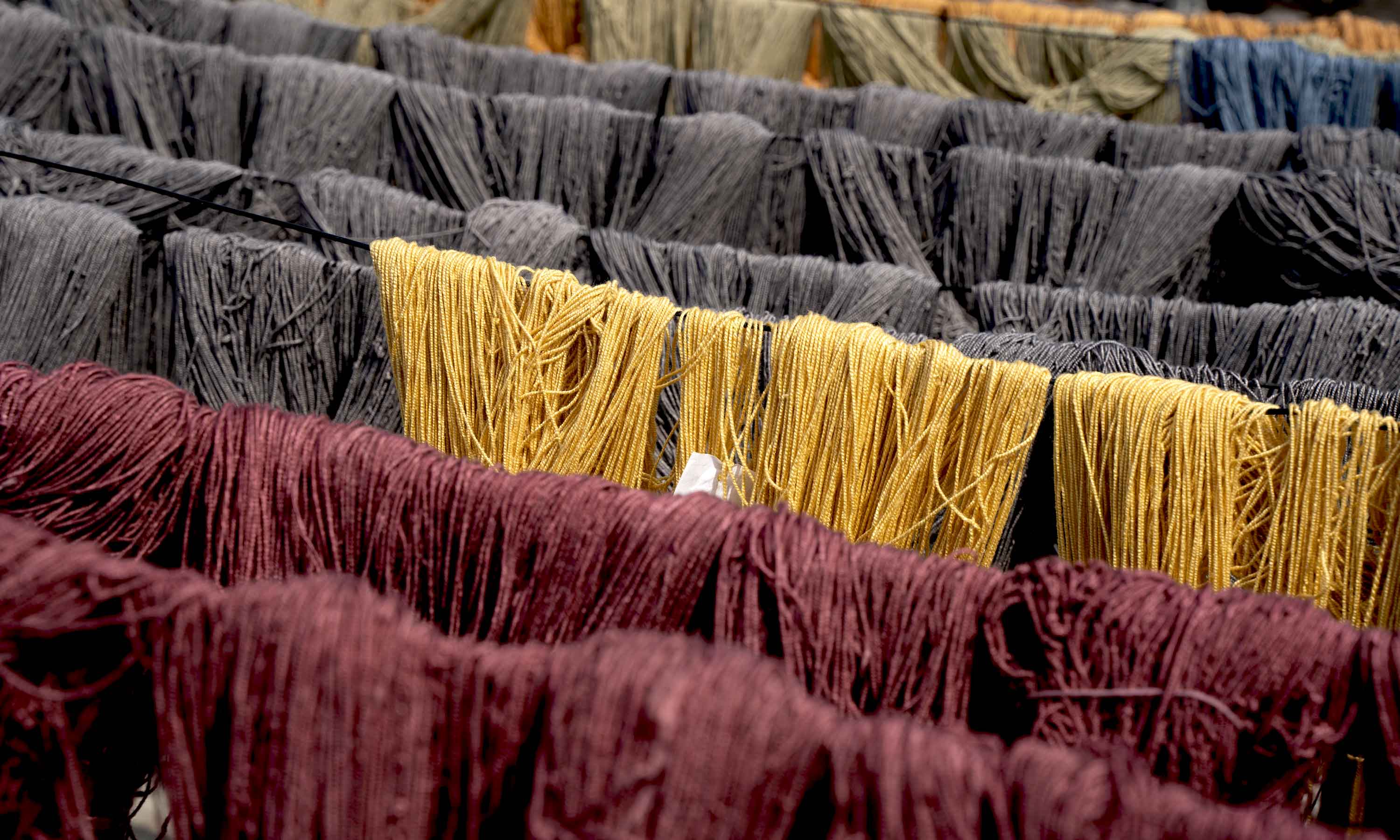
Color influences how viewers experience a motif. Deep red may make a floral pattern feel warm and prominent, while blue can create contrast and visual depth. Ivory and other lighter shades can help intricate details stand out.
Traditional Persian carpets often combine several colors, but the palette varies by region, period, materials, and individual design.
Color symbolism also requires context. Red, blue, green, and other shades have acquired different associations across cultures and historical settings. It would be misleading to assign each color one fixed meaning across all Persian carpets.
Instead, consider how the colors work together. A dark background may emphasize the pattern, while closely related shades can create a softer effect. Changes in dye and yarn may also produce subtle variations that add depth to the surface.
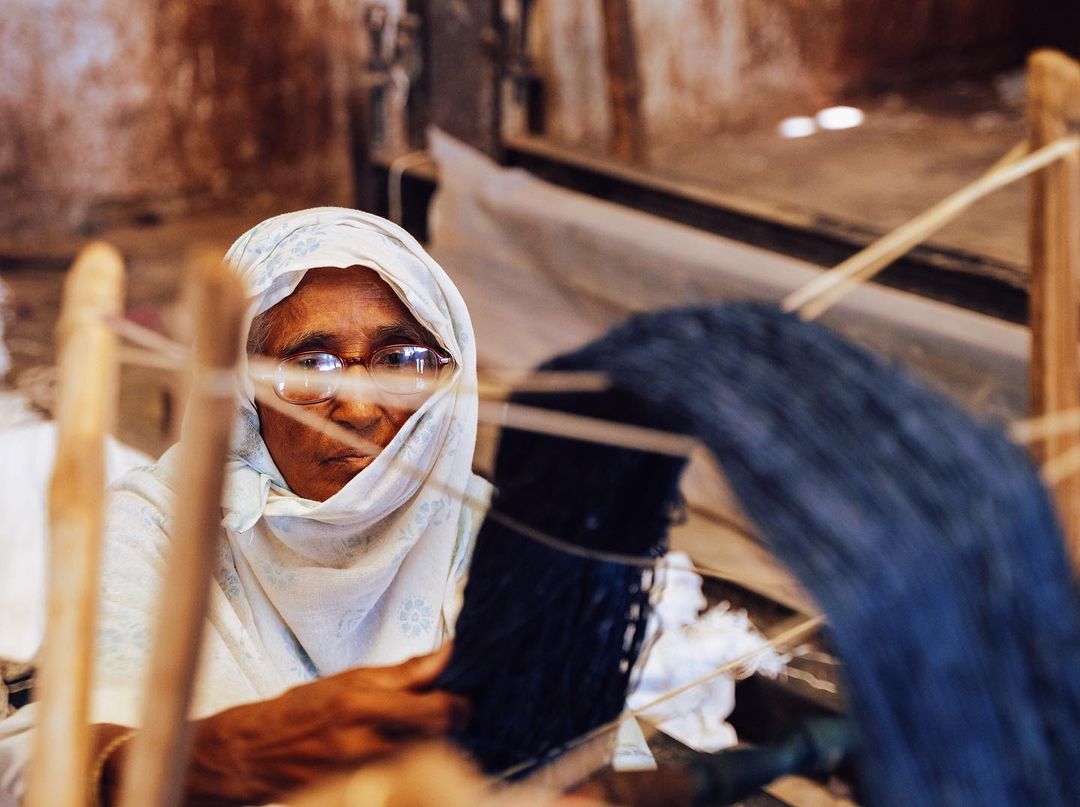
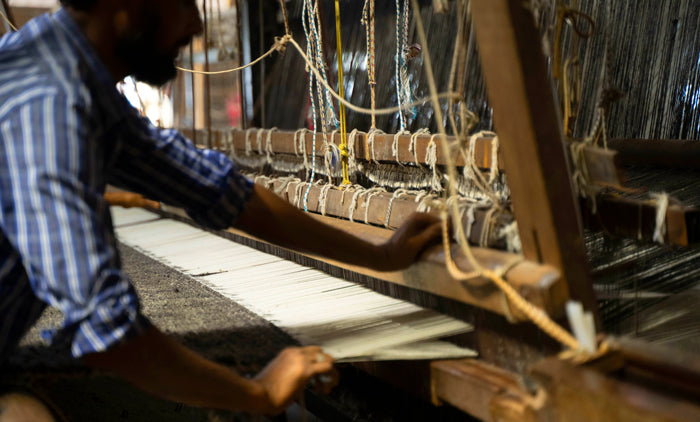
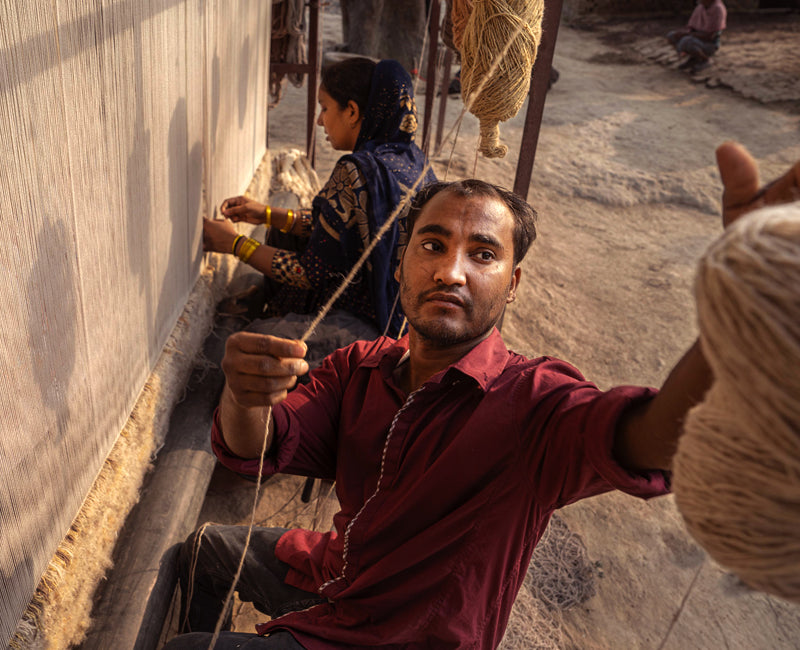
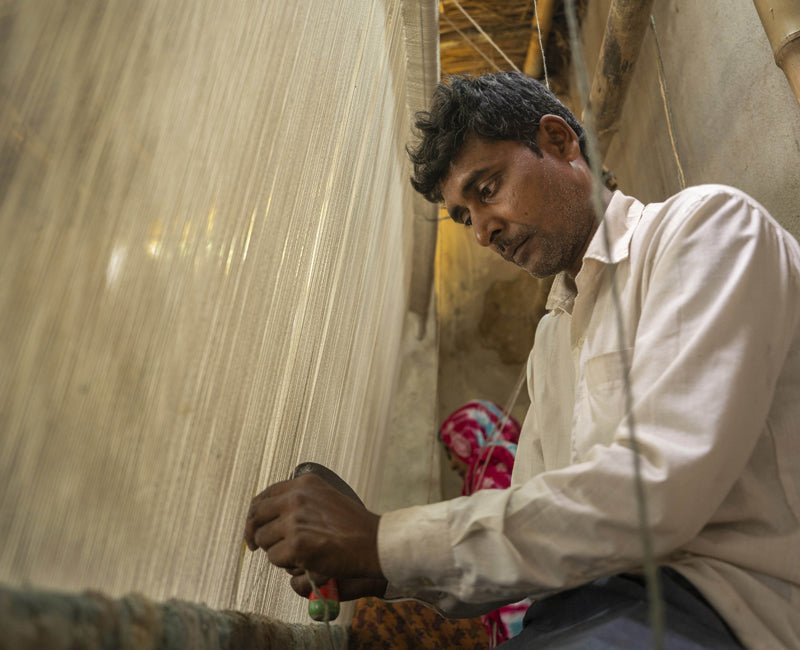
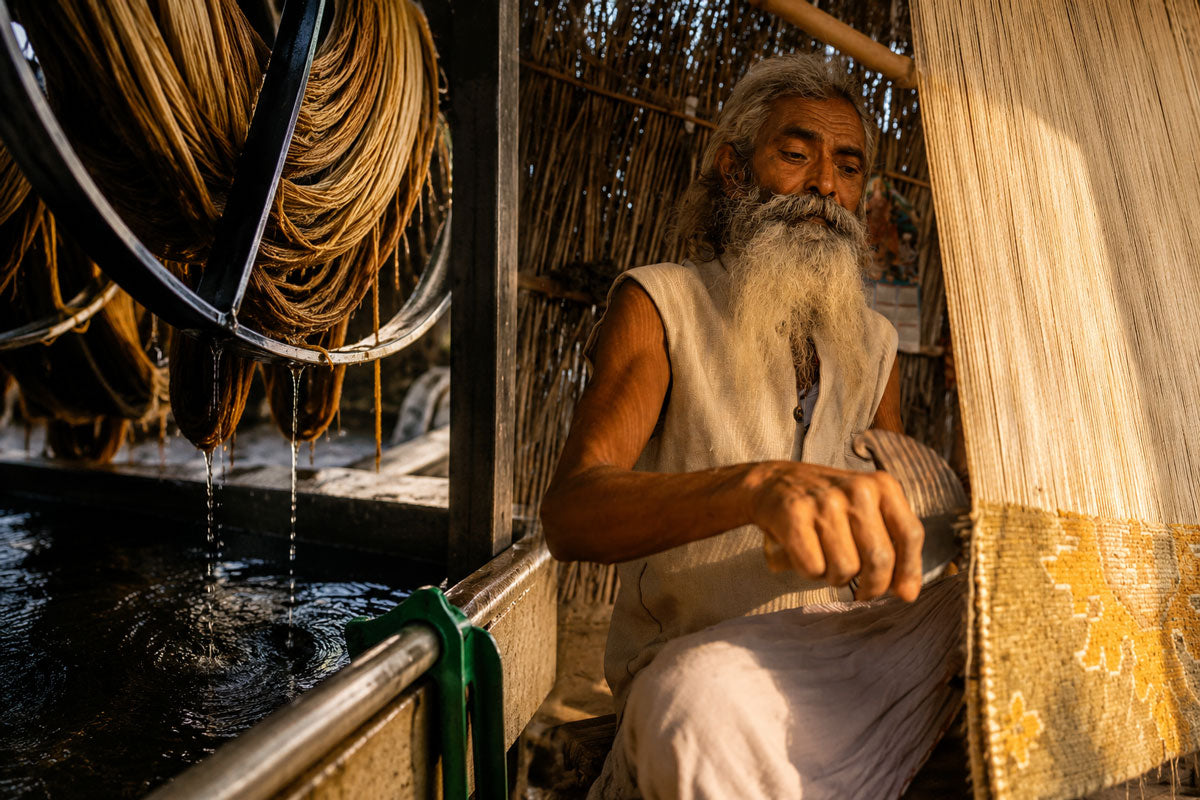
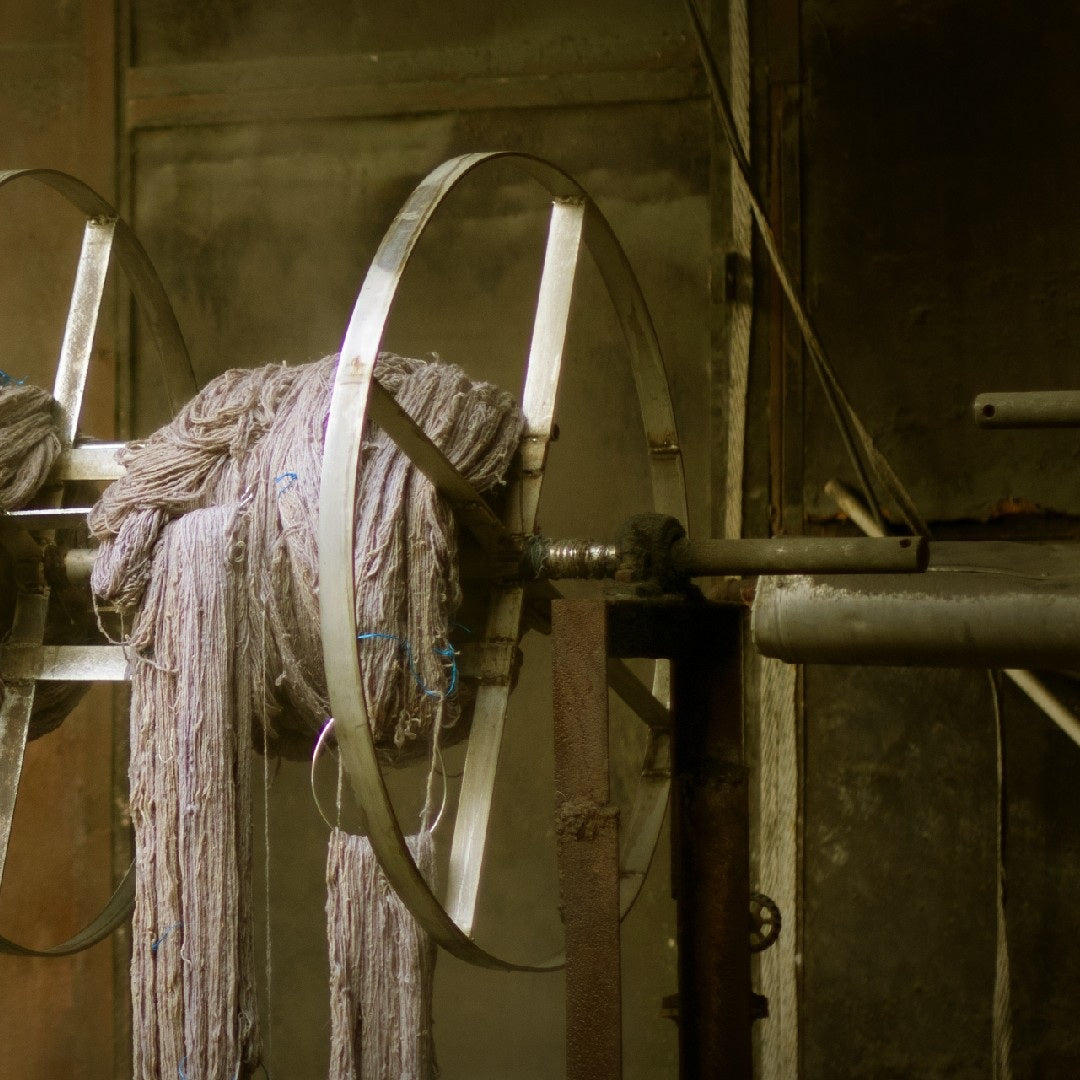
For more insight into how makers bring these designs to life, read about the journey from raw wool to intricate woven designs.
8. Appreciating Persian Carpet Motifs When Choosing a Rug
Learning about classic motifs can make shopping for a Persian carpet more rewarding. However, symbolism should be one part of your decision, alongside craftsmanship, materials, condition, and suitability for your space.
Look closely at the design’s structure. Notice whether you prefer floral details, a central medallion, repeating boteh shapes, or bold geometric forms. Then consider how the colors and pattern scale will work with your furniture and flooring.
For further reading, explore our guide to classic Persian rug patterns and their meanings. You can also browse the Hand Made Carpets collection to discover designs that suit your interior.
Ultimately, Persian Carpets bring together artistic tradition, skilled weaving, and patterns that invite interpretation. By looking beyond the surface and understanding the context of classic motifs, you can appreciate their history while choosing a rug that feels right for your home.
Frequently Asked Questions
1. What do Persian carpet motifs represent?
Motifs may draw inspiration from nature, gardens, geometry, or cultural traditions. Their meanings vary by design, region, and context, so no single interpretation applies to every rug.
2. What does the central medallion on a Persian carpet mean?
The medallion creates a focal point and organizes the design. Some interpretations connect it with spiritual or garden imagery, but its meaning depends on the individual carpet.
3. What is the boteh motif?
Boteh is a curved, teardrop-like motif that may resemble a leaf, sprout, or flame. It appears in Persian carpets and other textile traditions.
4. Why do Persian carpets feature so many floral patterns?
Floral designs reflect long-standing artistic traditions and the influence of gardens and natural forms. They also help create movement, rhythm, and balance within a carpet’s composition.
5. Can a Persian carpet’s pattern reveal where it was made?
Patterns can offer clues about regional traditions, but they cannot always establish origin. Similar motifs appear across regions, so reliable identification requires additional information.