
Persian Carpets: From Raw Wool to Intricate Woven Designs
Have you ever looked at a Persian carpet and wondered how raw wool becomes a detailed design filled with delicate flowers, geometric shapes, and harmonious colors? The finished carpet may look effortless, yet its creation involves a series of skilled processes, from selecting and preparing fibers to dyeing, knotting, and finishing.
Understanding how Persian Carpets come to life reveals why their textures, patterns, and small variations matter. It also helps you recognize the craftsmanship behind a handmade piece and make a more informed choice when buying one.
Although techniques differ across Iran’s weaving regions, the journey generally follows a sequence of careful decisions and skilled handwork. Each stage influences the carpet’s appearance, feel, and durability.
1. Selecting Raw Wool: The Foundation of a Persian Carpet
The process begins with choosing suitable wool. Its quality influences how the finished carpet feels, how well it holds its shape, and how clearly it displays intricate patterns.
Wool from different sheep can vary in softness, fiber length, crimp, and strength. Climate, animal care, and processing methods also affect the characteristics of the fleece. Consequently, not all wool produces the same result.
What makes wool suitable for carpet weaving?
Carpet makers consider several properties when selecting wool:
-
Fiber strength: Strong fibers help the pile withstand regular use.
-
Softness: Finer wool can create a softer surface, although softness alone does not determine quality.
-
Crimp and elasticity: Wool’s natural structure helps the fibers recover from compression.
-
Fiber length: Length affects how the wool spins and performs during weaving.
-
Cleanliness: Removing dirt, grease, and unwanted material prepares the fleece for further processing.
Wool also has natural variation. Two batches may differ slightly in texture or shade, even when they come from the same source. Skilled makers account for these differences when preparing yarn and planning a design.
The result is a material that combines practical performance with a distinctive natural character.
2. Cleaning, Carding, and Spinning the Wool
Raw fleece cannot go straight onto a weaving loom. First, makers prepare the fibers so they can form consistent, workable yarn.
Cleaning and sorting
The fleece undergoes cleaning to remove dirt, vegetable matter, and excess natural grease. Traditional and modern methods vary, but the goal remains the same: prepare usable fibers without unnecessarily damaging them.
Makers may also sort wool according to its quality, color, and intended use. This helps them select suitable material for different parts of the carpet.
Carding and aligning fibers
Carding separates tangled fibers and helps align them into a more manageable form. The resulting wool can then move into the spinning stage.
Spinning yarn
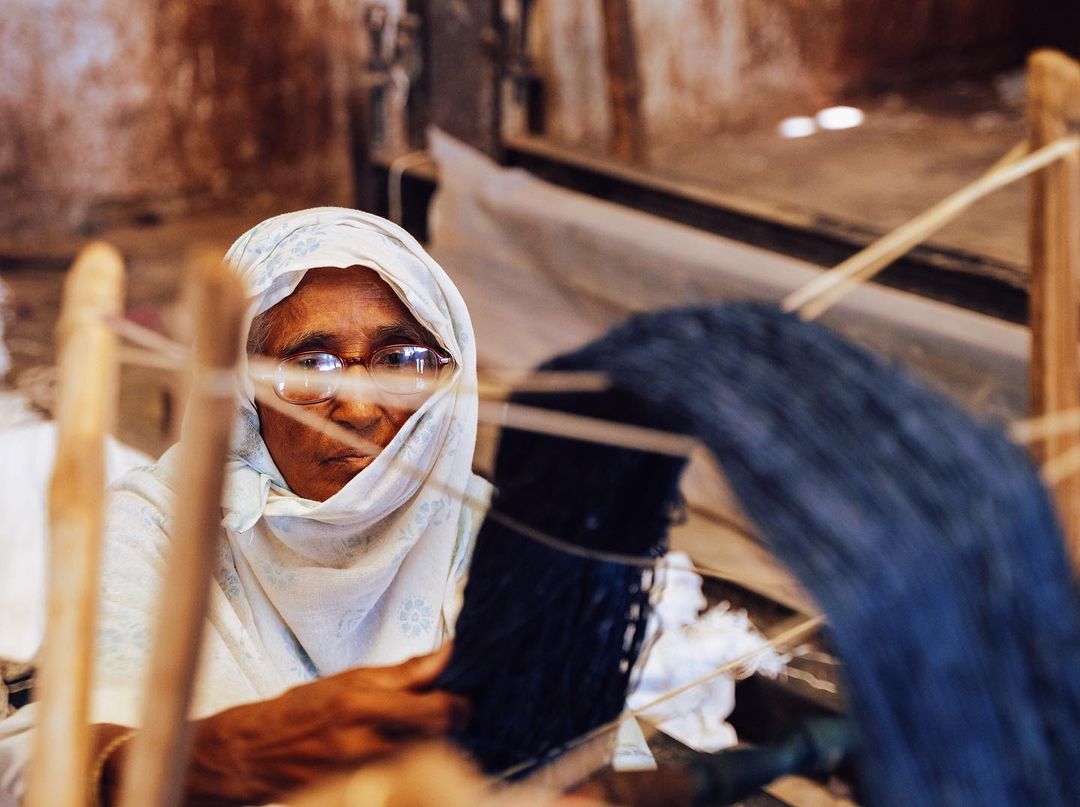
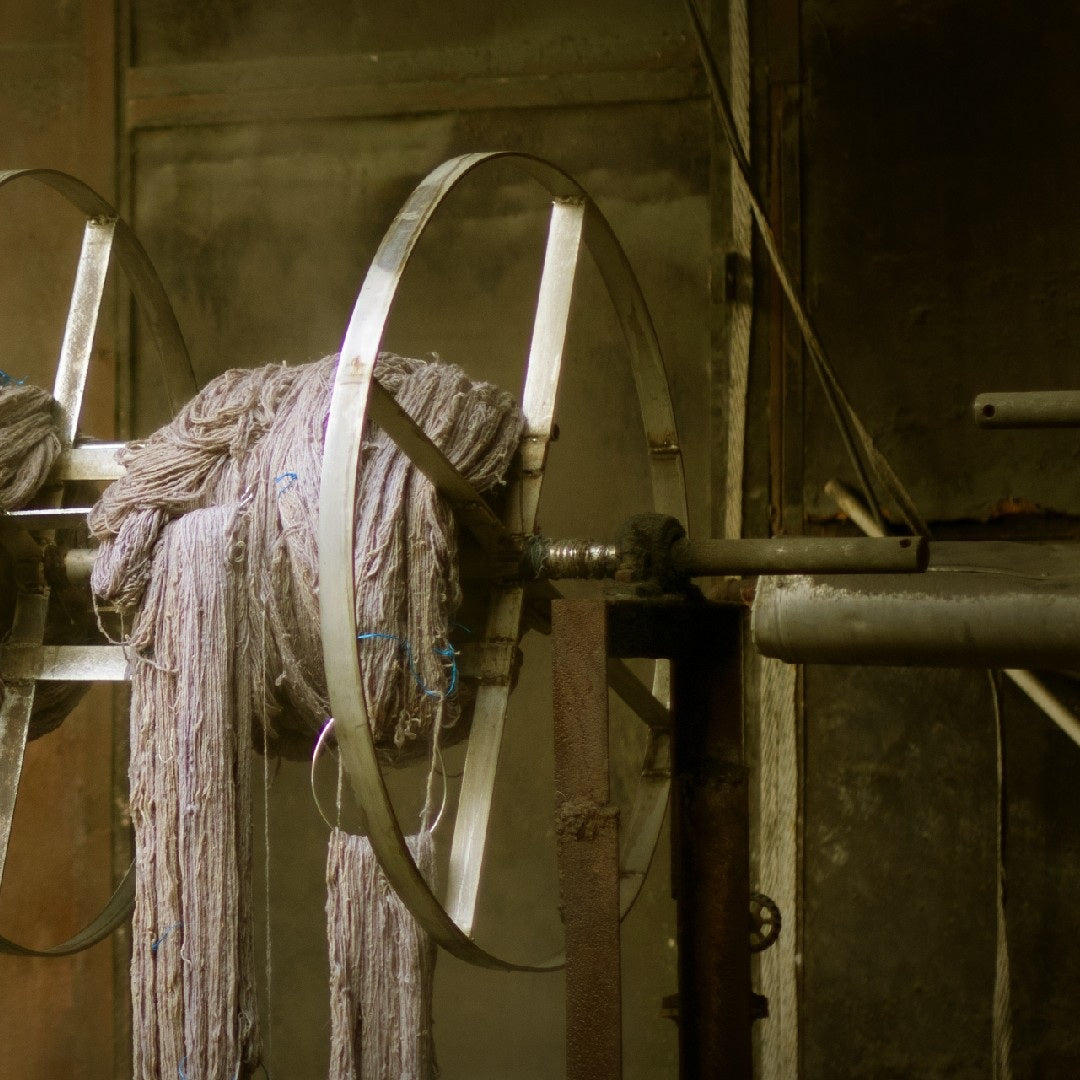
During spinning, the maker draws out the fibers and twists them together to create yarn. The amount of twist affects the yarn’s strength, texture, and behavior during weaving.
The intended carpet influences the yarn preparation. A thick yarn can create a different surface from a fine one, while variations in spinning can contribute to the character of the finished pile.
For buyers, understanding this stage provides useful context when comparing wool carpets. Fiber quality matters, but so do the way makers prepare and use that fiber.
3. Dyeing the Yarn to Create Rich, Lasting Colors
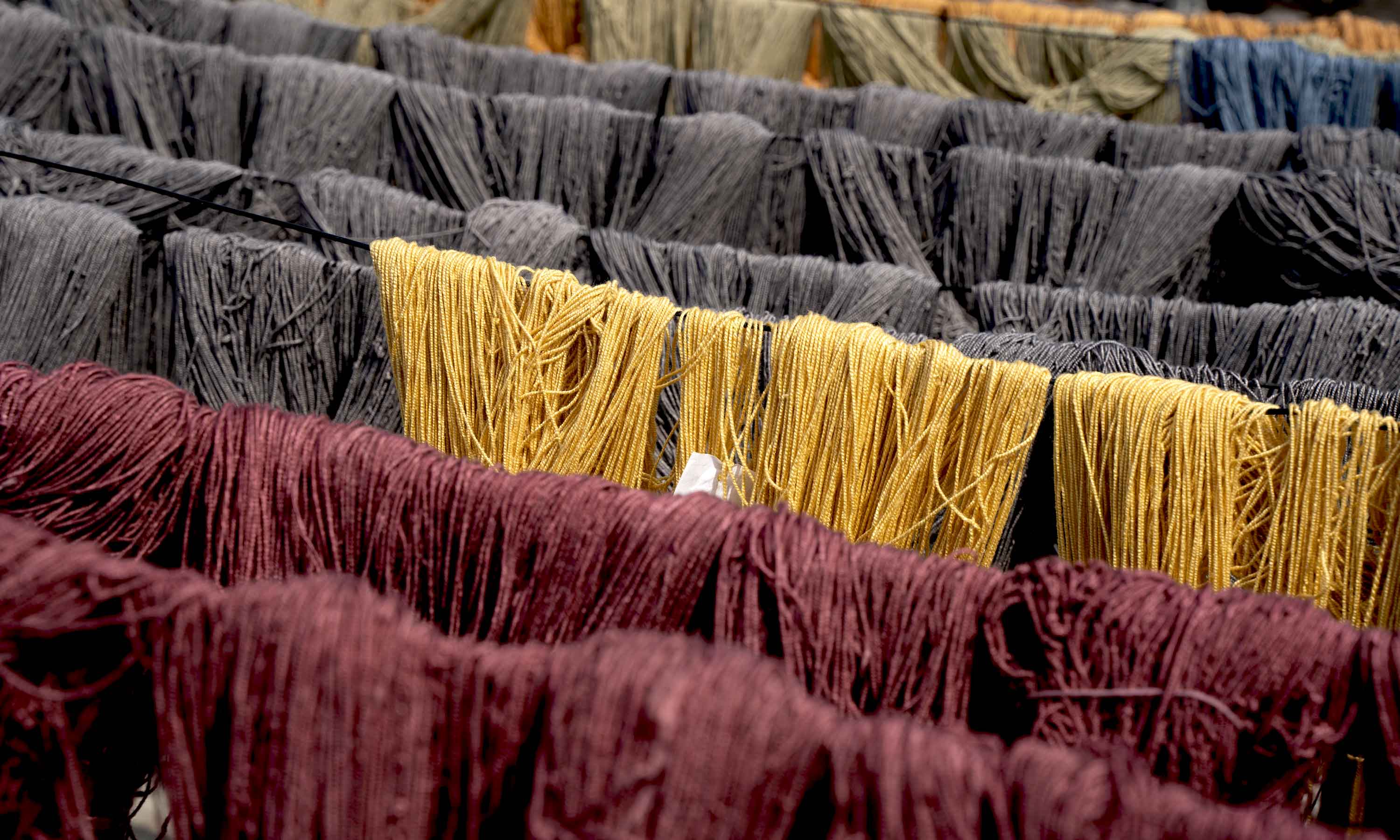
Color gives a Persian carpet much of its visual identity. Deep reds, indigo blues, warm ivory, and earthy greens can combine to create designs that feel balanced and distinctive.
However, achieving a consistent palette requires more than choosing attractive shades. Makers must consider how dyes interact with the yarn and how colors will look beside one another.
Natural and synthetic dyes
Some Persian carpets use dyes derived from natural sources, while others use synthetic dyes. Natural dyes may come from plants, insects, or minerals, depending on the material and historical or regional tradition. Synthetic dyes offer a different range of possibilities and can provide greater consistency in some applications.
Neither category alone guarantees superior quality. The result depends on the dye, the wool, the preparation process, and the skill of the dyer.
Controlling color and variation
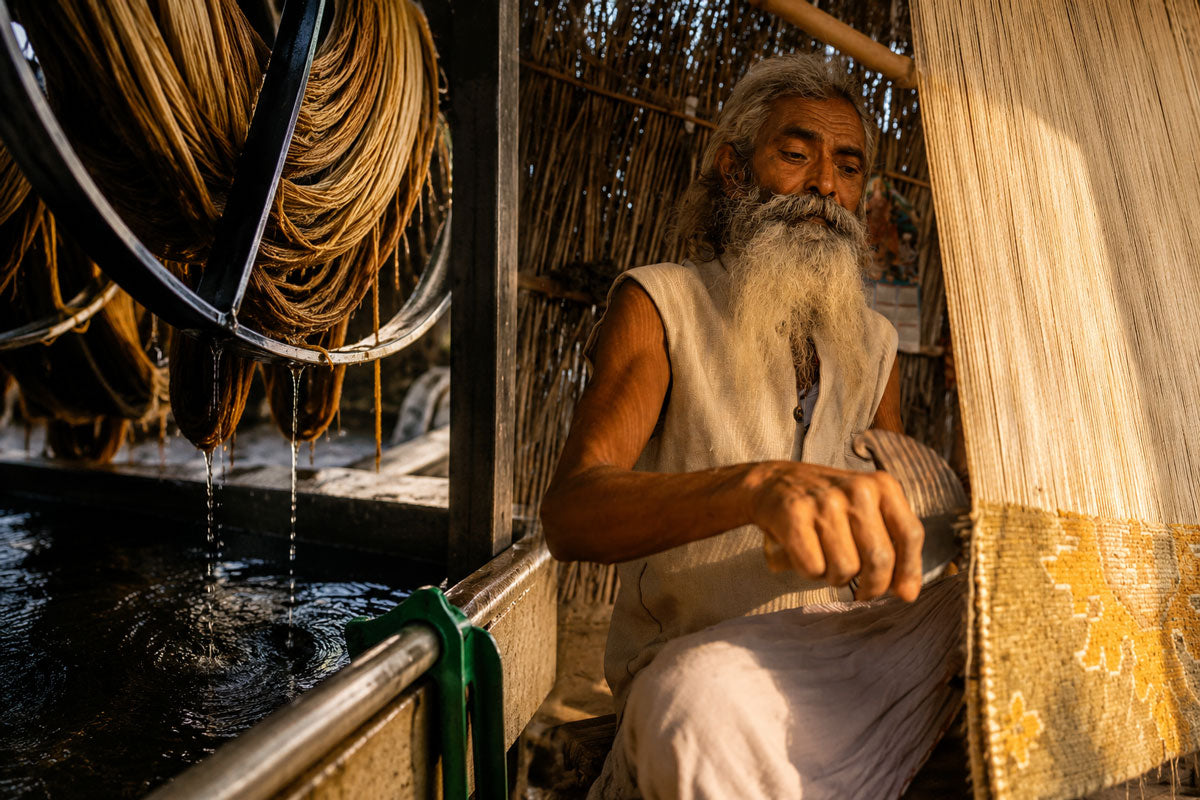
Dyers prepare the yarn and apply color according to the desired shade. They must account for factors such as concentration, temperature, timing, and the yarn’s ability to absorb the dye.
Small variations between dye batches can create subtle shifts in color. In some handmade carpets, these shifts produce a visual effect known as abrash: gentle bands or changes in shade across the surface.
Abrash is not automatically a flaw. It can reflect variations in yarn or dye batches and contribute to a carpet’s individual character. However, buyers should distinguish intentional or characteristic variation from unwanted fading, staining, or damage.
4. Planning the Pattern Before Weaving Begins
A complex Persian carpet needs a design plan. Depending on the weaving tradition, the design may come from a detailed drawing, a graph, a remembered pattern, or a combination of established motifs and the weaver’s experience.
The plan guides the arrangement of colors, borders, central elements, and smaller decorative details.
Understanding common design elements
Many Persian carpets use familiar visual structures:
-
Medallions: A central motif that organizes the composition.
-
Floral patterns: Flowers, vines, leaves, and curving branches.
-
Geometric motifs: Angular shapes and repeated forms.
-
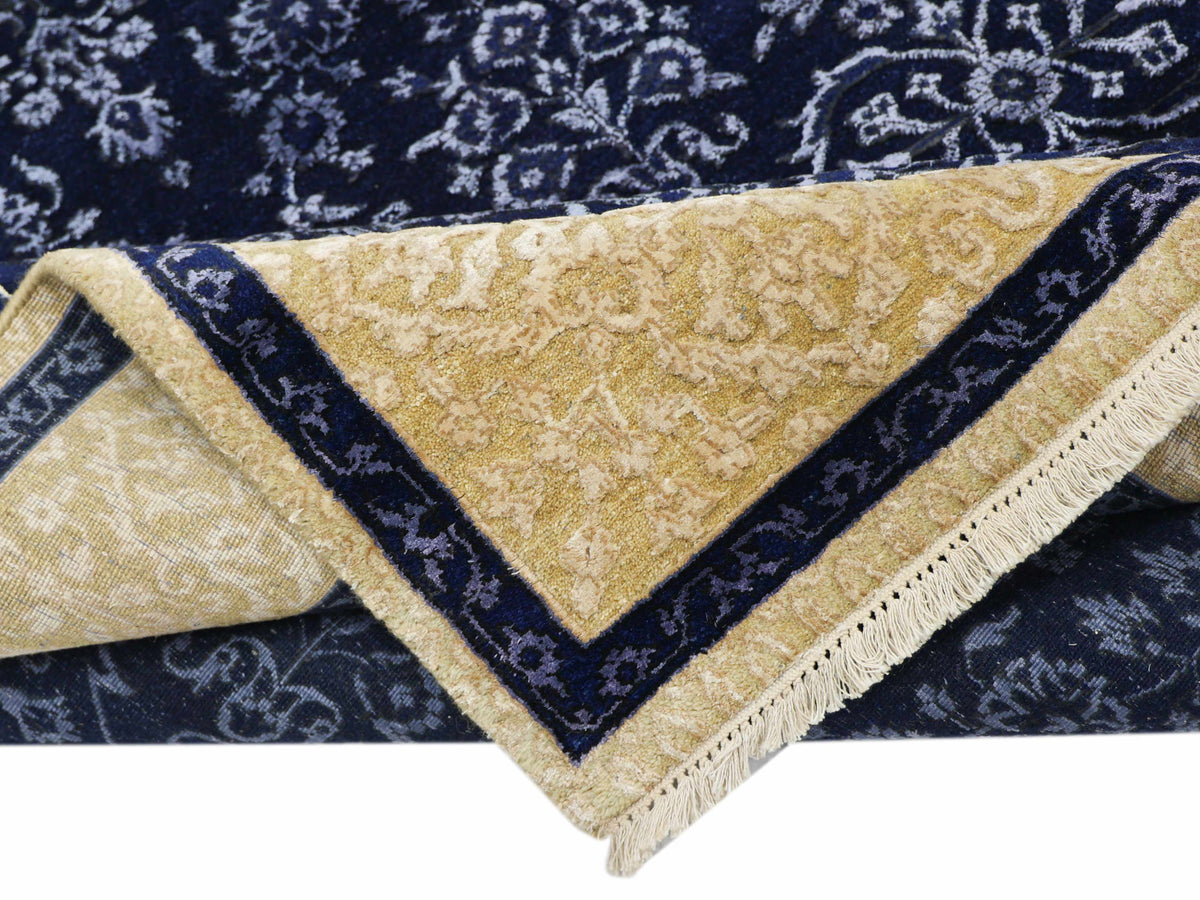
Borders: Decorative bands that frame the central field.
-
Repeating patterns: Motifs arranged across the carpet to create rhythm and balance.
These elements vary across regions and individual designs. A carpet may combine several of them, while another may use a more restrained layout.
If you want to understand how traditional motifs contribute to a carpet’s identity, explore our guide to authentic Persian rug craftsmanship.
Planning also helps the weaver estimate the amount of yarn needed and maintain the relationship between the design and the carpet’s dimensions.
5. Weaving: Turning Yarn Into an Intricate Carpet
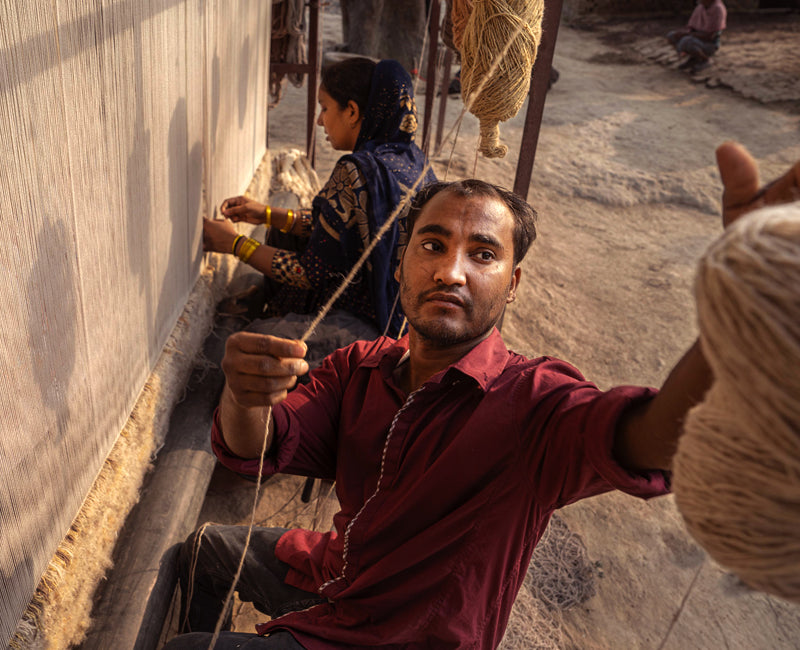
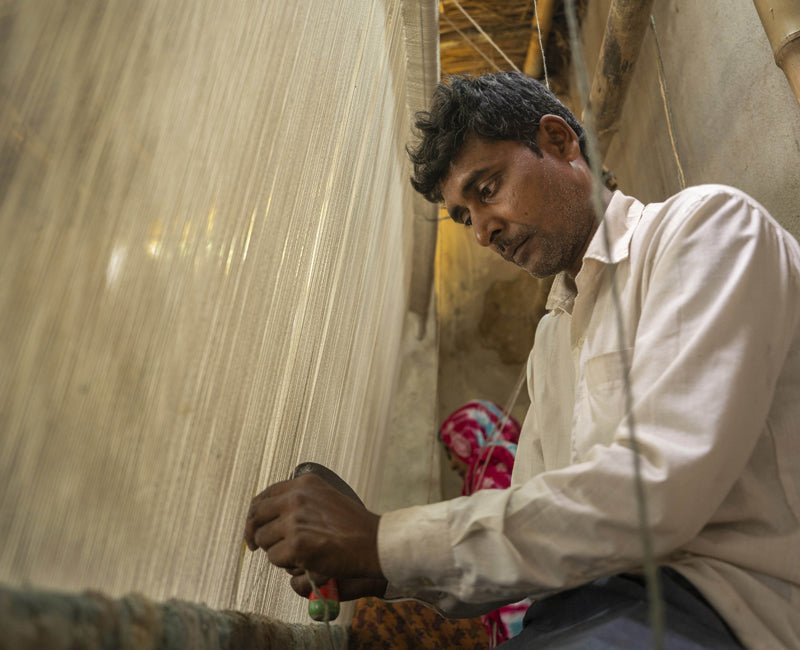
Weaving transforms prepared yarn into a structured textile. In a hand-knotted Persian carpet, the weaver ties individual knots around the warp threads, then secures each row with weft yarn and adjusts the structure as work progresses.
This process demands concentration and coordination. The weaver must follow the design, manage yarn tension, and maintain the carpet’s overall shape.
The role of the loom
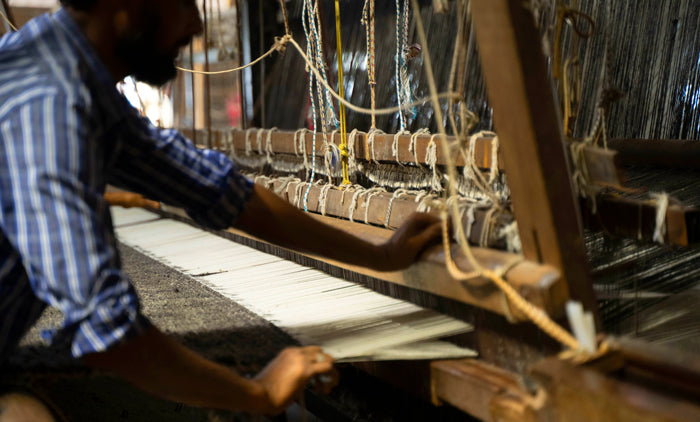
The loom holds the warp threads under tension. These threads form the foundation of the carpet, while the weft helps secure the woven structure.
As the weaver works across the width, rows of knots build the pile. The choice of knotting technique and the arrangement of the threads influence the carpet’s structure and appearance.
How patterns emerge
The weaver selects yarn colors according to the design and ties them into position. Repeating this process gradually builds the pattern.
Fine designs may require many small, carefully placed knots. Larger geometric motifs may use broader areas of color, but they still demand consistency and attention to detail.
Knot density can influence how much detail a carpet can accommodate, yet density alone does not define quality. Materials, structural integrity, design, and execution all matter.
Because the process involves repeated handwork, weaving a large or intricate carpet can take a considerable amount of time. The duration depends on its size, complexity, knot density, and the weaver’s pace.
6. Trimming, Washing, and Finishing the Carpet
When weaving ends, the carpet still needs finishing. These final steps help establish its surface, remove production residues, and prepare it for use.
Trimming and surface preparation
Makers trim the pile to create an even surface and clarify the design. The appropriate pile height depends on the carpet’s construction and intended appearance.
Careful trimming helps the motifs stand out, but excessive cutting can damage the pile. Experienced finishers work with the structure rather than treating every carpet the same way.
Washing and drying
Washing can remove remaining dirt and help the fibers settle. The method must suit the wool, dyes, and construction. Poor handling can cause color bleeding, distortion, or other damage, so this stage requires care.
After washing, the carpet needs suitable drying conditions. Makers also check its shape and surface before completing the finishing process.
Inspecting the finished piece
A final inspection may include checking the edges, fringe, pile, pattern alignment, and overall dimensions. Any necessary corrections depend on the carpet’s construction and condition.
For buyers, these details provide clues about workmanship. Examine the rug as a whole rather than judging it only by its colors or pattern.
7. How Materials and Craftsmanship Affect the Finished Carpet
The journey from fleece to finished carpet explains why two pieces with similar designs can feel very different. Wool quality, yarn preparation, dyeing, weaving technique, and finishing all influence the result.
Wool remains a popular carpet fiber because it offers resilience and a naturally textured surface. Silk can provide a finer texture and a distinctive sheen, while cotton often serves as a foundation material. Each fiber has different characteristics and care requirements.
To compare these materials in more detail, read our guide to wool, silk, and cotton in handmade carpets.
When evaluating a Persian carpet, consider:
-
The feel and condition of the fibers.
-
The consistency and integrity of the weave.
-
The clarity and balance of the design.
-
The quality of the edges and finishing.
-
The suitability of the materials for your room and lifestyle.
For broader background on the history and development of Persian carpets, see Encyclopaedia Britannica’s overview of Persian carpet.
8. Appreciating the Craftsmanship Behind Every Persian Carpet
A Persian carpet brings together raw materials, design knowledge, and many hours of skilled work. From selecting wool to tying the final knots, each stage contributes to the finished piece.
Understanding this process can help you look beyond the pattern and recognize the choices that shape a carpet’s texture, color, and construction. It also gives you a more useful framework for comparing handmade rugs and caring for the one you choose.
If you are exploring traditional and contemporary designs, visit Hand Made Carpets to discover styles that suit your space. Take time to consider the materials, construction, and details that matter most to you.
Ultimately, Persian Carpets tell a story that begins with raw wool and develops through patient, skilled weaving. Appreciating that journey makes it easier to choose a piece for its craftsmanship as well as its beauty.
Frequently Asked Questions
1. How are Persian carpets made?
Makers prepare wool, spin it into yarn, dye the fibers, plan the design, and weave the carpet. They then trim, wash, dry, and inspect the finished piece.
2. What wool is used in Persian carpets?
Persian carpets may use wool from different sheep and regions. Fiber characteristics vary, so quality depends on the wool itself and how makers prepare and weave it.
3. Are Persian carpets dyed with natural dyes?
Some use natural dyes, while others use synthetic dyes. The dye type depends on the carpet’s materials, production period, and maker.
4. Why do handmade Persian carpets take so long to make?
Weavers build the design through repeated handwork. Size, pattern complexity, knot density, and working speed all affect production time.
5. What makes Persian carpets different from machine-made rugs?
Hand-knotted Persian carpets involve individual knots tied by a weaver, while machine-made rugs use mechanized production. Construction, materials, and finishing can vary widely in both categories.