

Handmade Carpets vs Machine-Made Rugs: What Sets Them Apart?
Choosing between handmade carpets and machine-made rugs can be challenging when both options offer attractive designs, different textures, and a wide range of styles. At first glance, they may look similar. However, their construction methods, material choices, and individual characteristics can make a meaningful difference in how they feel, perform, and fit into your home. Understanding these differences helps you look beyond appearance and choose a rug that suits your lifestyle, interior design, and expectations. Whether you prefer traditional craftsmanship or consistent modern production, knowing what sets these two options apart makes the decision much easier.
Handmade Carpets vs Machine-Made Rugs: Understanding the Basics
The main difference between handmade carpets and machine-made rugs lies in how manufacturers create them. One relies on human skill and traditional techniques, while the other uses automated machinery to produce rugs efficiently and consistently.
How Artisans Make Handmade Carpets
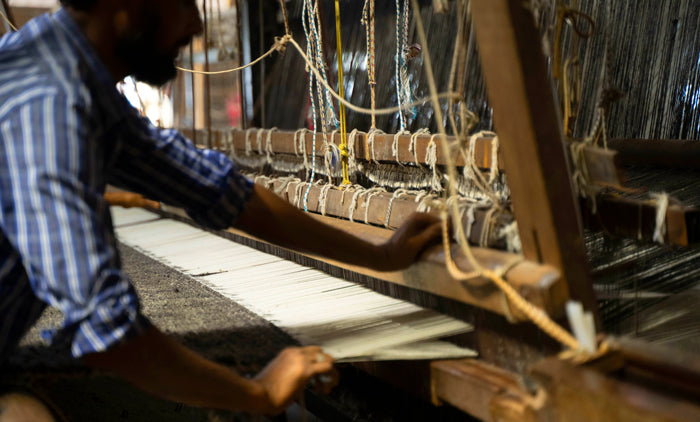
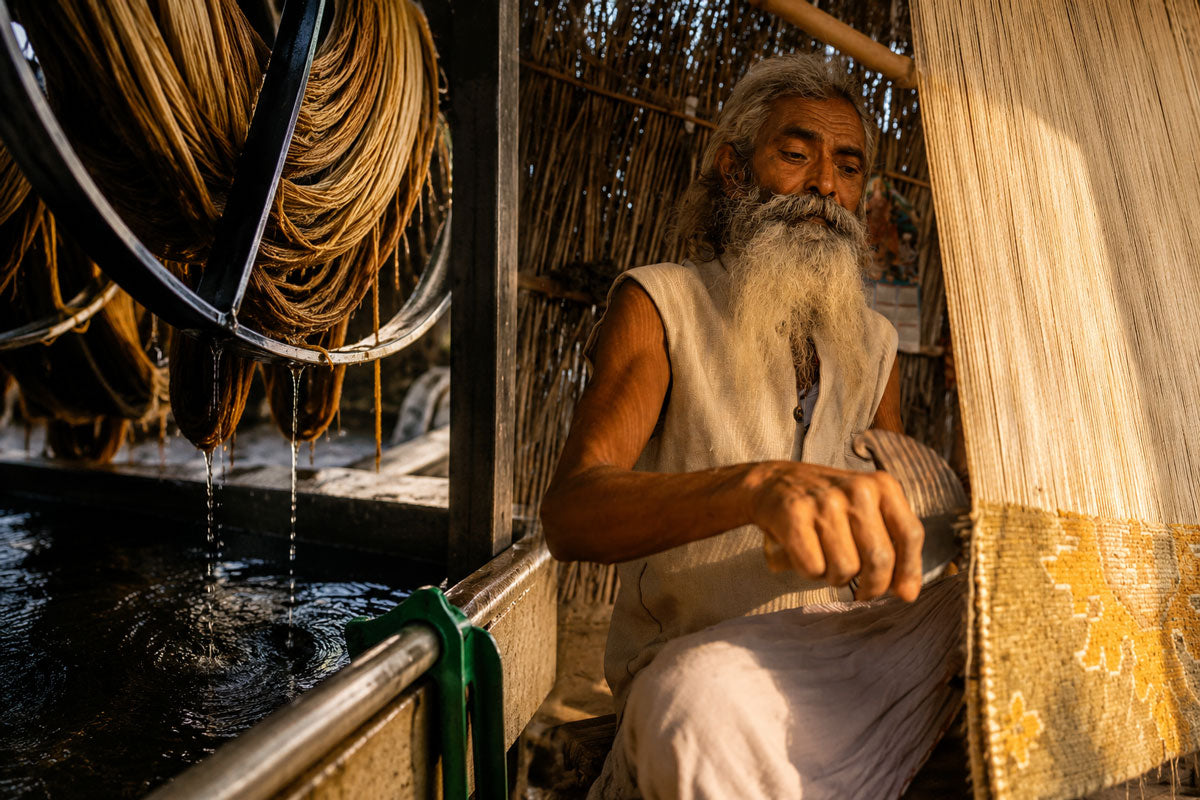
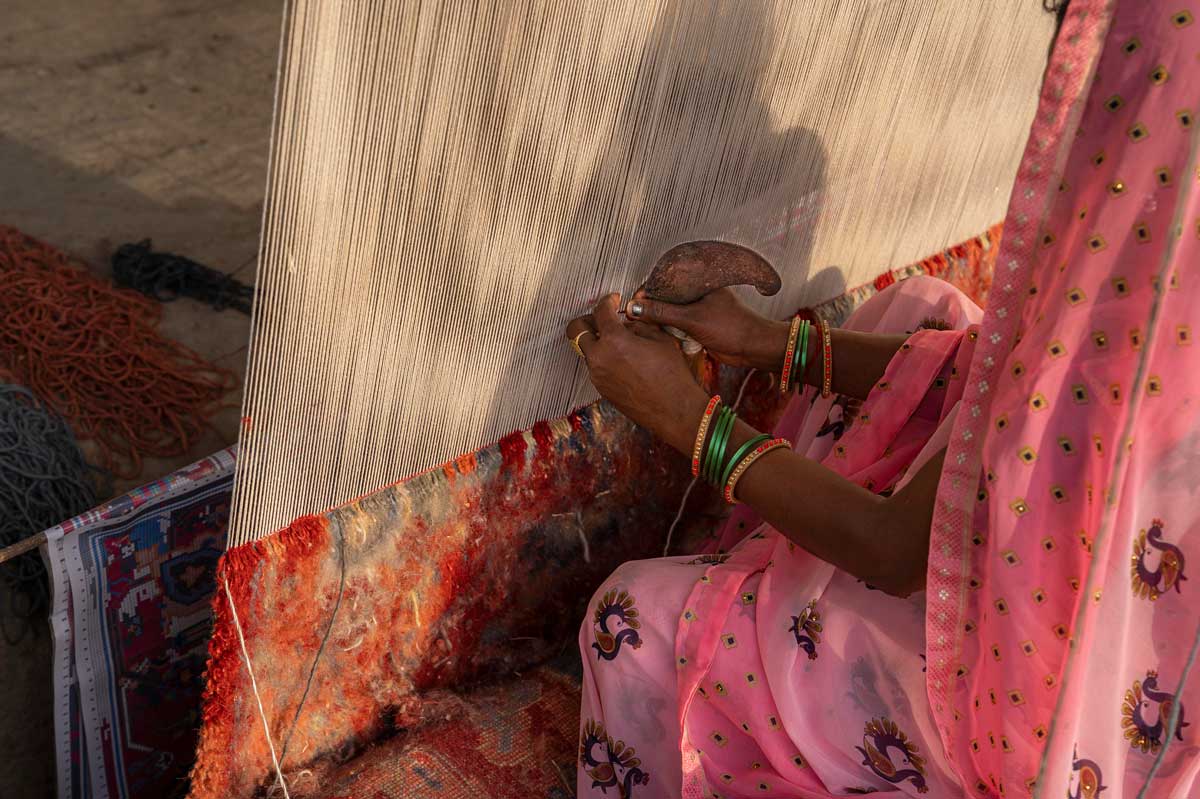
Artisans create handmade rugs using techniques such as hand-knotting, hand-weaving, and hand-tufting. Each method produces a different structure and appearance.
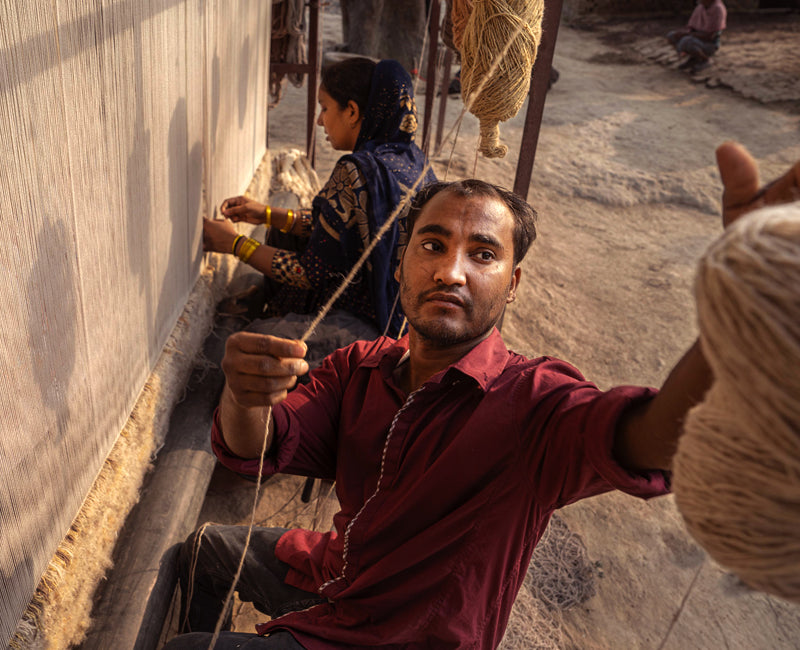
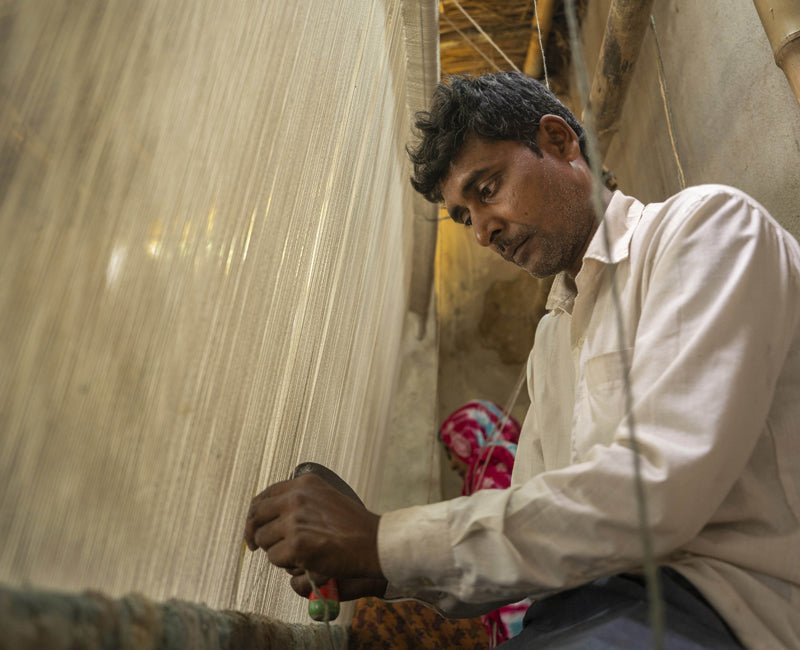
Hand-knotted carpets require artisans to tie individual knots around the foundation threads. They build the design gradually, row by row, until the rug reaches its intended dimensions.
Hand-woven rugs use interlacing threads to create a textile structure. Meanwhile, hand-tufted rugs involve pushing yarn through a backing with a specialized tool. Although all three methods involve manual work, they differ in construction and durability.
At Handmade Carpets, traditional craftsmanship connects contemporary interiors with the skills and heritage of Indian artisans.
How Machines Produce Rugs
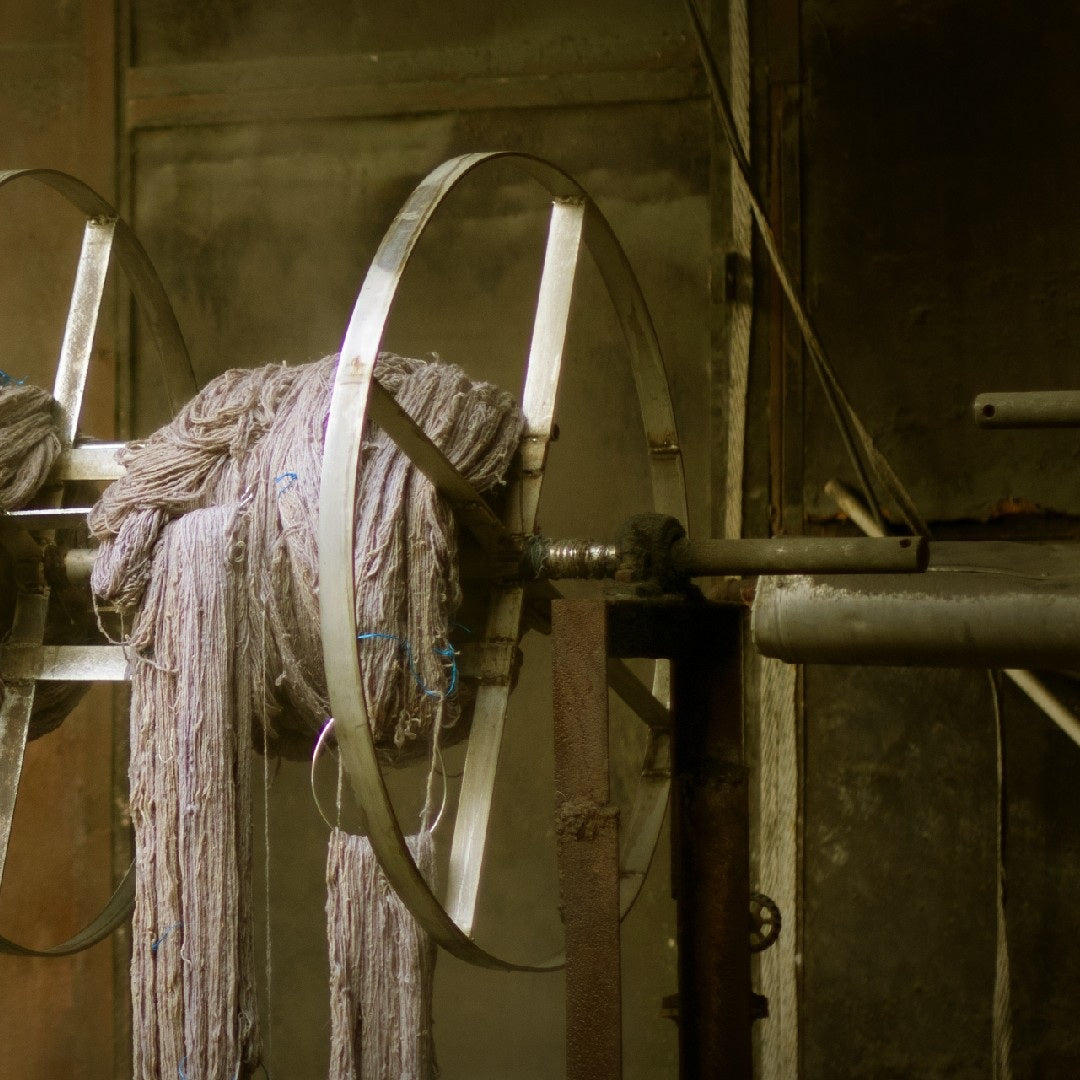
Machine-made rugs use automated looms and manufacturing equipment to create consistent patterns and dimensions. Computer-controlled systems can reproduce intricate designs across multiple pieces, helping manufacturers maintain uniformity.
Depending on the equipment and materials, machine production can create woven, tufted, or other carpet constructions. The resulting rugs vary considerably in quality, texture, and performance.
Therefore, the distinction is not simply between traditional and modern designs. It concerns the production process, construction, and characteristics of the finished product.
1. Construction and Craftsmanship
Construction influences a rug's texture, structure, appearance, and ability to withstand everyday use. Understanding how manufacturers create each type helps you assess its practical qualities.
Individual Craftsmanship Versus Consistent Production
Handmade rugs often contain subtle variations in pattern alignment, color, and texture. These differences can reflect the artisan's technique and the natural characteristics of the materials.
For example, two hand-knotted rugs with the same design may display slight differences in individual motifs. These variations give each piece a distinctive appearance.
Machine-made rugs generally offer greater uniformity. Automated equipment reproduces patterns and dimensions with considerable consistency, which can be useful when you need matching rugs for several rooms.
Neither approach automatically guarantees superior quality. Skilled craftsmanship can produce a poorly finished rug, just as automated production can create a well-constructed one. Examine the actual rug rather than relying solely on its manufacturing label.
Why Construction Matters More Than Appearance Alone
A rug's surface may not reveal everything about its structure. Look at the backing, edges, pile, and finishing to understand how the manufacturer assembled it.
For hand-knotted carpets, the knots form an integral part of the structure. By contrast, machine-made rugs use construction methods determined by their manufacturing equipment.
If durability matters to you, consider the construction alongside the fiber type, pile height, and intended use. These characteristics provide a more useful picture than appearance alone.
2. Materials, Texture, and Comfort
The fibers used in a rug influence how it feels underfoot, how it responds to wear, and how much care it requires.
Natural Fibers in Handmade Rugs
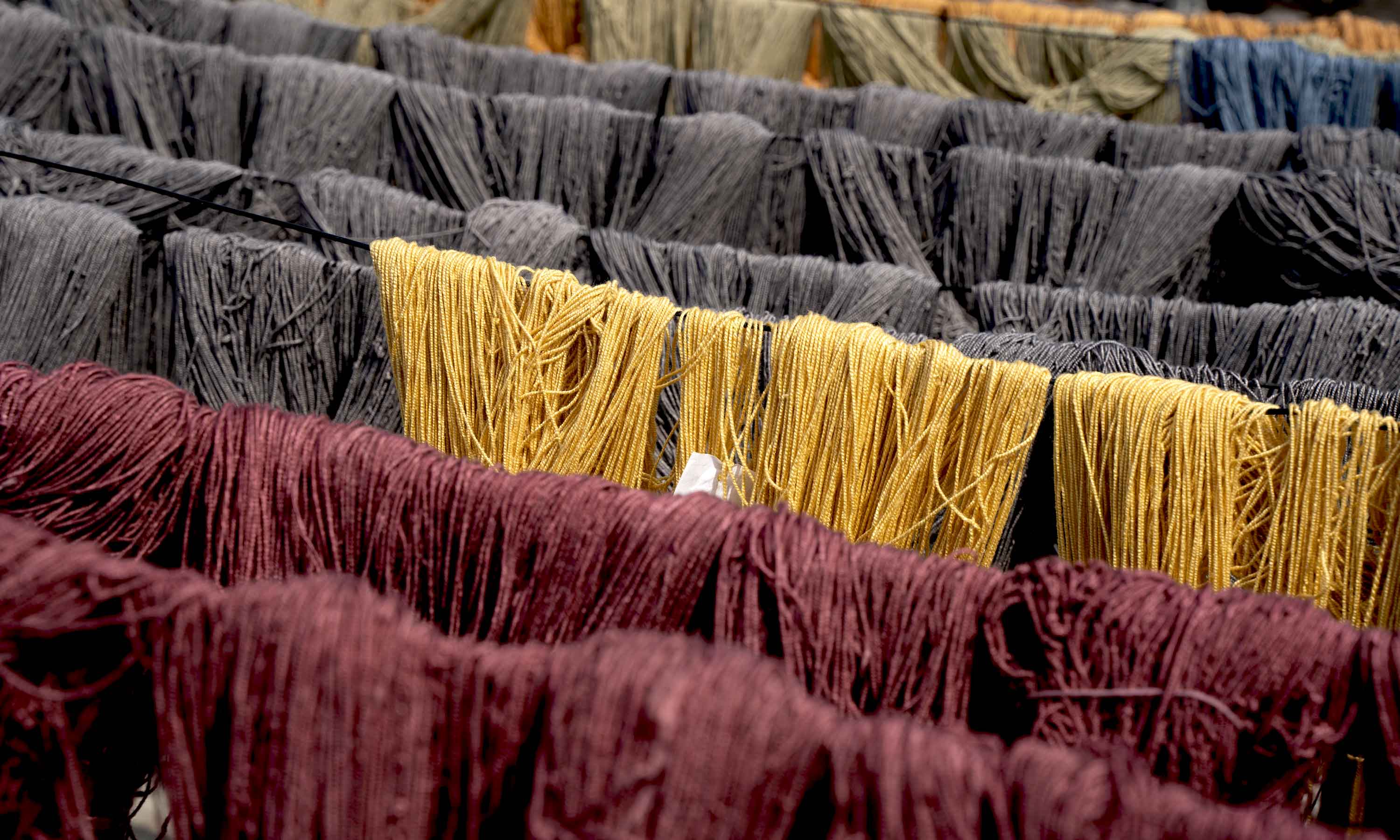
Many handcrafted carpets use natural materials such as wool, silk, and cotton. Each offers different characteristics.
-
Wool: Provides a comfortable texture and natural resilience, making it suitable for many living spaces.
-
Silk: Offers a smooth feel and subtle sheen that can highlight intricate designs.
-
Cotton: Commonly serves as a foundation material and can also appear in the rug's surface.
Some handmade rugs combine different fibers to achieve a particular texture or appearance. Always check the product description to understand the actual composition.
Materials Used in Machine-Made Rugs
Machine-made rugs can use natural fibers, synthetic materials, or blends. Common synthetic options include polypropylene, polyester, and nylon.
These materials offer different levels of softness, stain resistance, resilience, and maintenance requirements. However, performance varies by fiber, construction, and product quality.
A synthetic rug may suit a busy household that needs straightforward maintenance. Conversely, someone who values the texture and character of natural fibers may prefer a wool or silk design.
Ultimately, choose according to the room's requirements rather than assuming that one material category always performs better.
3. Design, Pattern, and Visual Character
A rug influences the atmosphere of a room. Its colors, motifs, and texture can connect furniture, establish a focal point, or introduce contrast.
The Distinctive Character of Handmade Designs
Handcrafted rugs often feature traditional motifs, intricate borders, floral patterns, and geometric arrangements. Artisans may interpret established designs through their own techniques and material choices.
Because the production process involves individual craftsmanship, subtle differences can appear between pieces. These variations may appeal to buyers who appreciate objects with a distinctive character.
Traditional Persian rugs, for example, are known for diverse regional patterns and weaving traditions. The Encyclopaedia Britannica overview of Persian carpets offers useful context about their history and artistic traditions.
Handmade designs can also suit contemporary interiors. Neutral palettes, abstract compositions, and simplified geometric patterns allow handcrafted rugs to complement modern furniture.
The Design Consistency of Machine-Made Rugs
Machine production makes it easier to reproduce the same pattern across multiple rugs. This consistency can help when furnishing coordinated spaces or replacing a rug with a matching design.
Manufacturers also offer a wide range of contemporary and traditional patterns. As a result, machine-made rugs can suit many interior styles.
The choice comes down to the visual effect you want. Handmade rugs offer individual variation, while machine-made options often provide greater consistency between pieces.
4. Durability and Everyday Performance
A rug's lifespan depends on several factors, including its construction, materials, environment, and maintenance. Neither handmade nor machine-made rugs automatically last longer in every situation.
What Affects a Rug's Durability?
Consider these factors before making a decision:
-
Fiber quality: Different materials respond differently to friction, compression, and cleaning.
-
Construction: The way the manufacturer builds the rug affects its structural integrity.
-
Traffic levels: Busy hallways and living rooms experience more wear than quiet bedrooms.
-
Maintenance: Regular cleaning and prompt spill treatment help prevent avoidable damage.
-
Environmental conditions: Moisture, direct sunlight, and unsuitable cleaning products can shorten a rug's useful life.
A well-made hand-knotted wool rug may serve a household for many years with appropriate care. However, a poorly maintained handmade rug can deteriorate faster than a well-constructed machine-made alternative.
Match the Rug to the Room
For a busy living room, consider a resilient material and a construction suited to frequent use. In a bedroom, comfort and appearance may take priority.
For dining areas, consider how easily you can remove crumbs and clean spills. In entryways, choose a rug that suits the level of dirt and foot traffic.
By matching the rug to its environment, you can improve its practical performance regardless of how the manufacturer produced it.
5. Maintenance and Cleaning Requirements
Both handmade and machine-made rugs need regular care. However, the safest cleaning method depends on the material, construction, and manufacturer's instructions.
Caring for Handmade Carpets
Handmade rugs benefit from gentle, consistent maintenance. Vacuum using a suitable setting, avoid aggressive brushes on delicate fibers, and rotate the rug periodically to distribute wear.
When spills occur, blot them with a clean, absorbent cloth rather than rubbing. Avoid excessive moisture and harsh cleaning chemicals, particularly on rugs made from delicate fibers or unstable dyes.
Some pieces, especially silk rugs and antique carpets, require professional cleaning.
For practical maintenance advice, read our guide to simple care tips for handmade carpets.
Maintaining Machine-Made Rugs
Machine-made rugs also require regular vacuuming and prompt spill treatment. Some synthetic rugs tolerate routine cleaning more easily, but you should never assume that every machine-made rug is washable.
Check the care label before using water, detergents, or a washing machine. Certain backings and adhesives can deteriorate under unsuitable cleaning conditions.
Whichever type you choose, following the correct care instructions helps preserve its appearance and condition.
6. How to Choose the Right Rug for Your Home
The right choice depends on your priorities rather than a universal ranking of manufacturing methods.
Choose Handmade if You Value Individual Craftsmanship
A handmade rug may suit you if you appreciate:
-
Traditional weaving techniques and artisan skills.
-
Natural variations in pattern and texture.
-
Designs that reflect cultural or artistic heritage.
-
The tactile character of hand-worked materials.
Consider the specific construction and care requirements before purchasing, especially for delicate or intricate pieces.
Choose Machine-Made if You Prefer Consistency
A machine-made rug may suit your needs if you prioritize uniform patterns, matching designs, or a particular material and maintenance profile.
It can also be a practical option for furnishing several rooms that need a coordinated appearance.
However, compare individual products carefully. Manufacturing method alone does not determine quality, comfort, or suitability.
Consider the Complete Picture
Before buying, measure your room, check the material, examine the construction, and consider how often people will walk across the rug.
If you are comparing handcrafted options, our guide to what makes handmade carpets worth the investment explores craftsmanship, material choices, and long-term considerations.
You can then browse the Handmade Carpets collection to explore designs that fit your interior and preferences.
Final Thoughts on Handmade Carpets vs Machine-Made Rugs
Handmade Carpets vs Machine-Made Rugs is not simply a choice between traditional craftsmanship and modern technology. Each offers different advantages in construction, design consistency, materials, and everyday use.
Handcrafted rugs appeal to people who value artisan techniques, individual character, and traditional design. Machine-made rugs offer consistent production and a broad selection of styles and materials. However, the quality of either option depends on its construction, fibers, and care.
Take time to assess your space, lifestyle, and design preferences before deciding. If handcrafted artistry appeals to you, explore the collections at Handmade Carpets and discover a rug that feels at home in your space.
Frequently Asked Questions
1. What is the main difference between handmade and machine-made rugs?
Handmade rugs involve manual techniques such as knotting or weaving, while machine-made rugs use automated equipment. This affects their construction, consistency, and individual characteristics.
2. Do handmade rugs last longer than machine-made rugs?
Not always. Lifespan depends on materials, construction quality, foot traffic, and maintenance. A well-made rug of either type can provide years of use.
3. Are handmade carpets easier to maintain?
Not necessarily. Care requirements depend on the fibers and construction. Some handmade rugs need specialist cleaning, while certain machine-made rugs offer simpler routine maintenance.
4. Are all handmade rugs hand-knotted?
No. Handmade rugs include hand-knotted, hand-woven, and hand-tufted varieties. Each technique creates a different structure and has different performance characteristics.
5. Which type of rug should I choose for my living room?
Choose a rug that suits your traffic levels, preferred materials, interior style, and cleaning routine. Both handmade and machine-made rugs can work well when their construction matches your needs.