
What Is a Persian Carpet? A Journey Through History and Craftsmanship
A Persian carpet is more than a beautifully patterned floor covering. It represents centuries of craftsmanship, artistic tradition, and cultural history.
Known for intricate designs, rich colors, and skilled hand-knotting, Persian carpets have become some of the most recognized handmade carpets in the world. But what exactly is a Persian carpet, and how did this tradition become so influential?
What Is a Persian Carpet?
A Persian carpet traditionally refers to a carpet made in Persia, the historical name for much of present-day Iran.
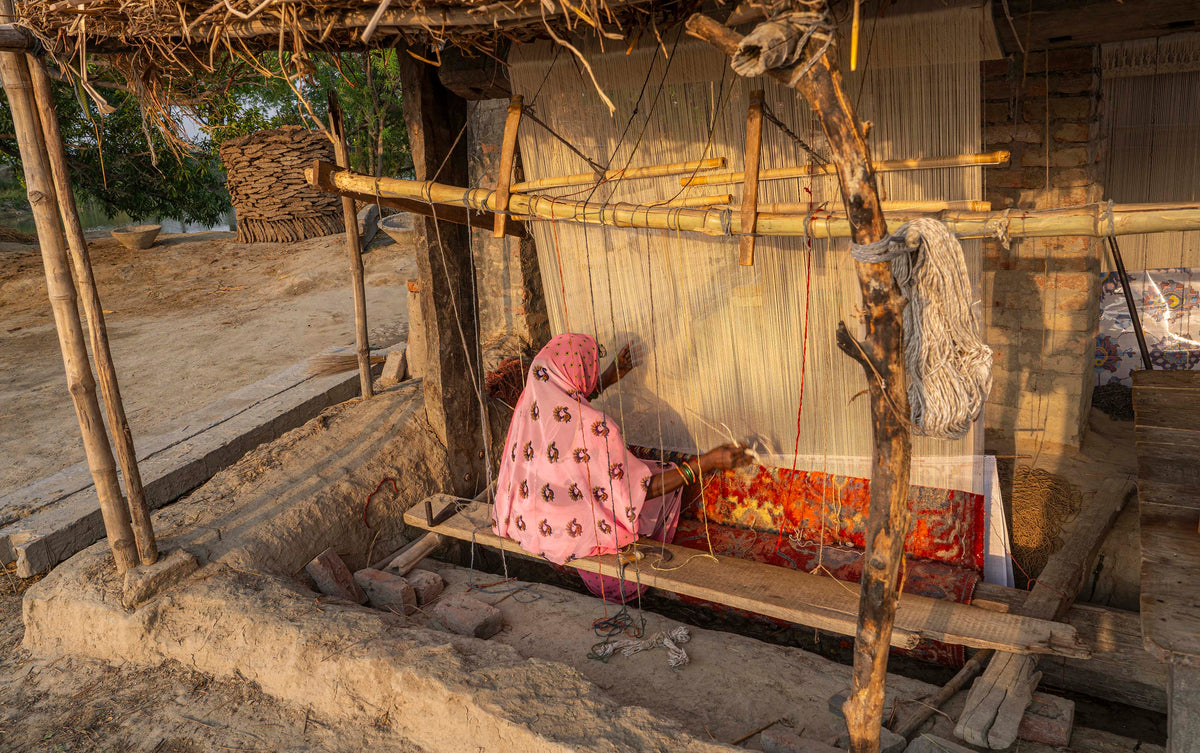
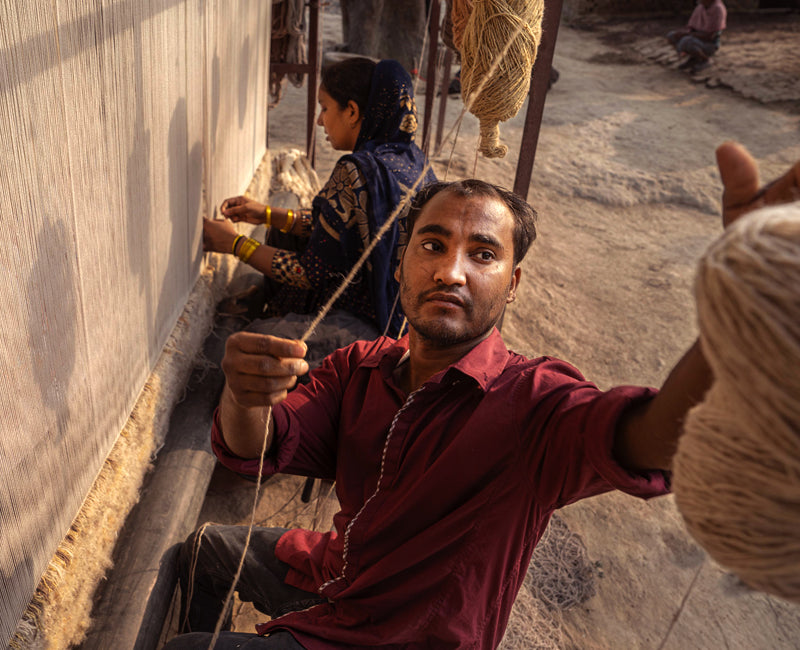
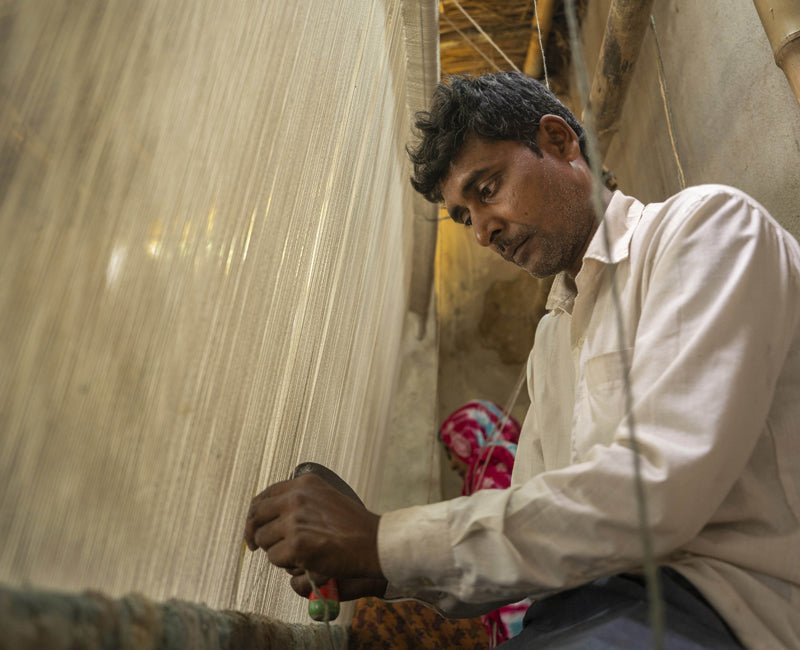
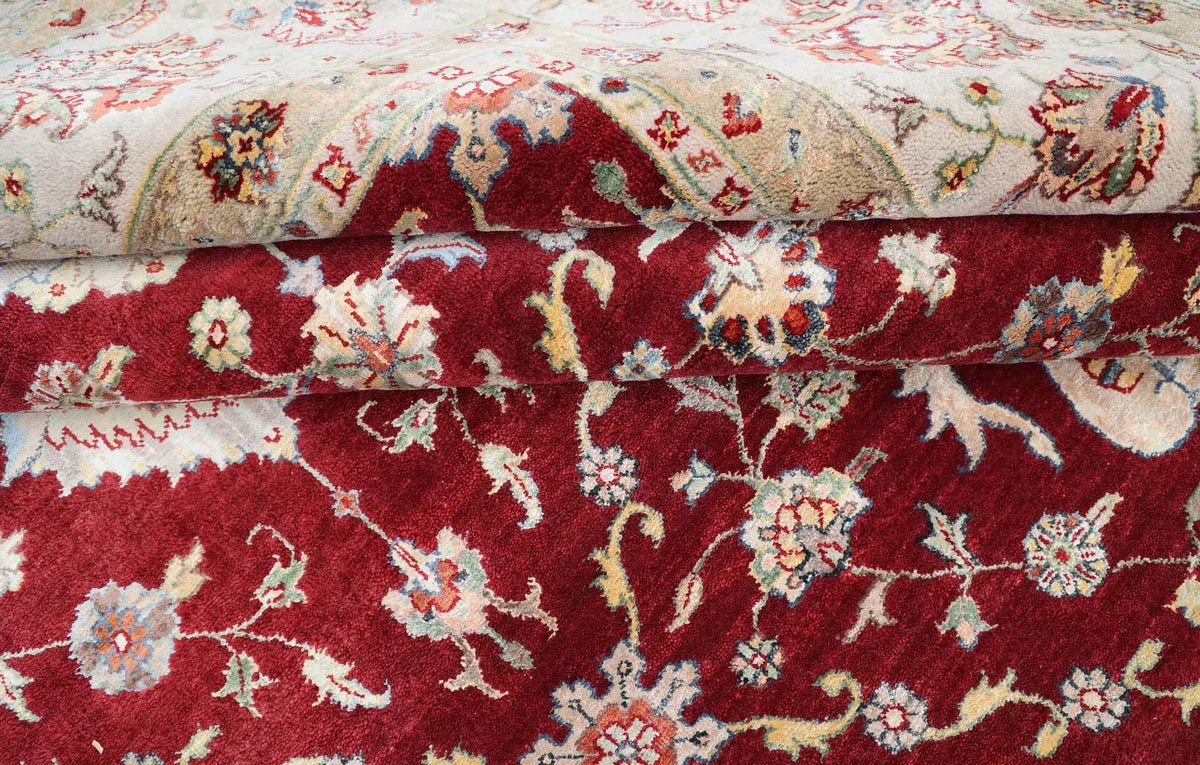
Persian carpets are often associated with hand-knotting, although Persian carpet-making encompasses different techniques and regional traditions. Their designs can include floral patterns, medallions, geometric motifs, garden scenes, and intricate borders.
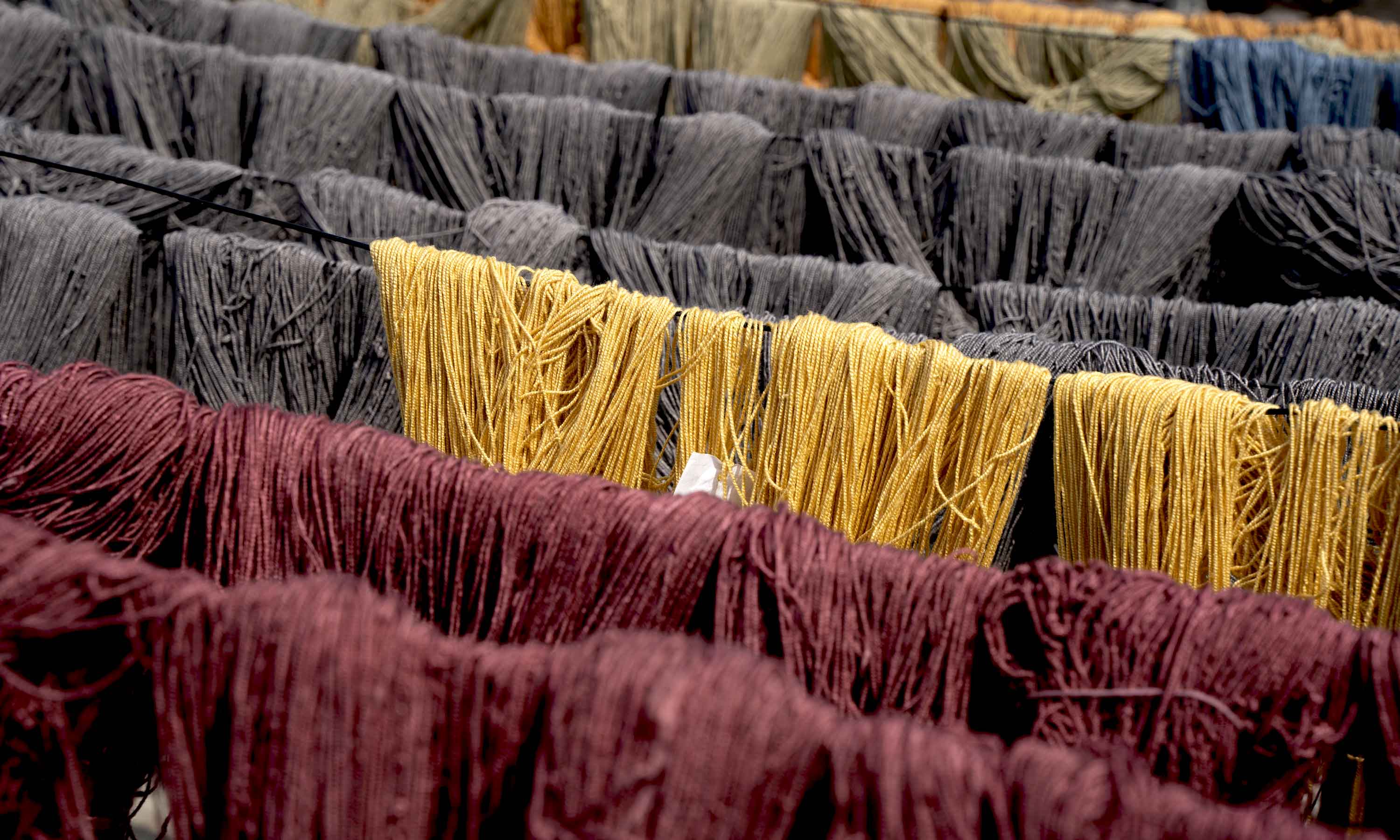
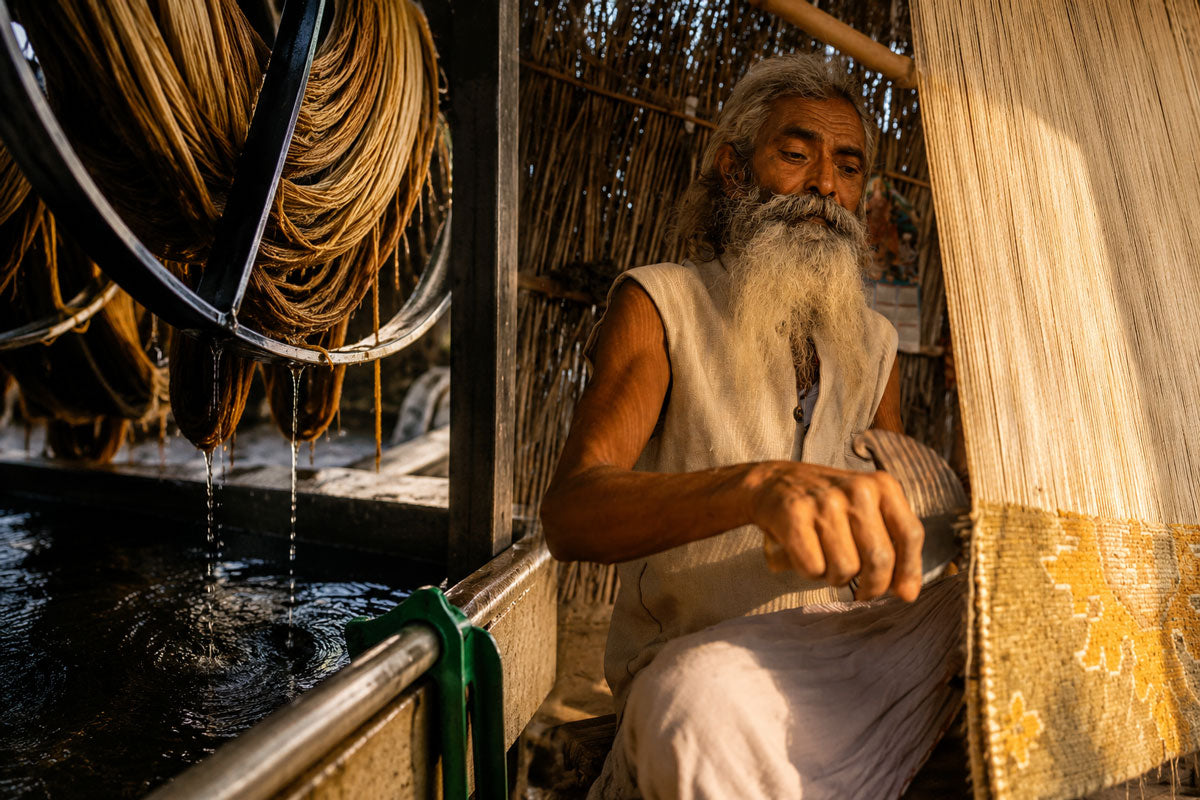
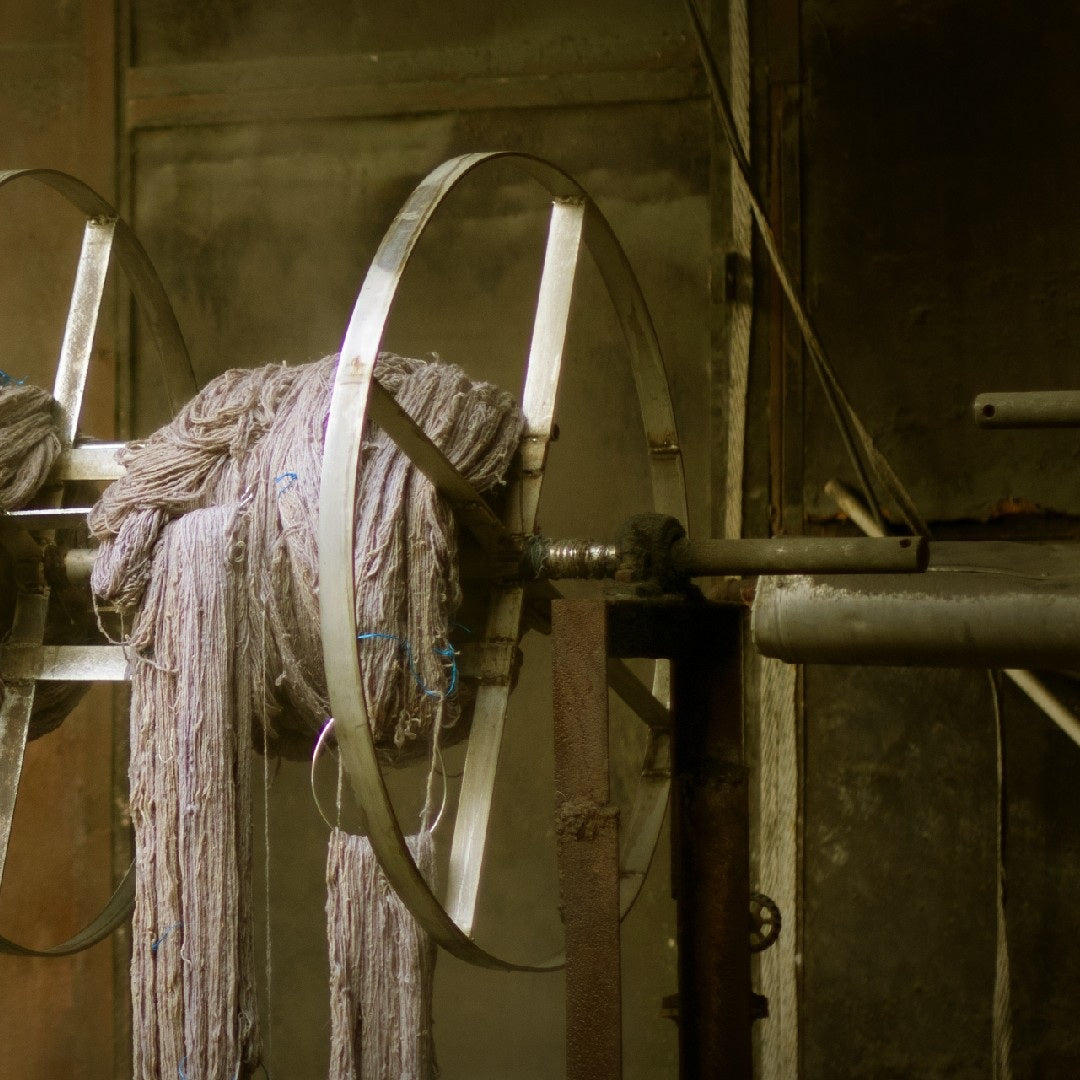
The materials commonly include wool and silk, with the choice depending on the style, purpose, and region of production.
What makes Persian carpets particularly distinctive is not simply their construction, but the combination of design, craftsmanship, materials, and cultural tradition behind each piece.
The Early History of Persian Carpets
The exact origins of carpet-making in Persia are difficult to establish because textiles are vulnerable to decay, meaning relatively few ancient examples have survived.
However, the history of knotted carpets in the broader region goes back many centuries. One of the earliest surviving knotted carpets, the Pazyryk Carpet, dates to around the 5th century BCE and demonstrates the sophisticated level of carpet-making that already existed in the ancient world.
Over the centuries, carpet-making traditions developed across Persia and neighboring regions, with artisans creating distinctive designs and techniques influenced by local culture, art, and materials.
The Golden Age of Persian Carpets
One of the most important periods in Persian carpet history was the Safavid dynasty, particularly during the 16th and 17th centuries.
During this period, Persian carpet-making developed into a highly sophisticated art form. Royal workshops produced carpets with complex compositions, detailed floral designs, central medallions, and elaborate borders.
Cities such as Isfahan, Kashan, and Tabriz became important centers of carpet production. Some carpets were created for royal interiors, while others were produced as diplomatic gifts or for export to Europe.
The famous carpets associated with the Safavid period demonstrate how carpet-making had moved beyond practical use and become an important form of artistic expression.
What Makes Persian Carpets Unique?
Persian carpets are known for their distinctive visual language.
Common elements include:
Central medallions
Floral and vine motifs
Detailed borders
Garden-inspired compositions
Geometric patterns
Rich and carefully balanced colors
Different regions developed their own characteristics, meaning that a Persian carpet does not necessarily have one single appearance.
The design can tell us something about the region, period, artistic influences, and traditions from which the carpet originated.
Persian Carpets Today
Although the world of carpet-making has changed considerably, Persian carpet traditions continue today.
Modern Persian carpets can combine traditional patterns with contemporary designs while maintaining many of the techniques and craftsmanship associated with the region.
The tradition has also influenced carpet-making beyond Iran, inspiring designers and artisans around the world.
Conclusion: More Than a Pattern
A Persian carpet is a piece of history woven into material form.
Its significance comes not only from its intricate patterns or beautiful colors, but from the generations of craftsmanship and artistic traditions behind them.
From ancient carpet-making traditions to the artistic achievements of the Safavid period and the carpets created today, Persian carpets continue to demonstrate how a practical object can become a form of cultural expression.
A Persian carpet is not simply something made to cover a floor. It is a tradition shaped by time, carried by skilled hands, and preserved through every knot.