
Berber Carpets: History, Tradition, and Timeless Craftsmanship
Berber carpets are more than beautiful decorative pieces. For centuries, these handmade rugs have been an important part of the culture and everyday life of the Berber, or Amazigh, people of North Africa. Recognized for their natural textures, distinctive geometric patterns, and handcrafted character, Berber carpets remain popular in homes around the world.
What Are Berber Carpets?
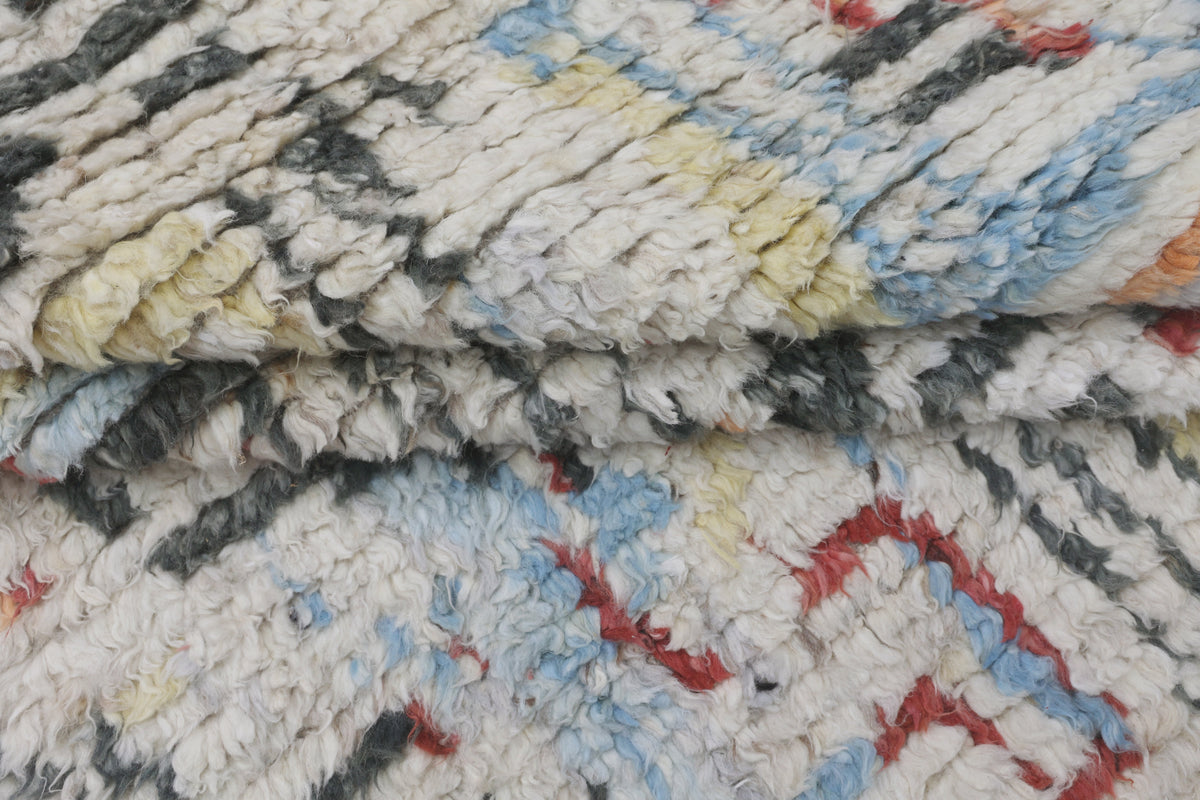
Berber carpets are traditionally handmade rugs created by the Amazigh people, indigenous communities of North Africa, particularly in Morocco. They are commonly made from wool and are known for their soft textures, geometric designs, and earthy or natural colors.
Because they are handmade, each carpet can have subtle variations in its texture, pattern, and shape. These natural imperfections are not flaws, they are part of the charm and character of a handmade carpet.
The History of Berber Carpets
The history of Berber carpets goes back centuries, long before they became popular as modern interior décor.
The Amazigh people traditionally lived across the mountains, valleys, and desert regions of Morocco and other parts of North Africa. Their carpets were originally created for practical purposes, such as providing warmth during cold nights, covering floors, and creating comfortable living spaces.
Over generations, carpet weaving developed into an important cultural tradition. Weaving techniques, patterns, and knowledge were often passed down from mothers and grandmothers to younger generations.
As a result, Berber carpets became more than functional household objects. They became a way of preserving cultural traditions and expressing personal experiences through patterns and colors.
The Meaning Behind Berber Carpet Patterns
One of the most fascinating features of Berber carpets is their geometric patterns.
Diamonds, triangles, zigzags, lines, and abstract shapes are commonly found in traditional designs. In many Amazigh communities, these motifs can carry symbolic meanings connected to nature, family, fertility, protection, or important life experiences.
However, the meaning of a particular symbol can vary depending on the region and community. This diversity makes Berber carpets especially interesting, as each design can tell a different story.
Traditional Materials and Craftsmanship
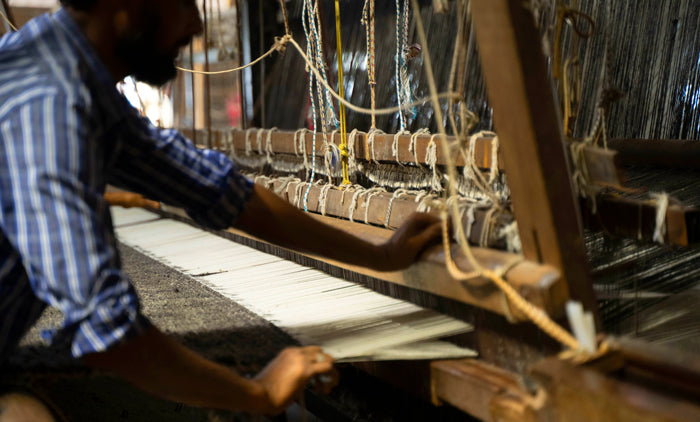
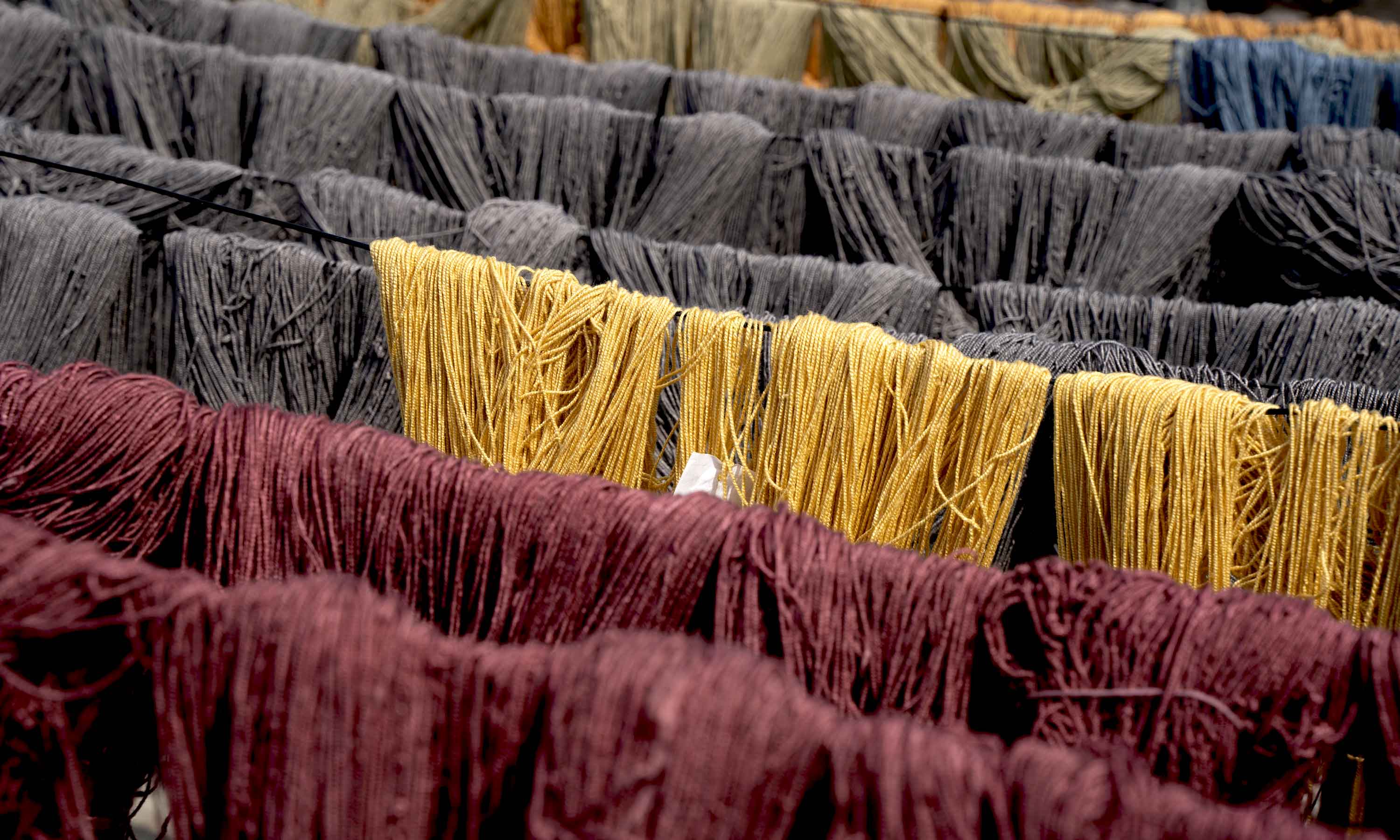
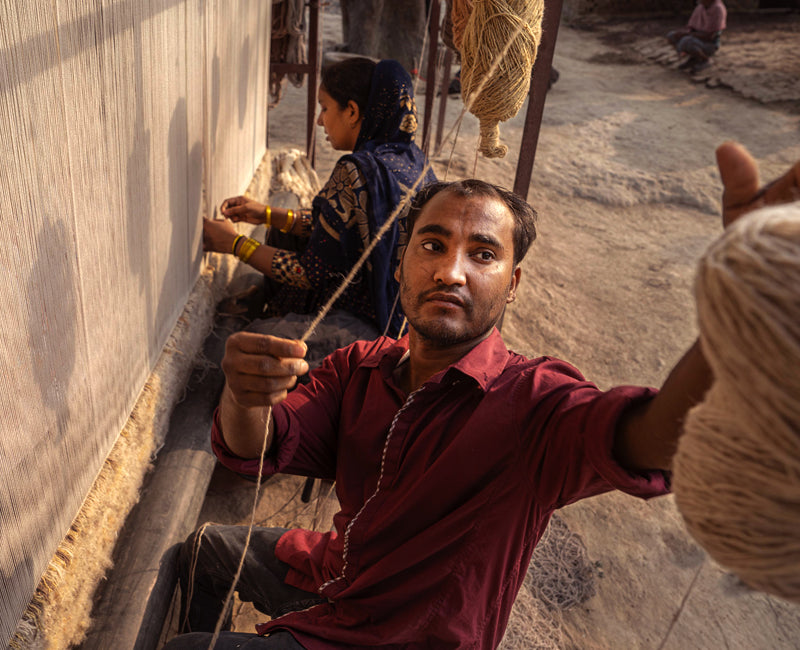
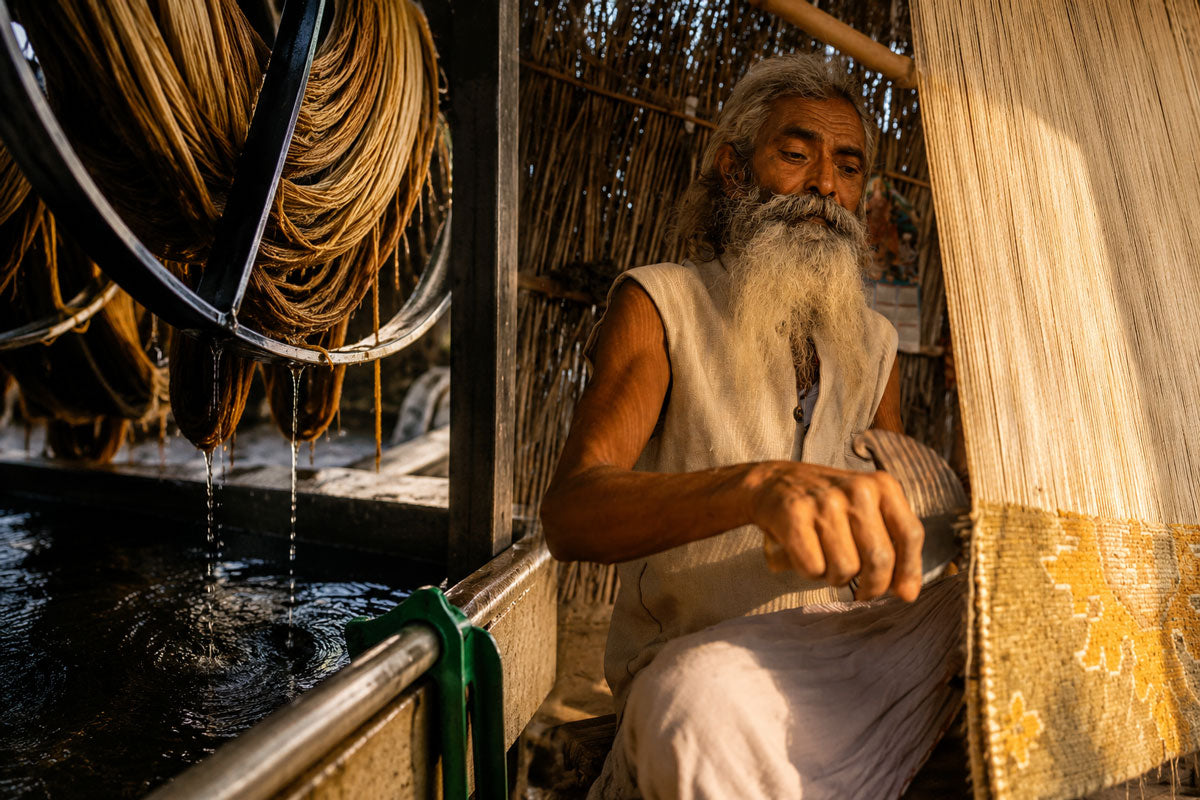
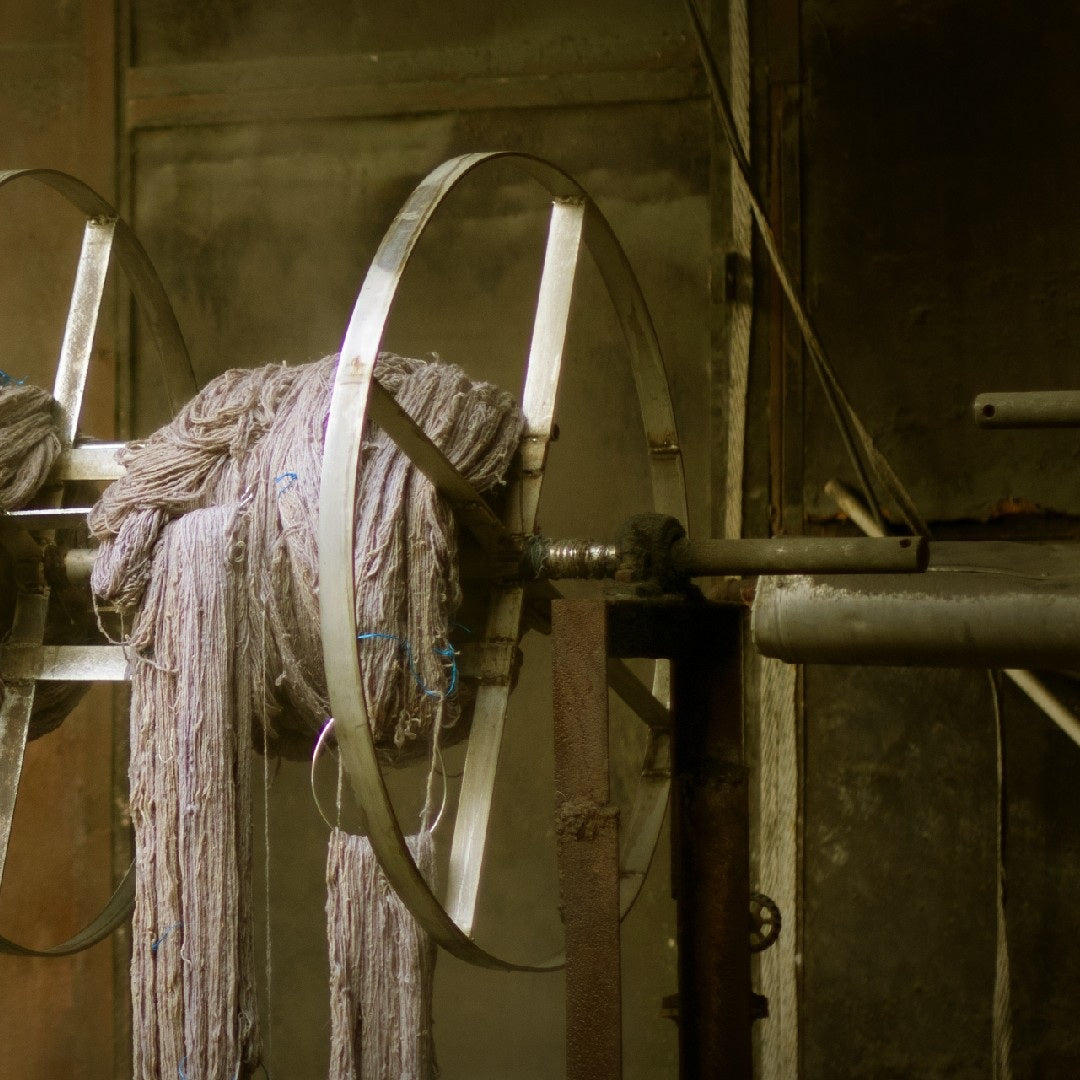
Wool is one of the most important materials traditionally used to create Berber carpets. Local sheep wool was historically cleaned, spun, and prepared by hand before being woven into rugs.
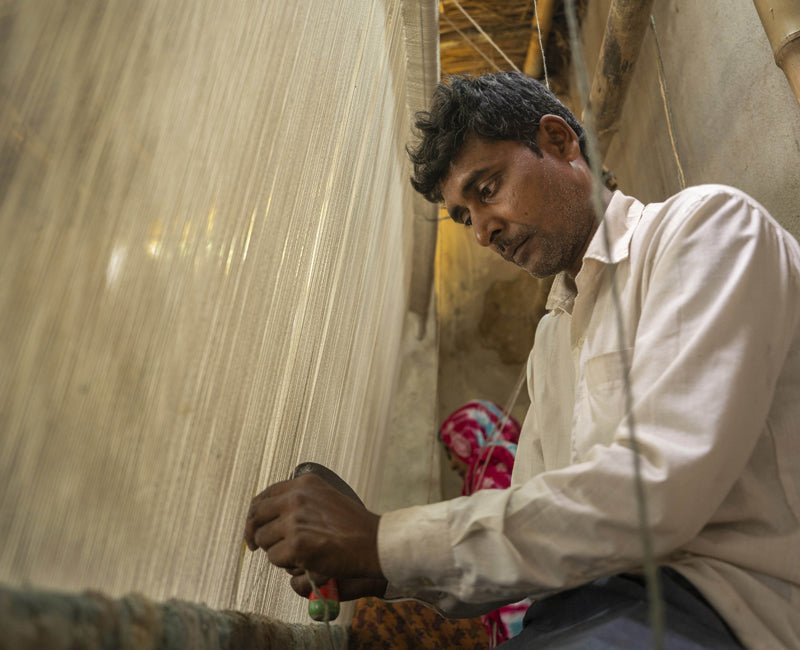
The process can involve several stages, from preparing the wool and spinning the yarn to weaving the final carpet by hand.
Since the process depends on individual craftsmanship, no two handmade Berber carpets are exactly alike. Differences in texture, yarn thickness, knots, and patterns are natural characteristics of handmade weaving.
Popular Types of Berber Carpets
Berber carpets come in many different styles, with each region developing its own distinctive weaving traditions.
Beni Ourain Carpets
Beni Ourain carpets are among the most recognizable Moroccan rugs. Traditionally associated with the Middle Atlas Mountains, they are known for their thick, soft wool and simple geometric patterns, often featuring dark designs against a light background.
Azilal Carpets
Azilal carpets are known for their colorful and expressive designs. They often feature irregular geometric patterns and vibrant colors, giving each piece a unique artistic character.
Boujad Carpets
Boujad carpets are recognized for their rich colors, bold geometric patterns, and warm tones. Their expressive designs can add personality and visual interest to modern interiors.
Although these styles share Amazigh origins, their differences highlight the incredible diversity of Moroccan carpet-making traditions.
Berber Carpets in Modern Interior Design
Today, Berber carpets have become popular far beyond North Africa. Their natural textures and timeless geometric patterns complement a wide range of interior styles, from minimalist and Scandinavian to rustic, bohemian, and contemporary interiors.
Their versatility is one of their greatest strengths. A neutral Berber carpet can bring warmth and texture to a minimalist room, while a colorful design can become a statement piece in a more eclectic space.
Why Are Berber Carpets Special?
The beauty of Berber carpets comes from the combination of history, craftsmanship, and individuality.
Every handmade carpet carries subtle traces of the person who created it. Small variations in the weave, texture, and pattern are reminders that the rug was crafted by human hands rather than mass-produced by machines.
Beyond their aesthetic appeal, traditional Berber carpets represent a cultural heritage that has been preserved across generations. Their designs connect ancient weaving traditions with modern interior design.
A Timeless Piece of Heritage
From practical household rugs to highly appreciated pieces of textile art, Berber carpets have evolved while maintaining their connection to Amazigh heritage.
Their natural materials, handmade construction, distinctive patterns, and cultural history make them much more than floor coverings. They are a celebration of craftsmanship, tradition, and storytelling.
Whether placed in a modern home or a traditional interior, a Berber carpet brings together history, texture, and human craftsmanship in one timeless piece.