
What Is a Hand-Knotted Carpet? A Brief History of the Craft
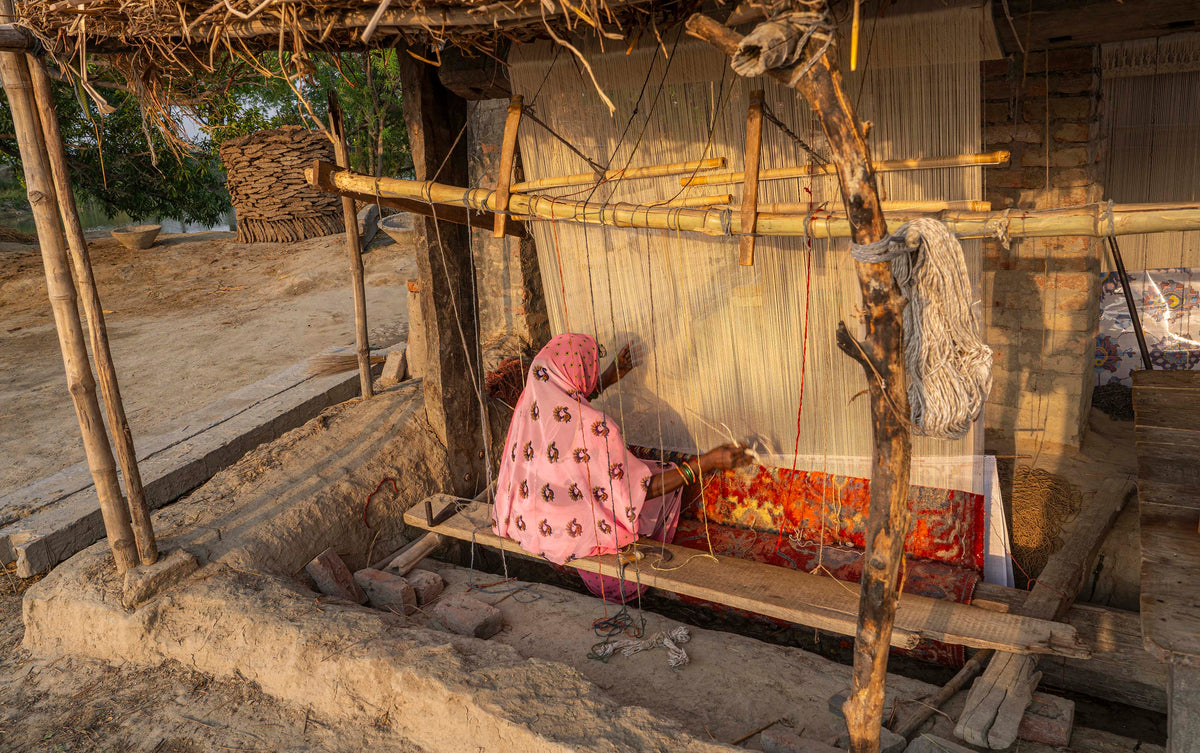
A hand-knotted carpet is one of the oldest traditional forms of carpet making. Unlike machine-made rugs, artisans tie individual knots by hand around loom warp threads.
The result is a carpet built slowly, knot by knot, using techniques that have been practiced and refined across generations.
But where did hand-knotting begin, and why has this traditional craft remained relevant for centuries?
What Is a Hand-Knotted Carpet?
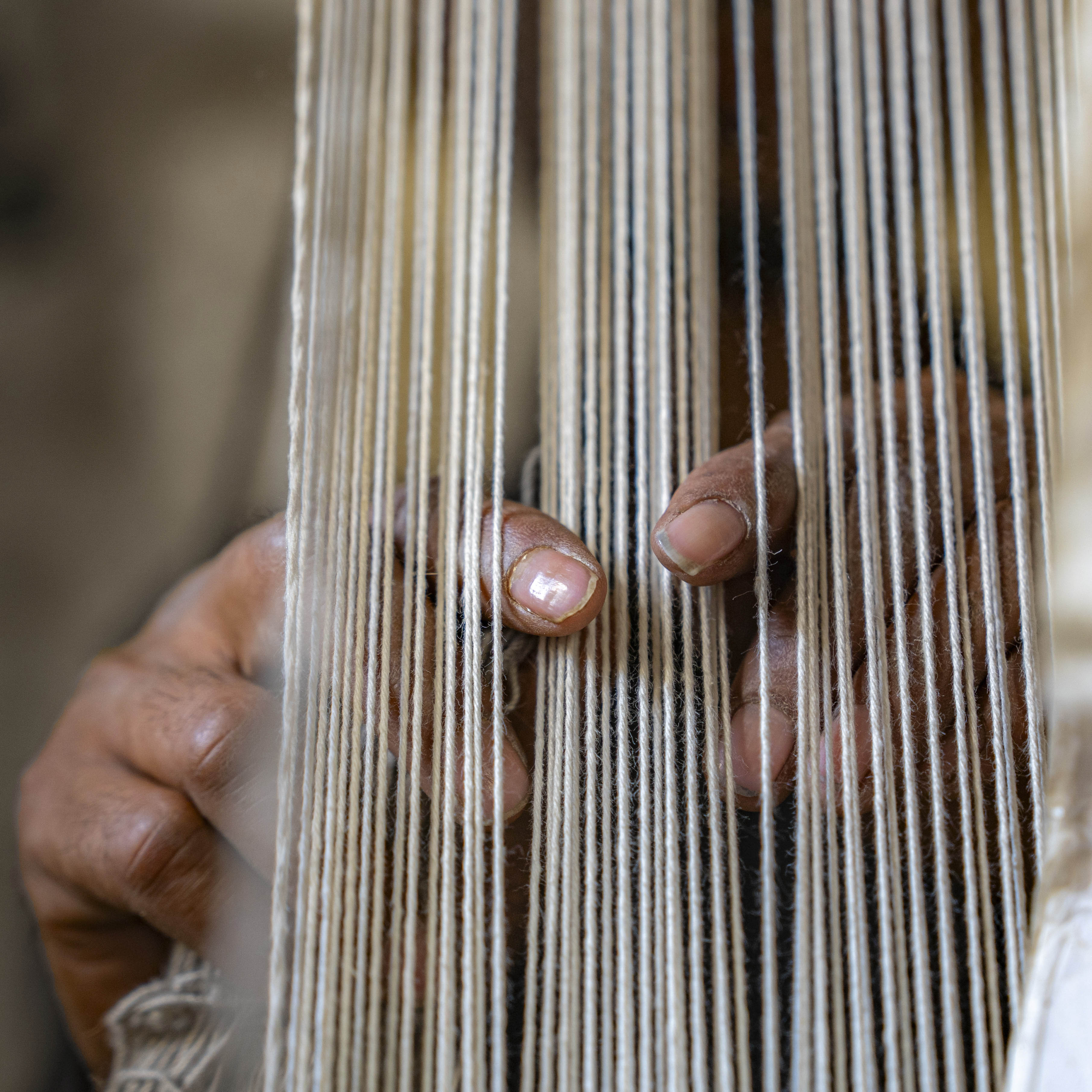
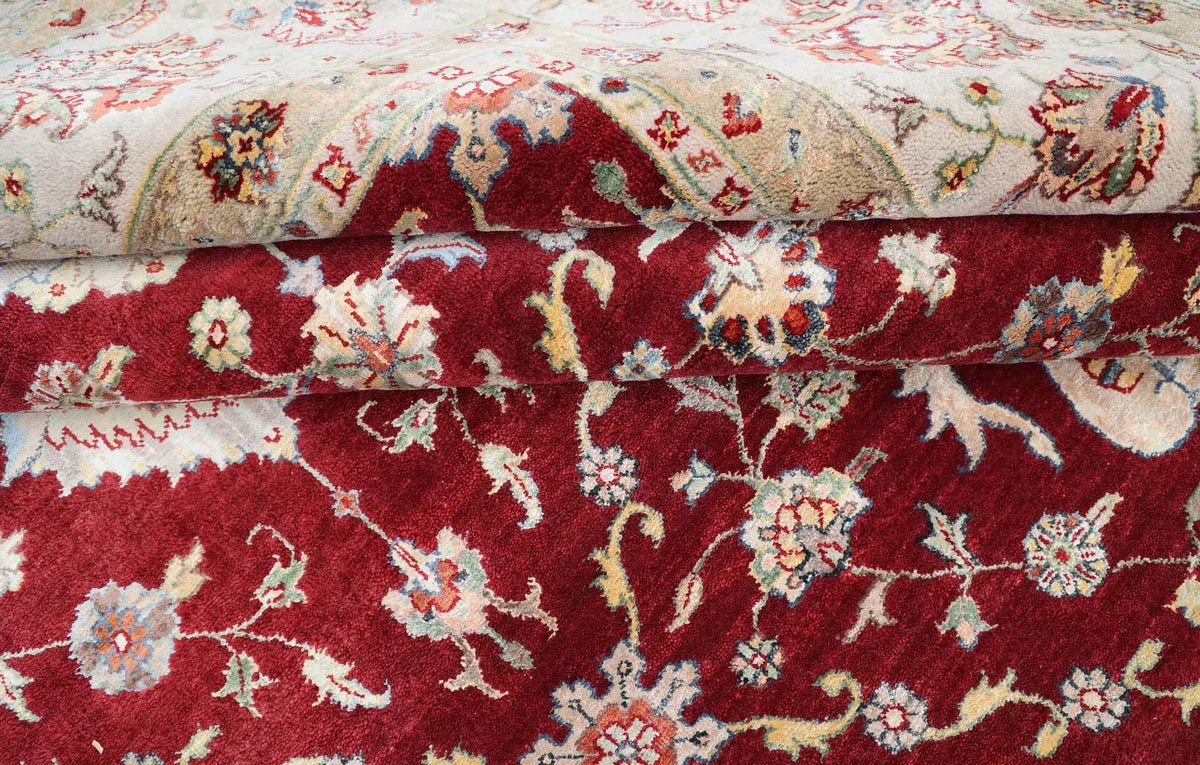
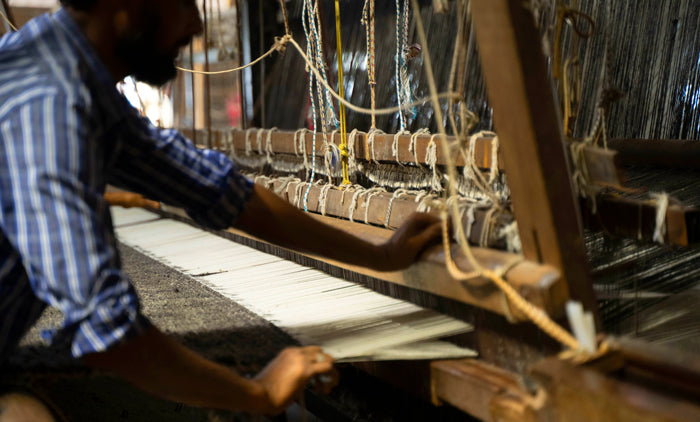
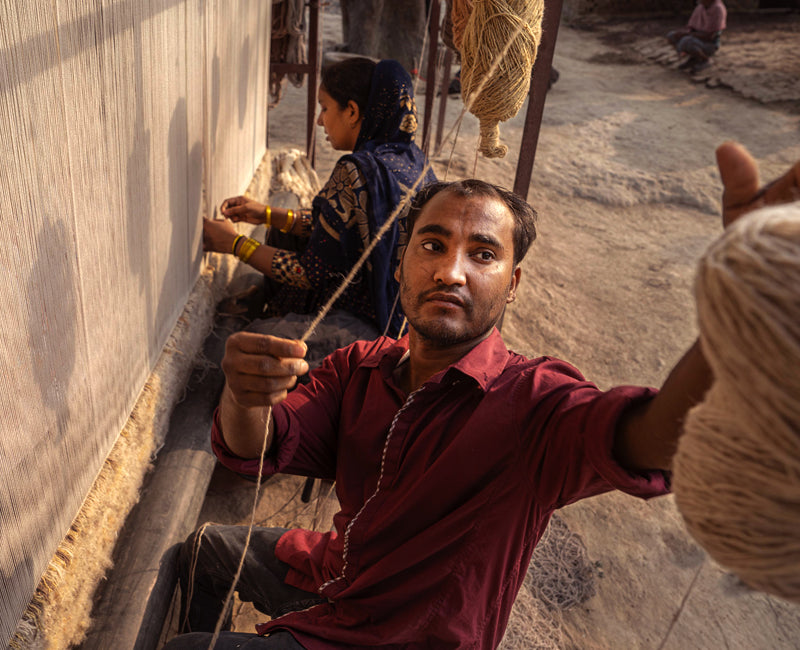
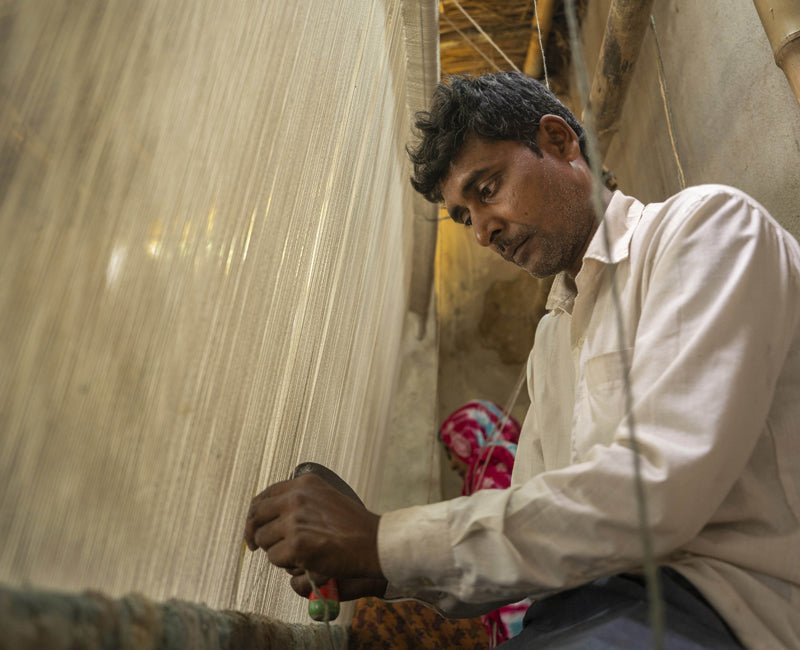
A hand-knotted carpet is a type of handmade carpet in which individual knots are tied manually onto a prepared foundation.
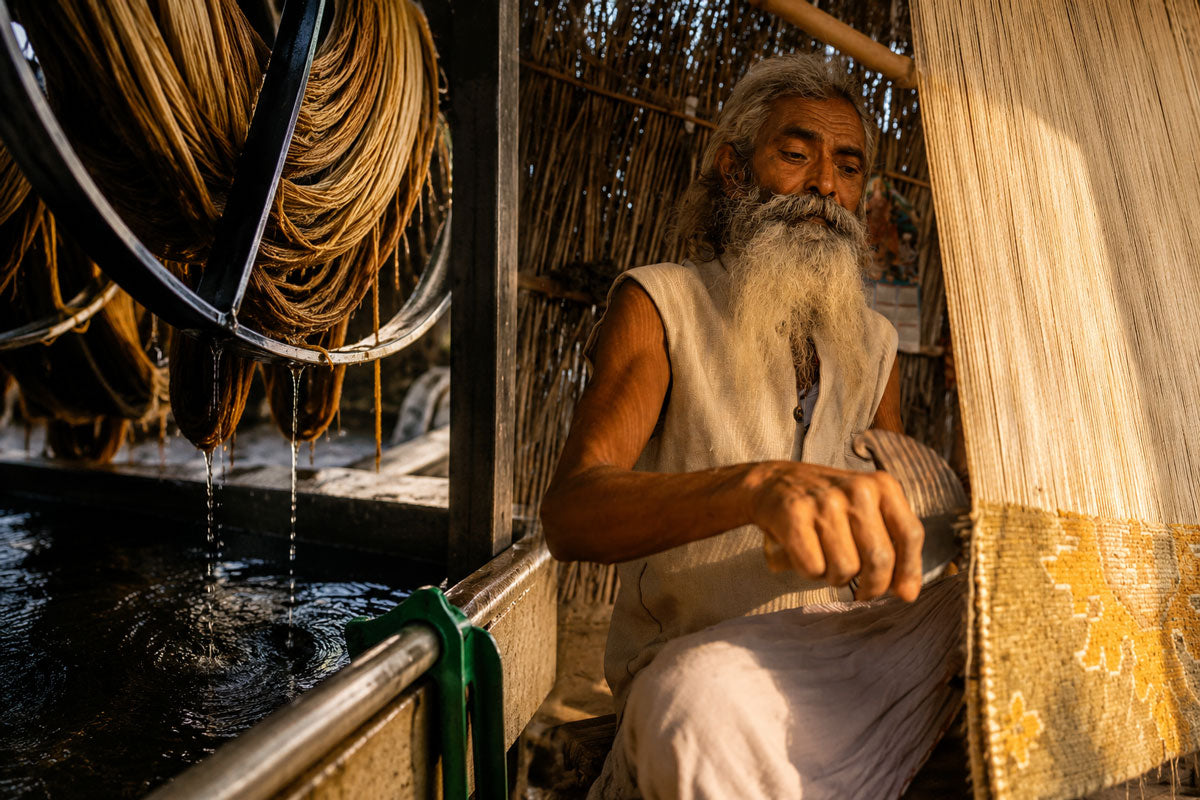
The artisan works row by row, following a predetermined design to create the pattern and structure of the carpet. Once the knotting is complete, the carpet goes through finishing processes such as trimming and washing.
Because each knot is tied by hand, the process requires considerable time, patience, and skill.
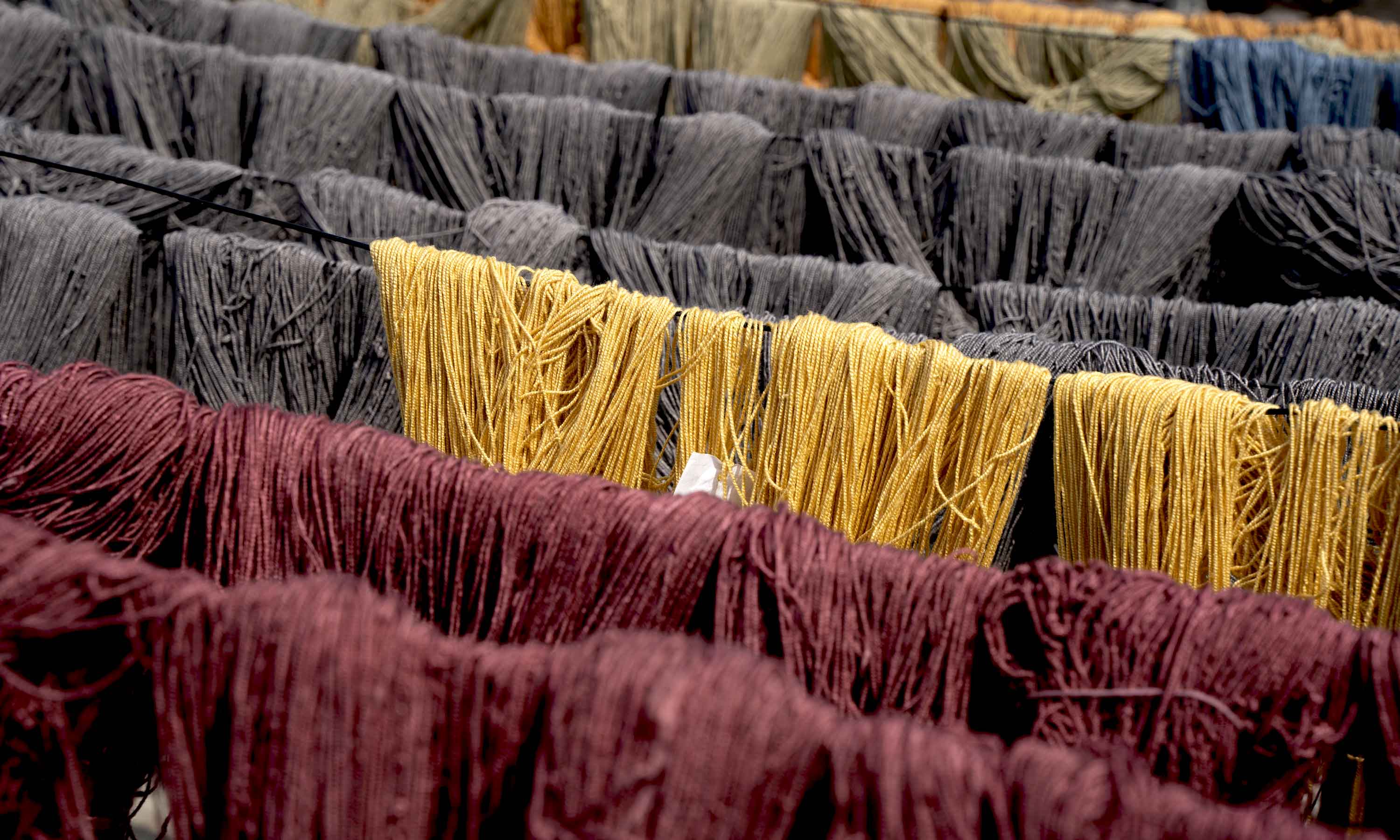
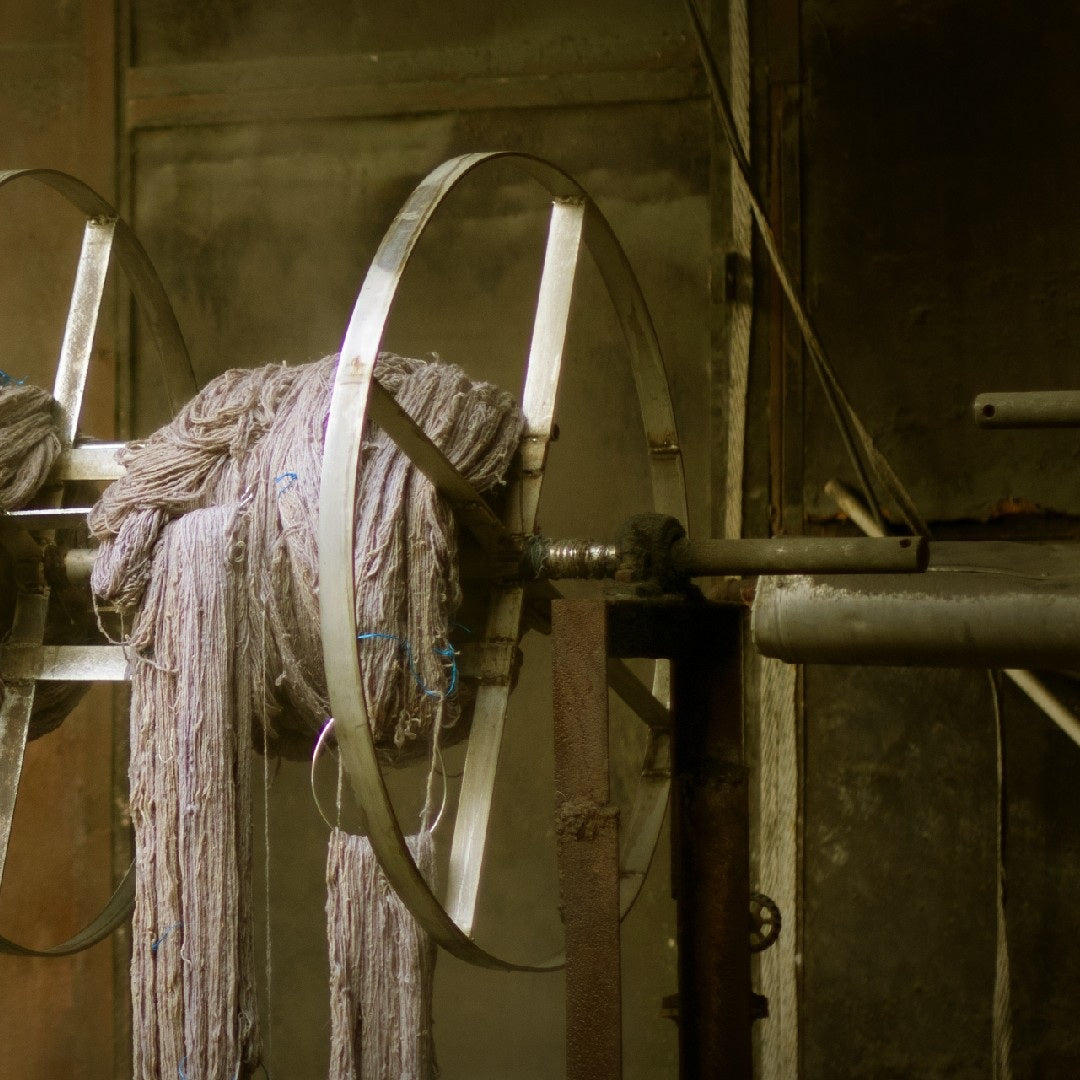
Hand-knotted carpets commonly use wool and silk. Other fibers are used depending on the design and desired characteristics.
The History of Hand-Knotted Carpets
The history of hand-knotted carpets stretches back thousands of years.
The Pazyryk Carpet is one of the earliest surviving examples. It was found in the Altai Mountains around the 5th century BCE. Its sophisticated design shows that carpet-making was highly developed in the ancient world.
Over time, carpet-making traditions developed across different regions of Central Asia, Persia, the Middle East, and later South Asia.
Persia, in particular, became closely associated with the development of highly sophisticated carpet-making traditions. Carpets were created with increasingly complex patterns, detailed motifs, and refined weaving and knotting techniques.
The craft later spread and evolved worldwide. Each region developed its own designs, materials, and construction traditions.
Explore More About Persian Carpets
Hand-Knotted Carpets in India
India has also developed a rich tradition of handmade carpet making.
The craft became particularly established during the Mughal period, when Persian artistic influences were introduced to the Indian subcontinent. Over time, Indian artisans adapted these influences and developed their own approaches to carpet design and craftsmanship.
Different carpet-making regions eventually became known for their distinctive styles, materials, patterns, and techniques.
India remains an important center for handmade carpets. Skilled artisans continue techniques passed down through generations.
Why Is Hand-Knotting Still Important?
Despite the development of modern manufacturing technology, hand-knotting remains valued because of the craftsmanship involved.
Every carpet requires individual attention from the artisan. The process cannot simply be reduced to pressing a button or running a machine faster.
The design, materials, knotting technique, finishing, and skill of the artisan all contribute to the final character of the carpet.
This also means that subtle variations can occur between handmade pieces. Rather than being identical copies, hand-knotted carpets can carry small characteristics that reflect the human process behind their creation.
A Craft That Has Survived Through Time
From ancient carpets to contemporary interiors, hand-knotting has continued to evolve while preserving its fundamental technique.
The tools and designs may change, but the basic idea remains remarkably simple:
one knot, one movement, and one artisan at a time.
That continuity is what makes hand-knotted carpets more than simply floor coverings. They are part of a craft tradition shaped by history, culture, and human hands.
Conclusion
A hand-knotted carpet is the meeting point between tradition and craftsmanship.
For thousands of years, artisans transformed yarn into art. They did this by repeating one small action: tying a knot.
Today, hand-knotted carpets can be found in both traditional and contemporary interiors, but the fundamental craft remains the same.
The designs may change with time, but the hands behind the knot continue to carry the tradition forward.