

Hand-Knotted vs Hand-Woven Rugs: Understanding the Difference
Not all handmade carpets are made in the same way. Two of the most common traditional techniques are hand-knotting and hand-weaving. While both rely on the skill of artisans rather than automated production, the way the yarn is assembled creates important differences in the rug’s structure, appearance, texture, and production time.
If you are comparing handmade carpets for your home, understanding these two techniques can make it easier to choose a rug that suits your space and lifestyle.
How Is a Hand-Knotted Rug Made?
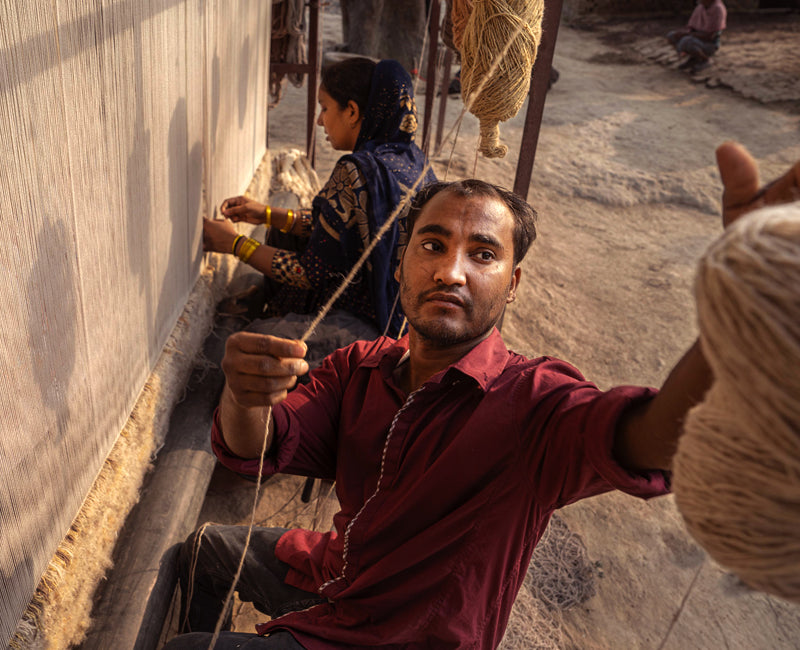
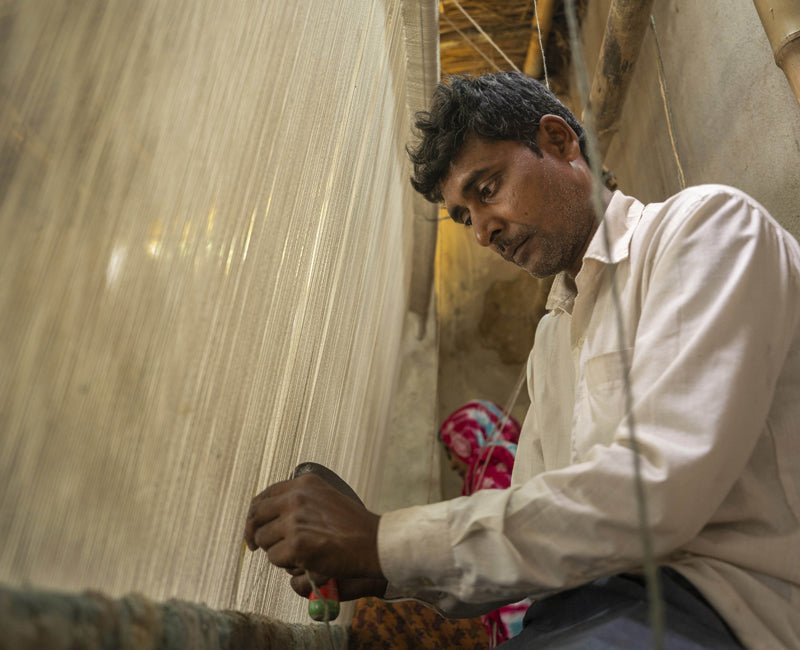
A hand-knotted rug is constructed by tying individual knots around the warp threads of a loom. An artisan creates the knots one at a time, working across the rug row by row. The excess yarn is then trimmed to create the rug’s pile.
This method requires considerable time and attention to detail. Factors such as knot density, yarn type, design complexity, and rug dimensions can all affect the final result.
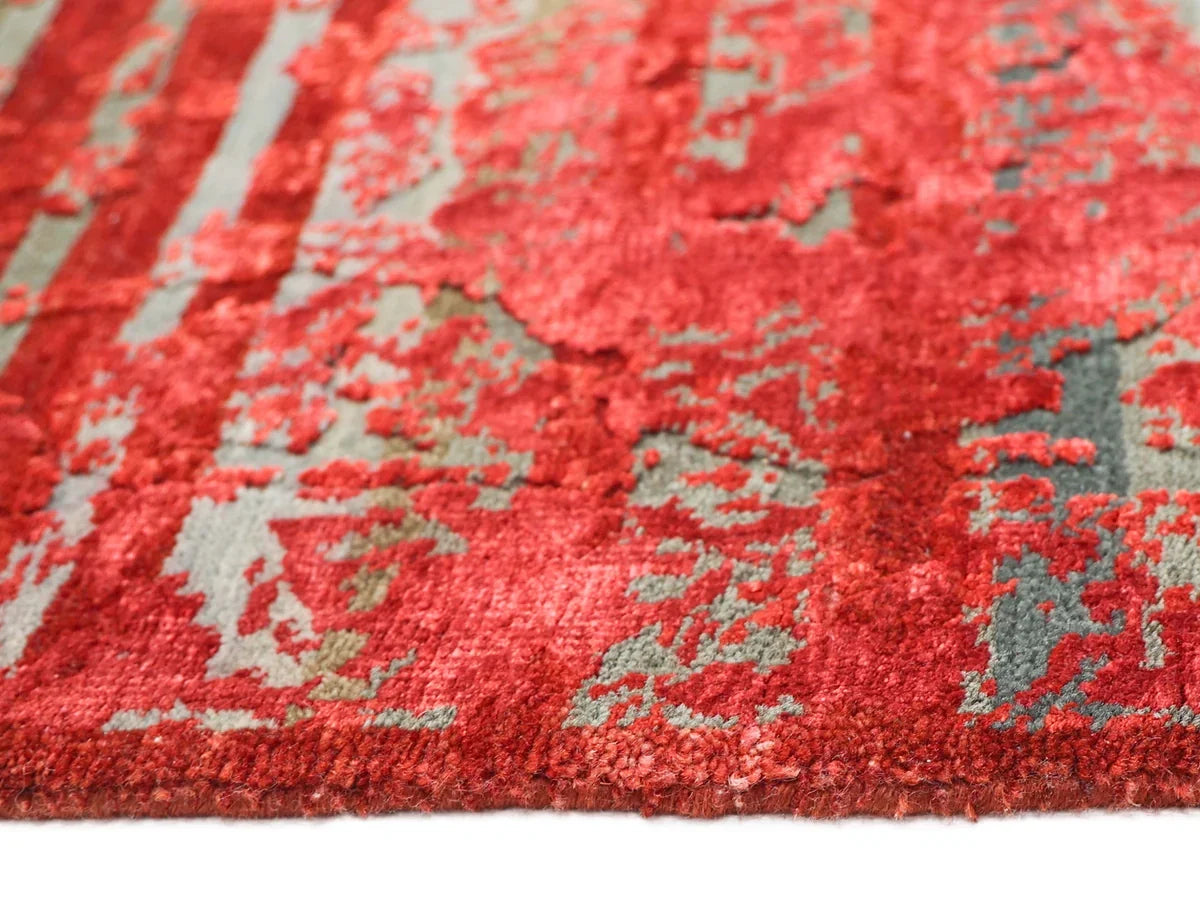
Hand-knotted carpets are commonly valued for their intricate patterns, substantial texture, dense construction, and durability. Depending on the size and complexity of the design, producing one can take weeks, months, or even longer.
How Is a Hand-Woven Rug Made?
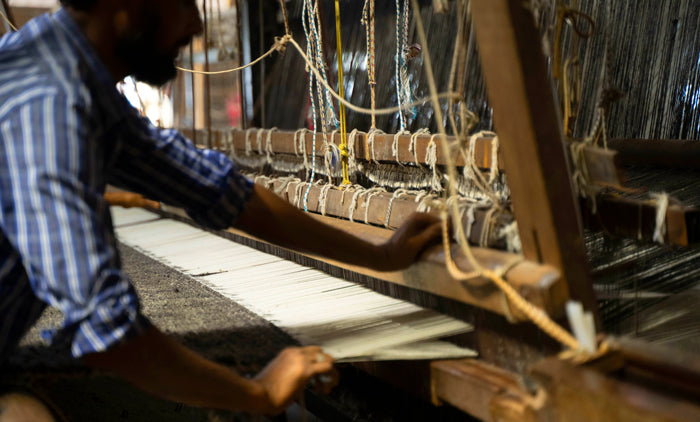
Hand-woven rugs are produced by manually crossing and interlacing horizontal and vertical yarns on a loom. Instead of creating a separate knot at every point, the artisan builds the rug through the weaving process itself.
The term “hand-woven” can cover several traditional weaving methods, including flatweave constructions. As a result, hand-woven carpets often have a flatter, lighter profile, although their exact characteristics depend on the particular technique and materials used.
They are often chosen for their lightweight construction, low-profile surface, versatile appearance, and handcrafted character.
Which Type of Rug Lasts Longer?
Construction is only one part of a carpet’s durability. The fiber used, yarn quality, density, craftsmanship, and maintenance all contribute to how well a rug performs over time.
Because each knot is individually secured, a well-crafted hand-knotted carpet can offer exceptional durability. At the same time, a quality hand-woven rug can also perform well when the appropriate materials and weaving methods are used.
If the carpet will be placed in a high-traffic area, consider the complete construction and material rather than choosing solely based on whether it is hand-knotted or hand-woven.
Which Handmade Rug Is Right for You?
Your choice should reflect how you want the carpet to look and feel, as well as where you plan to use it.
A hand-knotted rug may be the better fit if you want an intricate design, a richer and more substantial texture, a traditional handcrafted appearance, or a carpet intended for many years of use.
A hand-woven rug may be preferable when you want something lightweight, flatter, versatile, or suited to simpler and contemporary designs.
Neither technique should automatically be considered superior. They are different approaches to handmade carpet production, and each has its own advantages.
How to Identify a Hand-Knotted or Hand-Woven Rug
Looking at the underside of a carpet can provide useful clues about its construction.
With a hand-knotted rug, the back will generally reveal individual knots and the way those knots create the design. A hand-woven rug displays a different structure because its yarns are interlaced rather than individually knotted.
Because handmade carpets can be produced using a variety of techniques, visual inspection is not always enough to make a definite identification. When in doubt, asking the manufacturer or artisan is the most reliable approach.
Why Construction Matters When Buying a Handmade Carpet
The way a carpet is made affects much more than its appearance. Construction can influence the rug’s texture, structure, production time, durability, and the amount of craftsmanship involved.
Understanding these differences also gives you a better appreciation of the work behind a handmade carpet. Whether it is hand-knotted or hand-woven, each technique represents a distinct approach to traditional craftsmanship.
Frequently Asked Questions
Is a hand-knotted rug better than a hand-woven rug?
Not necessarily. The two techniques produce different characteristics, so the right option depends on factors such as design preference, texture, durability, and intended use.
Do hand-knotted rugs cost more?
They can. Since hand-knotting is particularly labor-intensive, the amount of work involved can contribute to a higher price. Knot density, materials, size, and design complexity can also affect the final cost.
Can hand-woven rugs be durable?
Yes. A well-made hand-woven rug can provide good durability. Its longevity depends on factors including the specific weaving technique, materials, construction quality, usage, and maintenance.
How can I tell whether a rug is hand-knotted?
Examine the back of the rug and look for individual knots and the way the pattern is formed. If the construction is difficult to identify, a professional rug dealer or manufacturer can help determine the technique.
Are hand-knotted and hand-woven carpets handmade?
Yes. Both are traditionally produced using manual techniques and artisan craftsmanship, although the actual construction process differs.
Final Thoughts
The fundamental difference between these two handmade carpet techniques comes down to construction. Hand-knotted carpets are formed by individually tying knots around the warp threads, while hand-woven carpets are created by manually interlacing yarns on a loom.
Both methods can produce beautiful and durable handmade carpets. The best choice depends on the style, texture, construction, durability, and intended location of the rug.