
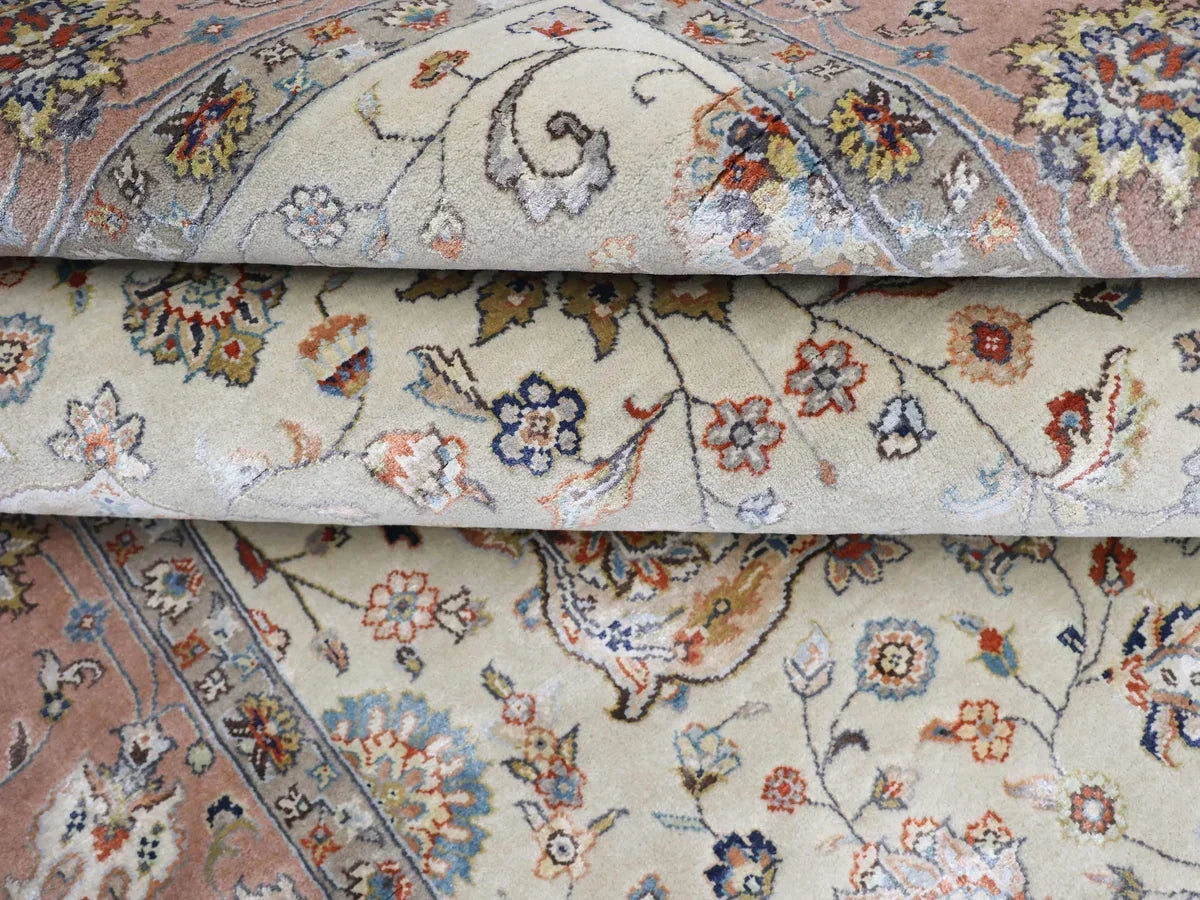
What Is a Traditional Carpet?
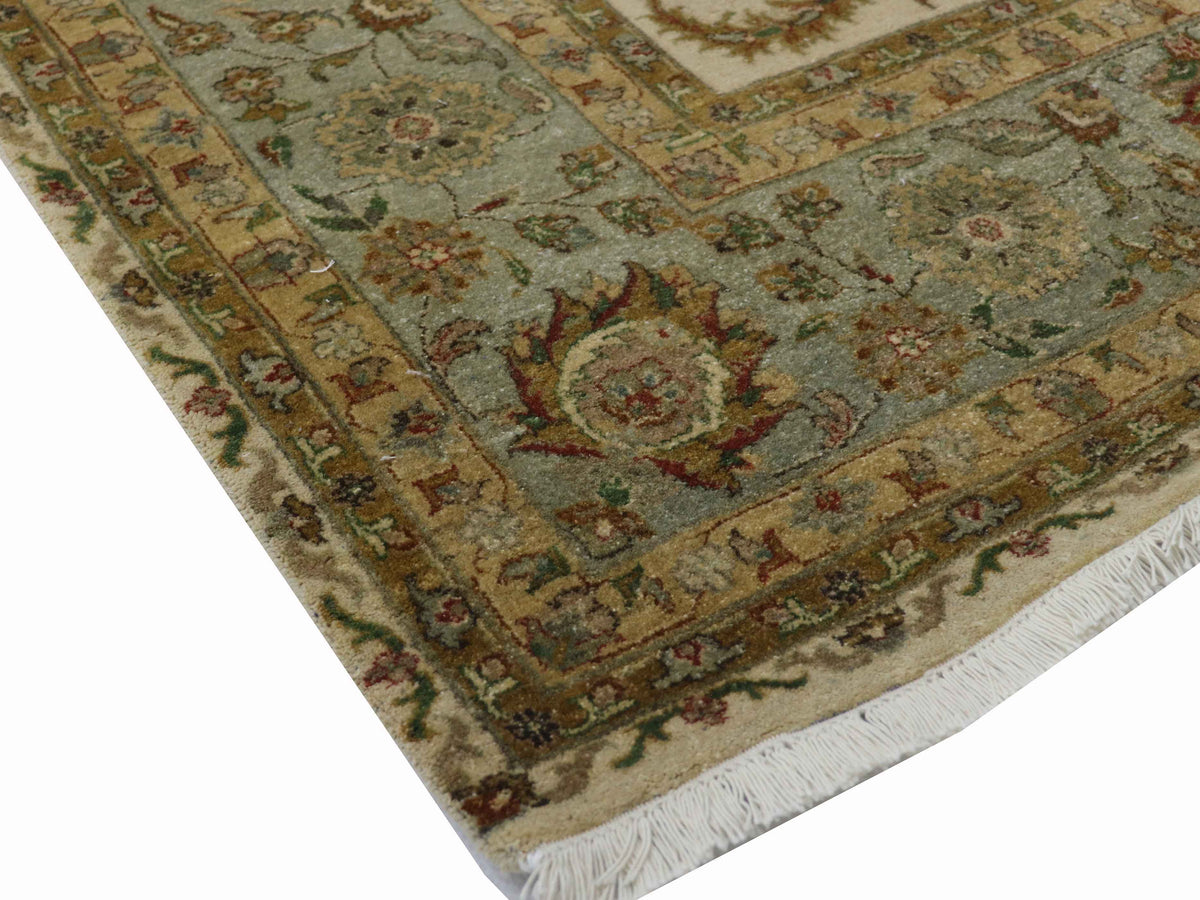
A traditional carpet is a carpet inspired by classic designs, cultural traditions, and historical weaving techniques. Traditional carpets are often recognized by their detailed patterns, balanced compositions, rich colors, and decorative borders.
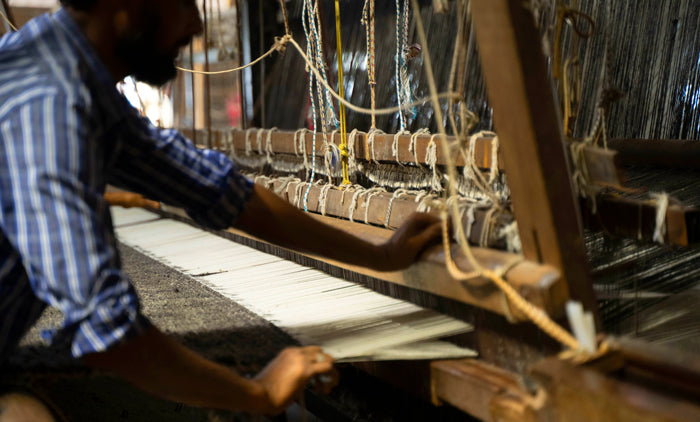
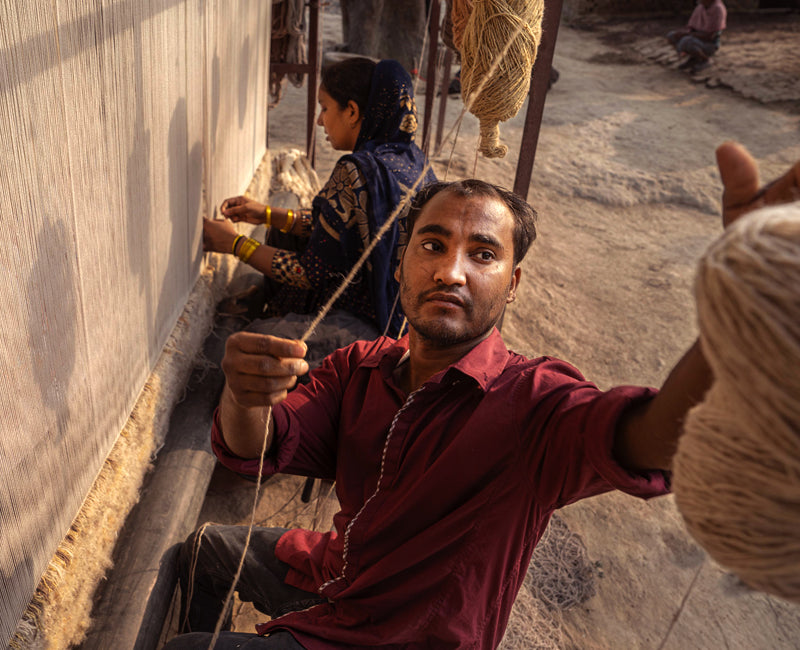
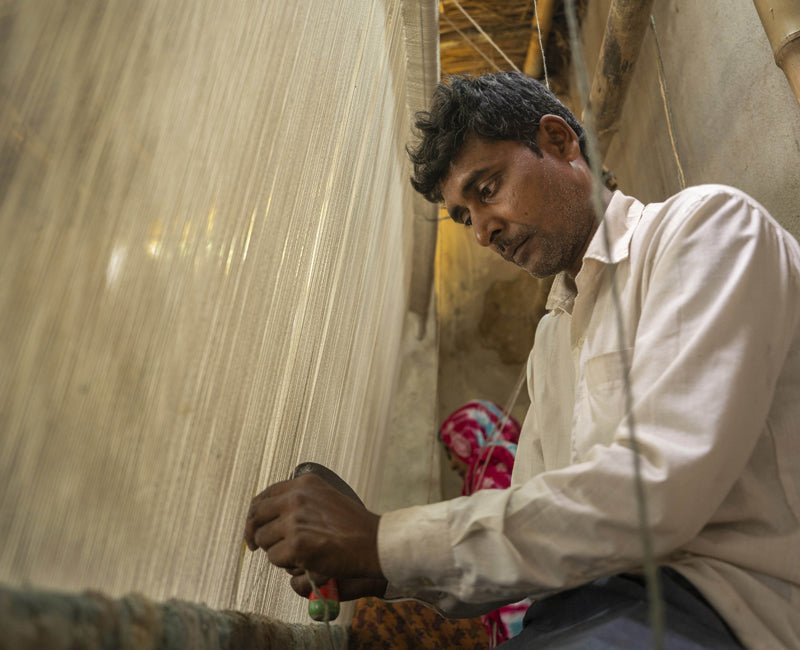
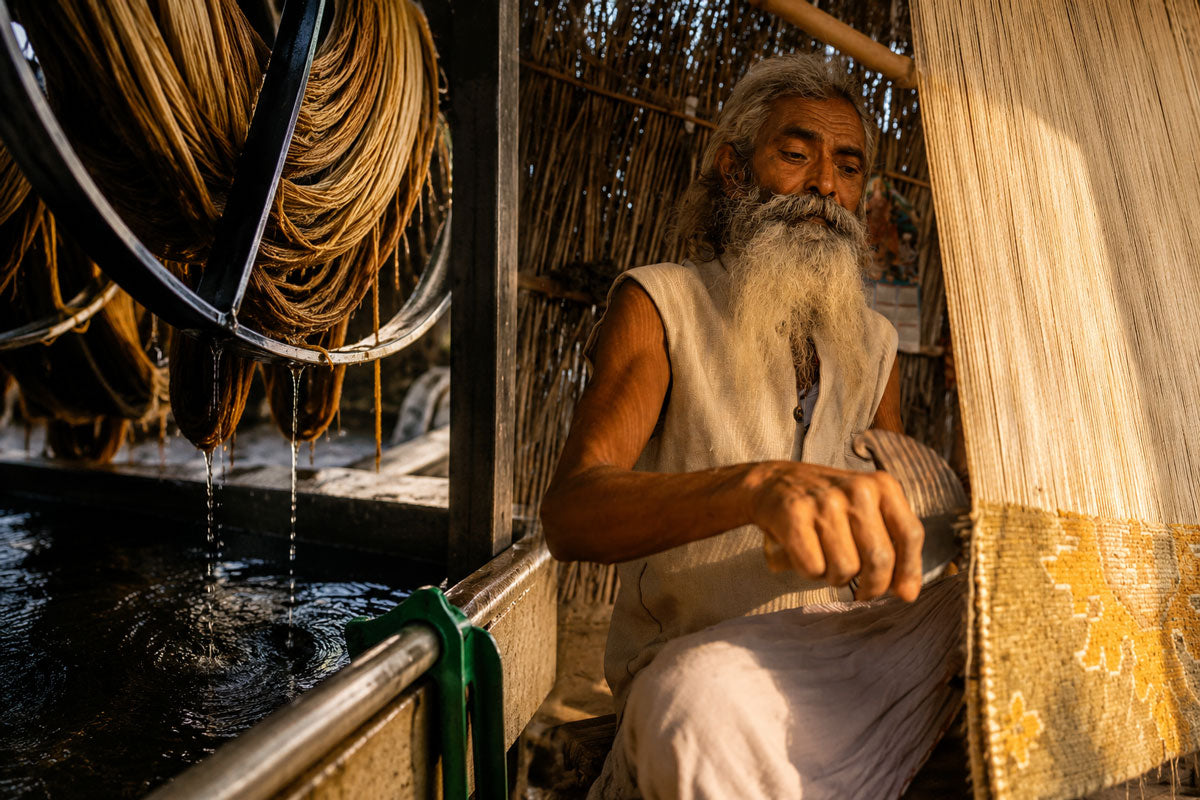
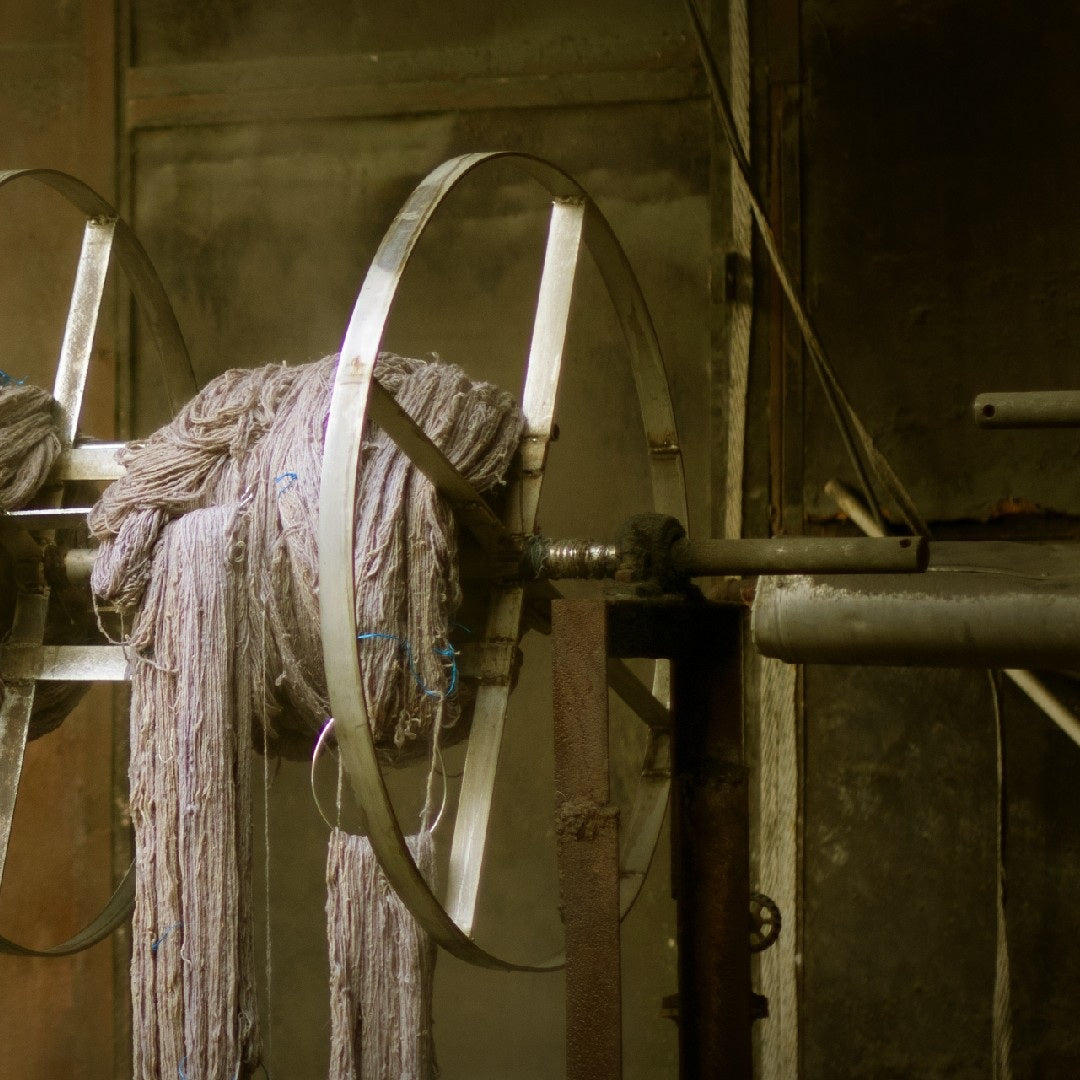
Many traditional carpets are handmade using techniques such as hand knotting and hand weaving. Artisans carefully create each detail, giving every carpet its own character and subtle variations.
Unlike mass-produced carpets, a handmade traditional carpet can reflect the skill and artistic traditions of the people who created it.
Explore our Traditional Carpets
A Brief History of Traditional Carpets
Carpet weaving has a history that stretches back thousands of years. It developed across different regions of Asia and the Middle East, including Persia, India, Turkey, and Central Asia.
Historically, carpets served practical purposes. They provided warmth and comfort. They also became an important form of artistic and cultural expression.
Over generations, artisans developed distinctive weaving techniques, colors, and patterns based on their local traditions. Persian carpets, for example, became particularly famous for their detailed floral compositions and sophisticated designs.
As trade expanded, traditional carpets traveled beyond their places of origin and became highly valued around the world.
Common Traditional Carpet Motifs
One of the most recognizable features of a traditional carpet is its motif. These patterns are not simply decorative, many have been influenced by nature, architecture, culture, and historical traditions.
Floral Motifs
Flowers, leaves, vines, and gardens are among the most common elements in traditional carpet designs. Floral motifs can create an elegant and organic appearance.
Medallion Motifs
A central medallion is a classic feature found in many traditional carpets. It creates a strong focal point and is often surrounded by intricate floral or geometric details.
Geometric Patterns
Geometric motifs use repeated shapes, lines, and symmetrical arrangements. They can create a structured and visually balanced appearance.
Decorative Borders
Many traditional carpets feature multiple borders surrounding the central field. These borders frame the design and add another layer of detail to the overall composition.
Why Are Traditional Carpets Still Relevant Today?
You might think traditional carpets belong only in classic or traditional homes. But their appeal has continued to evolve.
Today, traditional carpets are often combined with modern furniture, minimalist interiors, and contemporary architecture. Their intricate patterns can add warmth and personality to spaces that might otherwise feel too simple.
A traditional carpet can:
Add character to a minimalist room
Create a warm and sophisticated atmosphere
Introduce color and texture
Connect modern interiors with cultural heritage
Become a statement piece in a room
This ability to work across different interior styles is one reason traditional carpets remain popular today.
Traditional Carpet: Where Heritage Meets Modern Design
The beauty of a traditional carpet connects the past with the present. Its motifs come from centuries-old traditions. Craftsmanship and design work beautifully in today's homes. They also suit hotels, offices, and restaurants.
A traditional handmade carpet is therefore not simply an old-fashioned decoration. It is a timeless piece of craftsmanship, one that carries history while continuing to find a place in modern interiors.
Traditional designs may come from the past, but their beauty doesn't belong to any particular era.