
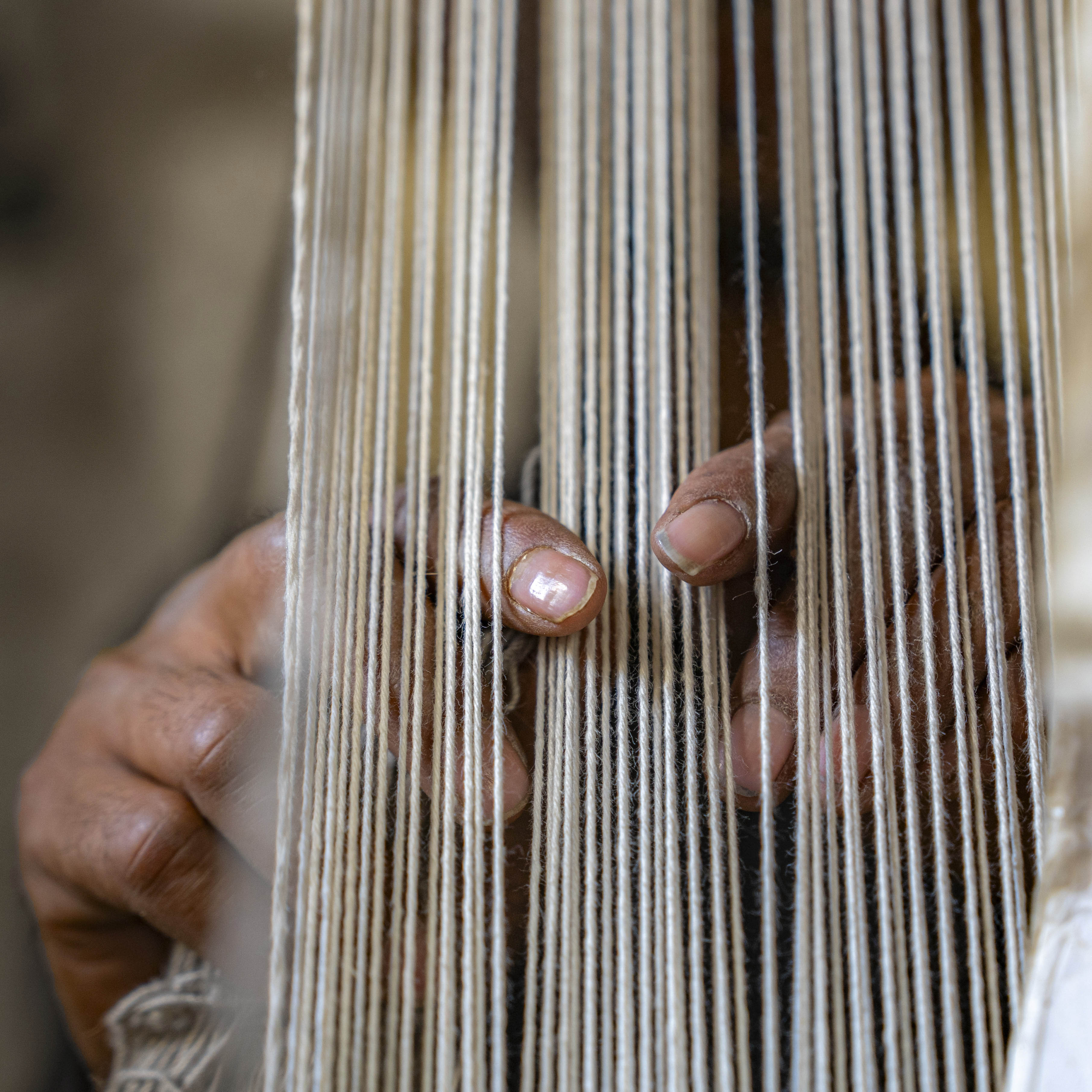
What Is a Handmade Carpet? Understanding the Craft Behind Every Rug
A handmade carpet is more than a decorative piece placed on the floor. It is the result of craftsmanship, time, carefully selected materials, and techniques that have been passed down through generations.
Unlike machine-made carpets, handmade carpets are created through processes that rely on human skill and craftsmanship at different stages of production. Depending on the construction technique, a single carpet can take days, weeks, or even months to complete.
But what exactly makes a carpet handmade? What techniques are used, and why can handmade carpets vary so significantly in price?
To understand the value of a handmade carpet, it helps to look beyond the finished product and explore the craftsmanship and processes behind it.
What Is a Handmade Carpet?
A handmade carpet is a carpet produced primarily through manual craftsmanship rather than fully automated machine production. The term "handmade carpet" can refer to several different construction techniques, each with its own characteristics and methods of production.
The most common techniques include:
Hand-knotted
Hand-tufted
Hand-woven
Each technique creates a different structure, texture, appearance, and production timeline. This means that not every handmade carpet is made in exactly the same way.
Understanding how a carpet is constructed is therefore one of the most important things to consider when learning about or purchasing a handmade carpet.
How Are Handmade Carpets Made?
Although the exact process varies depending on the construction technique, handmade carpet production generally involves several stages. From developing the design to preparing the yarn and constructing the final piece, each stage can influence the appearance and character of the carpet.
1. Designing
The process often begins with a design.
The design determines the pattern, colors, proportions, and overall appearance of the carpet. Some designs are created specifically for a particular interior, while others are inspired by traditional motifs, cultural influences, or regional patterns.
The complexity of a design can significantly affect the amount of craftsmanship required. Intricate patterns, multiple colors, and fine details may require considerably more time and precision than simpler designs.
2. Selecting the Materials
The choice of fiber is another important part of carpet production.
Common materials used in handmade carpets include:
Wool
Silk
Cotton
Viscose
Each material has its own characteristics.
Wool is widely used because of its durability, resilience, and natural texture. Silk can create a smoother surface with a distinctive sheen, while cotton is often used in foundations and certain carpet constructions. Viscose can provide a soft feel and a lustrous appearance.
The quality, origin, preparation, and characteristics of the yarn can all influence the final appearance and performance of a carpet.
3. Preparing the Yarn
Before construction begins, the yarn needs to be prepared according to the requirements of the carpet.
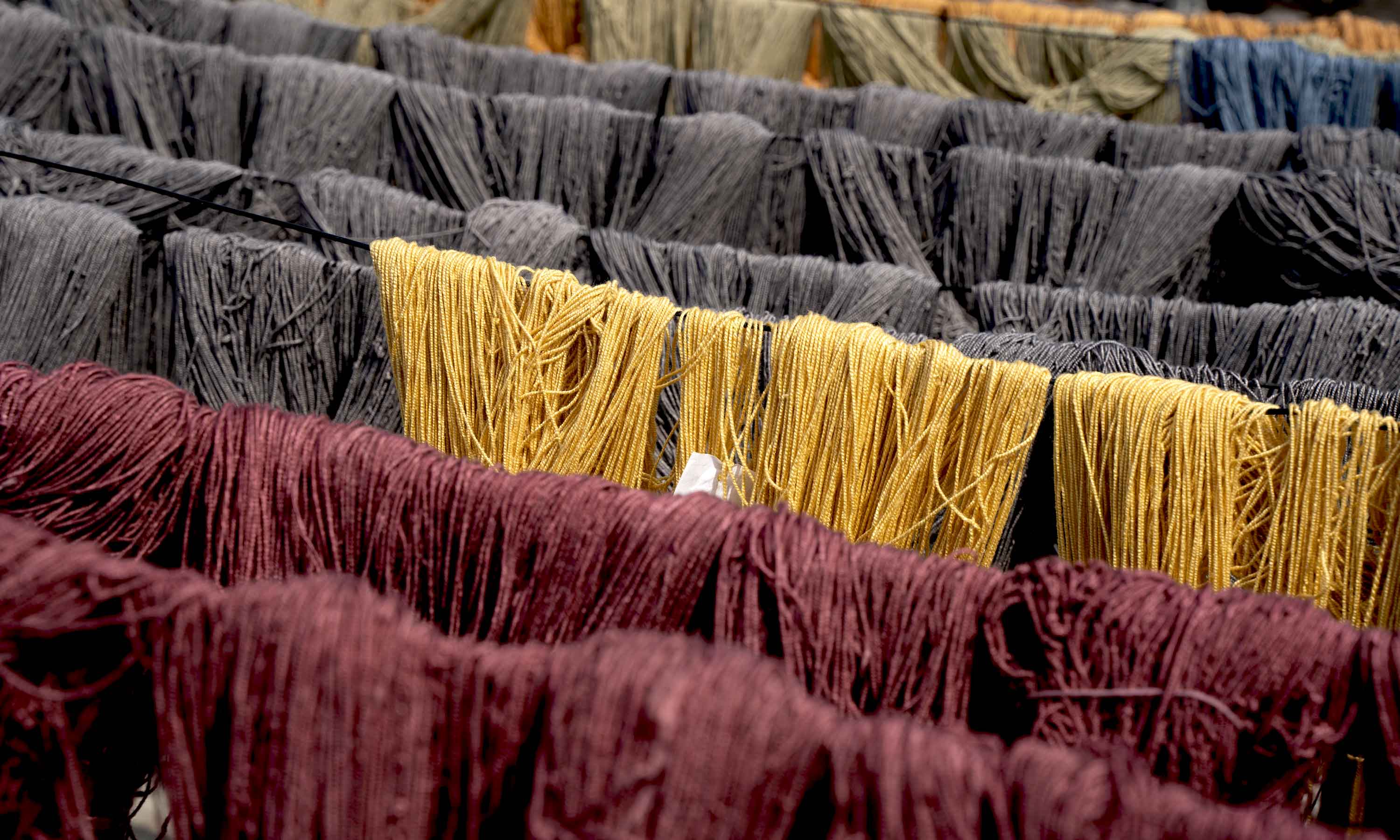
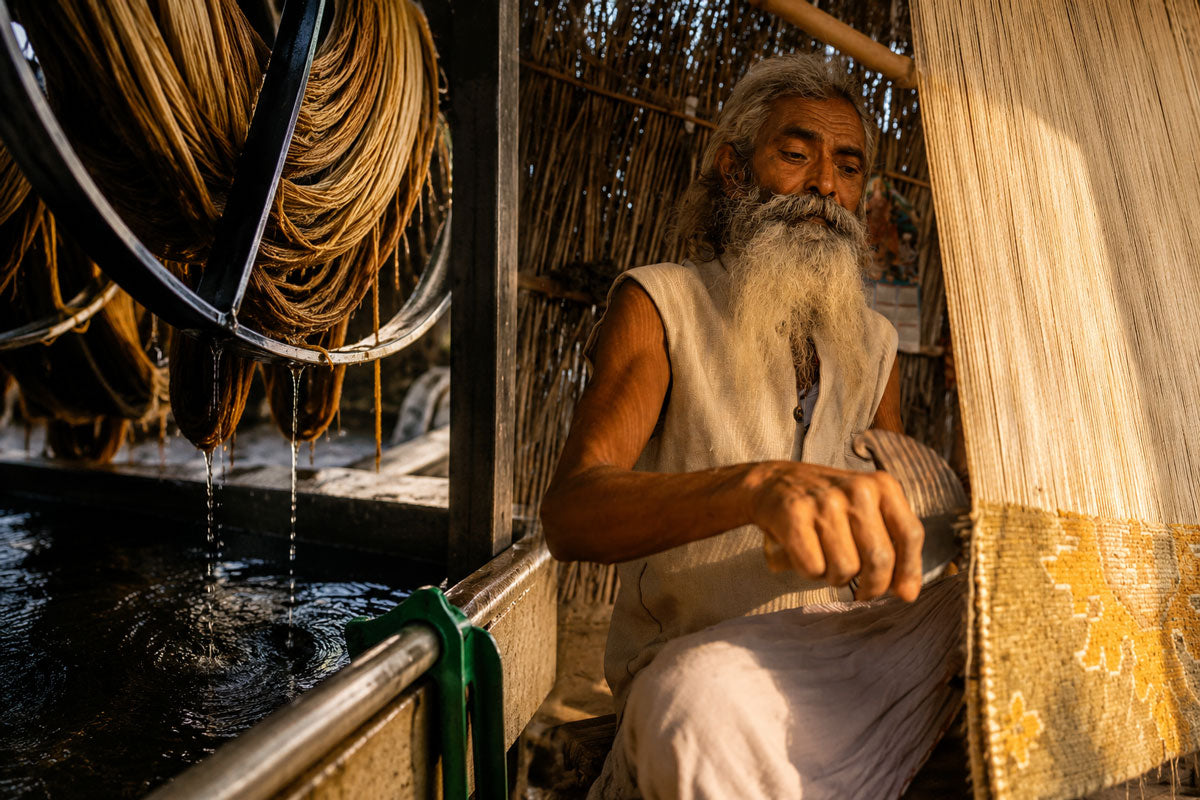
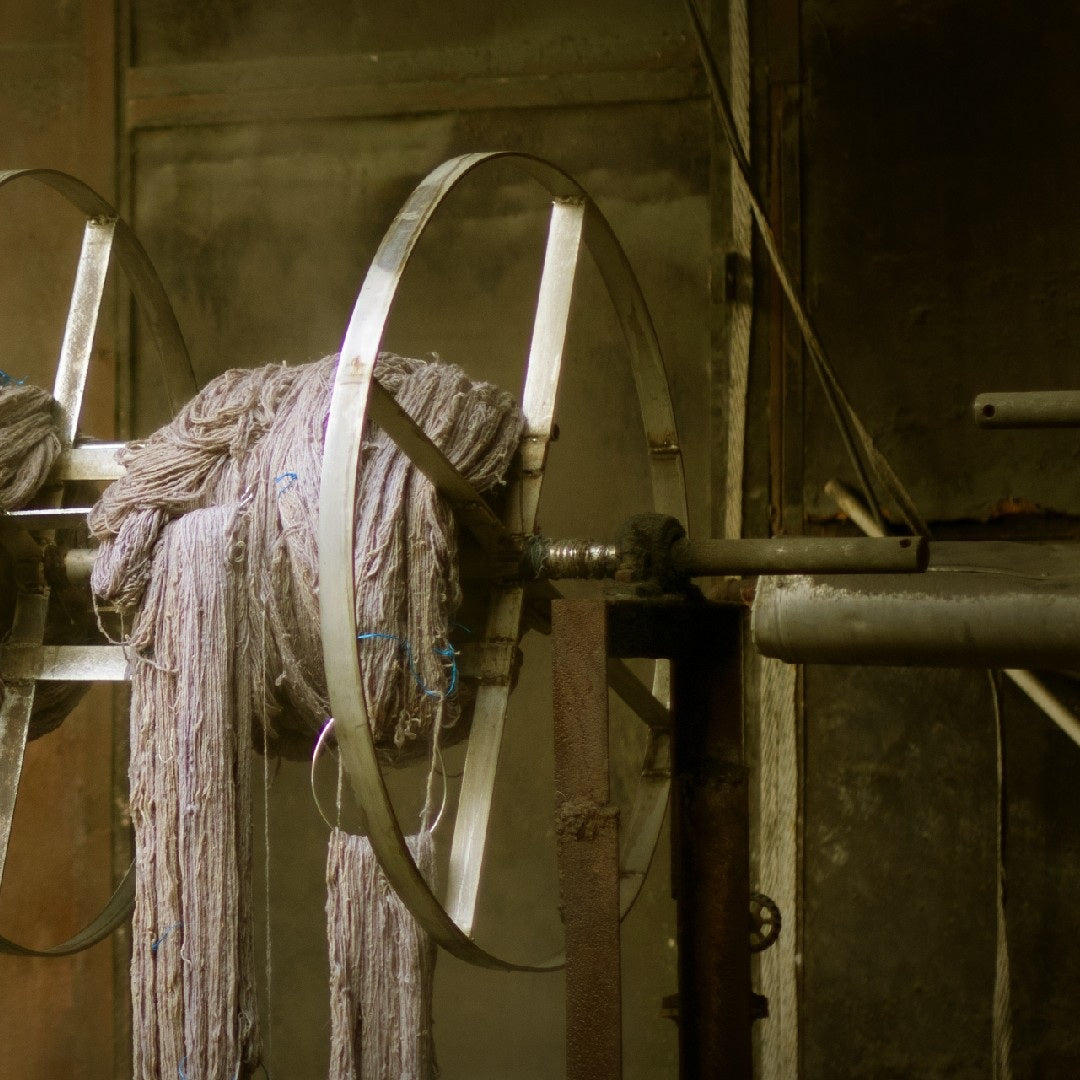
Depending on the production method and material, yarn may be spun, dyed, washed, blended, or otherwise prepared before it is used in the construction process.
Dyeing is particularly important when creating carpets with detailed or multi-colored designs. Consistency in color and yarn quality helps ensure that the finished carpet achieves the intended appearance.
4. Constructing the Carpet
This is where the major differences between handmade carpet techniques become most apparent.
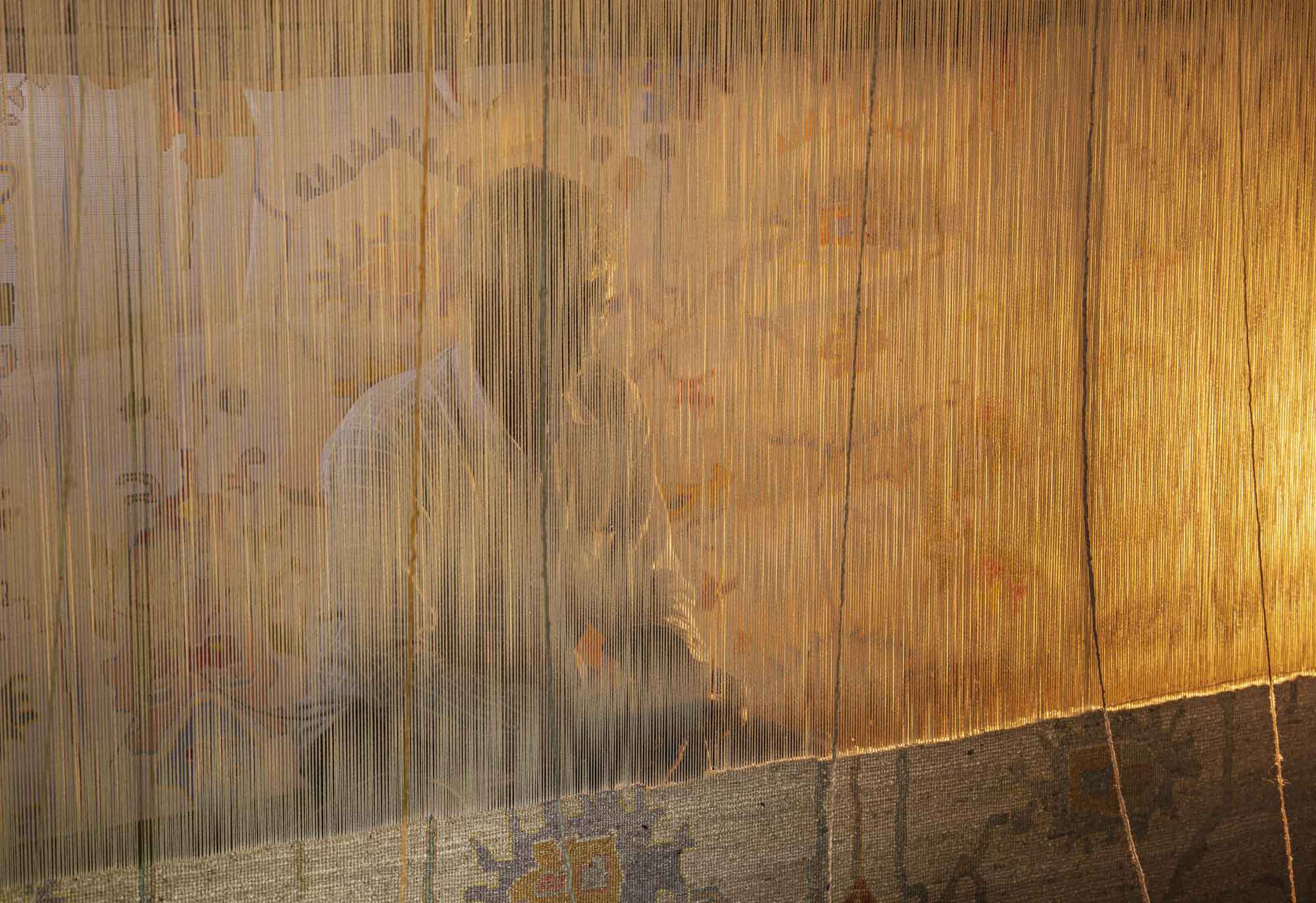
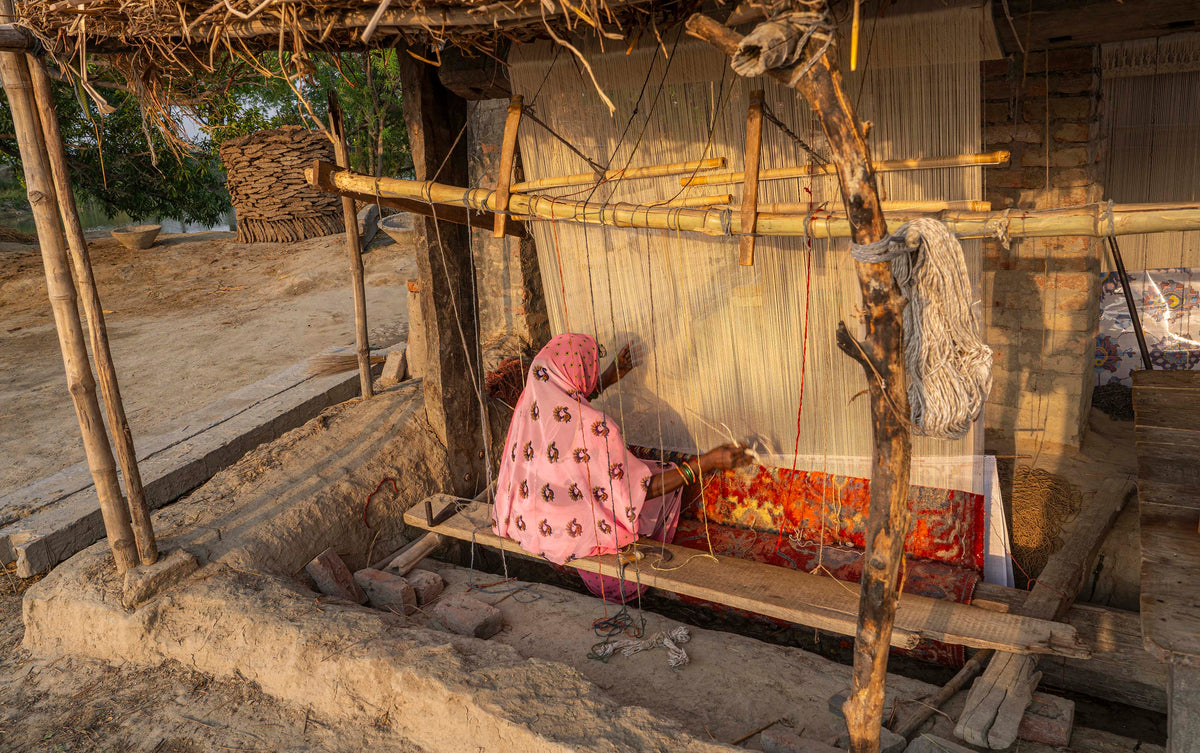
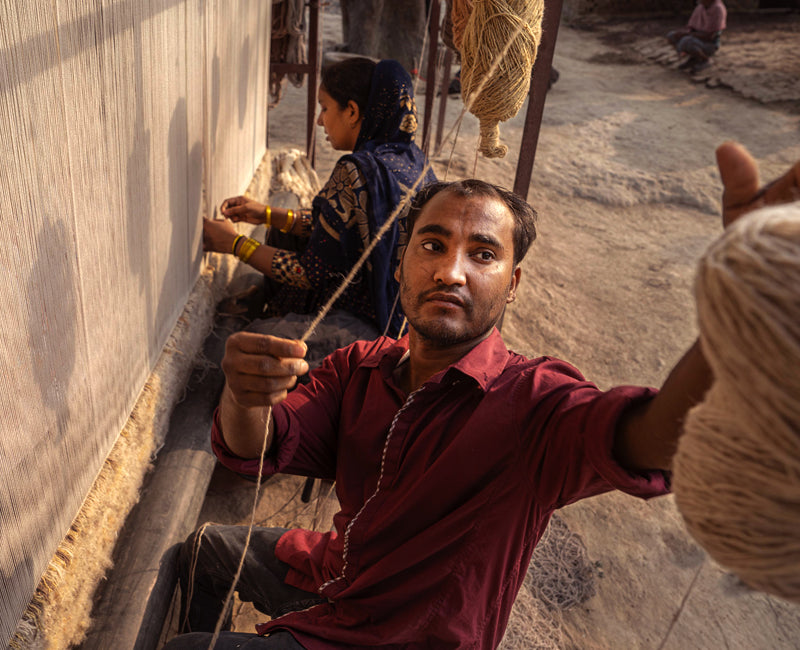
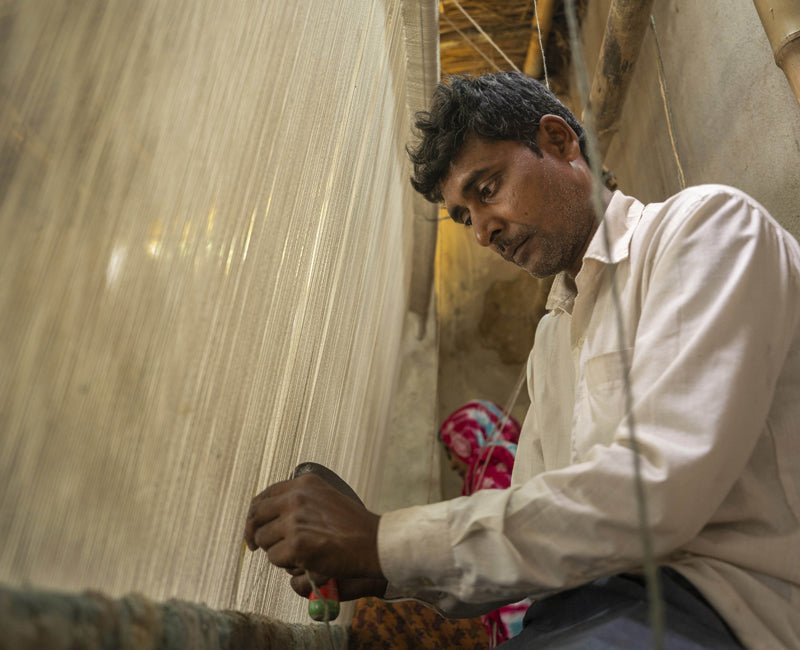
A hand-knotted carpet is constructed by tying individual knots around the warp threads. Each knot contributes to the structure of the carpet, and the number and type of knots can influence its level of detail, texture, and production time.
Explore More About HandKnotted
A hand-tufted carpet is made by inserting yarn into a foundation using a hand-operated tufting tool. Once the design has been completed, additional finishing processes are used to create the final structure and appearance.
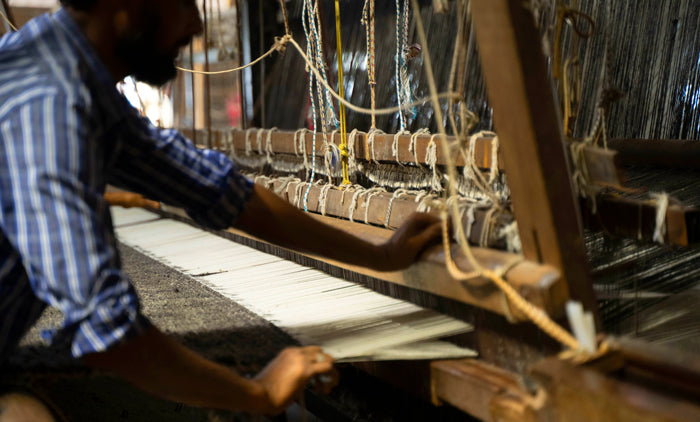
A hand-woven carpet is constructed by interlacing yarn through a loom. Unlike hand-knotted carpets, the structure does not rely on individual knots in the same way.
Although all three are considered handmade techniques, their construction methods are fundamentally different. These differences can affect the carpet's texture, durability, appearance, production time, and ultimately its value.
Why Can Handmade Carpets Take So Long to Make?
One of the defining characteristics of handmade carpets is the amount of time and human effort involved in their production.
The time required to complete a carpet can depend on several factors, including:
The size of the carpet
The construction technique
The complexity of the design
The number of colors used
The type and quality of yarn
The level of detail required
The skill and experience of the artisan
A simple carpet may require significantly less time than a highly detailed hand-knotted piece. In some cases, intricate hand-knotted carpets can require months of work before they are ready.
This is one reason why two carpets that appear similar at first glance can have very different production times and prices.
What Makes Handmade Carpets Different?
The most important difference is not simply that a person was involved in making the carpet. It is the combination of human skill, construction technique, materials, time, and attention to detail.
Small variations may occur during handmade production. Slight differences in texture, color, or pattern can be part of the nature of a handmade piece rather than a manufacturing defect.
These characteristics are part of what makes handmade carpets different from products created through standardized machine production.
Conclusion: More Than Just a Carpet
A handmade carpet is not simply the final product you see on the floor. Behind every piece is a process and a design brought to life, yarn carefully prepared, materials selected, and countless hours of skilled craftsmanship.
From the first design to the final finishing touches, every stage contributes to the character of the finished carpet. Hand-knotting, hand-tufting, and hand-weaving may use different methods, but they all share one important element: the involvement of human hands and craftsmanship.
Understanding this process changes the way we look at a handmade carpet. What may appear to be a simple decorative object can actually represent days, weeks, or months of work.
A handmade carpet is not made in a moment. It is built through time, skill, and countless individual decisions and that is what gives every piece its character.