

How to Clean and Maintain a Handmade Carpet?
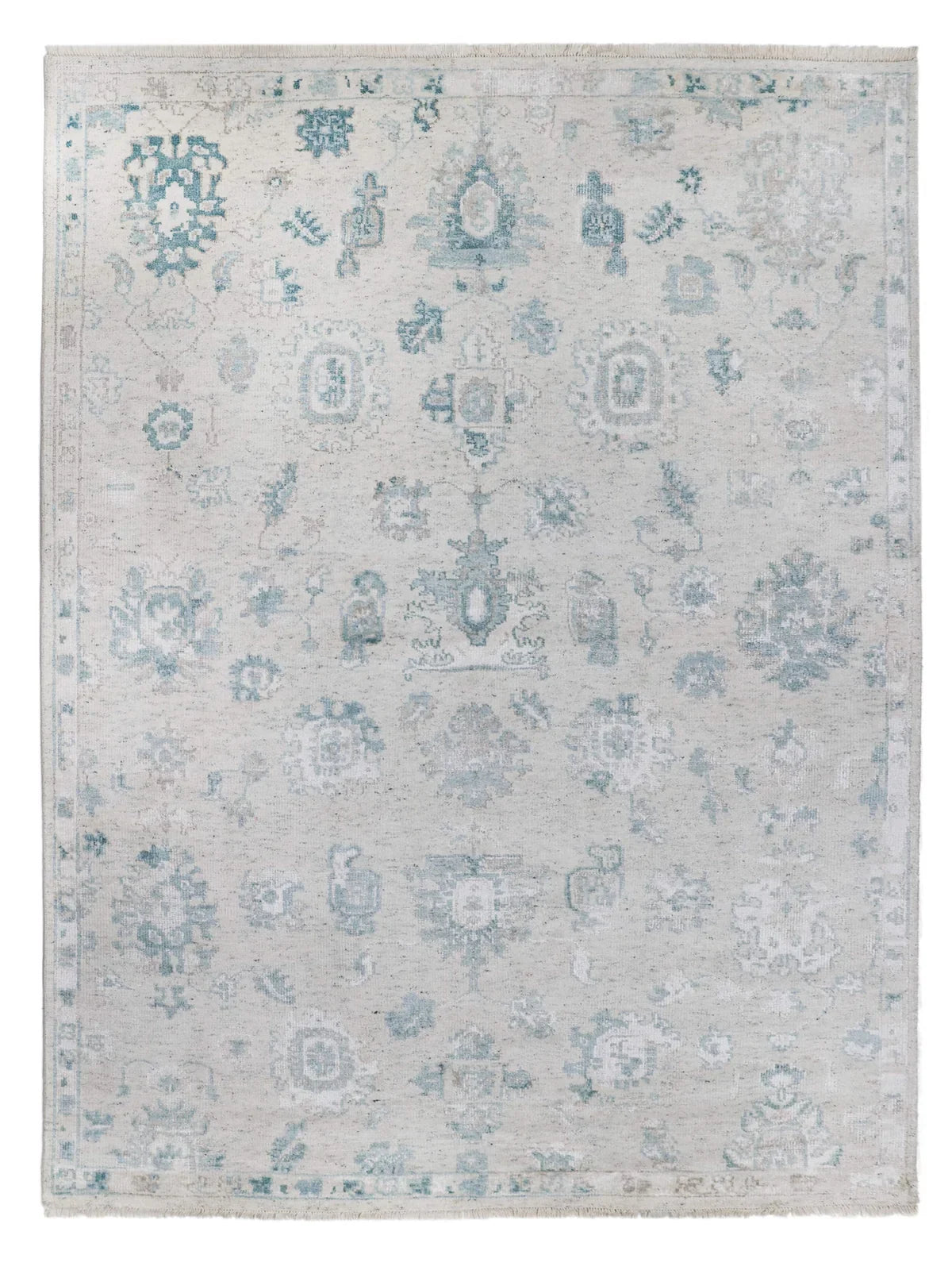
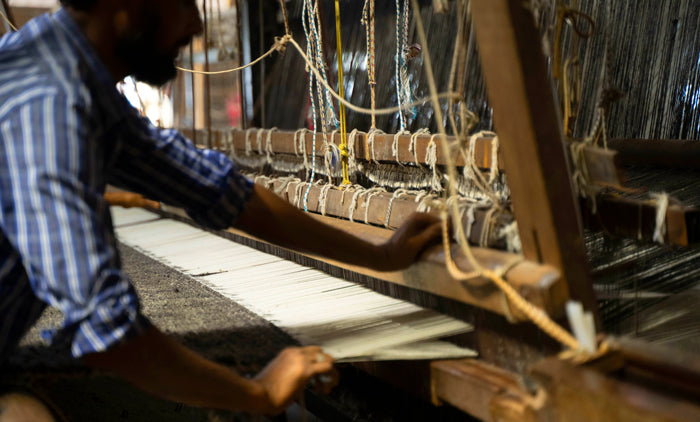
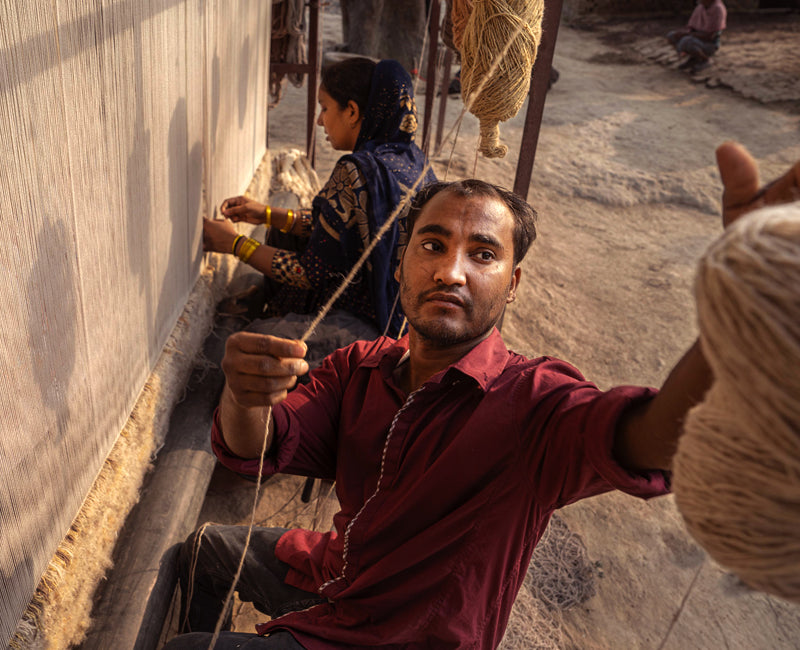
A handmade carpet is more than just a beautiful addition to your home. It is a piece of craftsmanship designed to last for generations. Whether you own a hand-knotted, hand-woven, or hand-tufted carpet, proper cleaning is essential. Proper maintenance preserves its color, texture, and beauty. With the right care, your carpet can remain elegant and comfortable for many years.
1. Vacuum Your Handmade Carpet Regularly
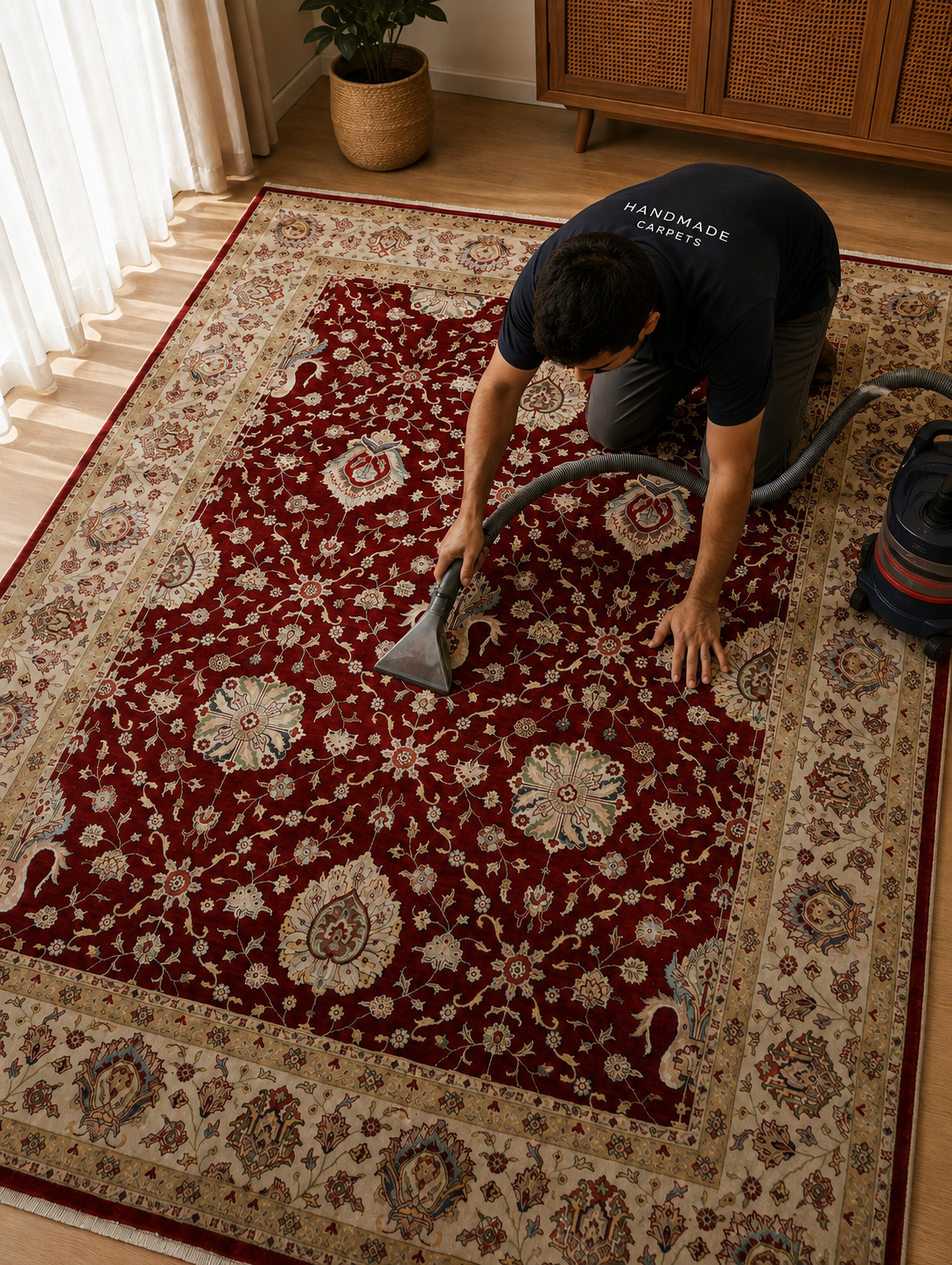
Regular vacuuming is one of the easiest ways to maintain a handmade carpet. Dust, dirt, and small particles can become trapped between the fibers and gradually cause wear.
Use a vacuum cleaner with gentle suction and avoid aggressive brushes or beater bars, especially on delicate carpets. Vacuum both the surface and the surrounding area regularly to prevent dirt from accumulating.
Tip: Vacuum your carpet once or twice a week, depending on foot traffic.
2. Clean Spills Immediately
Accidental spills are inevitable, but acting quickly can prevent permanent stains.
When something spills on your handmade carpet:
Blot the area gently with a clean, dry cloth.
Work from the outside of the stain toward the center.
Avoid rubbing or scrubbing the carpet.
Do not use excessive water.
Allow the area to dry naturally.
Rubbing can push the liquid deeper into the fibers and may damage the carpet's texture.
3. Avoid Harsh Cleaning Chemicals
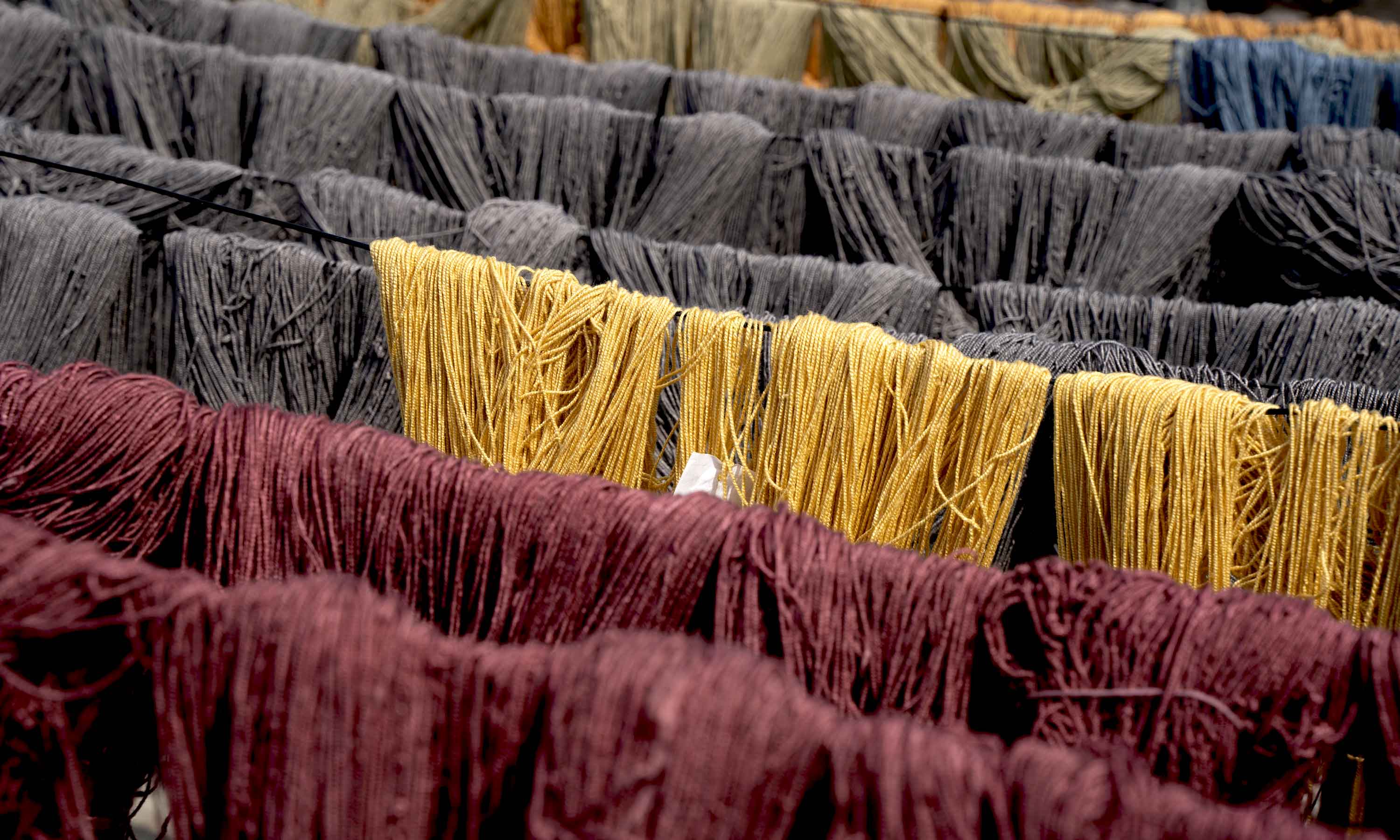
Handmade carpets can be made from natural materials such as wool, silk, cotton, or other carefully selected fibers. Strong detergents, bleach, and household chemicals may damage the fibers or cause discoloration.
Before using any cleaning product, check whether it is suitable for your carpet's material. For valuable or delicate handmade carpets, professional cleaning is usually the safest choice.
4. Rotate Your Carpet Regularly
Furniture and continuous foot traffic can cause certain areas of a carpet to wear faster than others.
Rotating your handmade carpet every few months can help distribute foot traffic and sunlight more evenly. This simple habit can help maintain a more consistent appearance over time.
5. Protect Your Carpet From Direct Sunlight
Long-term exposure to strong sunlight can gradually fade the colors of a handmade carpet.
If possible, place your carpet away from intense direct sunlight or use curtains and blinds to reduce UV exposure. Rotating the carpet periodically can also help prevent uneven fading.
6. Use a Carpet Pad
A good-quality carpet pad provides additional protection for your handmade carpet. It helps reduce movement and absorbs impact from foot traffic. It also reduces friction between the carpet and the floor.
A carpet pad can also make the carpet feel more comfortable underfoot while helping to extend its lifespan.
7. Be Careful When Moving Furniture
Never drag heavy furniture directly across a handmade carpet. Dragging furniture can pull fibers, damage the edges, or create unnecessary stress on the carpet.
When rearranging your room, lift furniture whenever possible or use appropriate furniture-moving tools.
8. Professional Cleaning for Deep Maintenance
Regular home care is important, but handmade carpets should also receive professional cleaning when necessary.
Professional carpet cleaners can assess the carpet's material, construction, dyes, and condition before choosing an appropriate cleaning method. This is particularly important for antique, silk, or highly valuable handmade carpets.
Avoid attempting aggressive deep cleaning at home unless you are certain that the method is appropriate for your carpet.
9. Store Your Handmade Carpet Properly
If you need to store your handmade carpet, make sure it is completely clean and dry before storage.
Roll the carpet rather than folding it. Keep the pile facing inward when appropriate. Wrap it in breathable material. Store it in a cool, dry place away from moisture, insects, and sunlight.
Avoid storing handmade carpets in damp areas, as moisture can encourage mold and mildew.
10. Check Your Carpet Regularly
Take a few minutes every month to inspect your carpet. Look for:
Loose threads
Frayed edges
Small stains
Changes in texture
Signs of moth or insect activity
Areas showing excessive wear
Identifying small problems early can prevent them from becoming more expensive repairs later.
How Often Should You Clean a Handmade Carpet?
The ideal cleaning schedule depends on the carpet's material, location, and amount of foot traffic.
A simple maintenance routine can look like this:
Maintenance Recommended Frequency
Light vacuuming: 1–2 times per week
Spot cleaning Immediately after spills
Carpet rotation: Every few months
Professional inspection: Periodically
Professional deep cleaning: When necessary
Frequently Asked Questions
Can I wash a handmade carpet at home?
It depends on the carpet's material and construction. Delicate carpets are best handled by professional cleaners. These experts understand how to treat natural fibers and handmade construction.
How often should I vacuum a handmade carpet?
For most carpets, vacuuming once or twice a week is a good starting point. Carpets in high-traffic areas may require more frequent cleaning.
Can I use regular carpet cleaner on a handmade carpet?
It is best to avoid using a cleaning product unless it is specifically suitable for your carpet's material. Harsh chemicals can damage natural fibers or affect the carpet's color.
How do I remove a fresh stain from a handmade carpet?
Blot the spill gently with a clean cloth as soon as possible. Avoid rubbing, as this can spread the stain and damage the fibers.
How can I make my handmade carpet last longer?
Regular maintenance and careful stain treatment extend the life of a handmade carpet. Carpet rotation and sunlight protection also help. Use professional cleaning when necessary.