
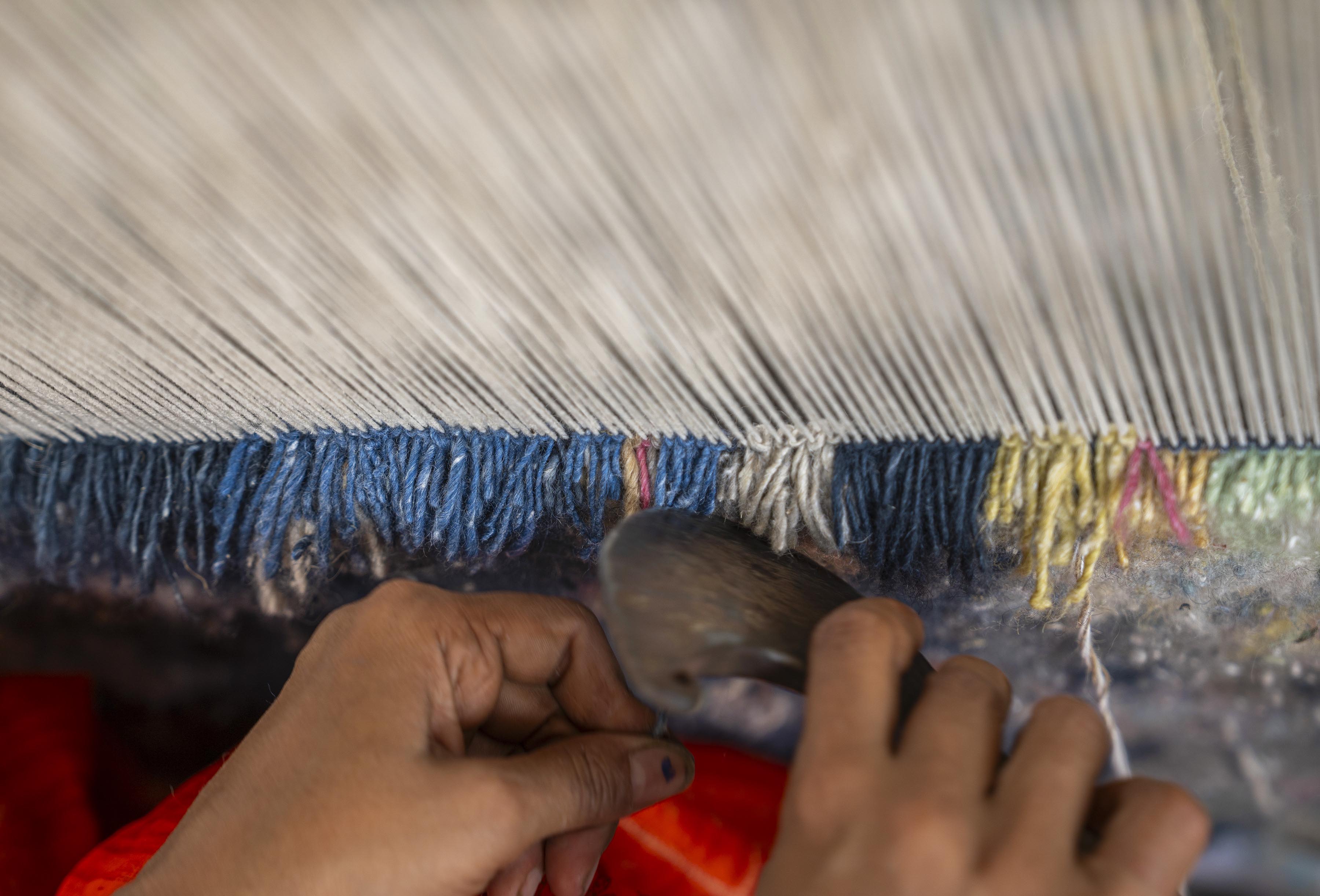
The Forgotten Feature That Holds a Rug Together: The Story of Carpet Fringes
Go inside any house that has an exquisite handmade rug, and it is very likely that you will see those tiny threads hanging from its sides. Usually, no one pays attention to them. Some even view them as a nuisance and think about cutting them. However, carpet fringes are not just some decorative elements; they are an important structural element, without which it would be impossible to make the rug.
What Exactly Are Carpet Fringes?
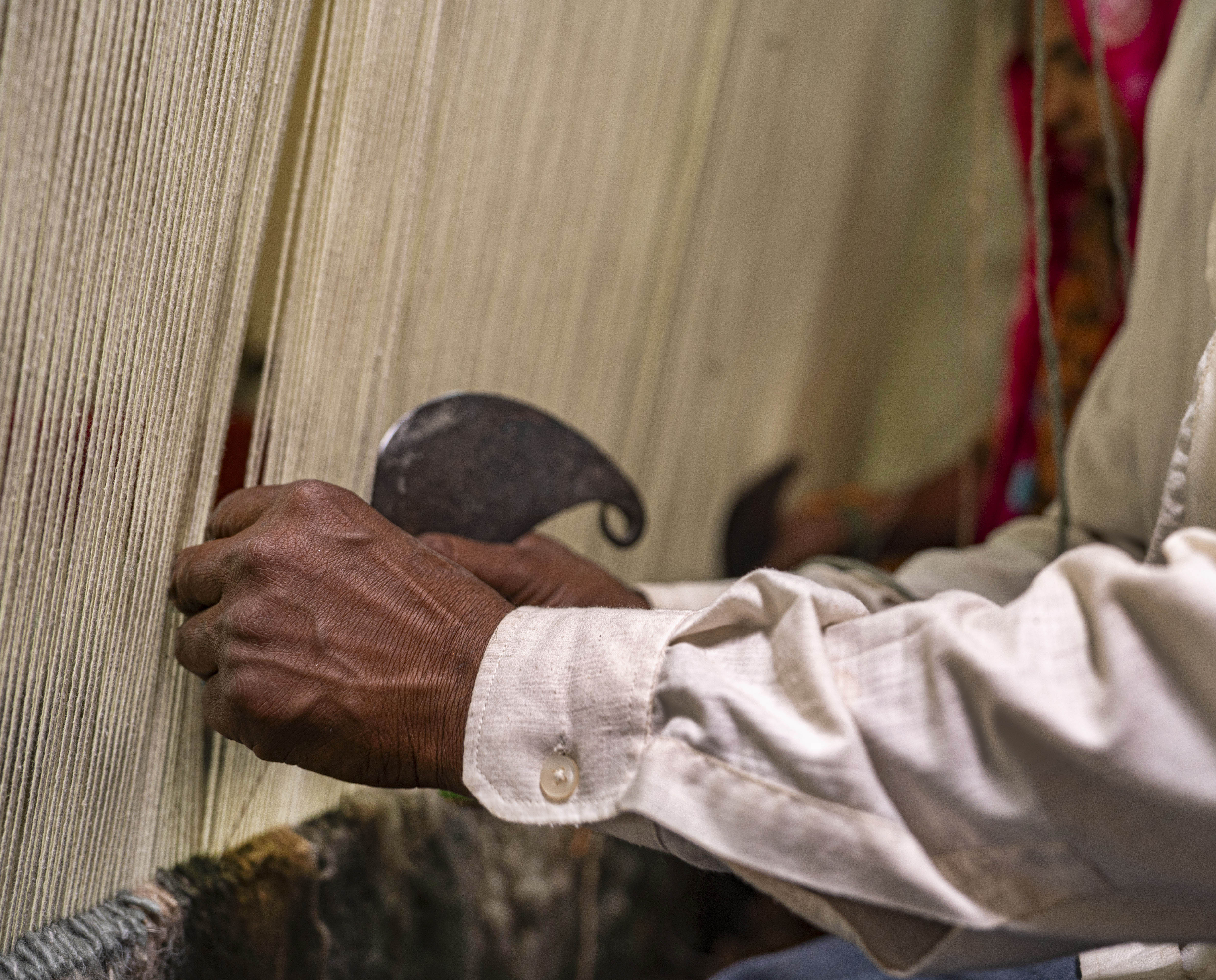
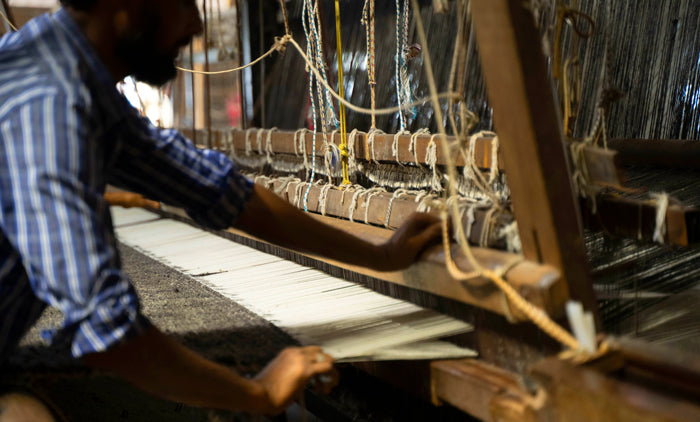
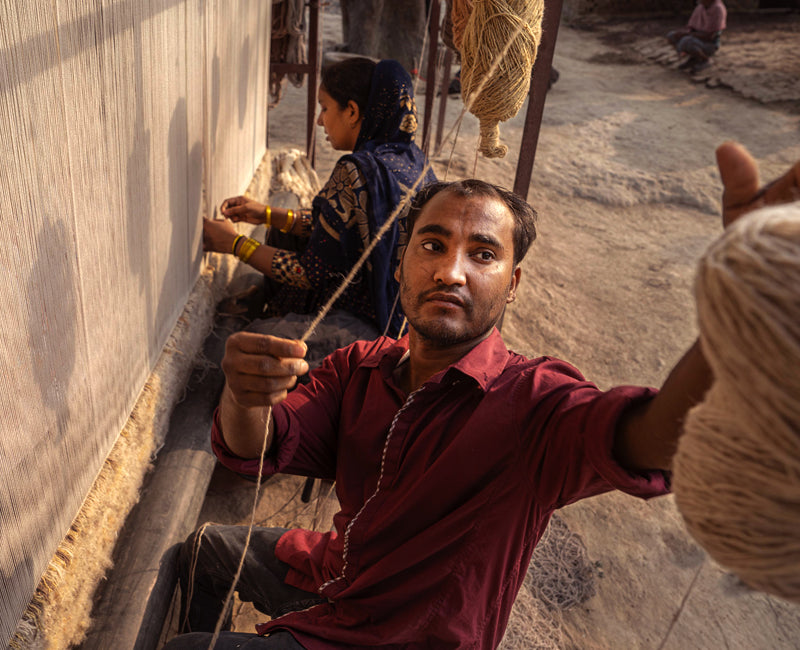
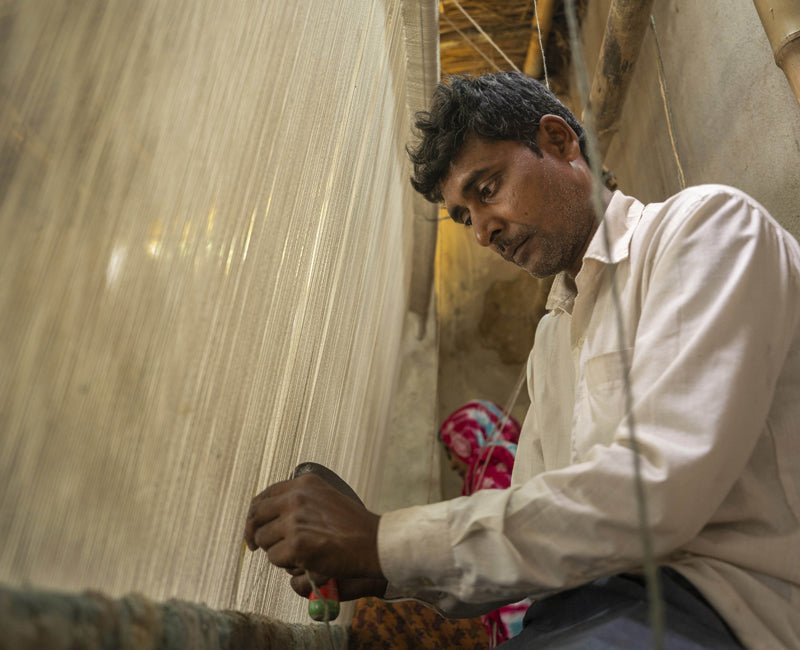
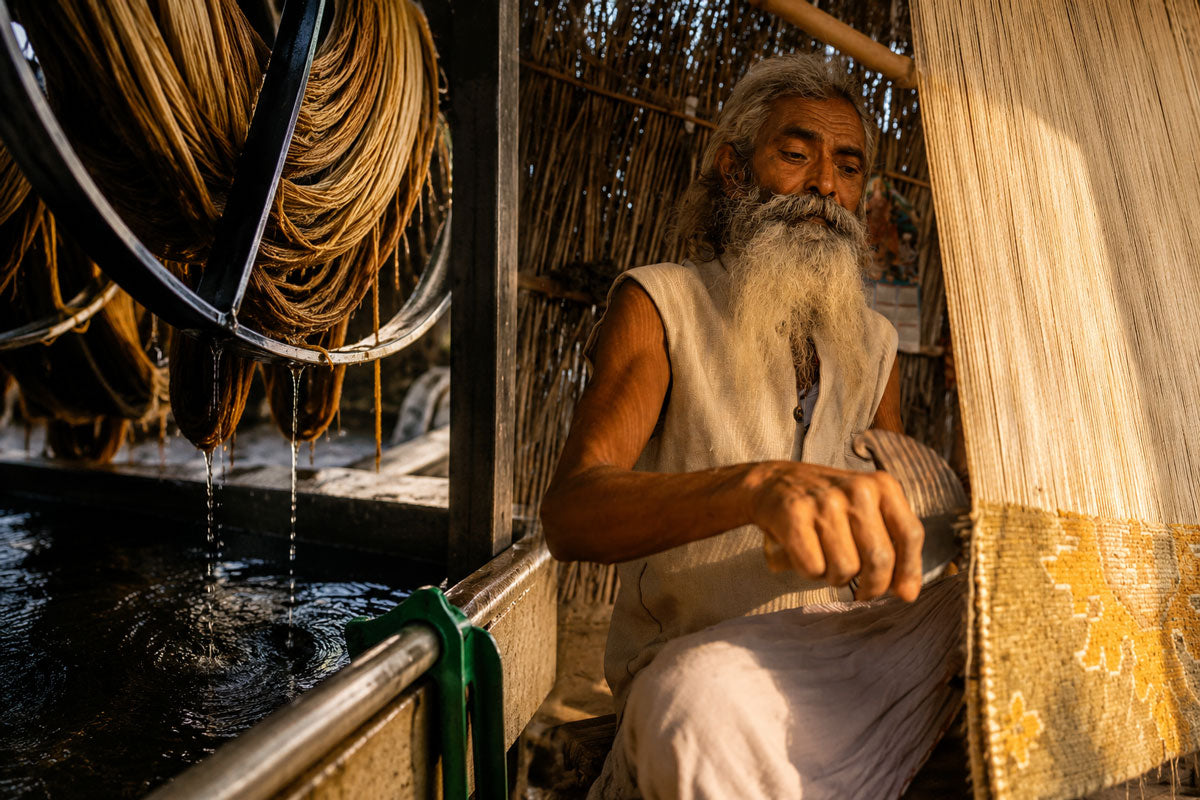
Fringes refer to the exposed parts of the warp yarns – the yarns running vertically through a rug and forming the base of a carpet. The warp yarns cannot simply vanish once the carpet is finished being woven; they are either knotted, braided, or twisted at the ends so as to keep the whole structure from unraveling. Fringes, therefore, are a natural part of the weaving process rather than an embellishment sewn on afterwards.
Why Fringes Matter More Than You Think
In case you have ever pondered why a hand-knotted rug is tougher compared to a machine knitted one, it is due to the fringe. Since the fringe is made using the same material used to create the rug, it becomes a lock that keeps all the knots in place. Removing the fringe haphazardly will make the whole knitting loose causing the carpet to become tattered from the edges inwards.
The fringe also tells you about the quality of a carpet. A fringe which is uneven, inconsistent, or looks like it has been made from synthetics is usually indicative of an industrial carpet. In case it is consistent, it shows quality craftsmanship.
Caring for Fringes the Right Way
Fringes need a bit of attention, just like the rest of the rug. Here are a few simple habits that help:
-
Vacuum in the direction of the fringe, never against it, using low suction or a brush attachment.
-
Avoid pulling loose threads — snip them instead with sharp scissors.
-
Keep fringes away from heavy foot traffic areas or furniture legs that can cause matting.
-
Occasionally comb them gently with your fingers to keep them looking neat.
A Small Detail With a Big Story
However, there is something poetically charming about the fringe. The fringe is the feature of the rug that tells about its history, the actual loose ends of the weaving process which were to stay out in the open rather than to be concealed. Traditionally in Persia, Turkey, and India, the fringe was never supposed to be trimmed; it was to stay visible as evidence of the rug making process.
The understanding of such craftsmanship is well-known to the brands such as Luxurifyhome and those who have great appreciation for the subtleties of home decor can benefit from purchasing the rugs which were made with the intention of showing all of their elements as a result of conscious effort.
And those who are currently looking for something to decorate their homes can find carpet in Delhi, as there are reliable vendors who know how to combine both old and new approaches to the craft.
Frequently Asked Questions
Q1: Should I cut off my rug's fringe?
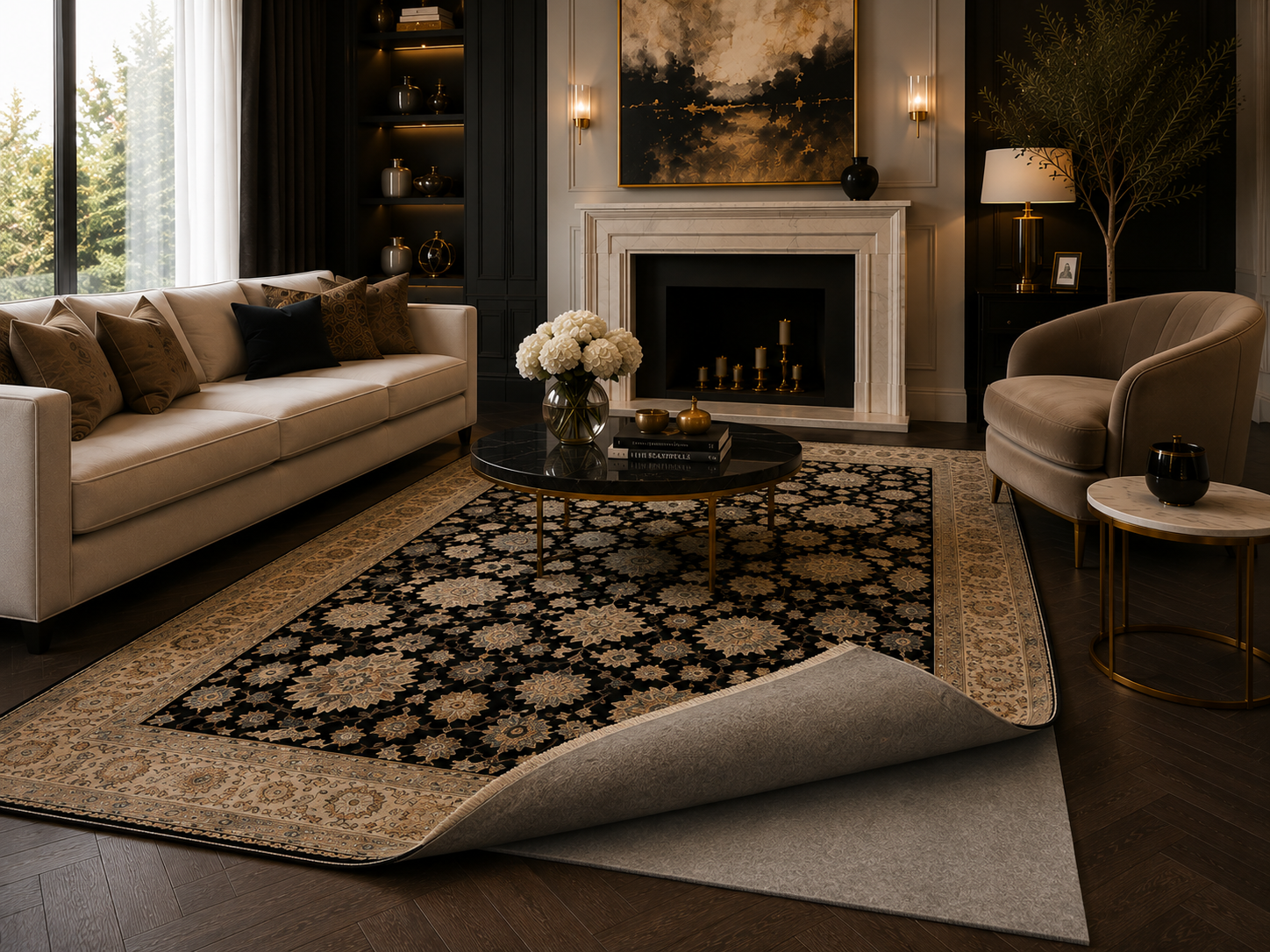
A. No. Cutting the fringe can loosen the weave and cause the carpet to unravel over time. It's best to trim only loose or frayed strands carefully.
Q2: Why do some carpets have no fringe at all?
A. Machine-made carpets are often finished with bound edges instead of natural fringe, since they aren't woven the same way as handmade rugs.
Q3: Does fringe indicate a rug's quality?
A. Often, yes. Even, well-formed fringe usually points to careful handweaving, while patchy or synthetic fringe can suggest a mass-produced carpet.
Conclusion
Carpet fringes may be easily ignored, but their value is actually present when one considers the strength and construction of a rug as well as its history. Not only do they have a very specific role in carpet-making, but fringes serve as a visible result of work carried out earlier in the weaving process. So, if one is buying a rug, one should give an eye to fringes as they tell all about the quality inside. At handmadecarpets, we believe that understanding these small details makes all the difference between choosing an ordinary rug and investing in a piece of genuine craftsmanship.