
The Rug Without Knots: Why Soumak Weaving Still Captivates the World
No knots at all.
You walk into any decent rug collection and sooner or later there it is this piece that looks nothing like what you expect. The interesting part for me is that it is flatter with this textured surface almost like embroidery but when you look close you realize there is not one knot in the whole thing which is pretty amazing when you think about it. You'd figure it got made with a needle. But it did not. Turns out it is one of the oldest weaving traditions going and that goes to show you there is a lot more out there than the usual carpets. Really makes you stop and look twice.
A Weave, Not a Knot
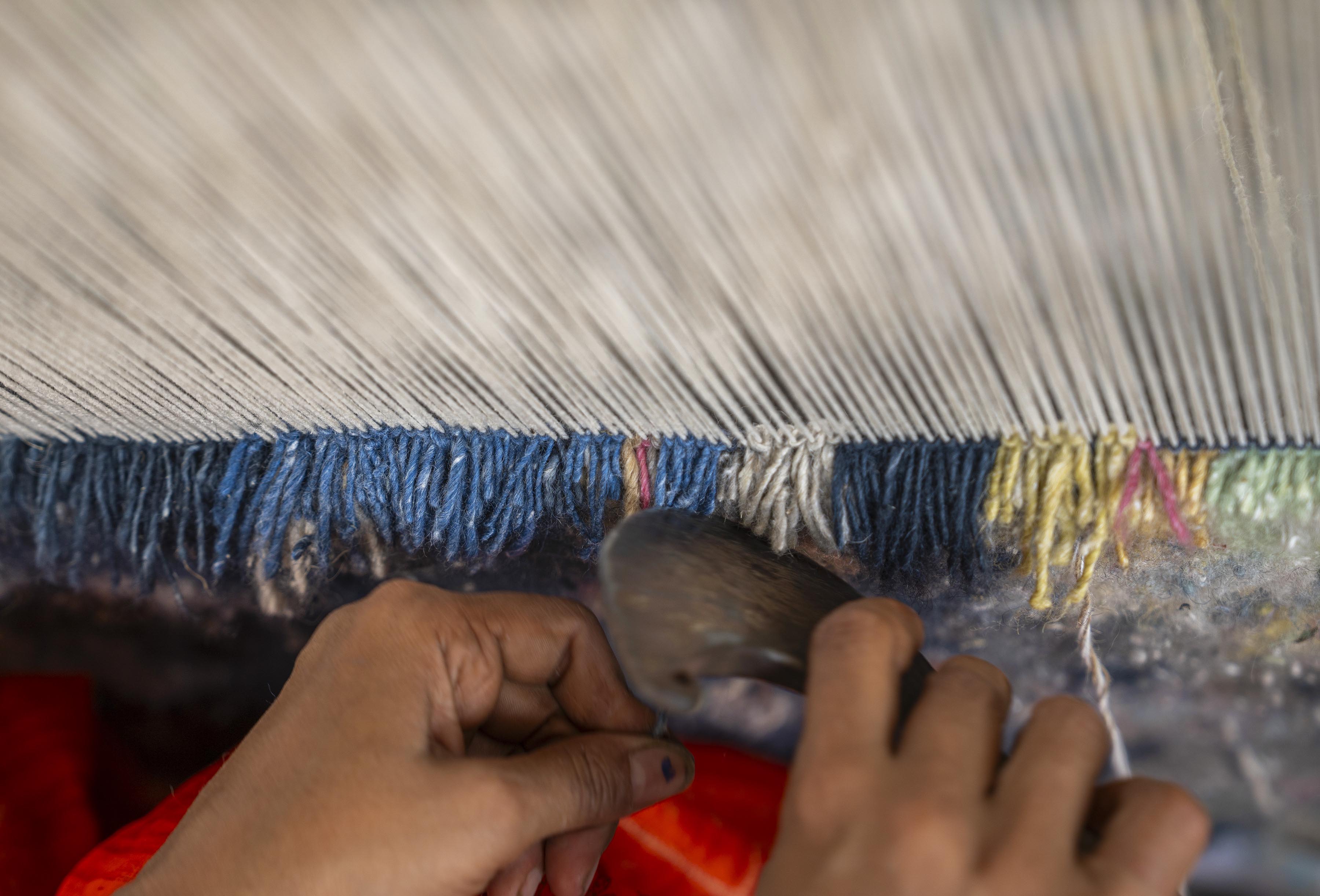
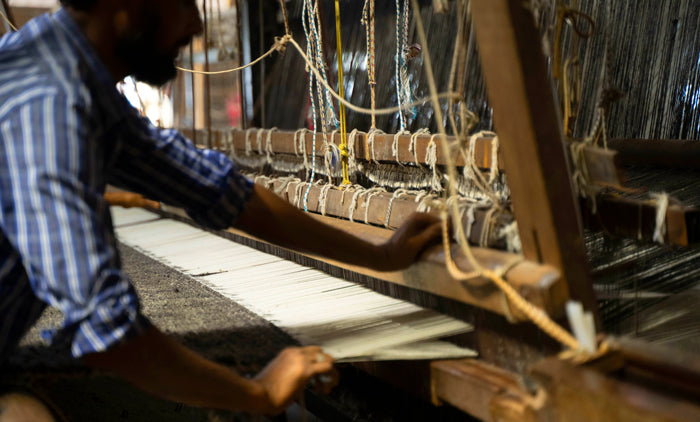
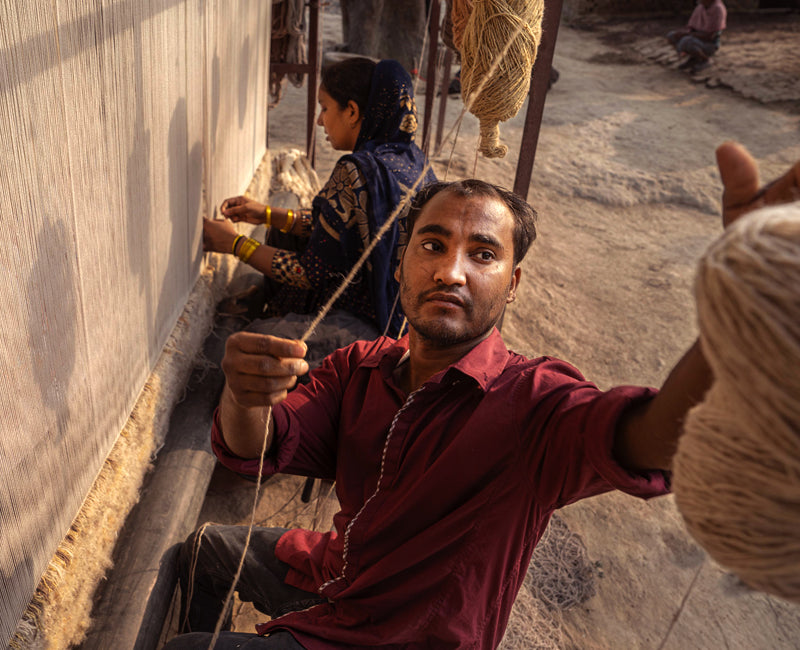
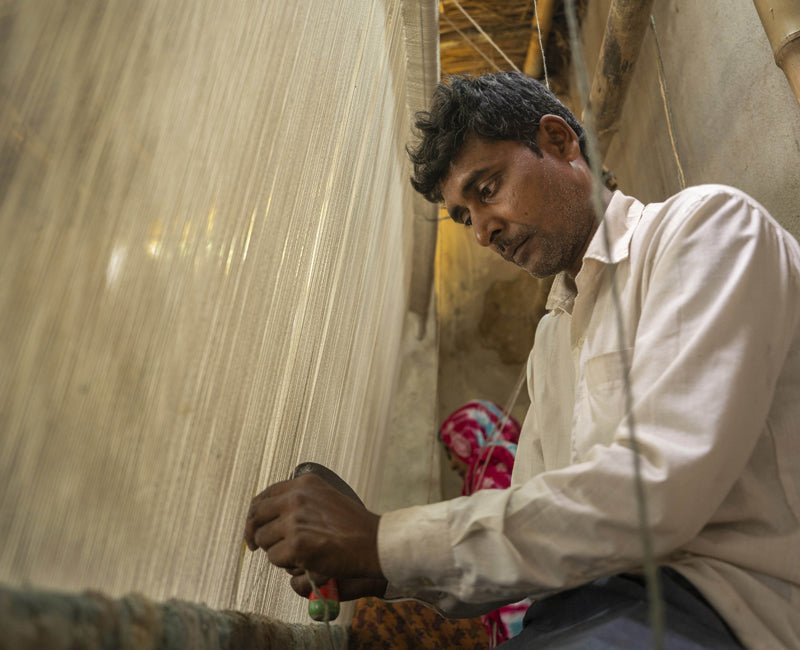
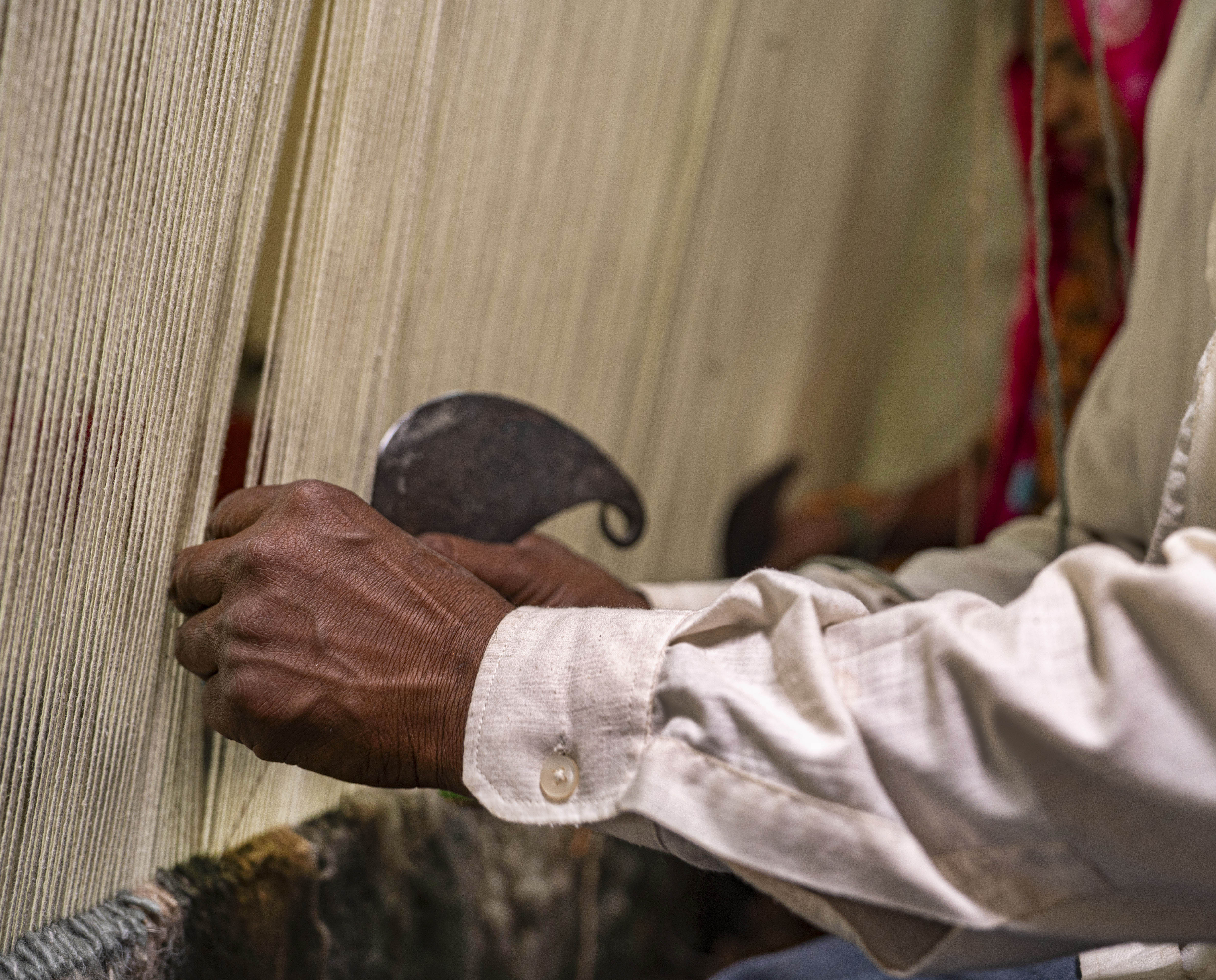
Loose threads dangling on the back. That gives the whole thing away. Most folks assume handmade rugs all come together the same. Knot after knot in even rows. Snipped short till you get that thick pile underfoot. Soumak breaks the pattern cold. From what I've seen the weavers skip knots altogether. They wrap weft thread around bunches of warp in a slanted herringbone sort of way then yank it firm. The result feels flat. Surprisingly tough too with this braided look across the front. And those ends stay loose in the back. Kind of a giveaway that makes sense once you notice it. The catch is where it all started. Turns out the method came from the Caucasus. Pretty much the area near Shemakha in today's Azerbaijan. You'd think the name just stuck from the town. So it spread into Persia then Central Asia and bits of the Middle East. Each spot threw in its colors its shapes its own rhythm. Not straightforward at all. I saw one up close last year and the texture still sticks with me. Goes to show how these things evolve.
Why It Has Endured for Centuries
Soumak's staying power isn't nostalgia — it's function and beauty working together.
Durability first. Soumak rugs are tough. What stands out to me is how the weave locks threads tight against each other instead of relying on pile density so they come out strong and hard wearing. Many antique pieces have lasted through generations of daily use. Patterns stayed crisp. Kind of amazing when you think about it.
Bold, graphic patterns. Soumak rugs favor angular designs. Diamonds. Medallions with stylized animals and tribal symbols. They look modern even after all those centuries. From what I've seen that pulls in contemporary designers. They want the texture without any of that soft old world pile rug feeling.Pretty cool.
Honest craftsmanship. Visible weft hits are different. Hanging threads dangle on the back. You spot the slightly irregular rows right away. The thing is the textile refuses to conceal any part of how it was put together. From what I've seen, that carries a real appeal. It is handmade. Kind of magnetic.
Versatility. One Soumak rug changed how I look at textures. You can throw them on the floor for sure. But they also hang on walls pretty well or cover a table. The catch is they even work as upholstery. From what I've seen that handmade feel turns out good in the weirdest spots. You'd think it would not fit. It does though. Adds a lot.
A Living Tradition
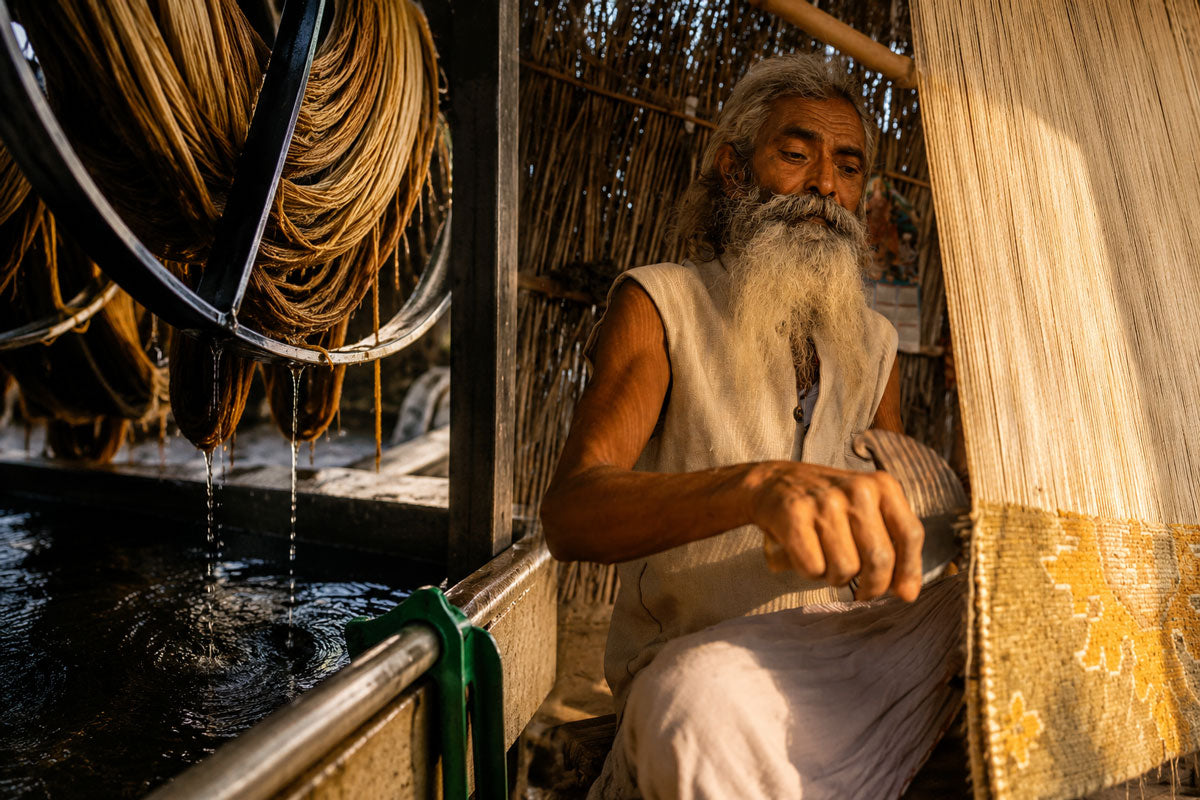
Soumak never really stopped. Weavers in the Caucasus Iran and Central Asia still use those same techniques from way back. Each rug takes on its local colors and patterns. No two matches. From what I've seen anyway. The real issue tends to be how that village touch sticks around in the finished work. Kind of good it worked out that way.
FAQs
Q1: Is Soumak the same as a kilim?
A. Soumak gives itself away with the feel. Both skip knots and stay flat overall. But kilims keep to basic tapestry. Simple. Soumak wraps its weft in a way that piles up thickness and real texture instead. From what Ive seen in the trade that change makes them play out differently underfoot and it always surprises me a bit. Kind of cool. The difference shows up right away.
Q2: Are Soumak rugs durable enough for high-traffic areas?
A. Never thought those antiques would last this long. Turns out the tight wrapping is what kind of makes them sturdy and resistant to wear which explains why a bunch of those antique examples have survived when you'd think they would not. From what I've seen. Really.
Q3: Can Soumak rugs be used as wall art?
A. Absolutely. Their bold geometric patterns and textured surface make them popular choices for wall hangings, not just floor coverings.
_____________________________________________________________________________________________
Conclusion
No knots. Soumak weaving still makes for an extraordinary rug. You'd think that would weaken it. But the strength patterns and honest craftsmanship kept it relevant across centuries and continents. Kind of impressive. The interesting part is adding it to your home. Check the Soumak collections at Handmadecarpets. Authentic craftsmanship meets timeless design.