

Article: "Time in Every Knot" How Long Does a Handmade Carpet Really Take?
"Time in Every Knot" How Long Does a Handmade Carpet Really Take?
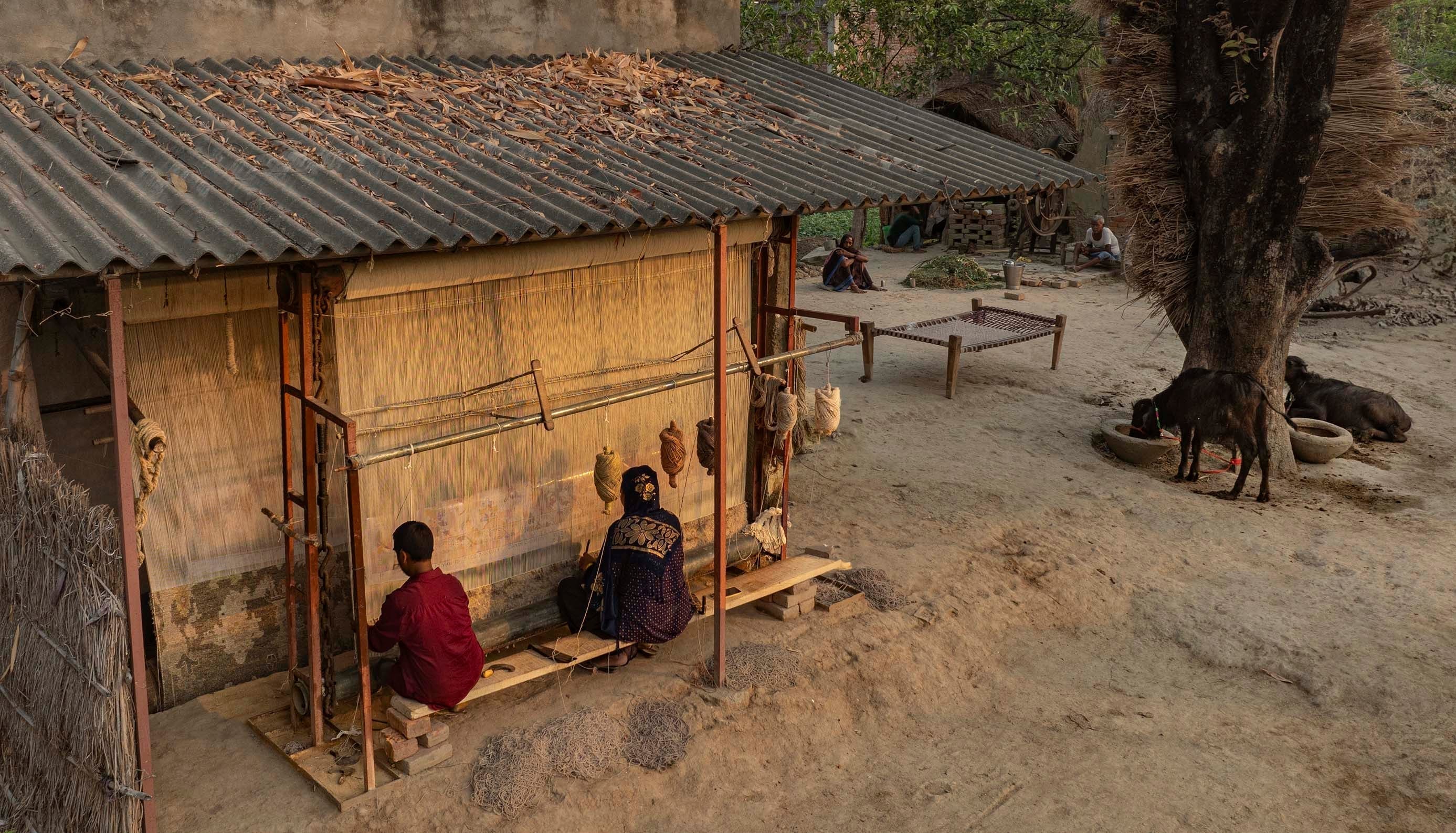
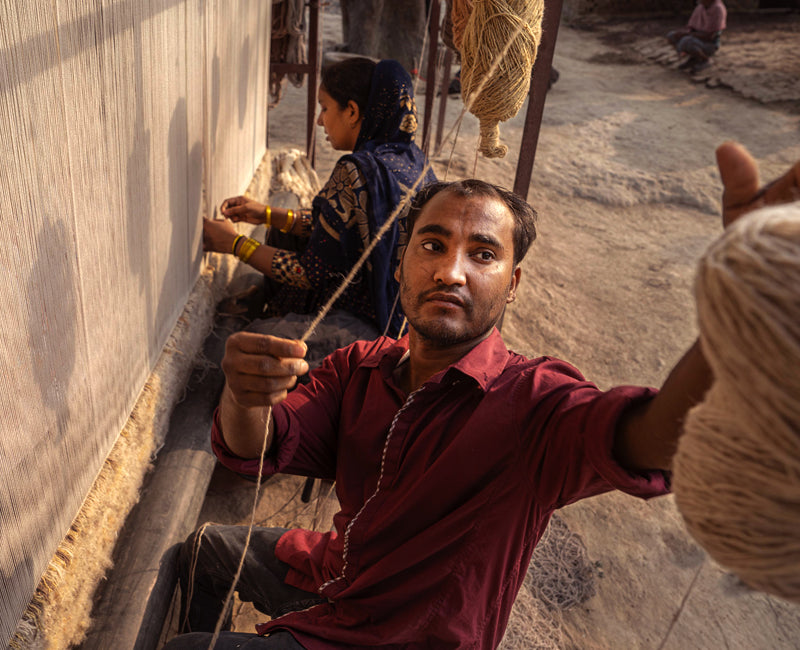
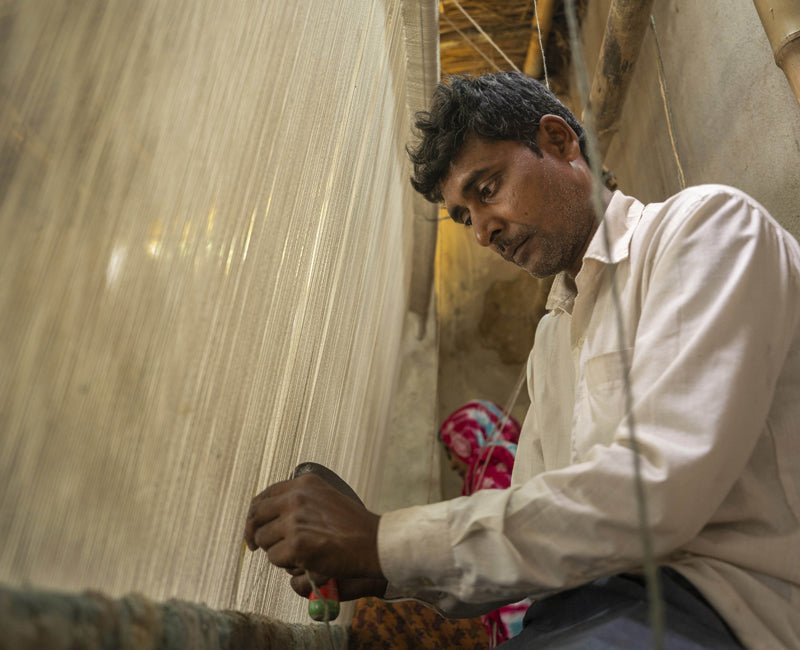
Stepping on a handmade rug means treading over countless hours of sheer grit from real hands. Each knot? That's a choice right there. And a whole row? Pretty much a full day's grind. So, what's the real timeline from that initial yarn to a complete floor covering? Turns out, it shocks folks. Totally shifts how you eye that hefty price.
You know, one square meter of a quality Persian rug packs in more than a million hand-tied knots. Each one done individually.
It Depends on the Carpet
Handmade carpets take wildly different times to finish. You'd think it's quick, but no - some rustic kilims get done in a month or so if they're small and simple. The thing is, it all hinges on how tight the knots are, the overall size, tricky patterns, and how many folks are weaving.
From what I've seen, a basic flatweave might wrap up in 1 to 3 months. Bump up the detail on a medium pile one, and you're looking at 6 months to a year and a half. Fine Persian styles? Those drag on 2 to 5 years. And the real showstoppers, like ultra-fine silk pieces with sky-high knots per square inch, can take 10 to 15 years.
KPSI measures that density - basic rugs hit 40 to 80. But a top Tabriz or Kashan pushes 400 or 600 plus. At those levels, even tying hundreds of knots daily, a weaver barely advances a few centimeters a week. Pretty intense.
The Hidden Time Before Weaving Begins
Folks tend to just clock the actual knot-tying hours on a rug.
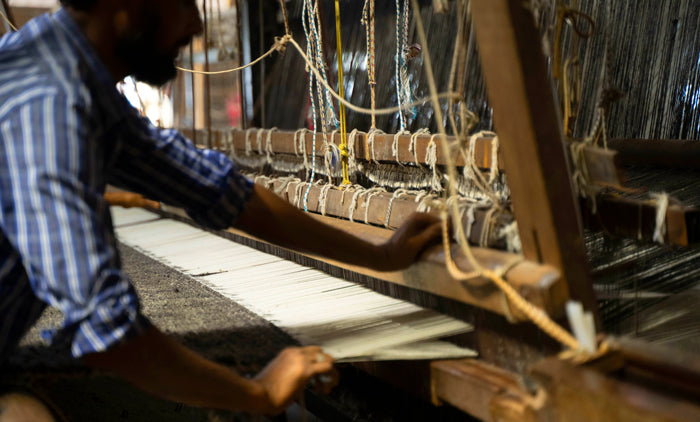
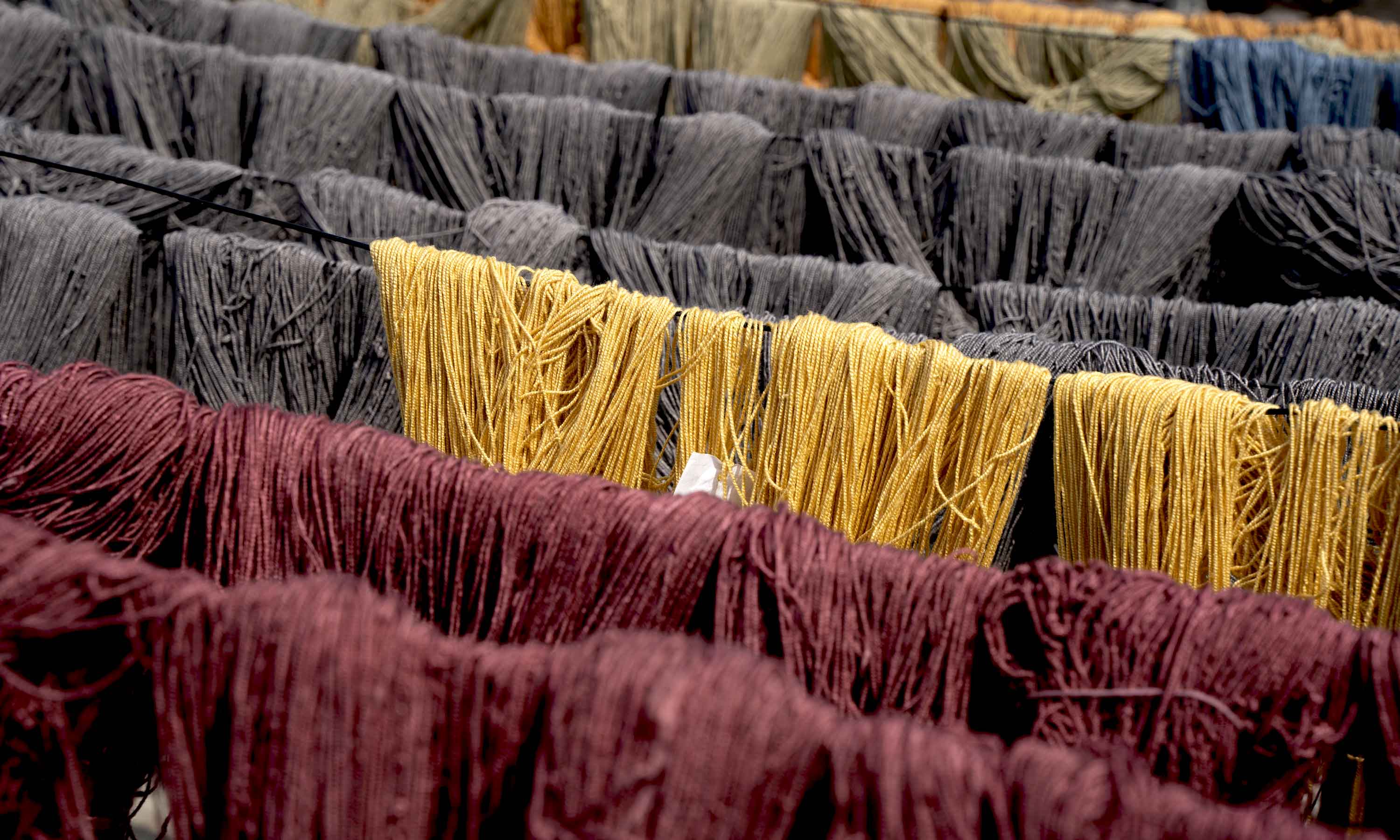
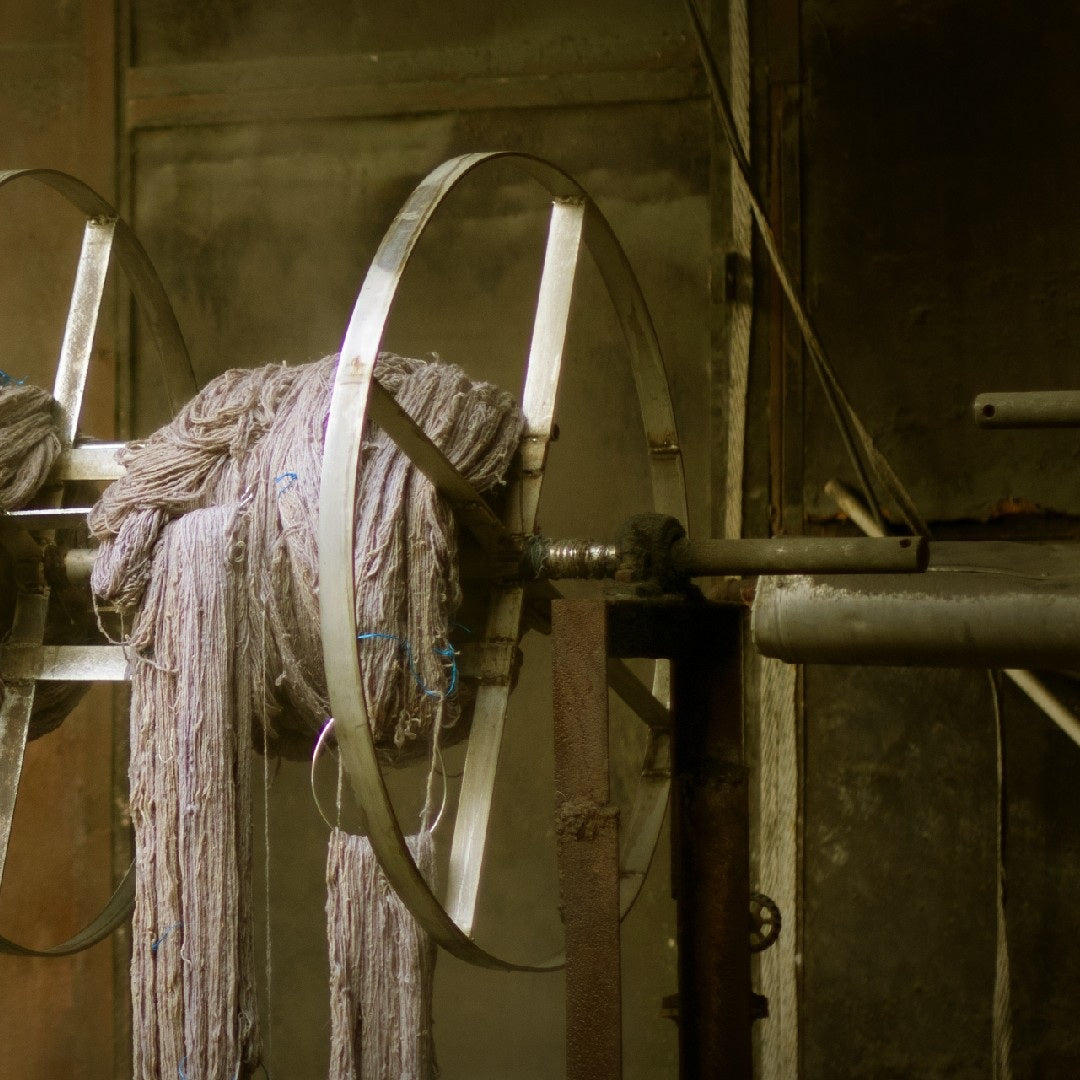
The stuff before that drags forever, though. Sketching out patterns from scratch. Soaking wool or silk in natural dyes, over and over in different pots, then hanging it all to dry while you test if the colors bleed or fade. Setting up the loom right takes patience, weeks easy.
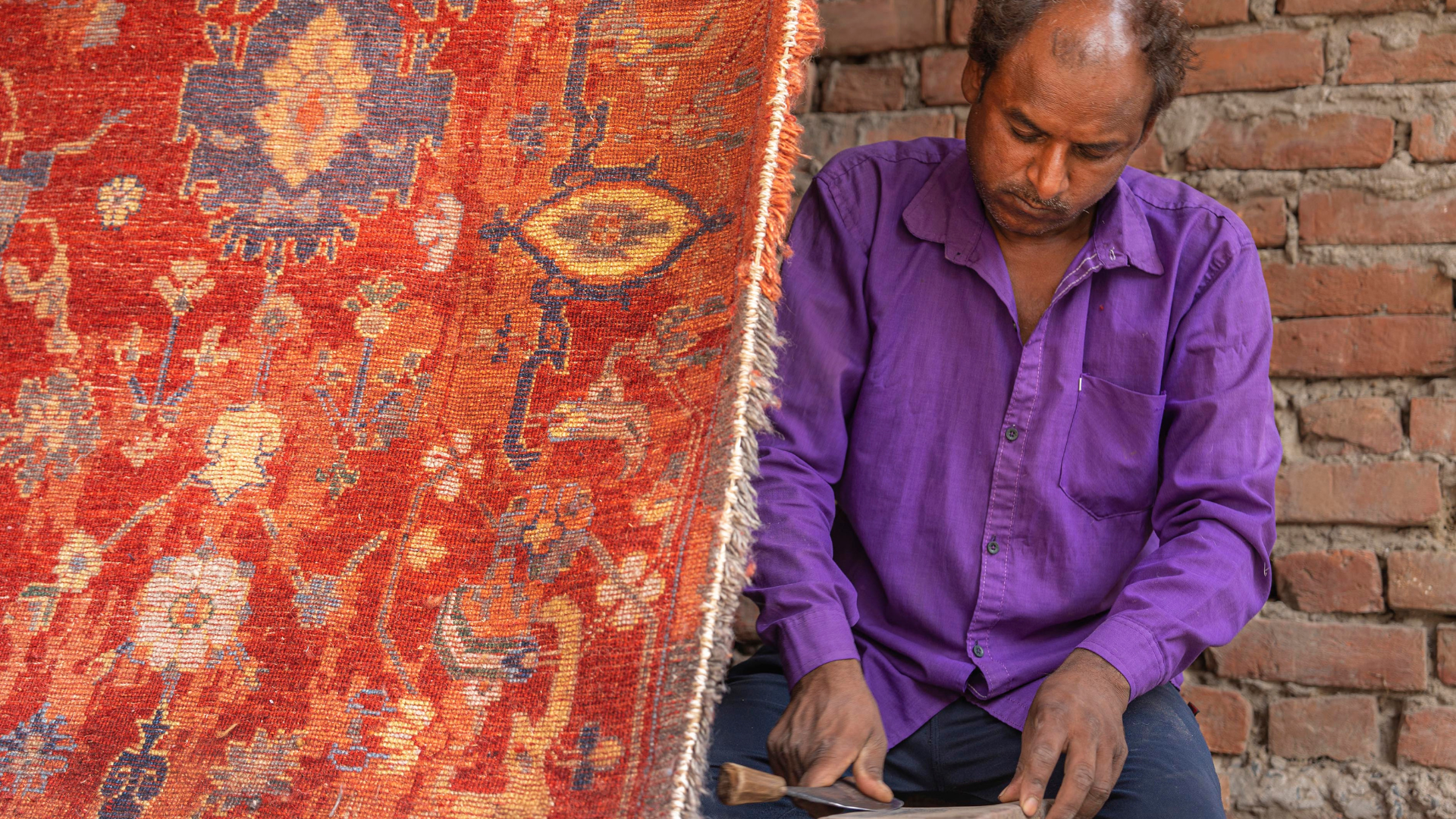
And after the weaving wraps? No way it's finished. You wash the thing thoroughly, stretch it flat, clip those loose ends, add the last polishes.
Turns out a carpet's got miles left to go even off the frame. Kinda eye-opening when you stop and think.
Frequently Asked Questions
Q1. Can two weavers speed up the process significantly?
A. Yeah, teams of two to four weavers often tackle big traditional rugs on one shared loom. Skilled pairs can slash the time pretty much in half. But real fine work? It demands a single person's steady pull and pace. So quality wins out over speed sometimes.
Q2. Why does a handmade carpet cost so much more than a machine-made one?
A. Handmade rugs demand months, even years, of real expertise. Machines crank them out fast, sure. In minutes. But those crafted ones pull in hand-twisted yarns, colors mixed by feel, and echo some old-school art that's still breathing today. What hits you is the price - it packs in not only the basics, but time that's purely human, gone forever once spent.
Q3. Does a longer production time always mean better quality?
A. Price does not always tell the full story. But from what I have noticed, it serves as a solid clue. Higher knot density or bigger dimensions take way more hours to weave by hand, same with using thin silk strands. Spot a supposed hand-knotted rug going for peanuts? That raises red flags every time. Solid work like this just cannot get done in a hurry.
Next time you spot a handmade rug that catches your eye, pause. It's not mere cloth. It's someone's months of effort, tied into threads designed to endure longer than they do. Not just stuff - a slice of their time frozen there.
Check out our handmade carpets at HandmadeCarpets.com Each knot carries its own tale.