
Traditional Rugs Were Creating Warm Homes Long Before Interior Trends Existed
Think back to a time without mood boards or Pinterest. No one tossed around the "aesthetic" for room setups. Rugs were just there. They covered chilly stone floors, got stacked in tents for nomads, and got handed down through families. Not some fad. More like everyday life, you know?
Interior design these days? It shifts quickly. Styles pop up and vanish like clockwork with the seasons. Something hailed as timeless last year? It suddenly looks old. But traditional rugs - those hand-woven pieces packed with old-school skills and stories from way back - they stick around. From what I've seen in practice, they skip the hype. They endure. Pretty much outlive every passing look.
Warmth Was the Original Design Goal
Rugs kept folks alive in the dead of winter long before anyone dreamed up central heat. Those nomadic groups roaming Central Asia, Persia, even North Africa - they knotted up these heavy wool pieces to block out the icy ground. Wool's great at holding warmth, you know, and it evens out the chill pretty well. Makes sense for harsh spots.
What hits me hardest, though, is how rugs turned a bare tent into home. They'd splash color on nothing walls, set the spot for family huddles or kids crashing out. That cozy vibe, the sense of pulling everyone in - it's irreplaceable. Modern floors? Bare concrete or slick tiles just don't pull it off. No soul there.
Every Pattern Has a Purpose
Those swirling designs on Persian rugs caught my eye first. Back in the day, weavers there packed them with symbols for safety, kids, good fortune, or even a link to something higher up. Over in Afghanistan, tribes stuck to sharp geometric shapes - their own kind of family badge, marking who they were from afar.
Turkish Anatolian pieces? They bloomed with flowers hinting at heavenly spots. And the Berber women in Morocco, they twisted abstract marks into the wool, slipping in bits of their own lives, stories no one else knew.
The thing is, nobody wove this stuff just to go with the furniture. It was a raw feeling turned into a thread - hopes whispered in knots, past events locked away, whole ways of living held tight. Bringing one home now feels like inviting a crowd of voices from way back. Pretty wild when you stop to think.
The Craft That Refused to Be Replaced
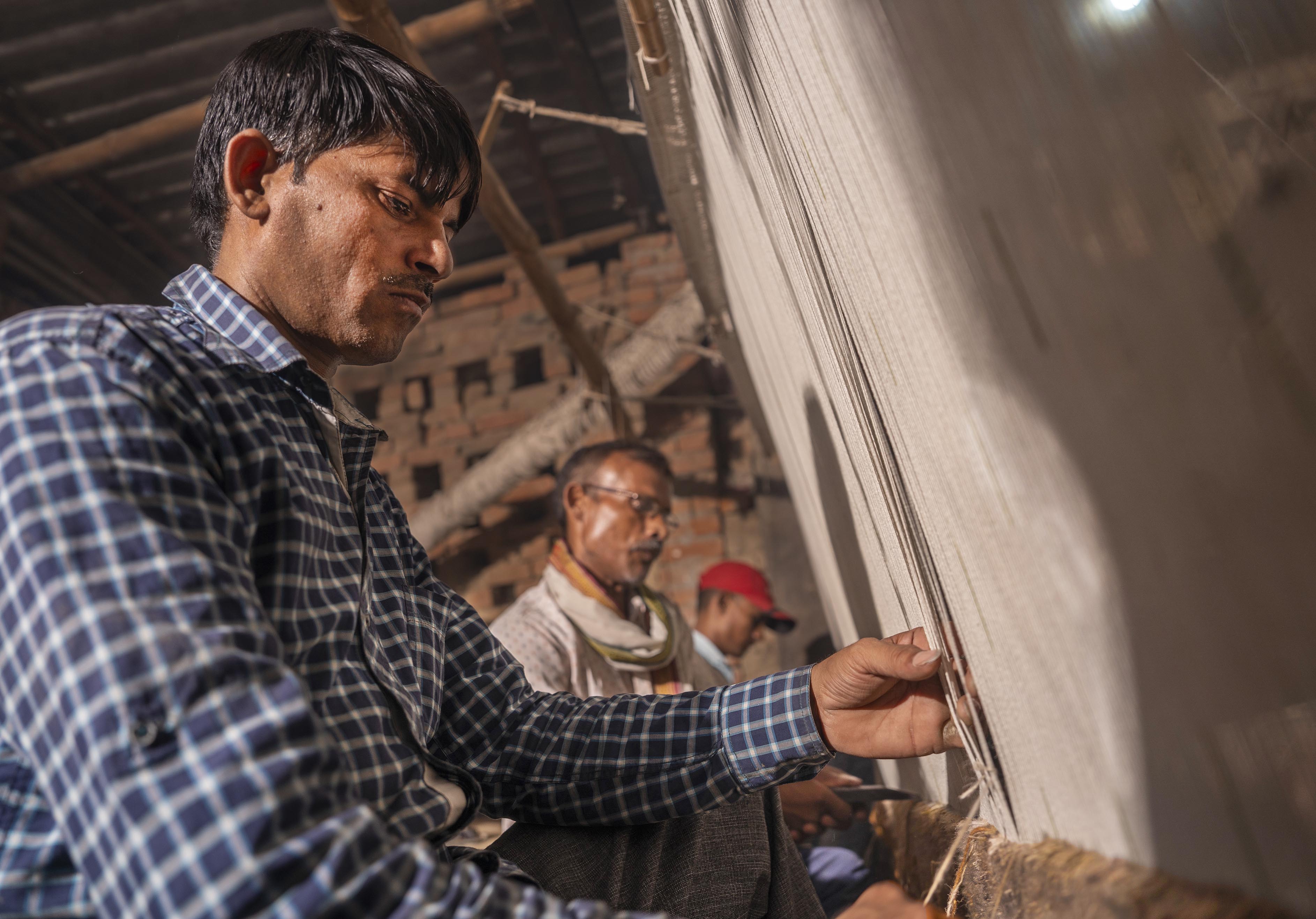
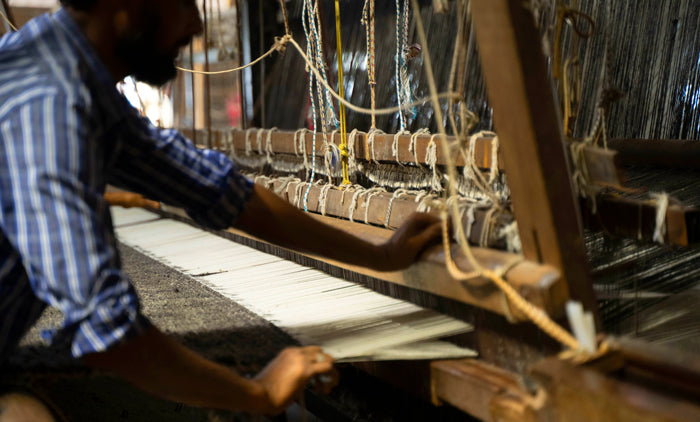
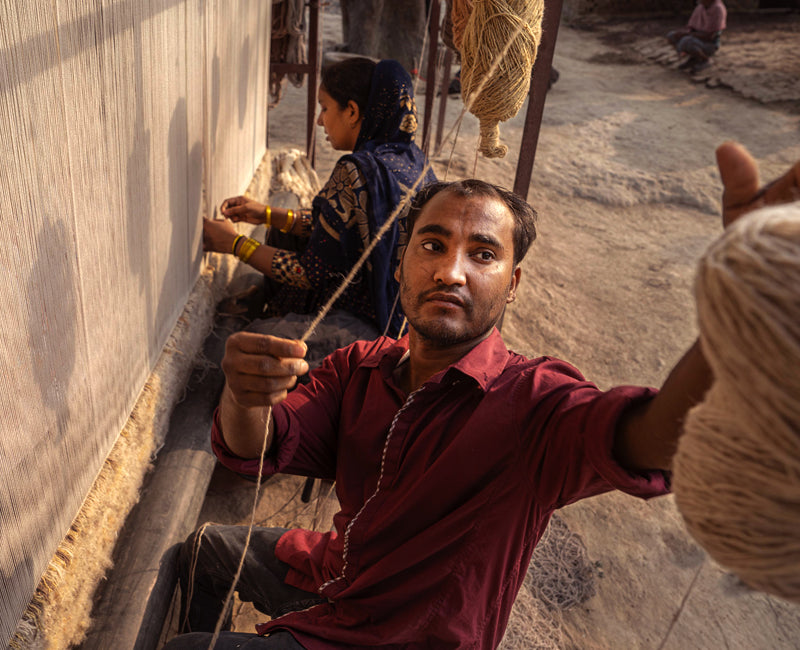
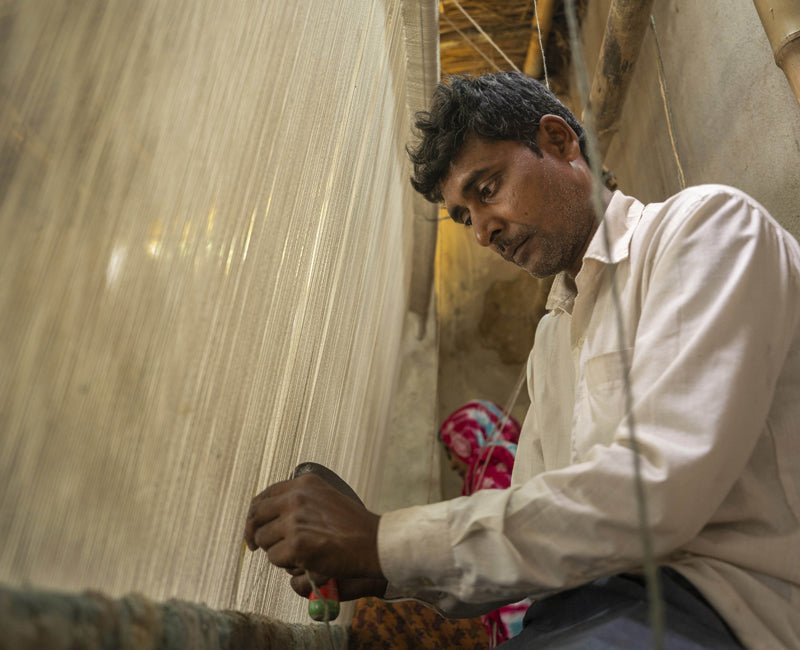
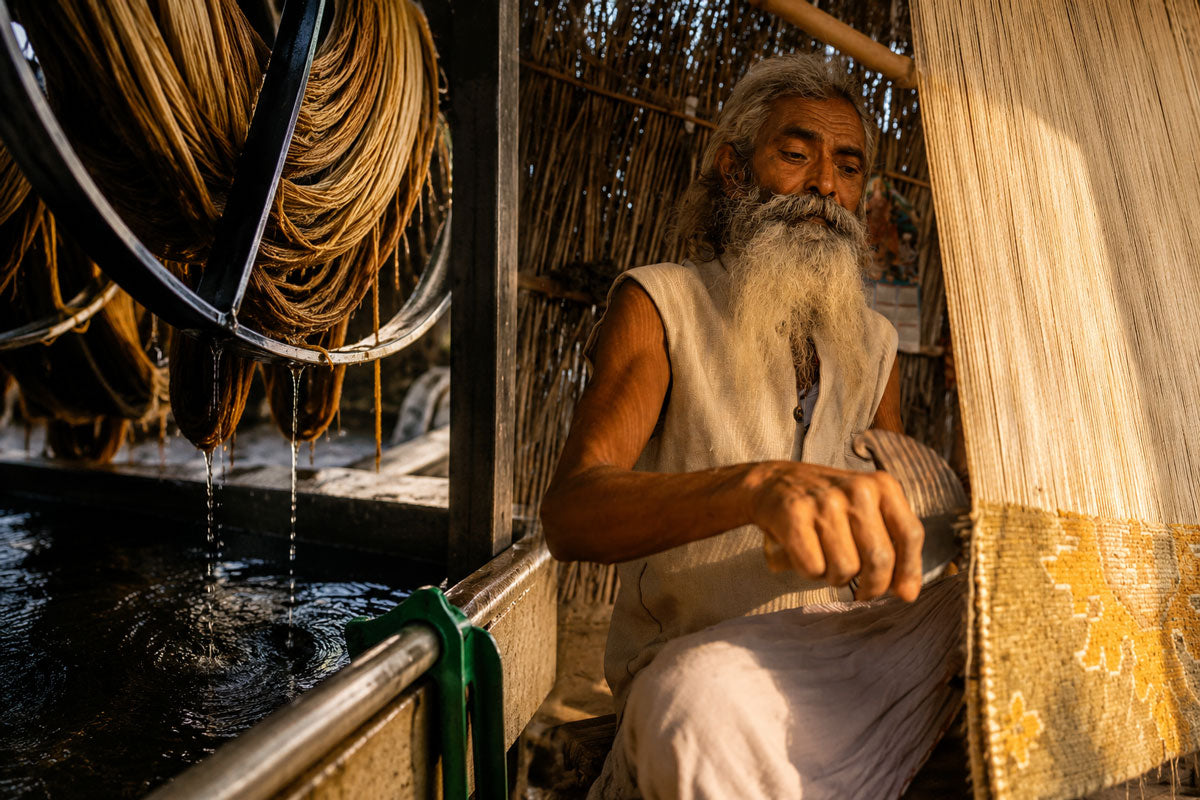
Back when the Industrial Revolution hit, machines pretty much swallowed up textile factories whole. But handmade rugs? They stuck around. Not for speed or anything practical like that. Turns out, you just couldn't crank those out on some assembly line. Weavers in places like Iran, Turkey, India, and Morocco kept at it the old way - tying knots by hand, cramming hundreds into every square inch. Skills passed down from grandparents, no shortcuts. What stands out to me is how that craft dug in its heels. It wasn't about the cloth itself. The real worth hit deeper, in stories and touch you couldn't mass-produce. These days, slipping one into a modern living room feels like a small stand against all the cheap, toss-it-out stuff everywhere. Kind of comforting, if you ask me.
Why Traditional Rugs Still Feel at Home Anywhere
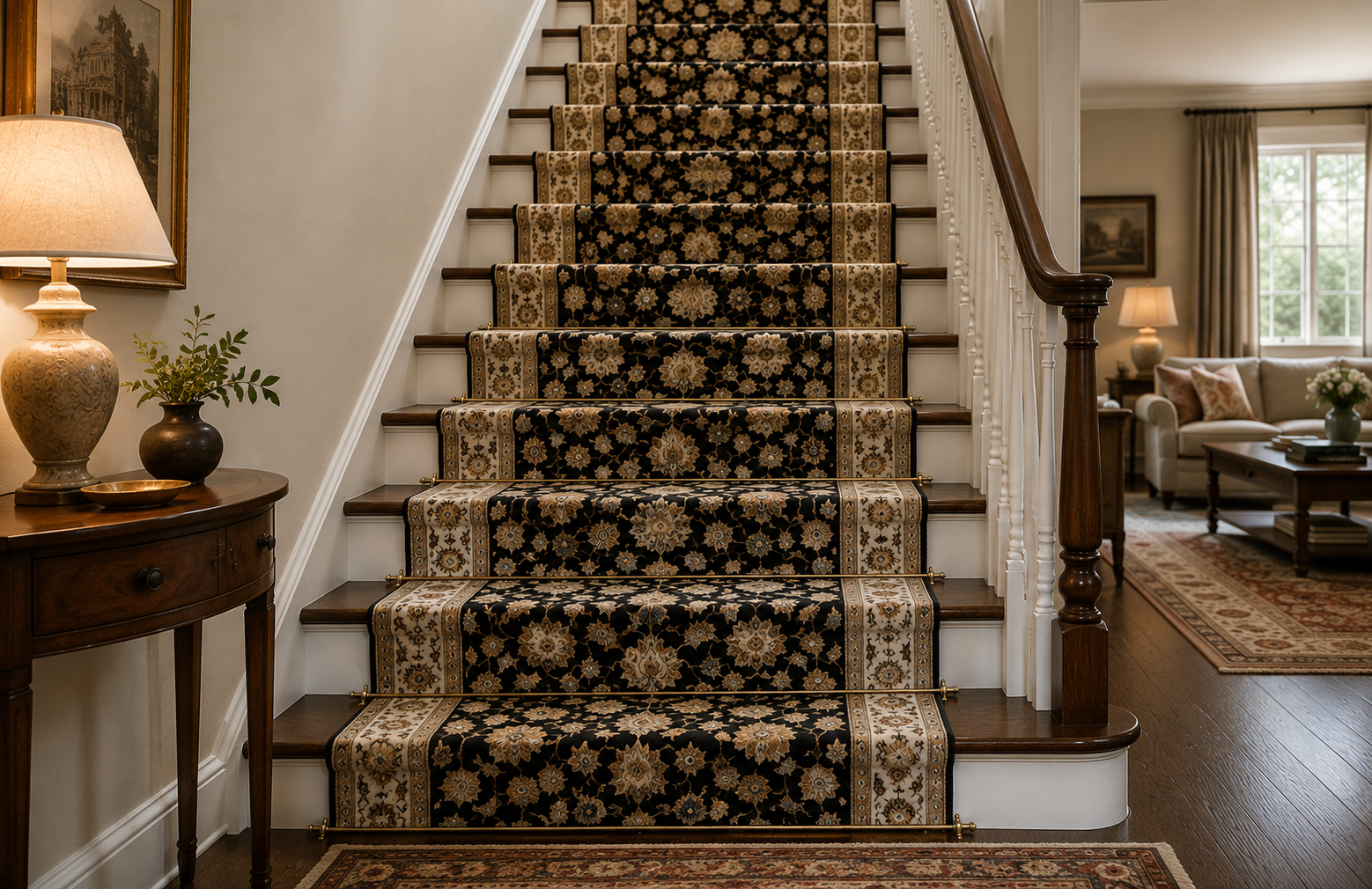
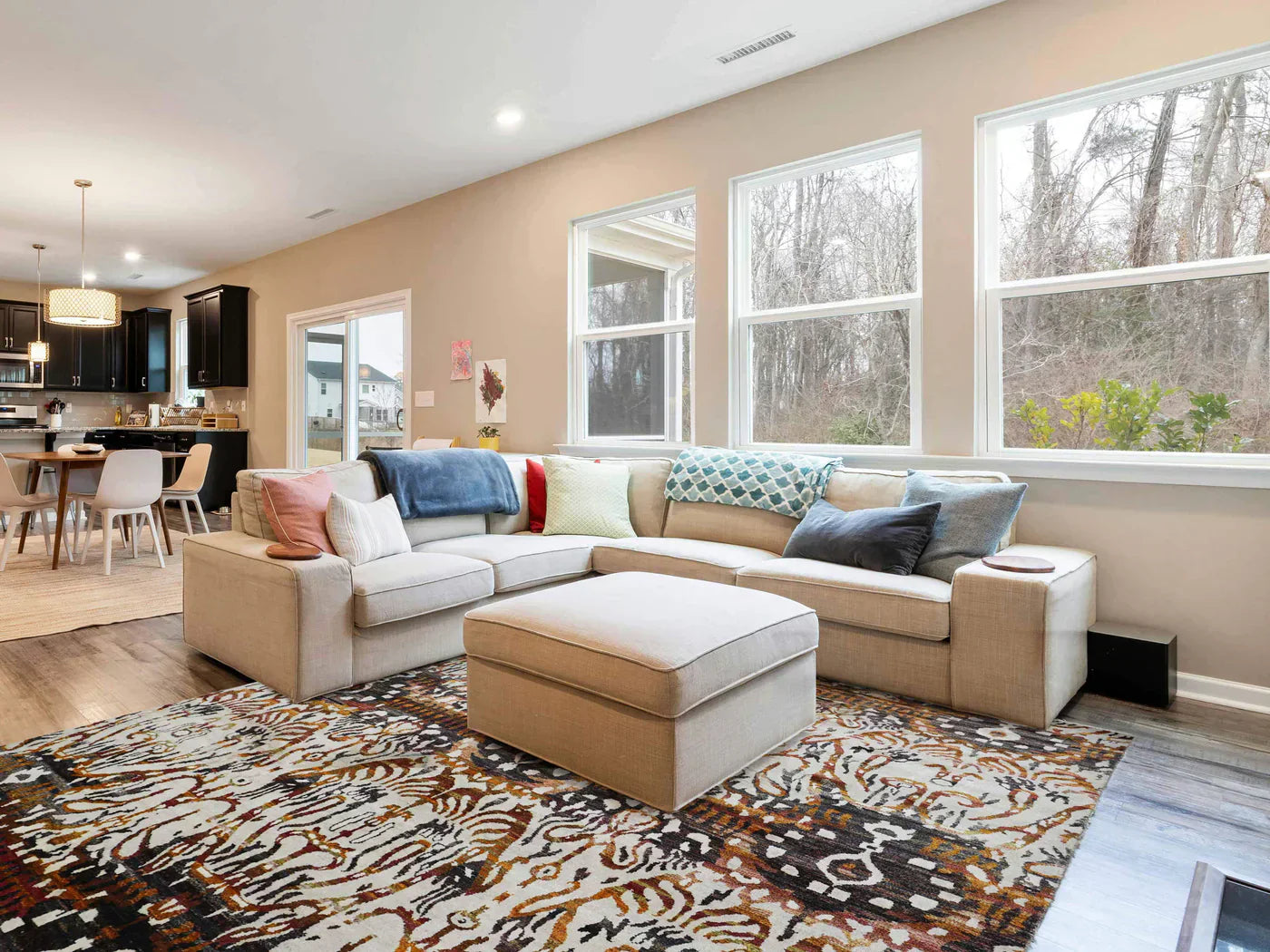
Traditional rugs have this odd charm. They pull from ages ago, but slide right into a city loft or cozy farmhouse without missing a beat. What gets me is how they ignore trends altogether. Built tough, meant to stick around no matter what. Take a hand-knotted Persian one tossed on concrete flooring. It doesn't scream mismatch. Nah, it feels deliberate. Layers in that backstory, real grit, a kind of warmth factory rugs just fake. Designers keep circling back to them. Trends shift too fast. These pieces pin down a room, make it feel solid. From what I've noticed, that's the real pull.
Frequently Asked Questions
Q1: What makes traditional rugs different from modern decorative rugs?
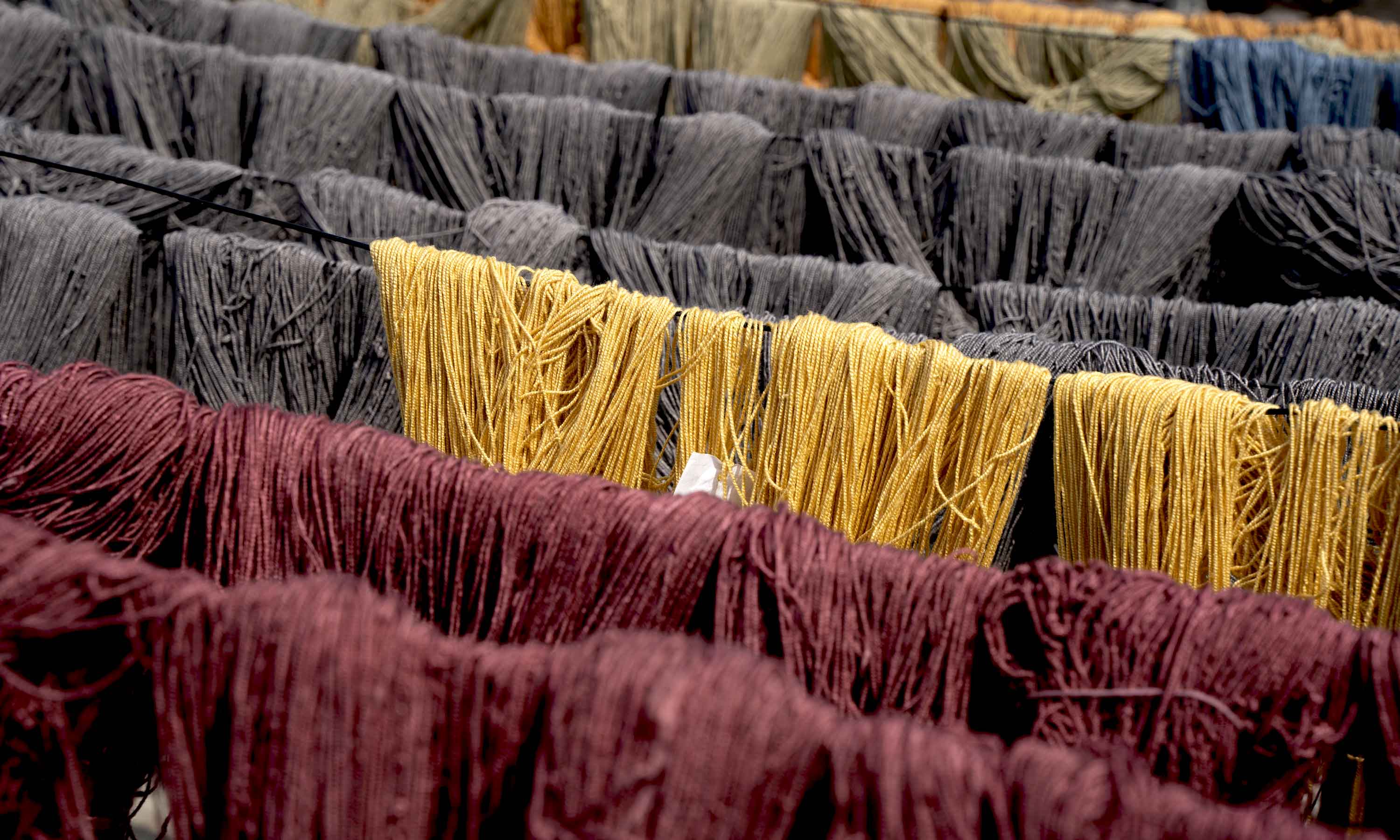
A. Traditional rugs pull from deep cultural roots. They're hand-knotted or woven by folks using wool, silk, or cotton - natural stuff that lasts. Each pattern holds some historical or symbolic weight tied to where it came from. Thing is, modern rugs? Mostly machine-spun from synthetics, chasing looks over meaning. They don't pack the same punch in durability or heritage, from what I've seen.
Q2: Can traditional rugs work in a modern or minimalist home?
A. Traditional rugs do wonders for bare-bones rooms. They inject some real coziness and personality right into those stark setups. What hits me is how the rough textures and bold designs stand out sharp against all the smooth edges and dull colors. Designers often grab a handmade classic and toss it under sleek chairs or sofas. That mix brings genuine layers and a touch of history to the place. Pretty smart, if you ask me.
Q3: How long have handmade carpets been part of home culture?
A. People have woven handmade carpets into their daily lives for more than 2,500 years now. Take the Pazyryk rug - that knotted beauty from about 500 BC, dug up in a Siberian grave. Pretty wild, right? Traditions in places like Persia, Central Asia, and India keep chugging along after all this time. Makes you realize it's one of the planet's oldest crafts still kicking.
Conclusion
Fashions shift all the time. They pop up, fade out, get dusted off with new labels. Traditional rugs, though? They've stuck around forever, no need for revival. From what I've seen, these things cozied up houses, wove in family tales, held everything steady way back when nobody cared about fancy decor rules.
A handmadecarpets like that doesn't chase trends. It just wants you to notice its roots - real history underfoot, turning your place into something timeless, right where it ought to be. Pretty much makes you wonder why bother with the latest hype.