

Article: The Human Touch: How Many Skilled Hands Create a Handmade Rug?
The Human Touch: How Many Skilled Hands Create a Handmade Rug?
Handmade rugs take more than a single set of hands to create. It's a whole team of experts, all pulling their weight behind the scenes. You lay one down in your space, and bam - you're walking on ages of know-how. Pretty wild, right? The thing is, that pretty pattern hides a chain of specialists, each adding their bit in turn. So, exactly how many folks touch one before it hits your floor?
____________________________________________________________________________________________
The Journey Begins Long Before the Loom
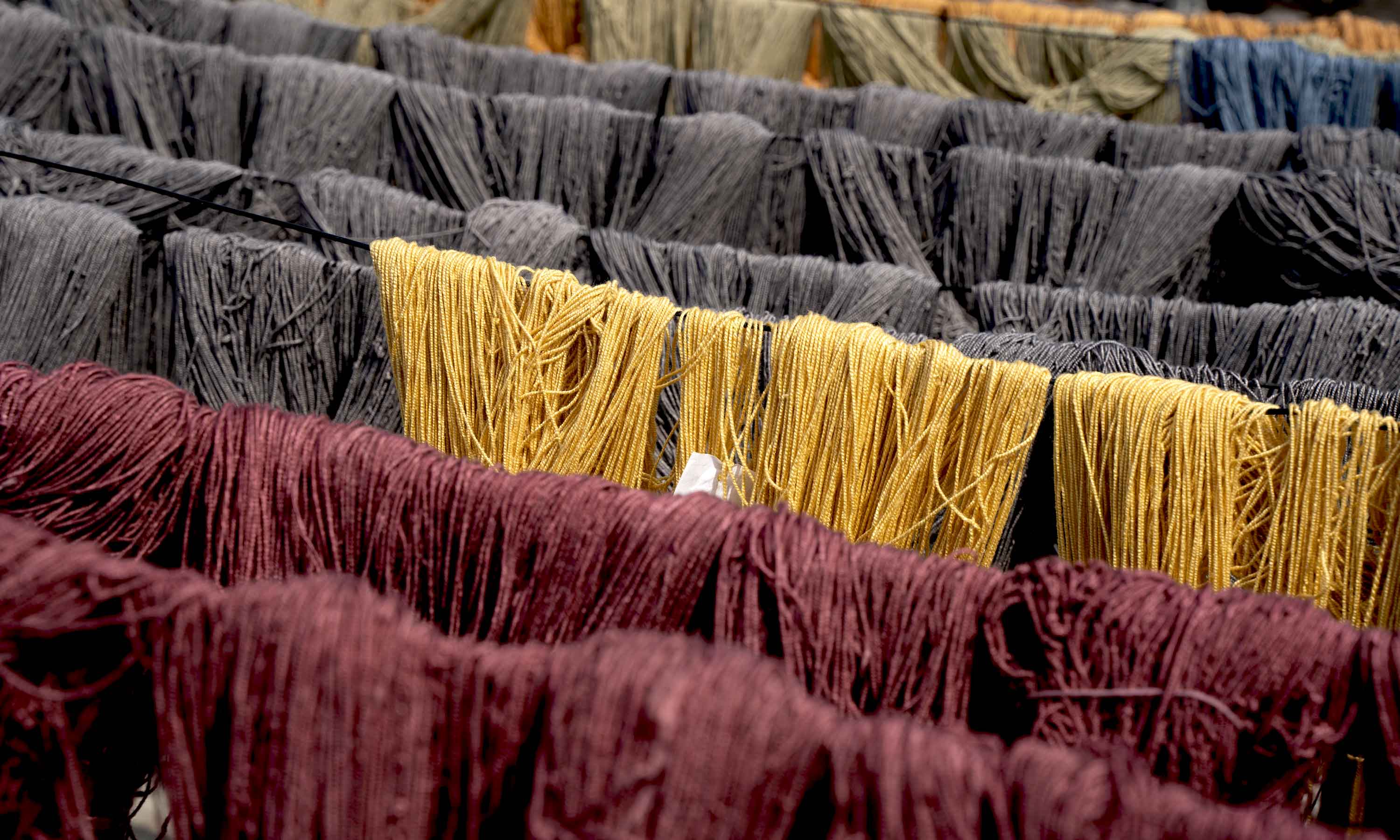
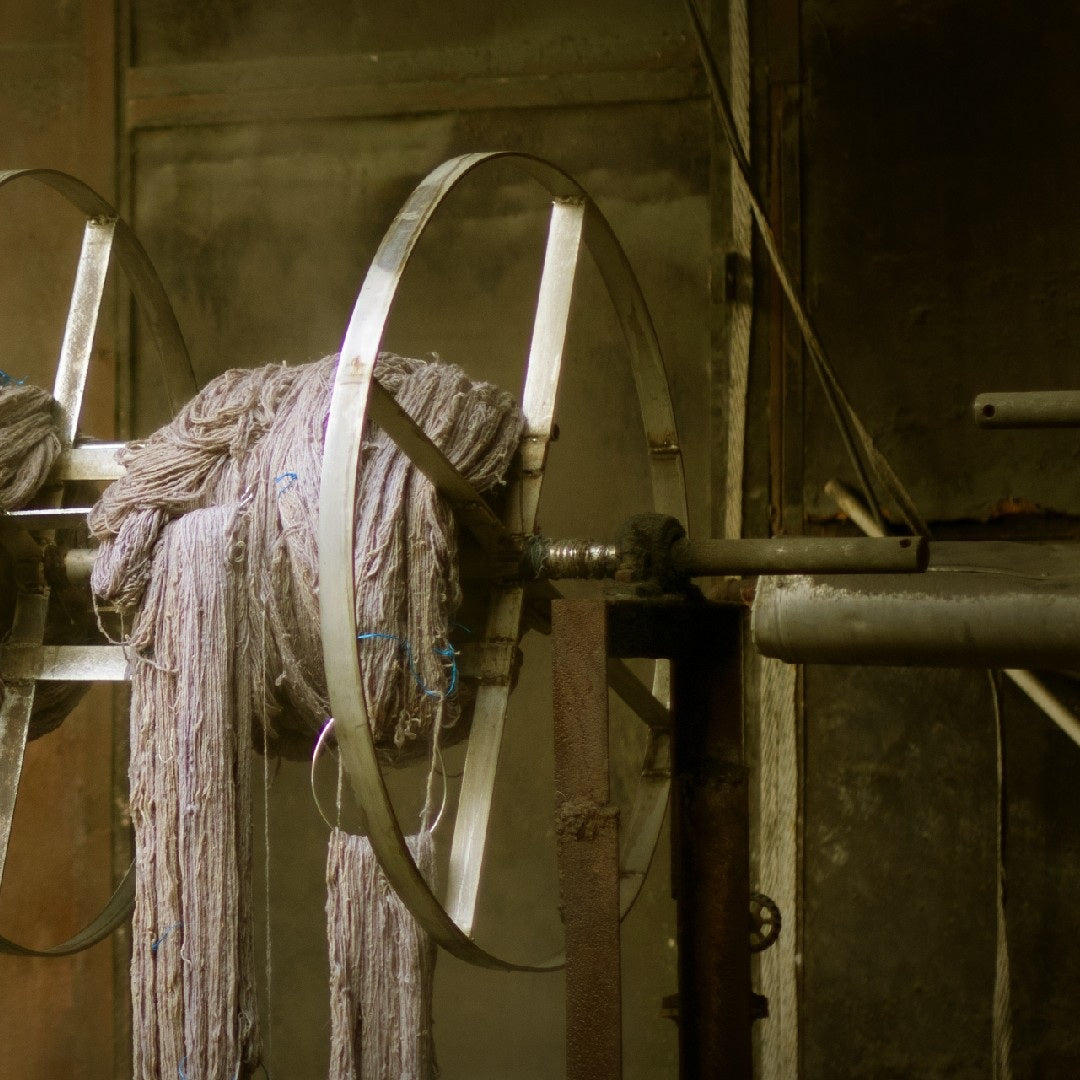
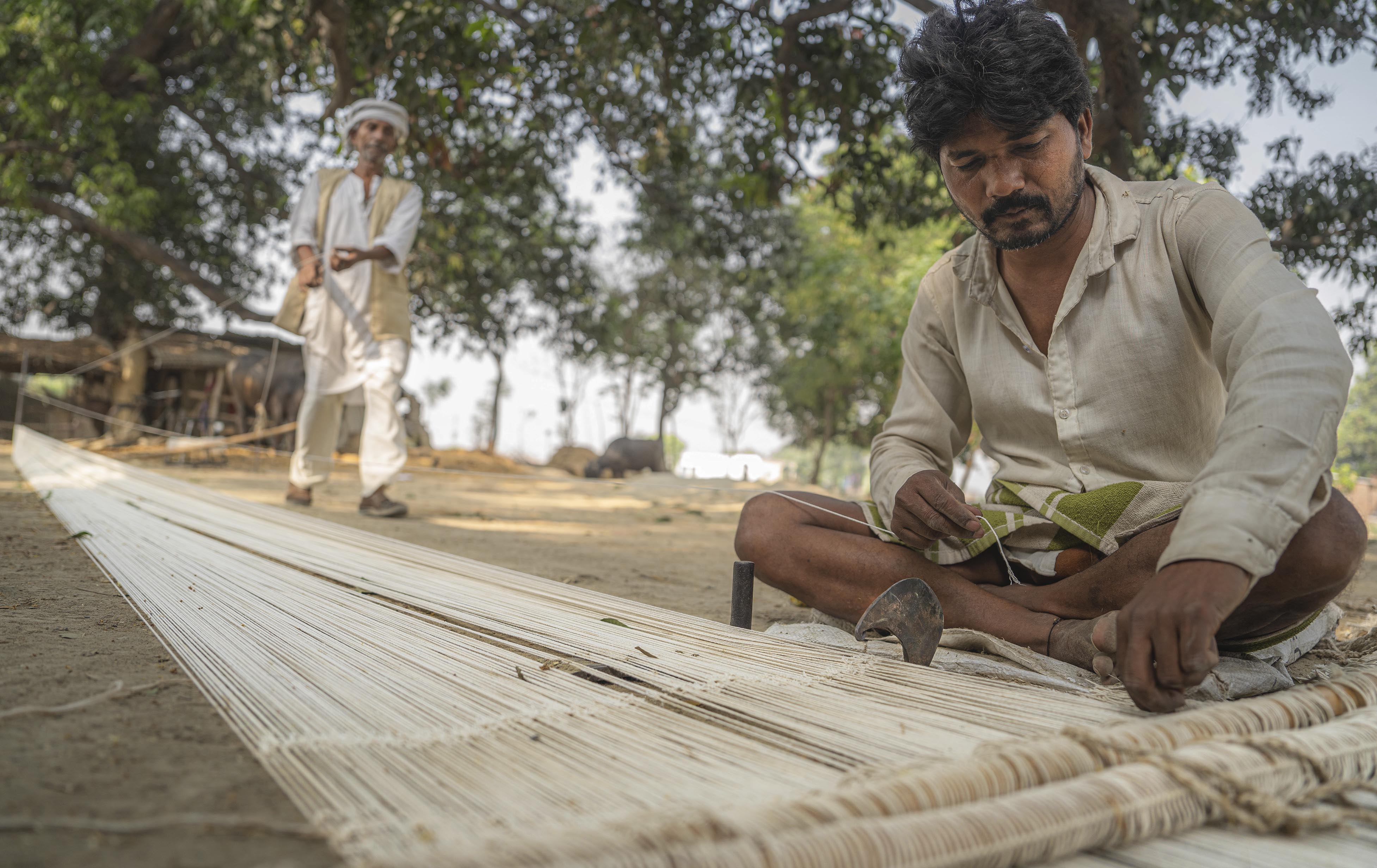
You'd think rug weaving kicks off with someone tying knots. But nah, it all starts way before that, back with folks sorting and cleaning raw wool. They pick through the fleece, eyeing the quality and feel, making sure the fibers are just the right length for what comes next. Spinning's where it gets tricky. These spinners take that messy fiber and twist it into steady yarn - takes real practice to nail the tension, years of it sometimes. In places like Kashmir or Morocco, whole families handle this, passing the know-how down like an old family recipe. Pretty cool when you see it up close. The designer steps in next, sketching out patterns on paper or now with some software. They get color combos, what symbols mean in the culture, how everything fits together structurally. A fancy medallion? Could drag on for weeks to get right. Then there's the dye guy boiling up pomegranate skins, indigo plants, even saffron threads for those deep, true colors. Synthetics try, but they never quite match that richness. From what I've seen, it's the dyes that make a rug last forever.
At the Loom — Where Patience Becomes Art
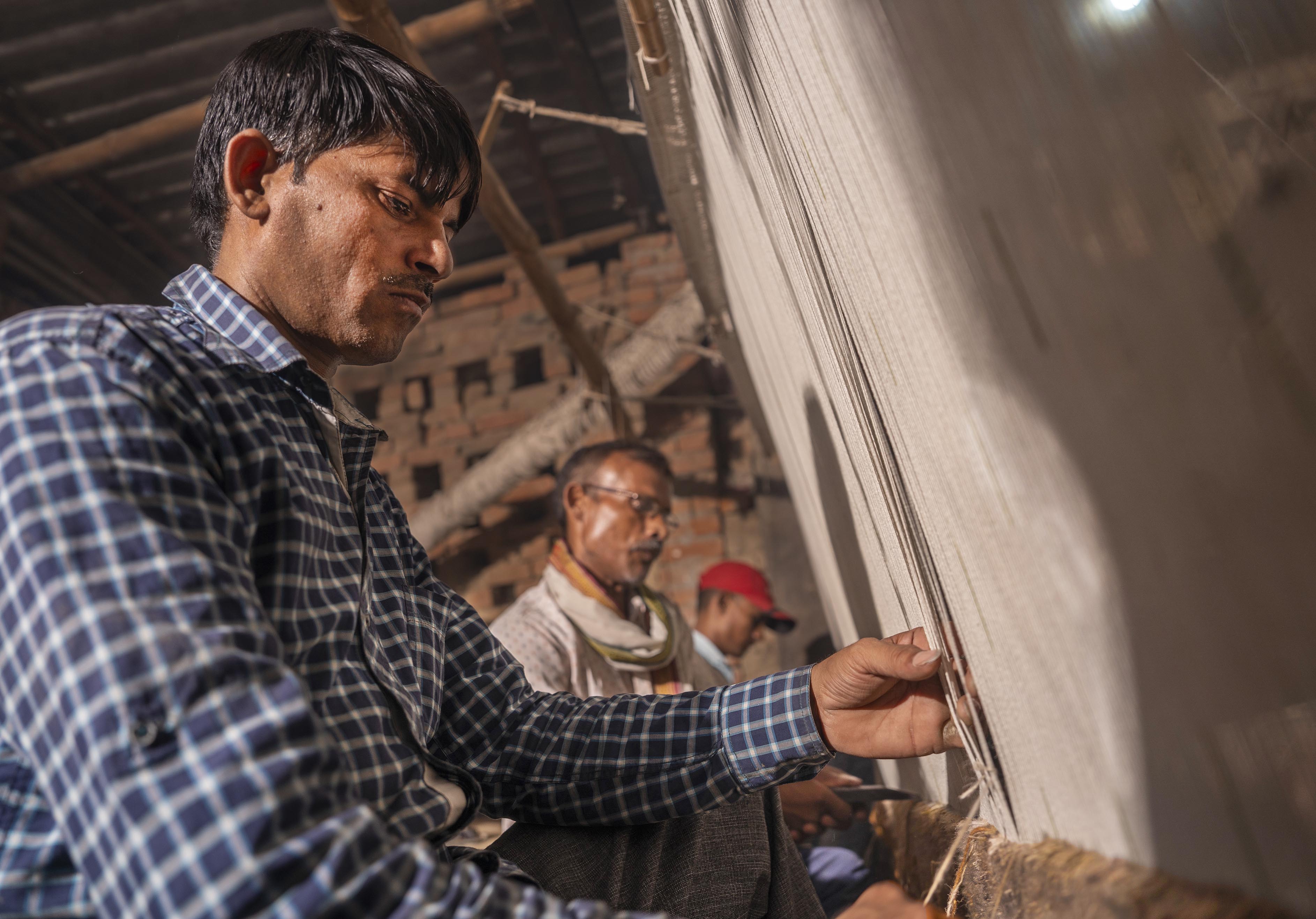
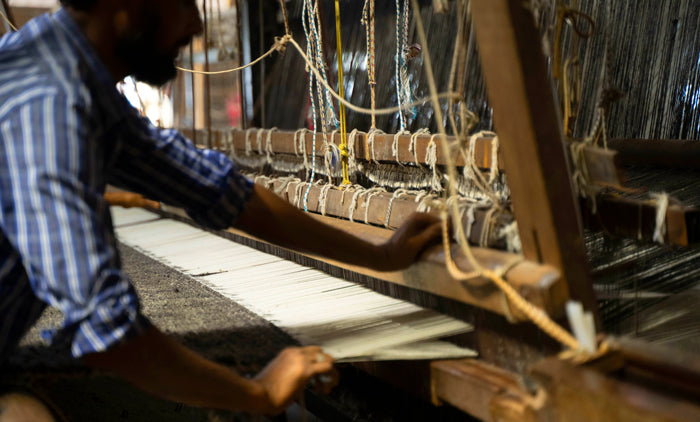
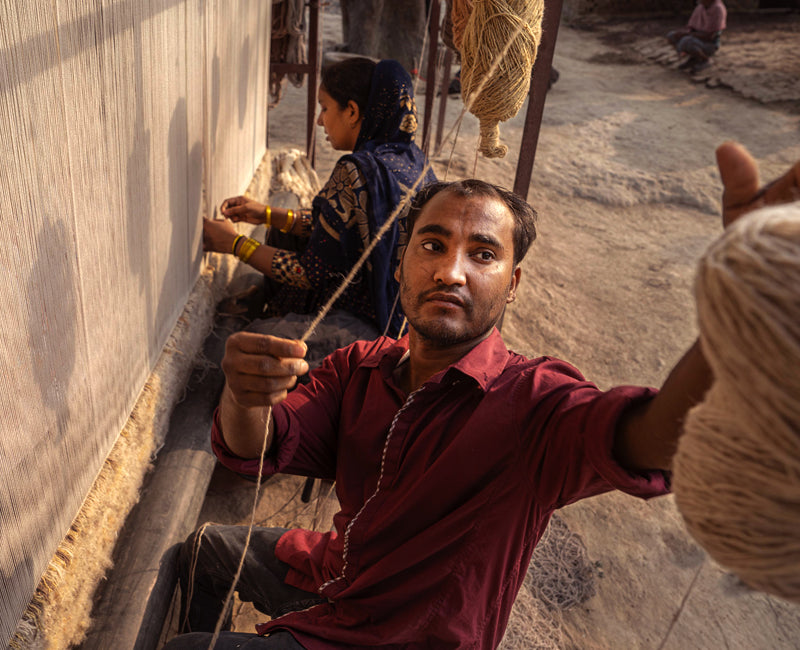
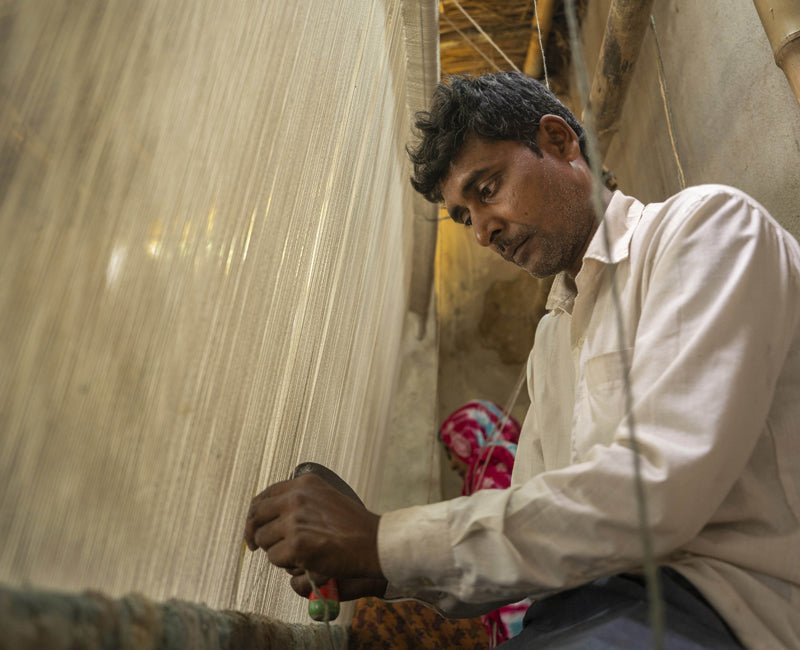
Weavers stand out in any rug workshop. Picture this: for a big piece, up to eight folks huddle around one loom, knotting thousands of tiny loops each day. A top-notch Persian rug packs in 400 knots per square inch - that kind of detail means total concentration, since even a tiny slip could wreck the whole design. And a 9 by 12 foot rug? A crew of four might spend six months to two years on it, steady as can be. The thing a lot of people miss is the caller. That's someone who calls out the pattern, line after line, hue by hue, keeping the weavers' gaze locked on their work. From what I've seen, this old-school setup hasn't budged in centuries, still going strong in spots across Iran and Afghanistan. Pretty fascinating how it holds up.
The Finishing Hands That Make It Whole
After the weaving wraps up, folks with clippers and carving tools step in. They trim the pile even and carve out those sharp pattern lines, like surgeons at work. Then the washers grab it - stretch it out, dunk it in soaks, and let the sun dry it slowly. That fixes the colors right and eases up the fibers.
Inspectors come last. They pore over every knot before it heads to a home.
All told, one rug like that goes through 12 to 20 sets of hands to get to you. What stands out is how each one adds that quiet mark - real skill, a bit of care, some life tucked into the weave. That's the real cost of handmade. Not only the stuff and hours, but that human spark machines just can't touch.
Frequently Asked Questions
Q1. How long does it take to make a handmade rug?
A. The time varies a ton based on the rug's scale and knot tightness. A compact 2 by 3 foot one might wrap up in two to four weeks for a pro weaver. Thing is, a grand 9 by 12 Persian deal often drags past a year - even with four or six hands pitching in.
Q2. What makes a handmade rug more valuable than a machine-made one?
A. Handmade rugs just feel special. They've got this buildup of real craft from a bunch of different makers, plus stuff like wool or silk straight from nature, patterns pulled from old local ways, and they hold up for years on end. The thing is, every single one turns out different - you won't find two alike. That kind of one-of-a-kind vibe makes them pass-down treasures, something factory versions can't touch.
Q3. Can I tell if a rug is truly handmade?
A. Yeah, turn that rug upside down. You'll spot the pattern on the back of a handmade one pretty much as sharp as the front side, but with those little quirks that scream real human work. Machine versions? Their backing is all even and rigid, totally fake to the touch.
_____________________________________________________________________________________________
Ready to bring that human touch into your home?
Visit https://handmadecarpets.com/collections and explore our collections — each piece a story, each knot a lifetime of craft waiting to become part of yours.